Cloetis — History & Facts
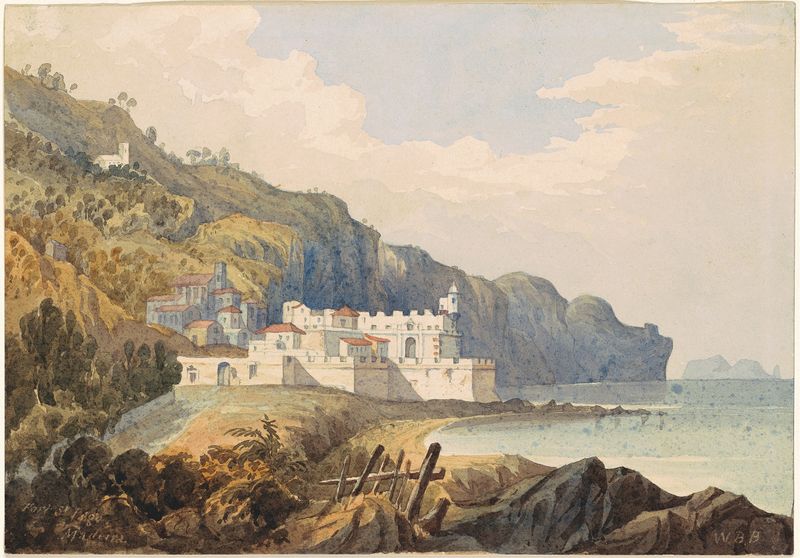
Did the painter know this moment would outlive them? In the quiet stillness of Cloetis, a palpable sense of fear hangs in the air, the weight of an unseen tension clinging to the canvas like a shroud. Look at the delicate brushstrokes that form the central figure, which commands immediate attention. The light dances softly across their features, illuminating a visage etched with apprehension. Notice how the muted palette of greens and browns envelops the background, drawing your eyes inward to the figure’s trembling hands, clasped as if in prayer or desperation.
Each stroke seems intentional, meticulously designed to evoke the raw emotion of vulnerability. Delve deeper into the contrasting elements at play; the serene environment juxtaposed with the troubled expression evokes a narrative filled with unspoken fears. The figure’s gaze, both haunting and reflective, suggests an inner turmoil that resonates with anyone who has faced uncertainty. Small details—a frayed edge of fabric, the slight tilt of the head—bear witness to the fragility of human existence, a reminder of the existential dread that can linger within moments of stillness. In the mid-19th century, William Brenton Boggs painted Cloetis during a period marked by profound social changes and artistic evolution.
Living in America amidst a burgeoning art scene, he sought to capture the human experience through a lens that combines both beauty and unease. This work reflects not only his personal struggles but also the collective anxieties of an era on the brink of transformation.