
Cloud Study — History & Facts
This notion lingers in the air as one gazes at the ephemeral brilliance of nature captured on canvas. Here, in a moment suspended between light and shadow, nostalgia envelops us like a soft, familiar blanket. Look to the upper third of the painting where the clouds unfurl like tendrils of silk, their delicate hues shifting from soft creams to deep blues. The artist employs a gradient of warm and cool colors, creating a contrast that evokes the fleeting nature of twilight.
Notice how the light seems to cascade through the clouds, illuminating them from within; this ethereal glow draws the eye upward, inviting contemplation of the vastness above. The meticulous brushwork, feathery and unrestrained, conveys movement—the very breath of the sky captured in a moment of stillness. Beneath this atmospheric serenity lies a tension between beauty and transience. The clouds, while majestic, evoke a sense of longing, reminding us that all beauty is fleeting.
Each brushstroke carries with it a whisper of the past, as if the artist infused each cloud with his own memories of lost days and dreams. This interplay of light and shadow signifies hope and melancholy, creating an emotional landscape that resonates deeply with the viewer. During the years between 1849 and 1855, the artist worked in his studio in England, amidst a burgeoning movement focusing on landscape painting. As he explored the complexities of the skies, he was influenced by both Romantic ideals and the emerging Pre-Raphaelite ethos.
This was a period of reflection not only in his own life but also in the wider art community, as artists began to grapple with the profound emotional connections that nature inspires.
More Artworks by Lionel Constable
Browse all →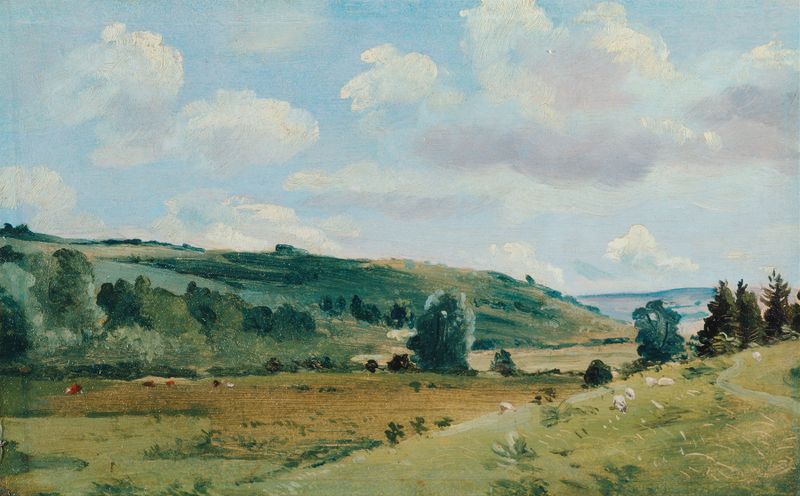
Summer Landscape near Dedham
Lionel Constable
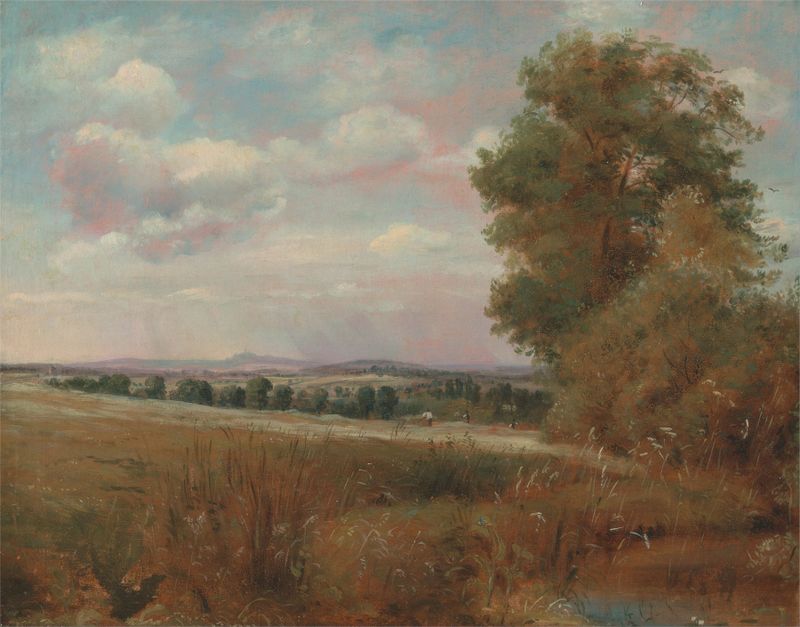
Landscape at Hampstead, with Harrow in the Distance
Lionel Constable
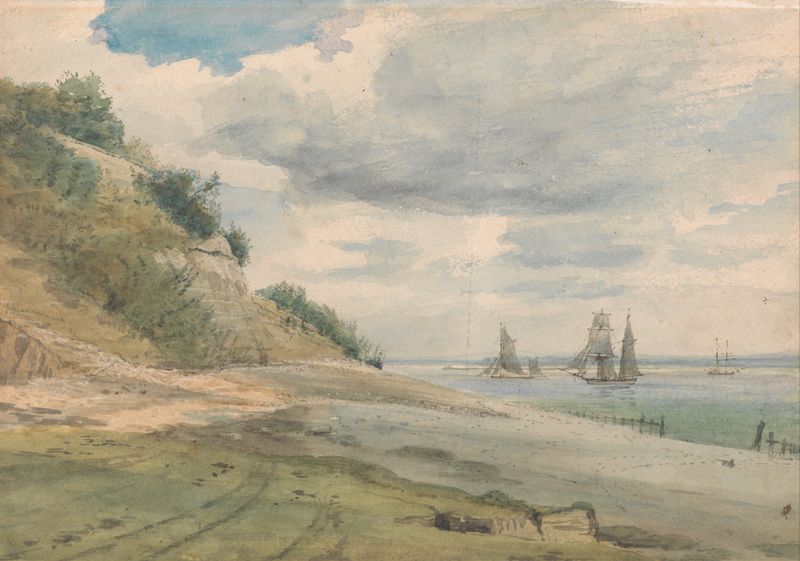
View near Walton on Naze
Lionel Constable
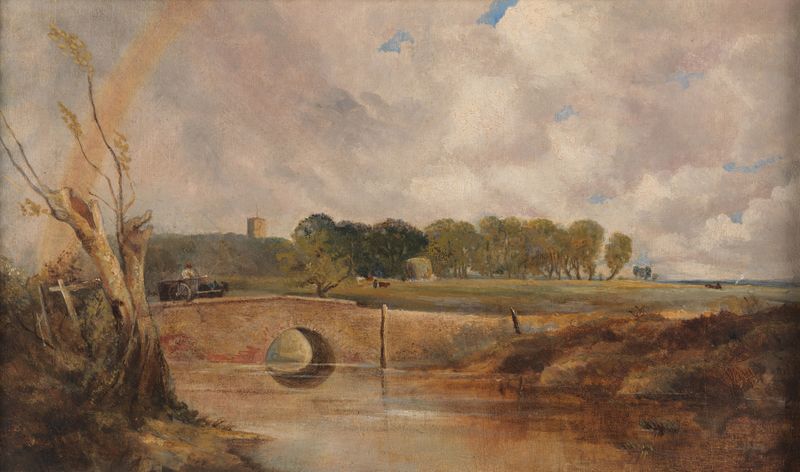
A Rainbow, View of the Stour
Lionel Constable
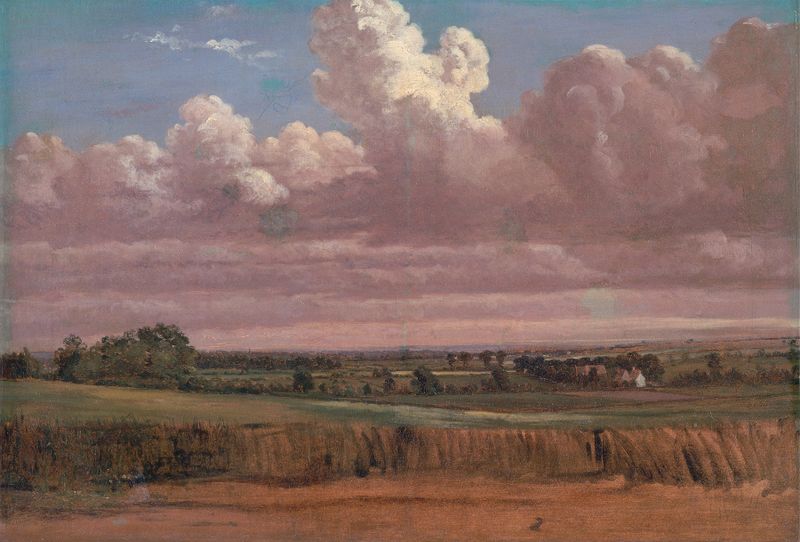
Landscape with Wheatfield
Lionel Constable
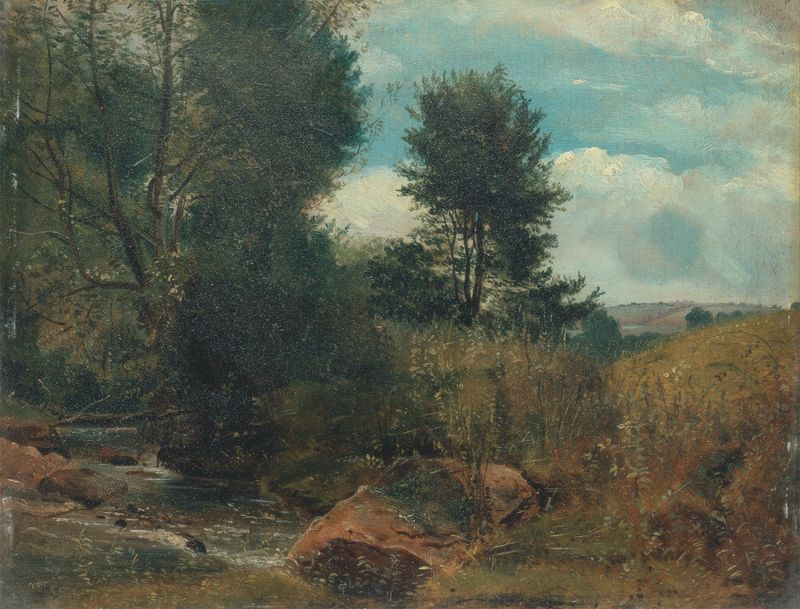
View on the River Sid, near Sidmouth
Lionel Constable
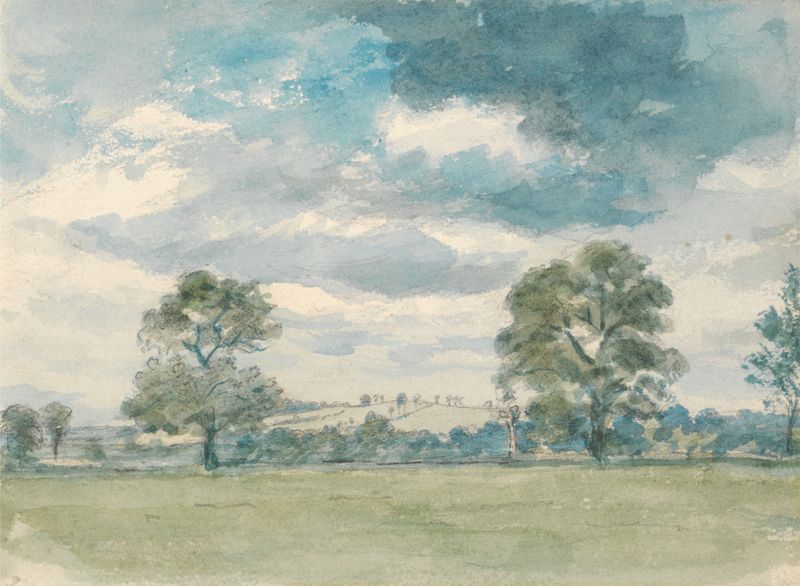
Summer Landscape
Lionel Constable
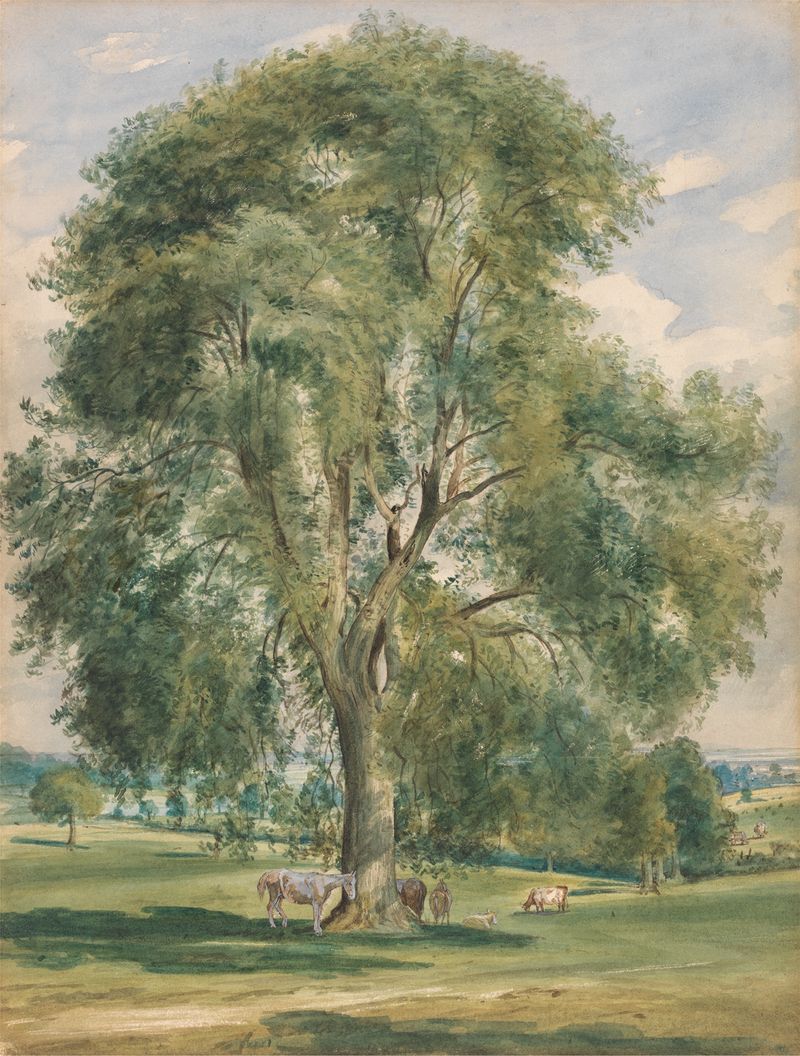
A Large Tree in a Summer Landscape, a Horse Standing at the Base
Lionel Constable
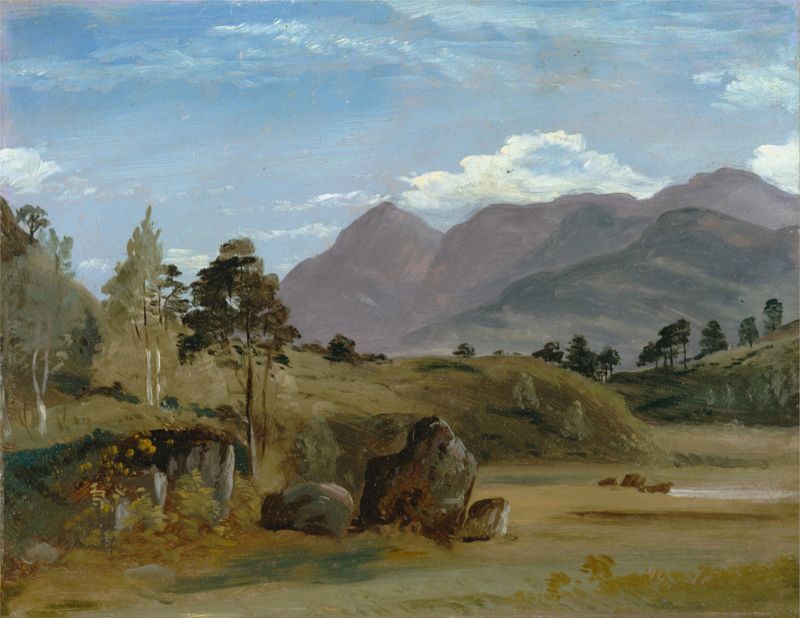
Mountain Landscape, possibly in the Lake District
Lionel Constable
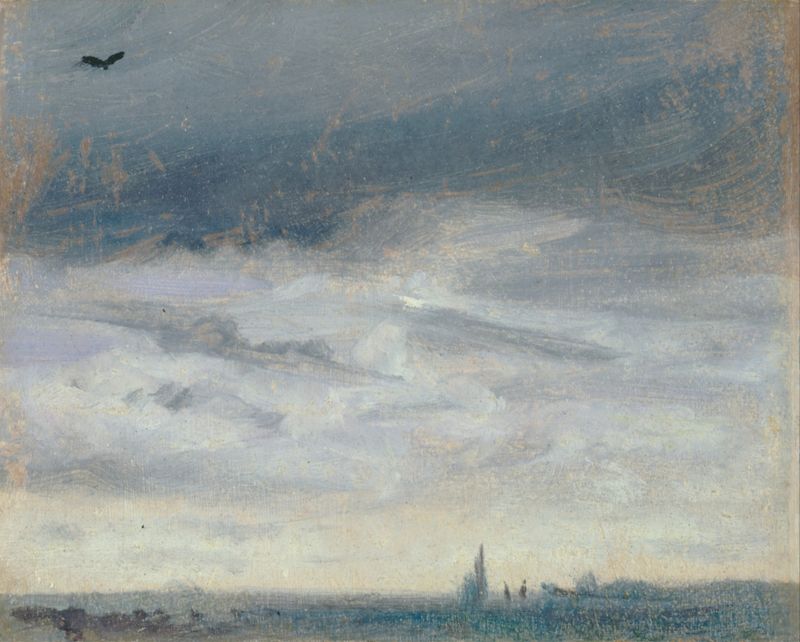
A Grey Day
Lionel Constable





