Composition 269 — History & Facts
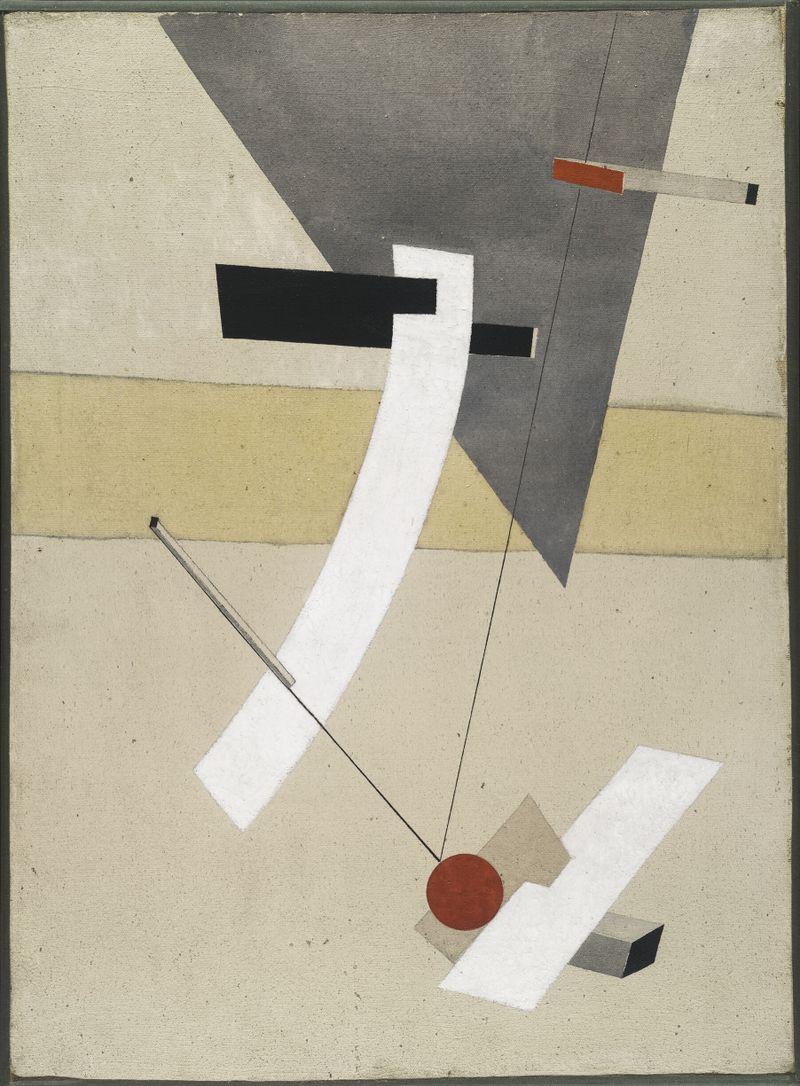
In Composition 269, the isolation of geometric shapes evokes a profound sense of loneliness amidst the vibrancy of color. The artist captures a world where forms exist in solitude, each isolated yet connected through the rhythm of abstraction. Look to the center of the canvas, where sharp angles and bold lines converge, drawing your attention immediately. The harmonious interplay of warm reds and cool blues creates a dialogue between contrast and unity.
The precision of the shapes, combined with the fluidity of the strokes, suggests a dynamic tension, as if the forms are in a constant struggle for space and recognition. The background, a soft gradient, enhances the sense of depth, allowing the viewer to sink into the complexities of the composition. Yet, beneath the surface, the painting resonates with deeper meanings. The stark separation of colors highlights emotional distances, while the vibrant hues paradoxically imply a yearning for connection.
Each segment of color can be seen as a fragment of the self, yearning to be understood but trapped in its own isolation. This interplay between chaos and clarity invites contemplation on the nature of existence and the solitude that often defines it. Werner Drewes created Composition 269 in 1942, during a turbulent period marked by the horrors of World War II. Living in the United States after fleeing Germany, he found himself grappling with the dislocation of his identity and the broader anxieties of the art world, which was shifting towards abstraction.
This painting stands as a testament to his response to the chaos around him, utilizing the language of abstraction to express the complexities of human emotion in uncertain times.