Connecticut Hills — History & Facts
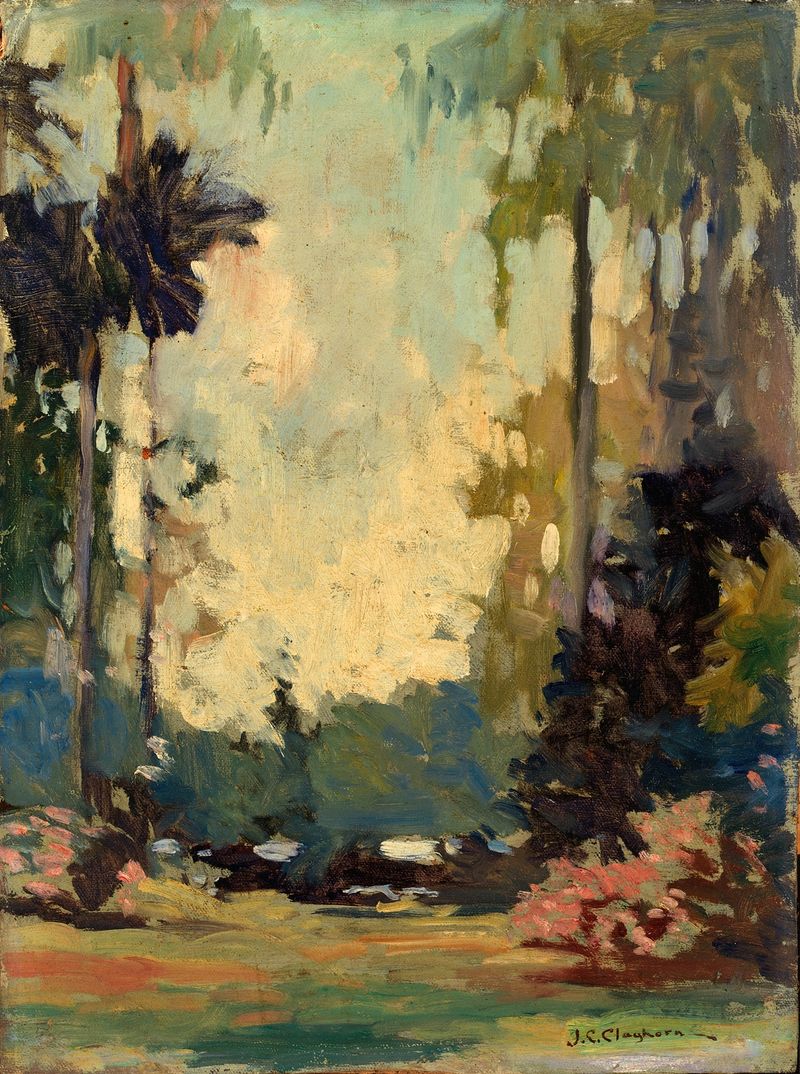
In the quiet embrace of twilight, where the horizon blurs the line between earth and sky, the past whispers through the hills. Each contour in the landscape carries fragments of time, both fleeting and eternal, inviting us to ponder the delicate balance between life and the inevitability of mortality. Look to the left at the rolling hills, their undulating forms painted with a gentle hand, each stroke a testament to the artist's devotion to the natural world. The subtle play of greens and browns, punctuated by the soft blush of distant foliage, creates a serene depth that draws the eye inward.
The sky above, awash in a delicate gradient of colors, hints at the transition between day and night, symbolizing life’s impermanence and the cycles we inhabit. In the foreground, notice the juxtaposition of vitality and stillness; a gentle breeze appears to rustle the leaves, yet the scene remains anchored in tranquility. This contrast evokes a sense of longing, as if the viewer is caught between the vibrant essence of life and the weight of time passing. Hidden behind the bucolic beauty lies a poignant reminder of the transitory nature of existence, capturing both the allure of the landscape and the shadow of mortality. Created between 1920 and 1929, this work emerged during a period when Claghorn was deeply engaged with the Transcendentalist ideas that sought to reconcile humanity’s relationship with nature.
Living in a post-World War I America marked by social change, his landscapes reflected not only a personal connection to the environment but also a collective yearning for peace and contemplation in an increasingly complex world. Claghorn’s art invites us to pause, reflect, and appreciate the fleeting beauty around us.