
Cortes Pasqualigo — History & Facts
Did the painter know this moment would outlive them? In the stillness of a void, the brush becomes a vessel for eternity, capturing the essence of existence in every stroke. Focus on the central figure, whose expression seems suspended between thought and emotion. The delicate interplay of light and shadow reveals the contours of the face, highlighting the intensity of the gaze. Notice how the muted palette envelops the scene, with earthy tones suggesting a depth of feeling and contemplation, while the background remains intentionally vague, drawing our attention to the subject’s inner world. There is a palpable tension between presence and absence in this work.
The figure's hesitant posture juxtaposes the serene yet haunting ambiance, evoking a sense of longing or regret. Each stroke reveals layers of complexity, as if the artist wrestled with the enormity of existence, leaving echoes of vulnerability that resonate beyond the canvas. Edward Millington Synge painted Cortes Pasqualigo during a time of significant artistic transition in the late 19th century, likely while grappling with the evolving styles of Impressionism and Symbolism. The absence of a specific date reflects both the ambiguity of his life and the timelessness of human experience he sought to depict.
In a world rapidly changing, his work stands as a poignant reminder of the fleeting nature of life and the enduring power of art.
More Artworks by Edward Millington Synge
Browse all →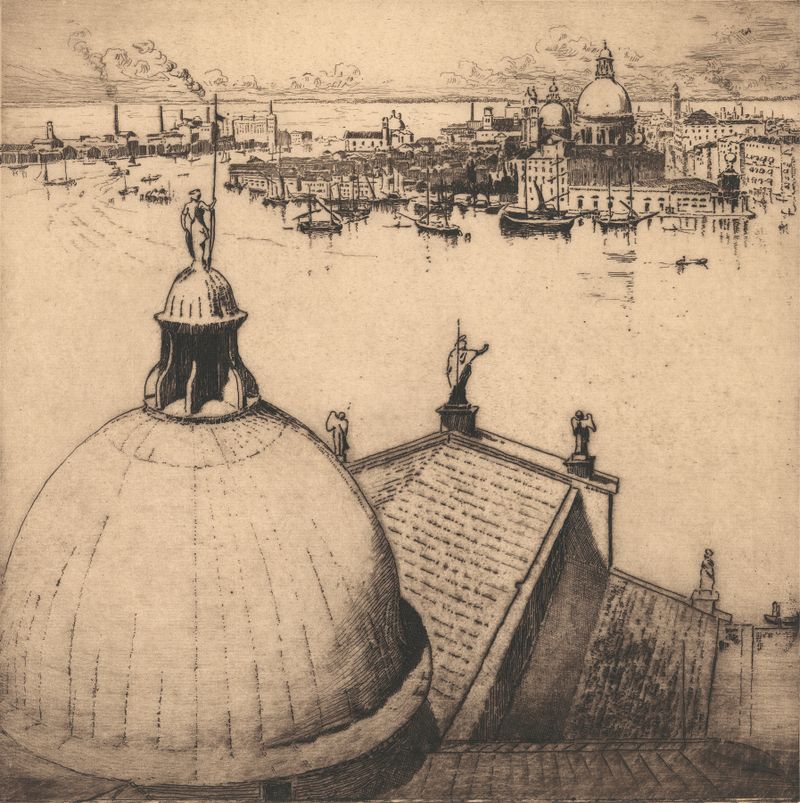
Venice from the Campanile
Edward Millington Synge
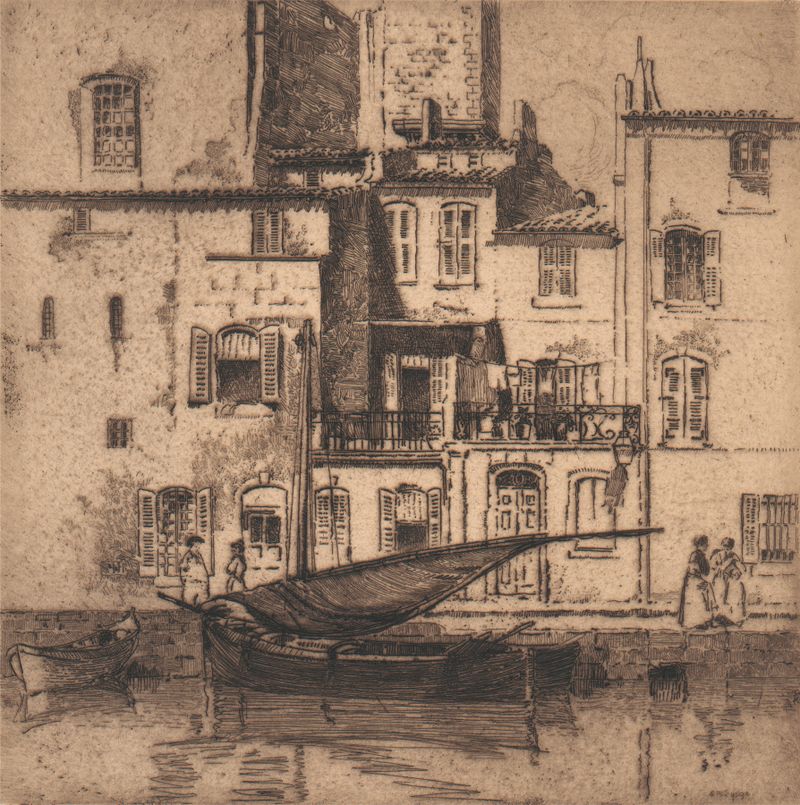
Quai St. Sebastian, Martiques
Edward Millington Synge

St. Marks, Venice, No. 1
Edward Millington Synge
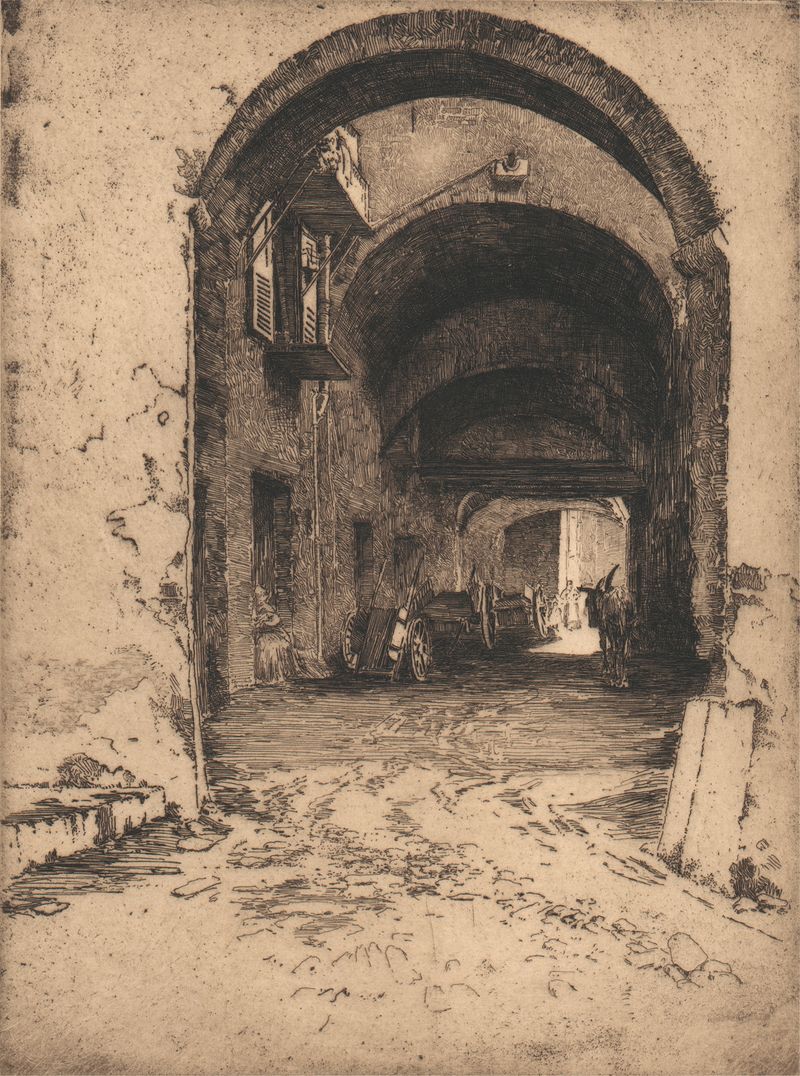
Street of the Pope’s Soldiers
Edward Millington Synge

San Giorgio Maggiore and the Salute, Venice
Edward Millington Synge

Piazza del Popolo, Rome
Edward Millington Synge
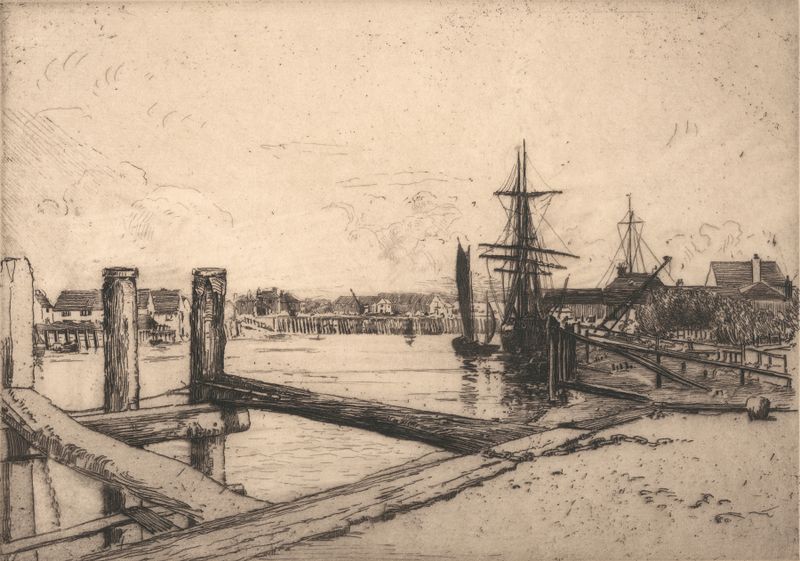
Littlehampton
Edward Millington Synge
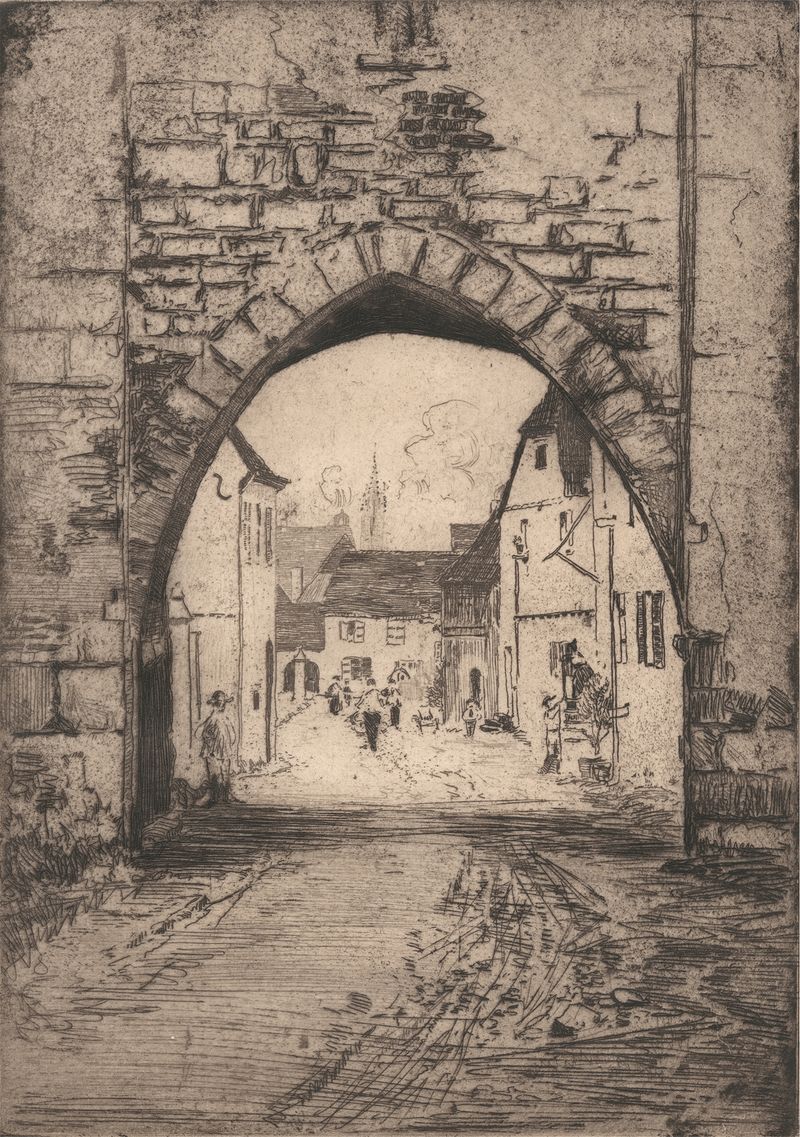
Gateway Ammerscheiner
Edward Millington Synge
More Portrait Art
Browse all →
Las meninas
Diego Velázquez

Self-portrait with a Bandaged Ear and Pipe
Unidentified artist

Girl with a Pearl Earring
Johannes Vermeer

The Sampling Officials of the Amsterdam Drapers’ Guild, Known as ‘The Syndics’
Rembrandt van Rijn

The Hundred Guilder Print: the man seen on the back in the lower left corner
Rembrandt van Rijn

Portrait of Dr Gachet
Vincent van Gogh