
Venice from the Campanile — History & Facts
Can paint confess what words never could? In the stillness of a Venetian skyline, a quiet longing echoes through the canals and rooftops, inviting contemplation and reflection. Look closely to the left at the delicate brushstrokes that render the waters of the Grand Canal, shimmering beneath a soft, golden light. The muted blues and greens intertwine with hints of ochre, suggesting an early morning embrace of the city. Notice how the buildings rise majestically, their façades bathed in that ethereal glow, while shadows deepen in the corners, hinting at untold stories hidden within the alleys. The juxtaposition of soft light and looming shadows creates a dialogue between day and night, symbolizing the transient nature of time itself.
Each structure stands not just as a mere representation of Venice but as a vessel of memory, evoking the silence that fills the air when one pauses to absorb their surroundings. The stillness in the water reflects a sense of introspection, where the observer can feel both the joy and sorrow of what once was. During the late 19th century, Edward Millington Synge painted this view of Venice at a time when the city was celebrated as a symbol of romanticism and artistic inspiration. Living in England, Synge was part of an era deeply engaged with Impressionism, capturing fleeting moments and emotions through his work.
His artistic endeavors in this period reflect a burgeoning interest in the interplay of light and atmosphere, echoing the sentiments of a world on the brink of modernity.
More Artworks by Edward Millington Synge
Browse all →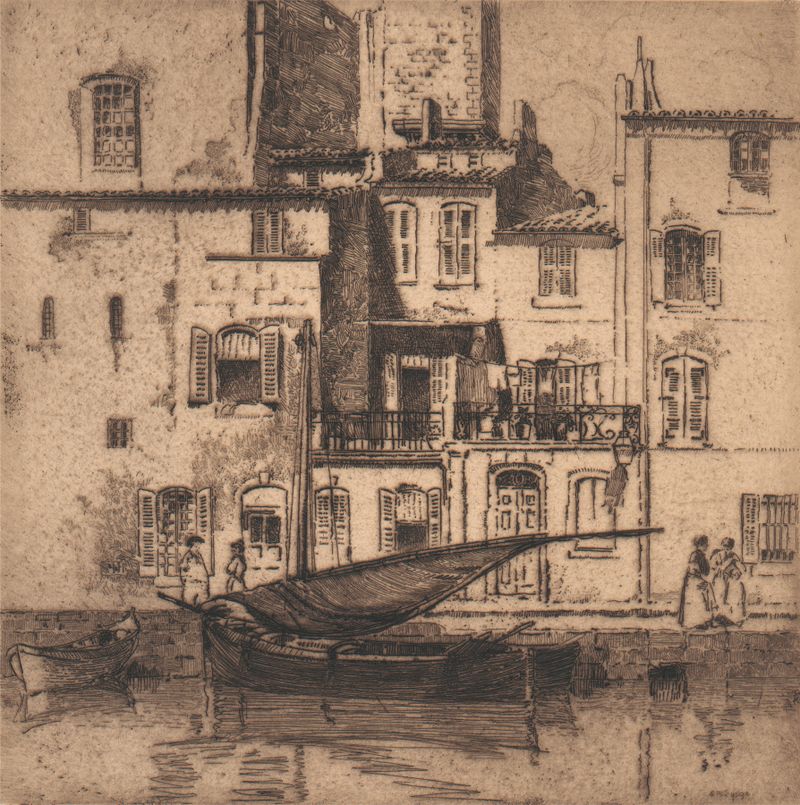
Quai St. Sebastian, Martiques
Edward Millington Synge

St. Marks, Venice, No. 1
Edward Millington Synge
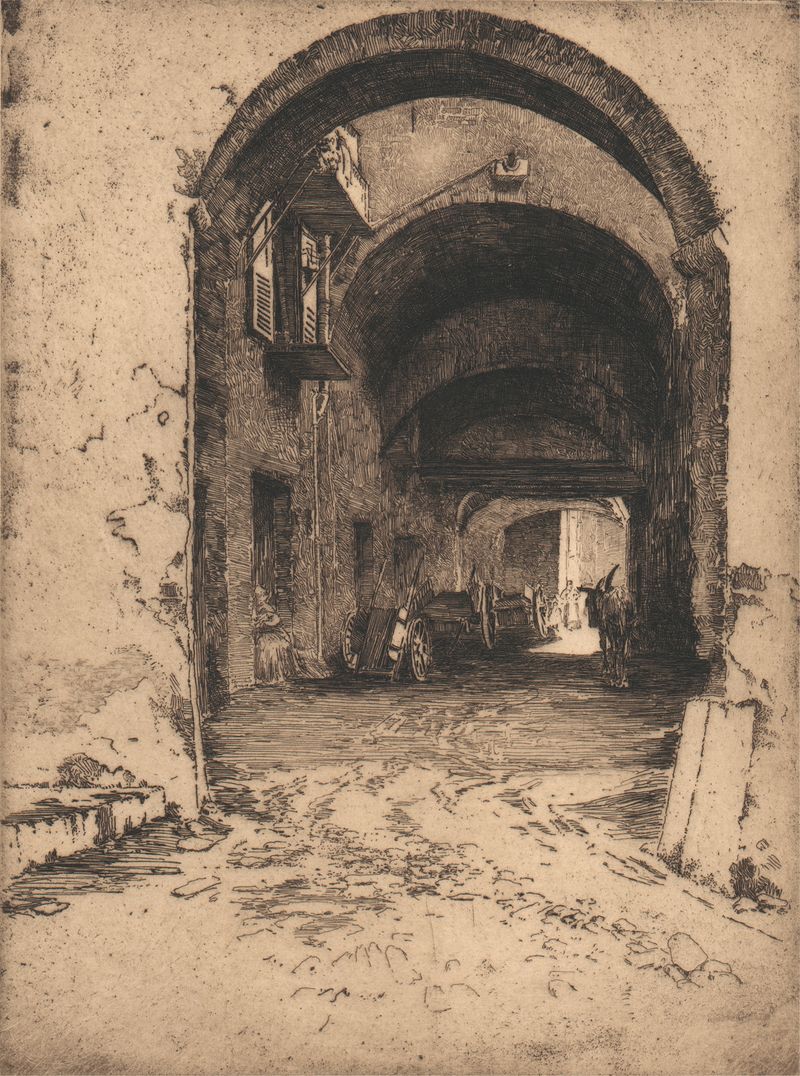
Street of the Pope’s Soldiers
Edward Millington Synge

San Giorgio Maggiore and the Salute, Venice
Edward Millington Synge

Piazza del Popolo, Rome
Edward Millington Synge
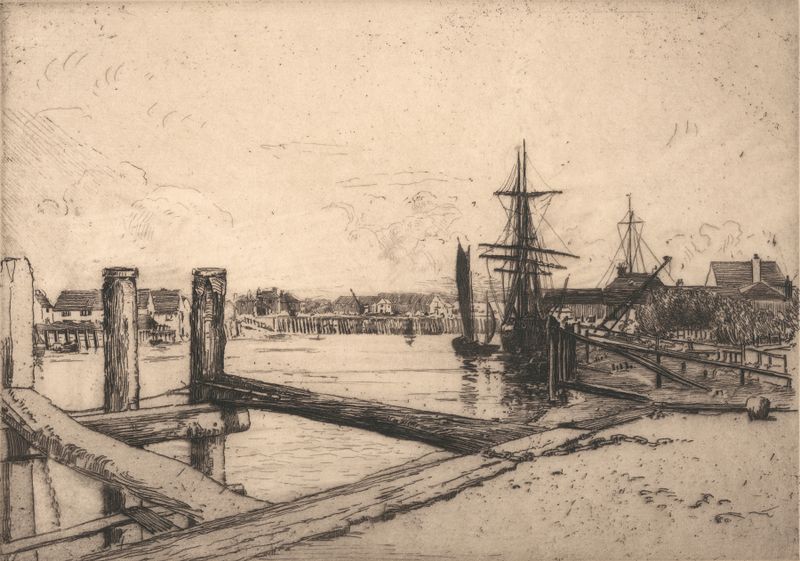
Littlehampton
Edward Millington Synge
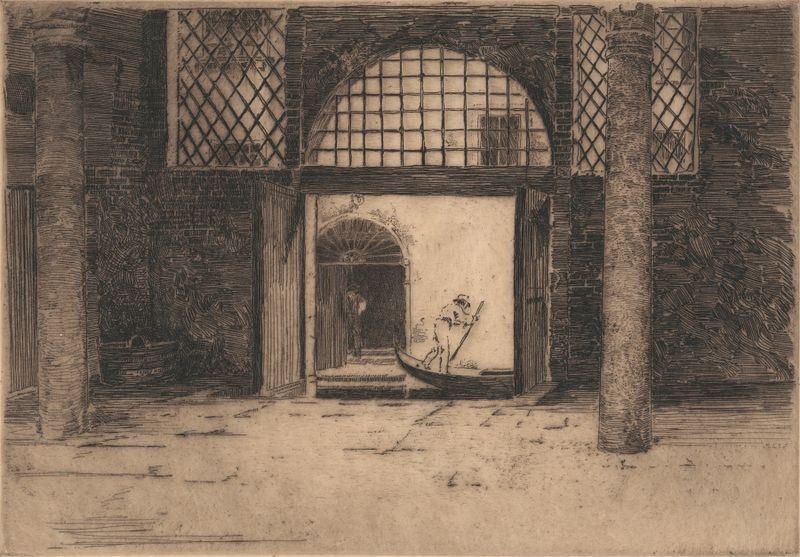
Cortes Pasqualigo
Edward Millington Synge
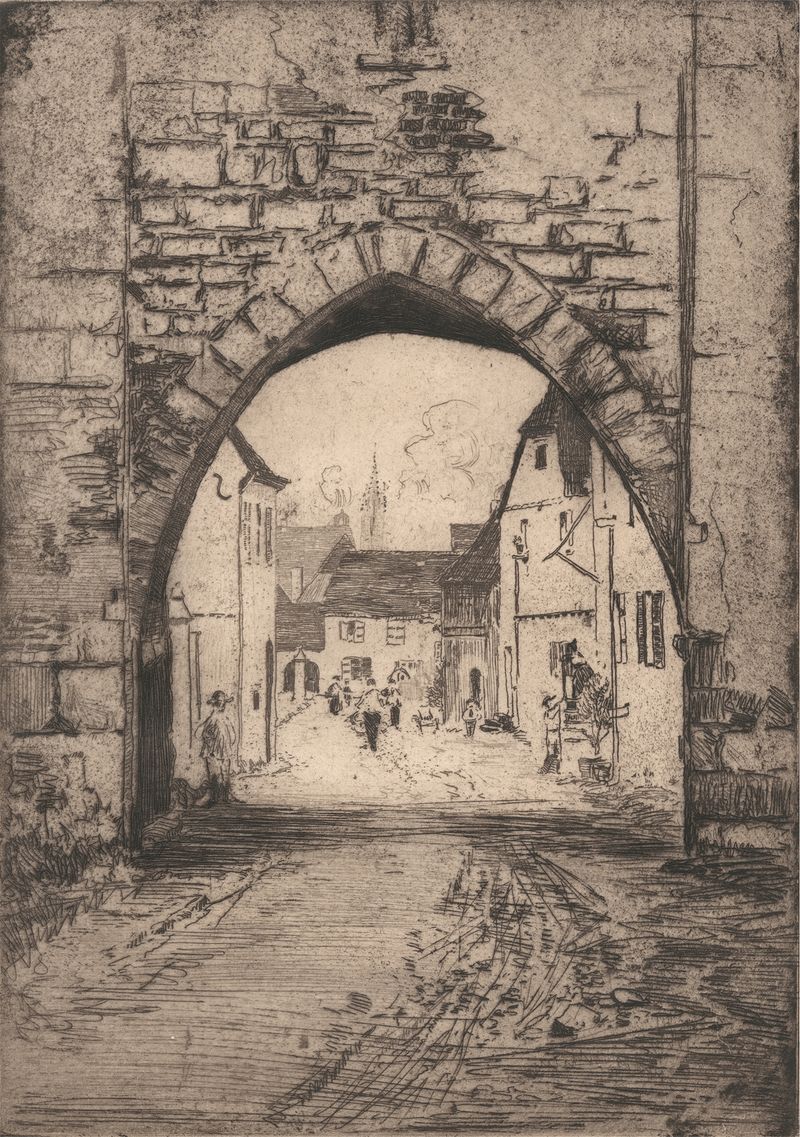
Gateway Ammerscheiner
Edward Millington Synge





