Covered ewer with moulded flower petals — History & Facts
Can beauty exist without sorrow? The question lingers like a soft echo, inviting us to examine the intricate dance between light and shadow that defines this remarkable piece. Look closely at the delicate surface of the covered ewer, where each moulded flower petal seems to breathe under a veil of soft, diffused light. The creamy texture of the ceramic is meticulously detailed, drawing the eye to the subtle variations in color that hint at the play of light across the piece. Observe how the light glances off the curves and contours, creating a gentle rhythm that leads our gaze from the base to the intricately designed lid. In this object, beauty coexists with fragility, encapsulating a fleeting moment in time.
The flower motifs express life and rebirth, yet their delicate nature speaks to impermanence and loss — a reminder that all that is beautiful may one day fade. The covered form suggests a protective embrace, yet also a sense of concealment, raising questions about what lies beneath the surface. The contrast between the ornate decoration and the simplicity of function invites viewers to contemplate the duality of existence. This exquisite ewer, created between 1009 and 1225, is an artifact from an era rich in artistic exploration but marked by sociopolitical upheaval.
The unknown artist worked within a world influenced by the burgeoning Islamic Golden Age, where craftsmanship flourished amid the shared cultures of the time. Such objects were not merely utilitarian; they were also expressions of spiritual and artistic aspiration, a reflection of the era’s quest for beauty through meticulous artistry.
More Artworks by Unknown Artist
Browse all →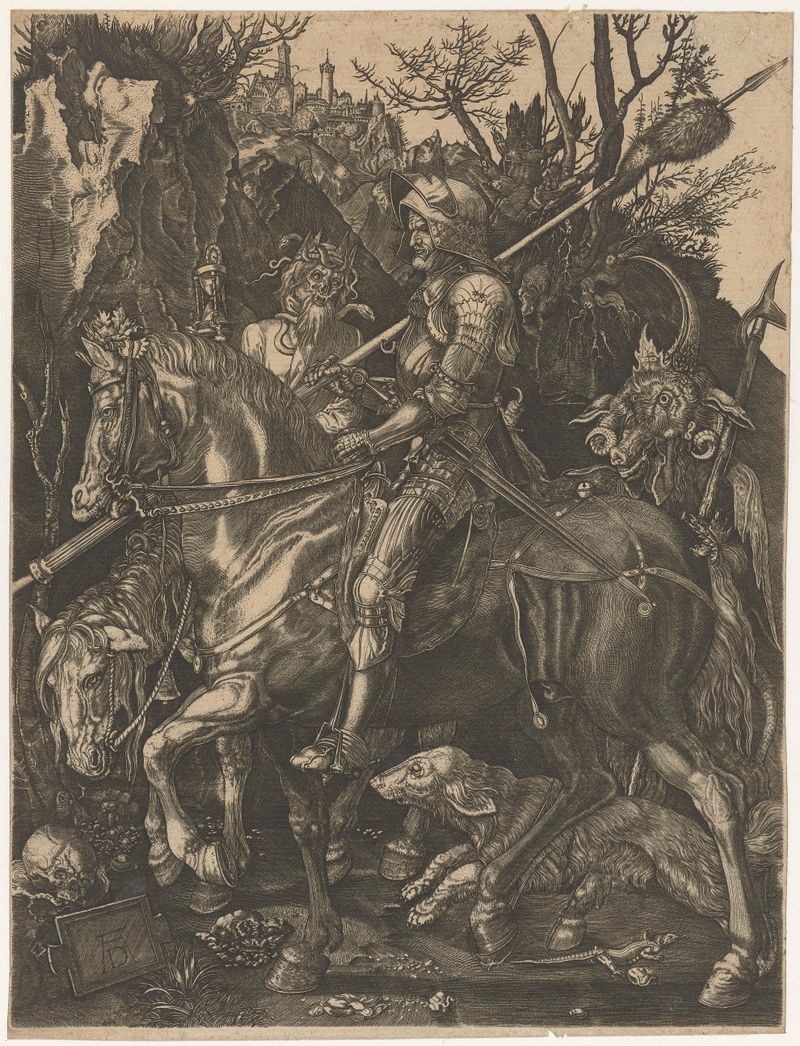
Ridder, Dood en Duivel
Unknown Artist
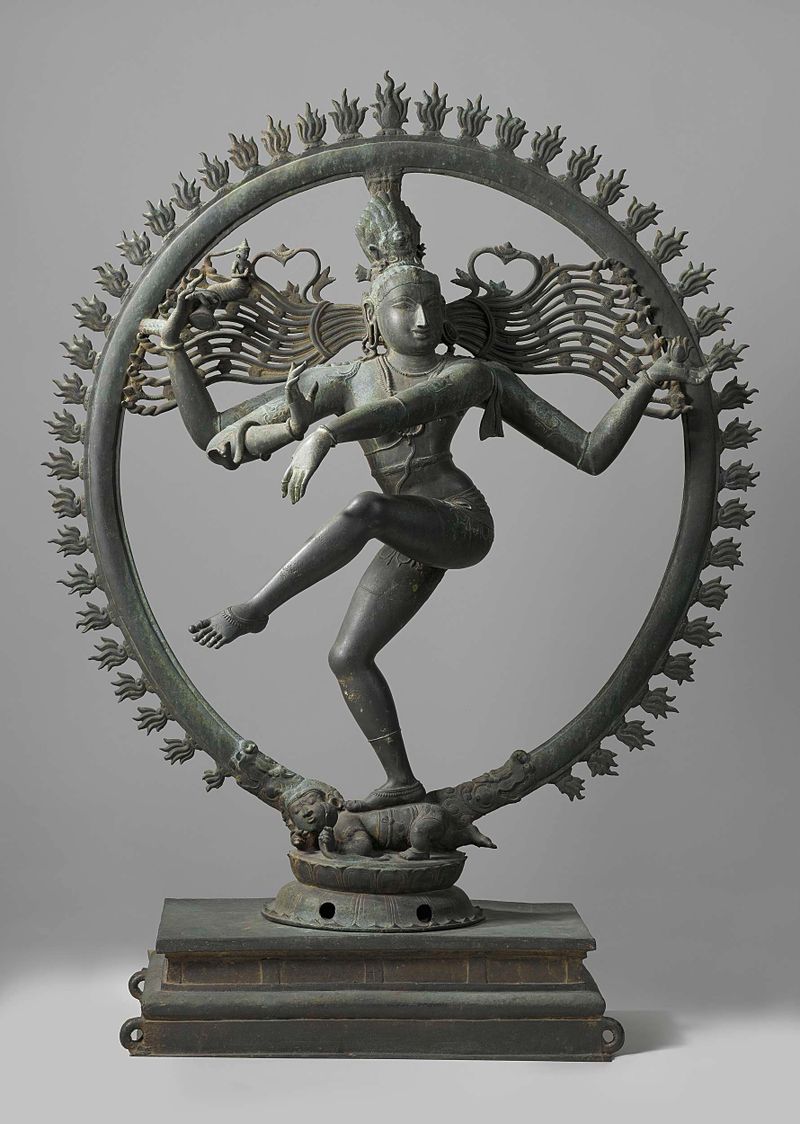
Shiva Nataraja
Unknown Artist
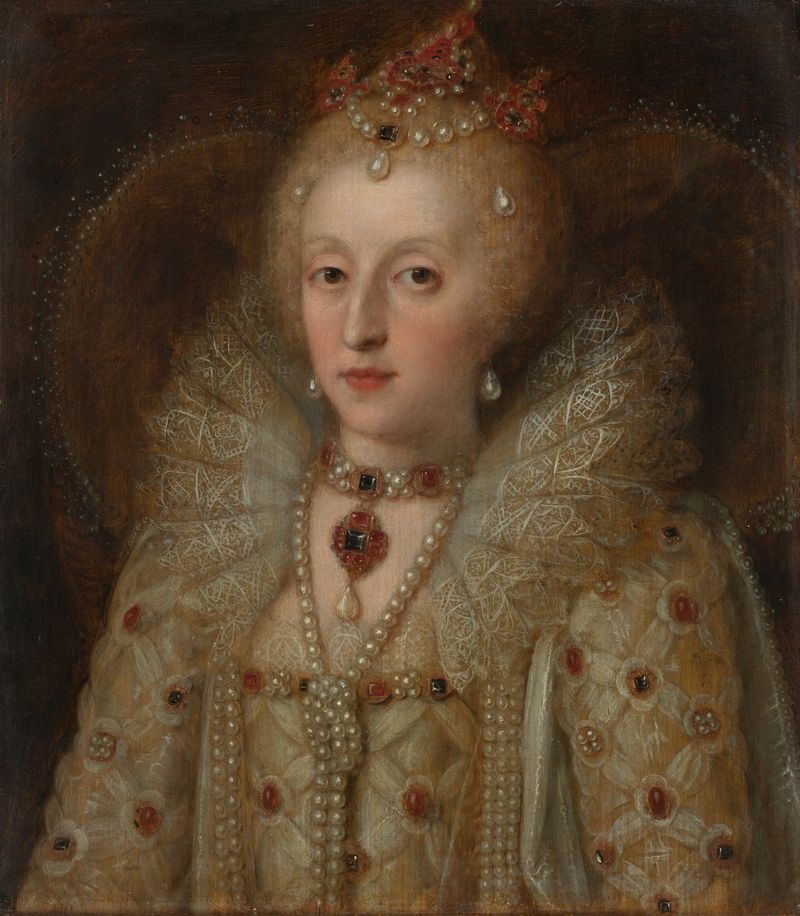
Portrait of Elizabeth I, Queen of England
Unknown Artist
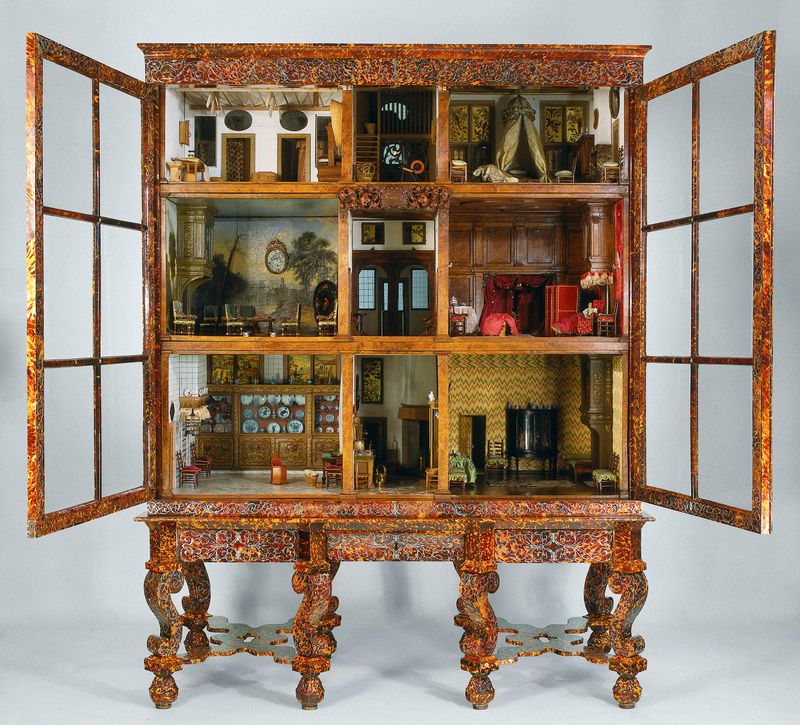
Dolls’ house of Petronella Oortman
Unknown Artist
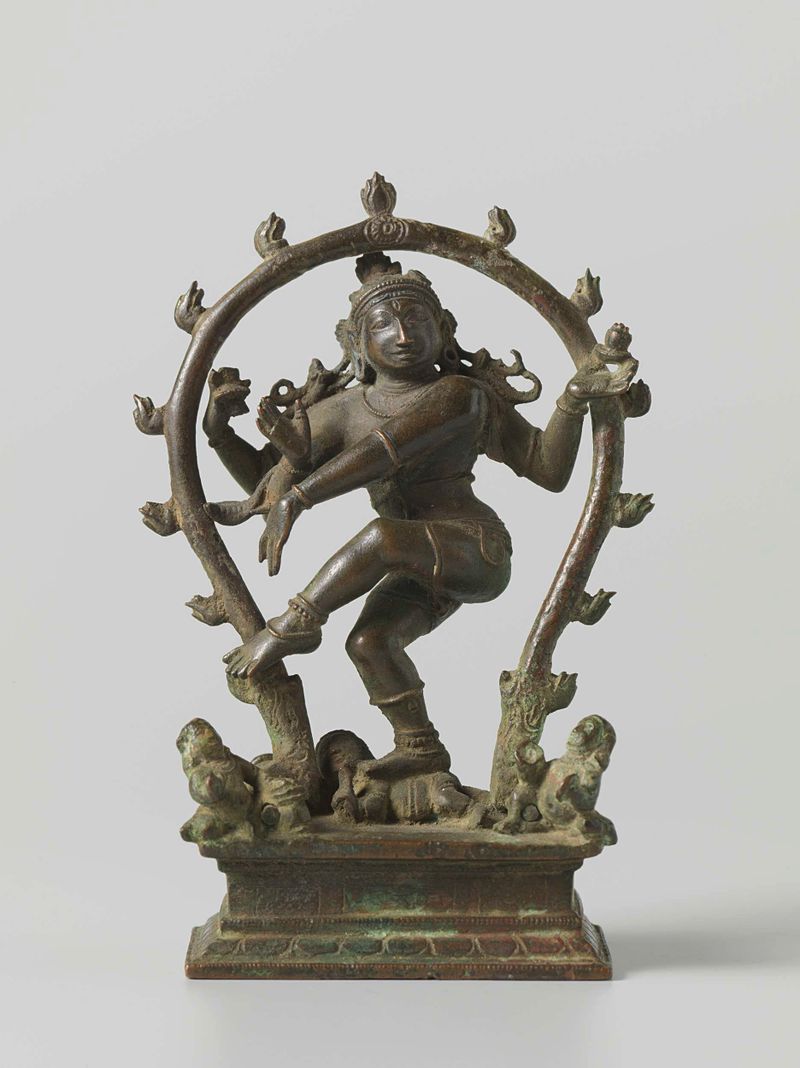
Shiva Nataraja
Unknown Artist

The Tale of Genji
Unknown Artist

The Tale of Genji
Unknown Artist
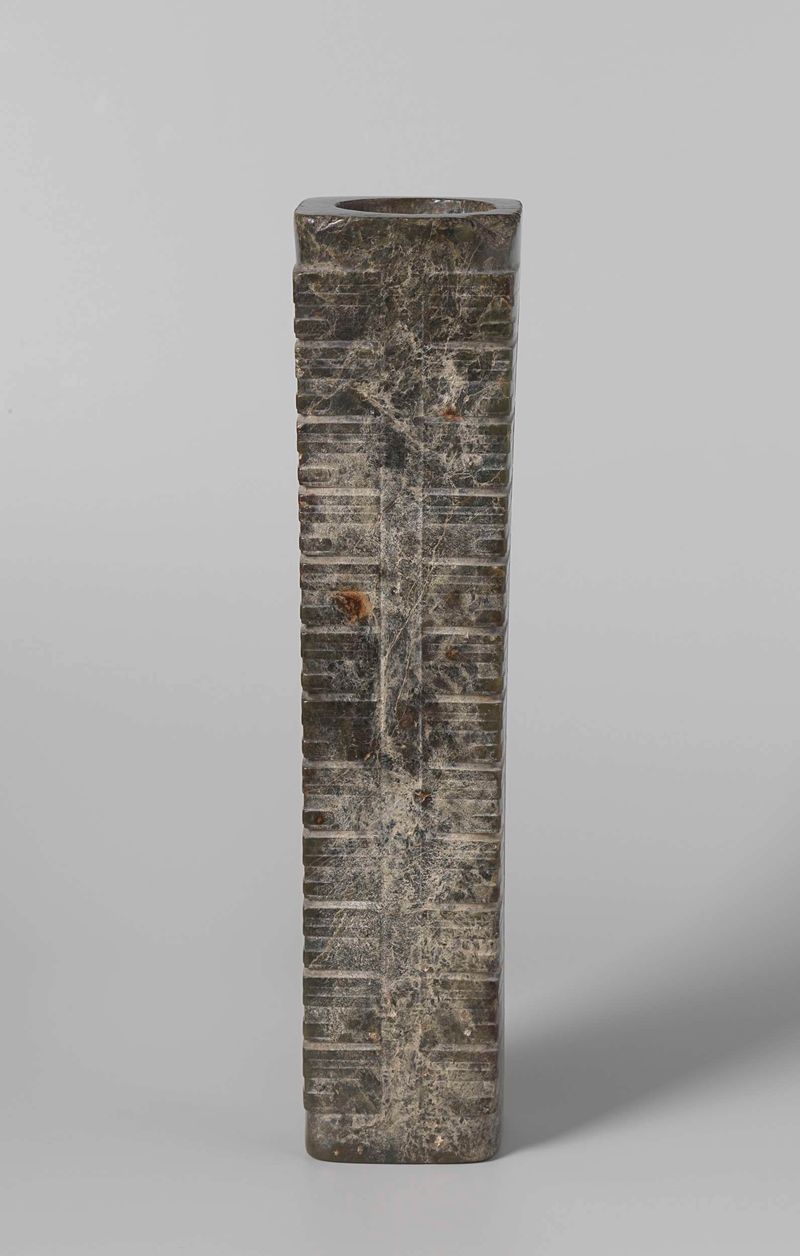
Cong
Unknown Artist
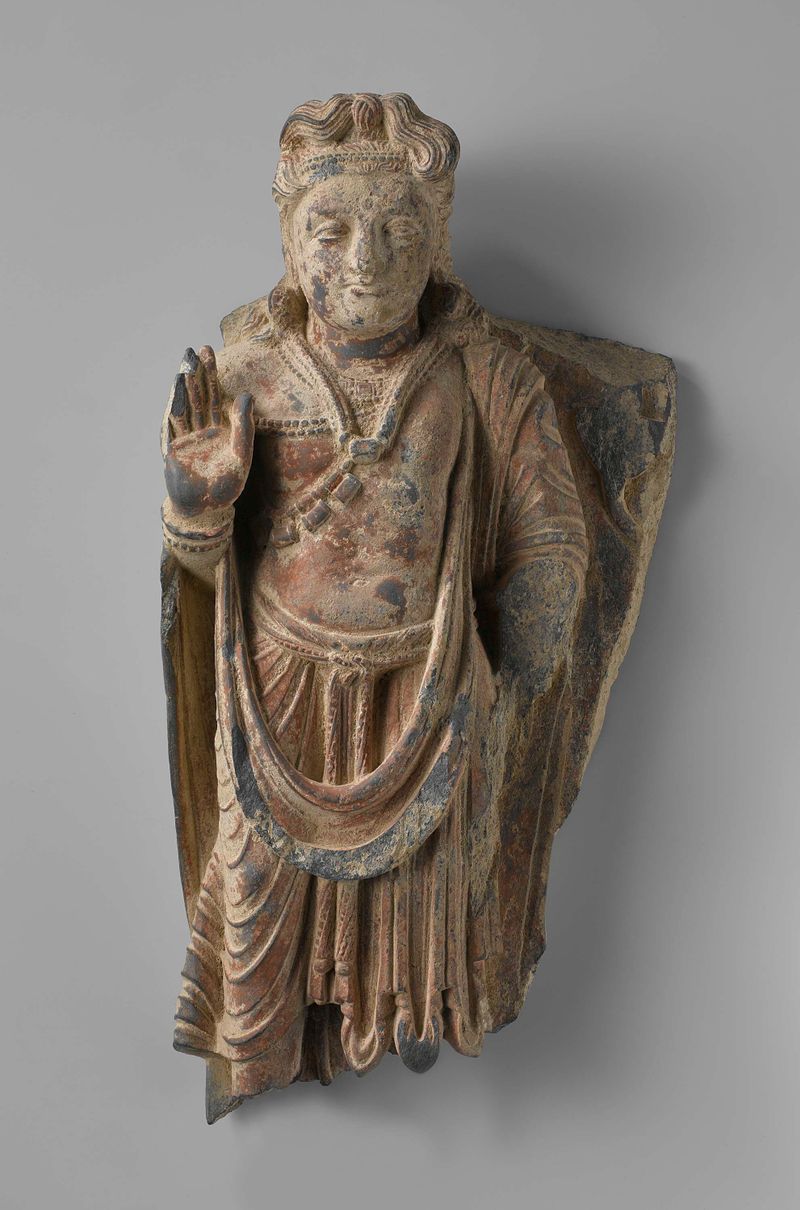
The bodhisattva Maitreya
Unknown Artist
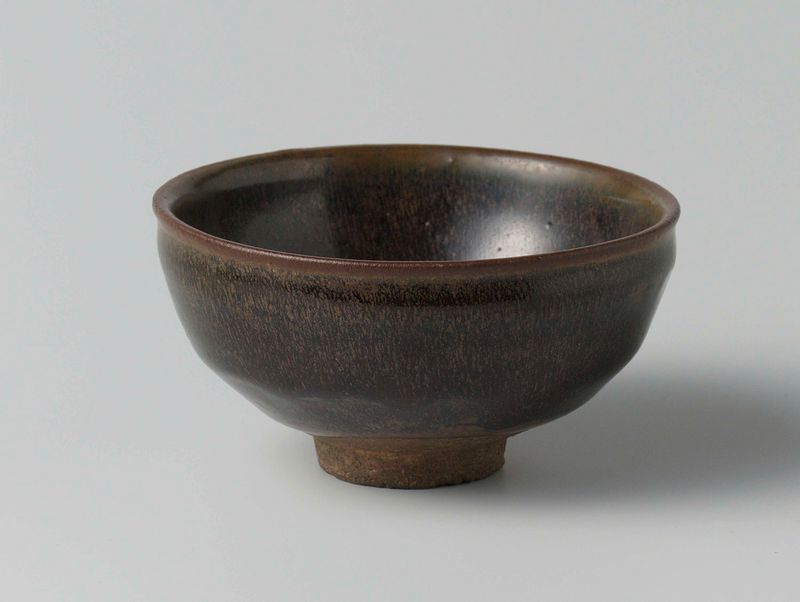
Teabowl with a 'hare's fur' glaze
Unknown Artist