
Criqueboeuf Church, Normandy — History & Facts
Who listens when art speaks of silence? In Criqueboeuf Church, Normandy, the emptiness of the scene echoes with a haunting resonance, inviting viewers to contemplate the weight of absence. Focus on the foreground, where the church stands resolute against a backdrop of muted blues and soft earth tones. Notice how the light gently bathes the structure, illuminating its weathered stones yet casting deep shadows that hint at the stories untold. The composition draws your gaze upward, where the towering spire reaches into the vast emptiness of the sky, suggesting a yearning beyond the earthly realm.
Each brushstroke reveals not just the building, but the profound solitude enveloping it. Delve deeper into the emotional landscape of the painting. The contrast between the sturdy church and the expansive, almost oppressive emptiness around it speaks of isolation and perhaps a longing for connection. The absence of human figures adds to the sense of loneliness, inviting viewers to fill the void with their own reflections.
What narratives exist in this quiet moment? What conversations linger in the silence? Each detail, from the textured stonework to the soft curves of the landscape, weaves together a profound commentary on existence and the silence that often surrounds it. Created in 1893, this work emerged during a time of significant transition in the art world, where artists began to explore themes beyond mere representation. Martin, influenced by the American landscape tradition and the Impressionist movement, sought to encapsulate the interplay of light and emotion. As he painted in Normandy, the shifting rhythms of modernity contrasted sharply with the steadfast presence of structures like the Criqueboeuf Church, encapsulating a moment suspended in time.
More Artworks by Homer Dodge Martin
Browse all →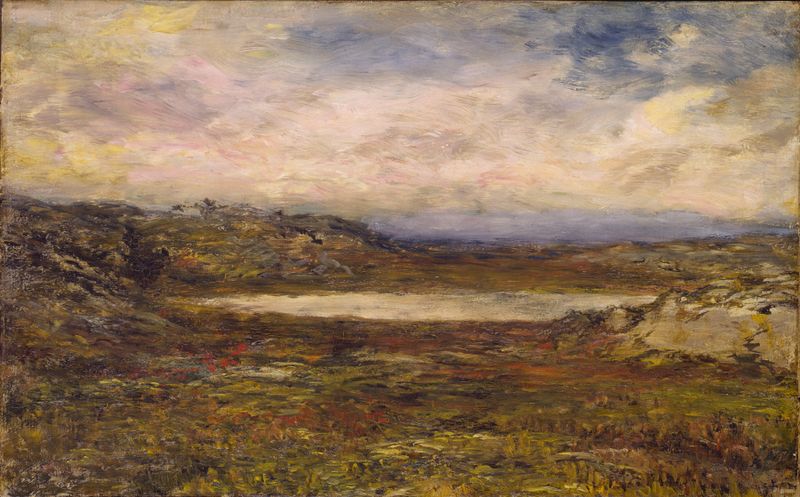
Wild Coast, Newport
Homer Dodge Martin

In the Housatonic Valley
Homer Dodge Martin
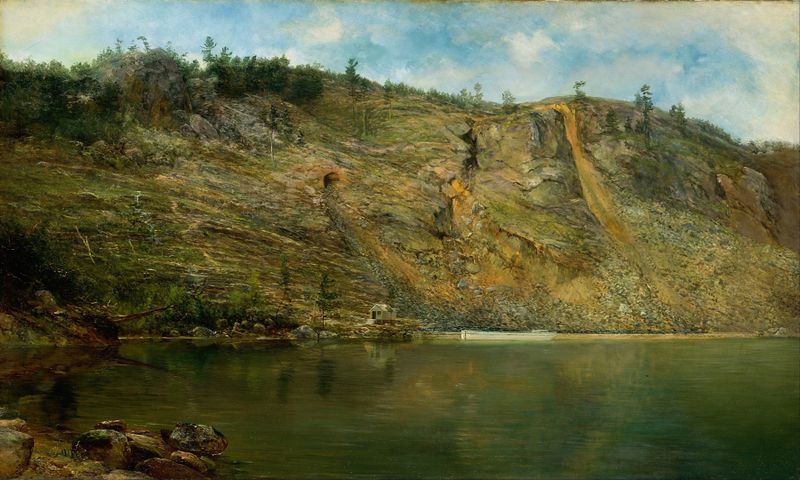
The Iron Mine, Port Henry, New York
Homer Dodge Martin
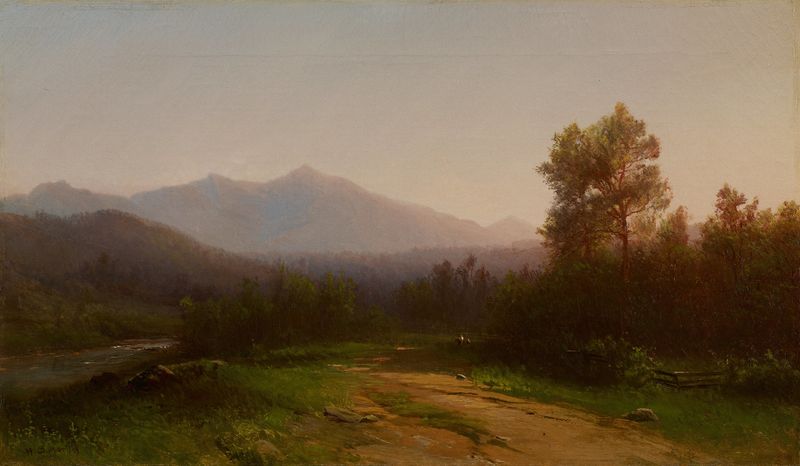
Hudson River Landscape
Homer Dodge Martin

Adirondack Lake
Homer Dodge Martin
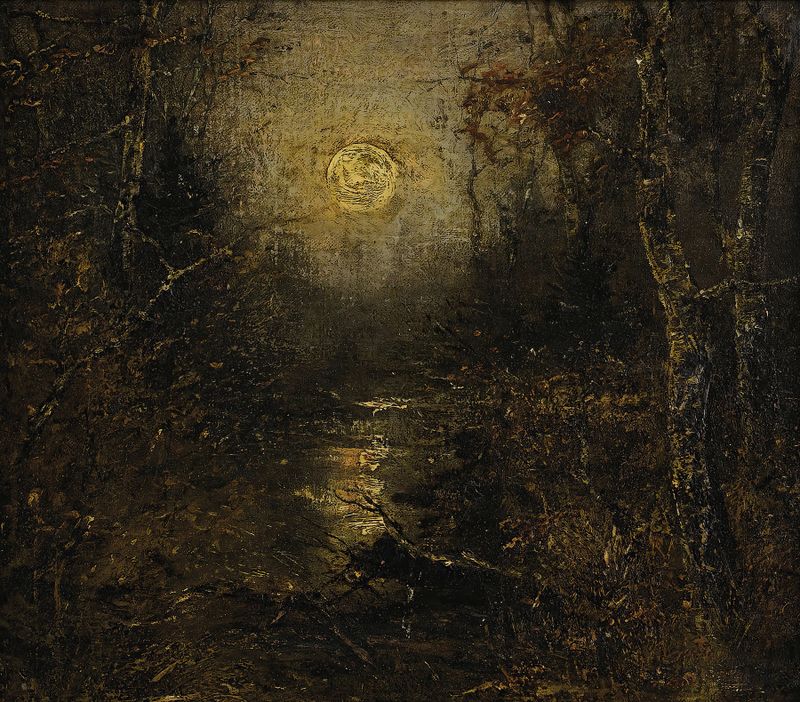
Moonlight Reflecting on Water
Homer Dodge Martin

View of the Housatonic
Homer Dodge Martin

On the Seine
Homer Dodge Martin
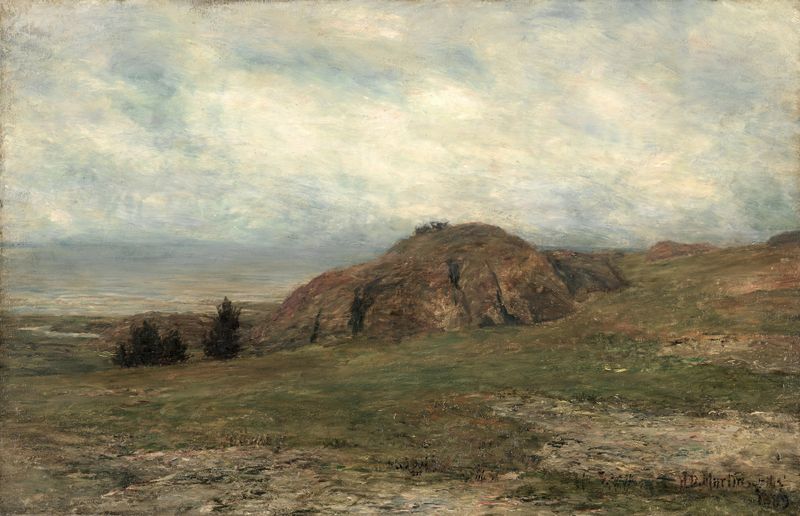
Wild Coast, Newport
Homer Dodge Martin
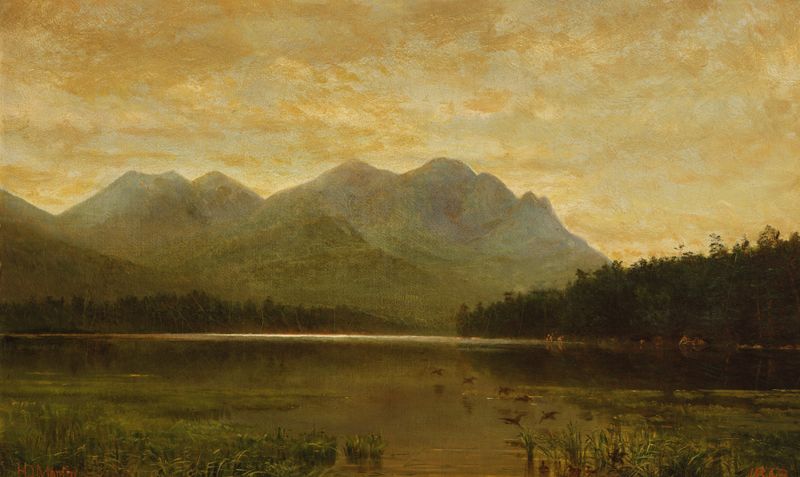
Upper Ausable Lake
Homer Dodge Martin
More Architecture Art
Browse all →
The statue of Liberty
Frédéric Auguste Bartholdi

View of Houses in Delft, Known as ‘The Little Street’
Johannes Vermeer

View of Houses in Delft, Known as ‘The Little Street’
Johannes Vermeer

The Cathedral in Rouen. The portal, Grey Weather
Claude Monet

The yellow house
Vincent van Gogh

The Church in Auvers-sur-Oise, View from the Chevet
Vincent van Gogh