
Crue de la Seine le 29 mars 1896 — History & Facts
In Crue de la Seine le 29 mars 1896, movement pulses through the canvas, capturing a moment that resonates long after the floodwaters have receded. First, focus on the swirling currents of the Seine, which dominate the foreground. The water's chaotic rhythm contrasts with the steadfast structures lining the riverbanks. Notice how the artist employs a palette of muted grays and browns, evoking the dreariness of a flooded landscape, while accents of white foam highlight the river's fury.
The brushwork is vigorous, almost frenetic, inviting the viewer to feel the tension and urgency inherent in the flooding scene. Delving deeper, consider how the water’s tumult mirrors the emotional landscape of those affected by the disaster. Every building partially submerged becomes a silent witness to loss, yet their steadfastness suggests resilience. The interplay of light and shadow across the waves indicates fleeting moments of hope amidst despair, reminding us that even in the face of catastrophe, life continues to ebb and flow. In 1896, Mouren painted this work during a tumultuous time in France, marked by both natural and social upheavals.
The flood of the Seine was a significant event, drawing public attention and reshaping the community’s relationship with nature. As industrialization transformed urban life, Mouren’s representation reflects a moment where the past's serenity clashes with the present's chaos—a poignant commentary on the struggles of the time.
More Artworks by Henri Laurent Mouren
Browse all →
La Seine au Pont-Neuf lors de la crue de 1896
Henri Laurent Mouren
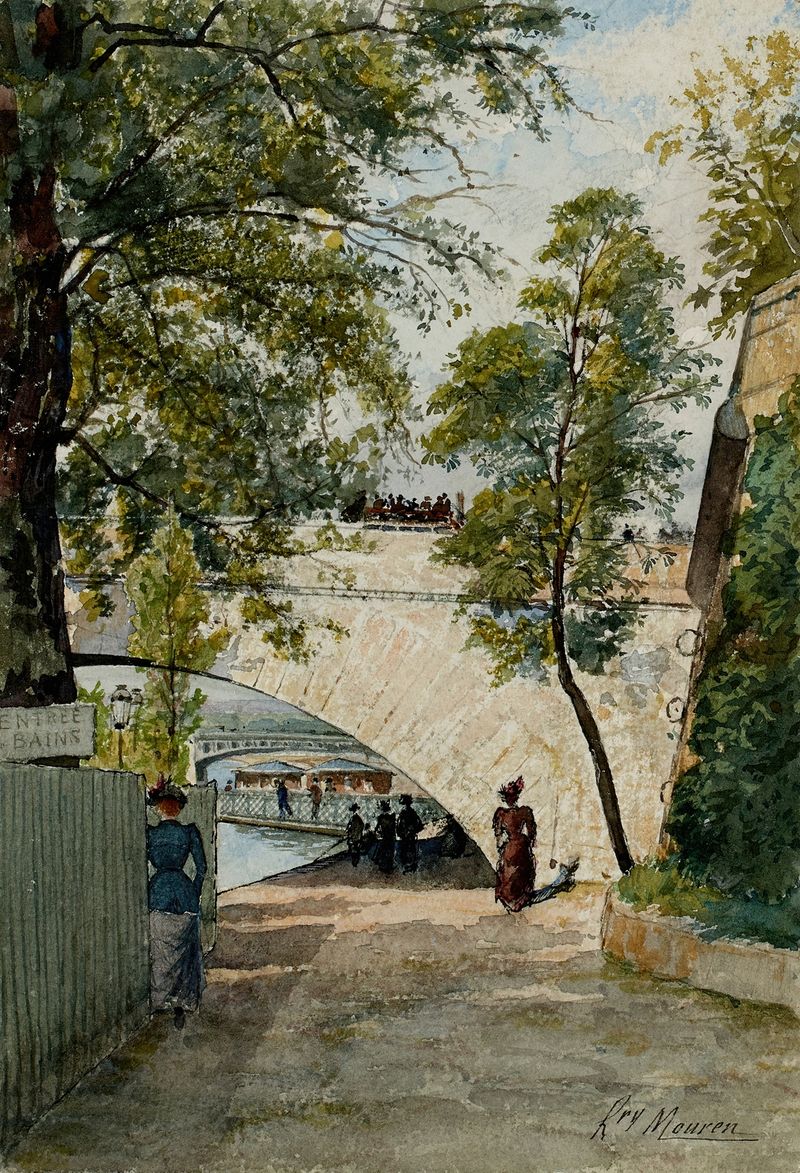
Vue de la berge de la Seine sous une arche du pont Royal
Henri Laurent Mouren
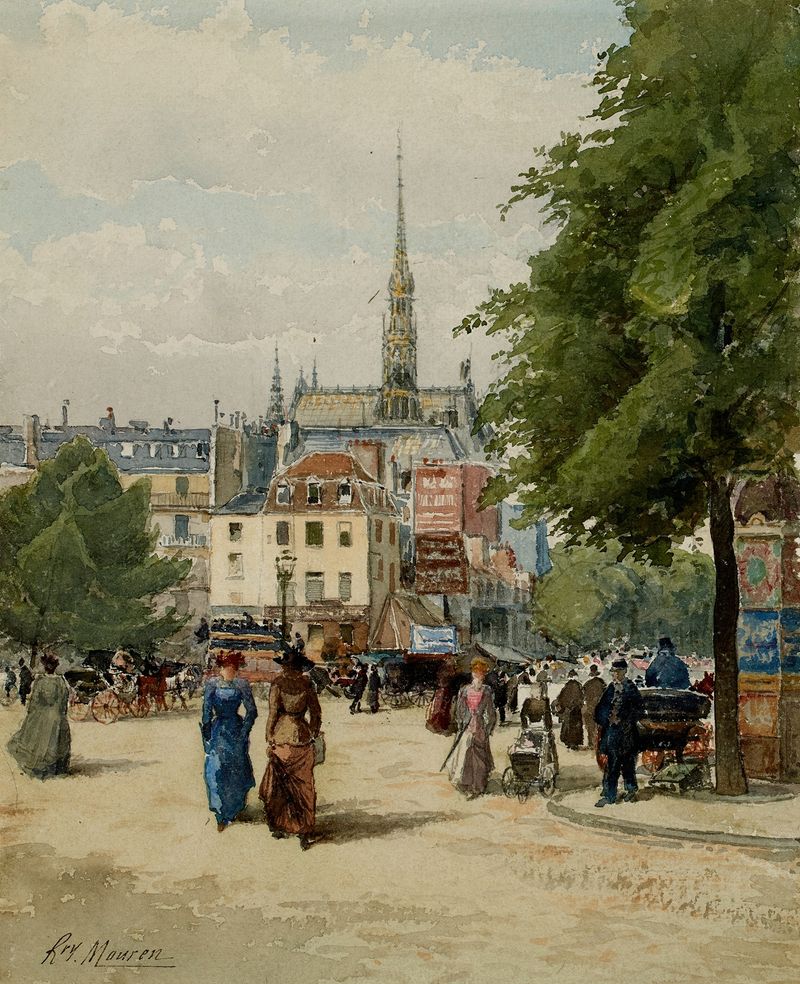
Place Saint-Michel
Henri Laurent Mouren
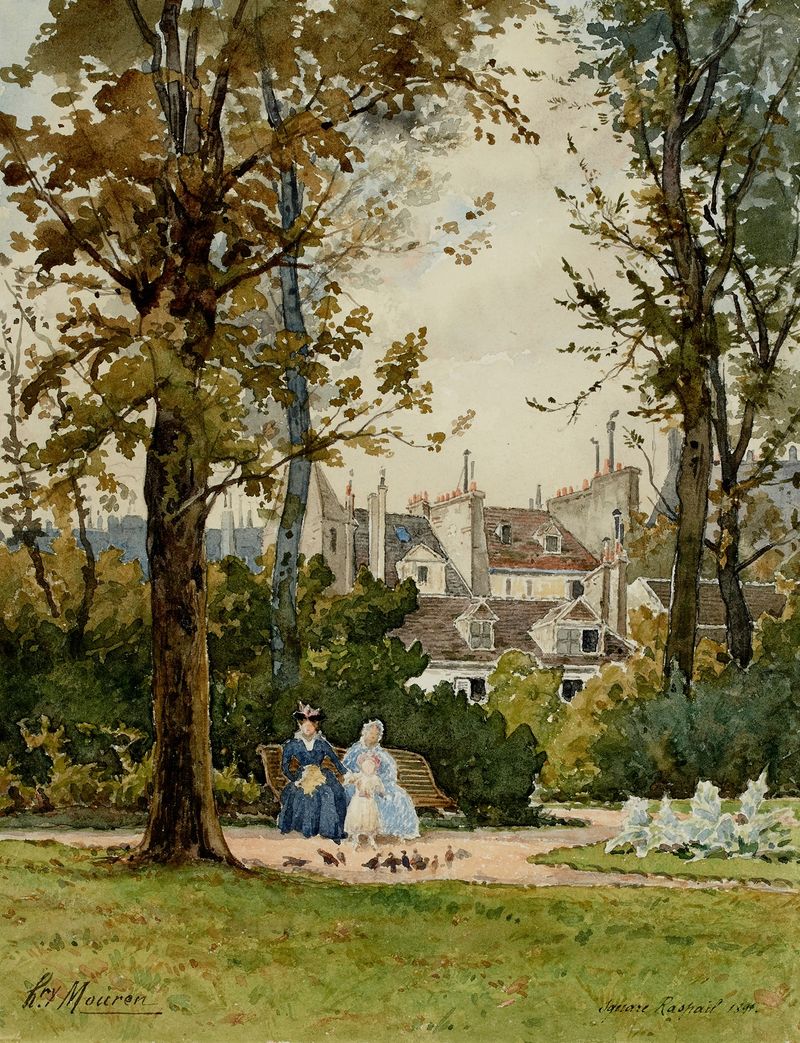
Square Raspail
Henri Laurent Mouren

Le pont Sully
Henri Laurent Mouren

Couvent des Oiseaux
Henri Laurent Mouren
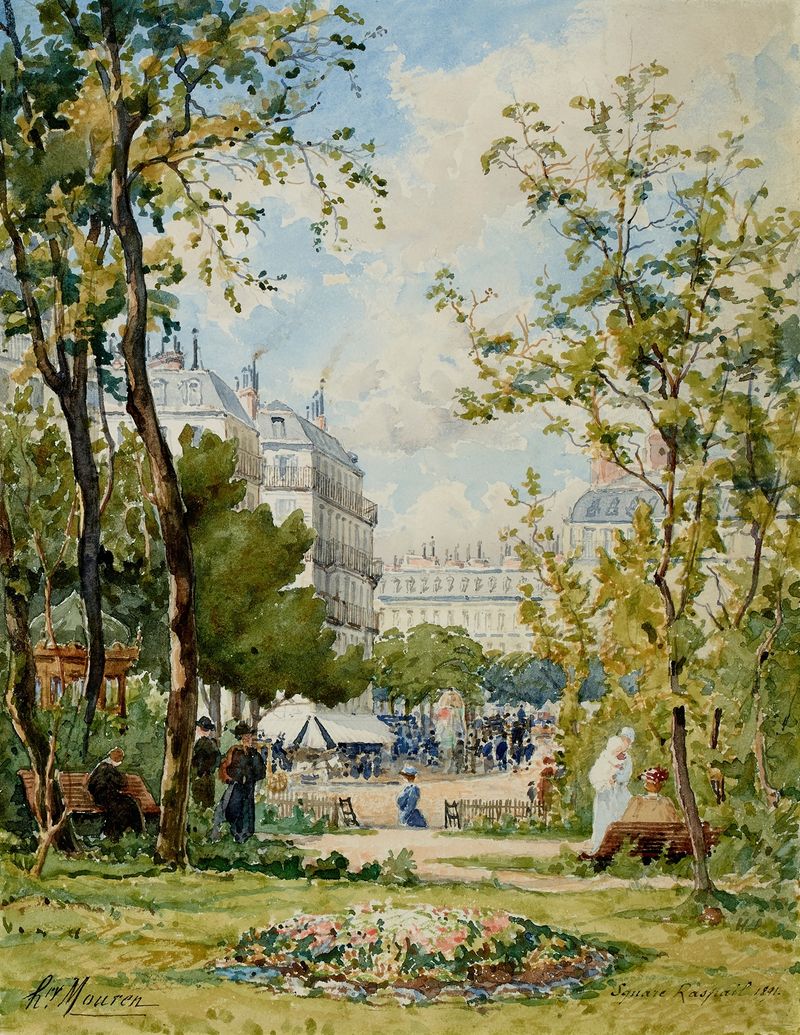
Square Raspail
Henri Laurent Mouren
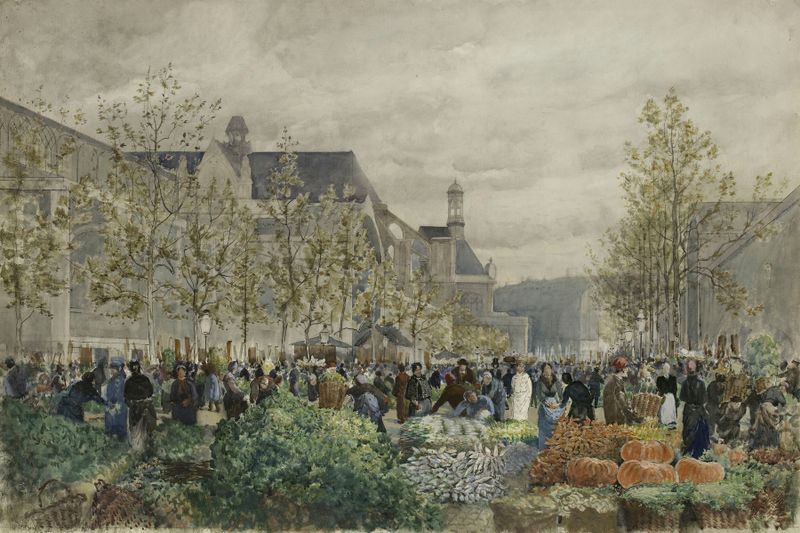
Les halles
Henri Laurent Mouren
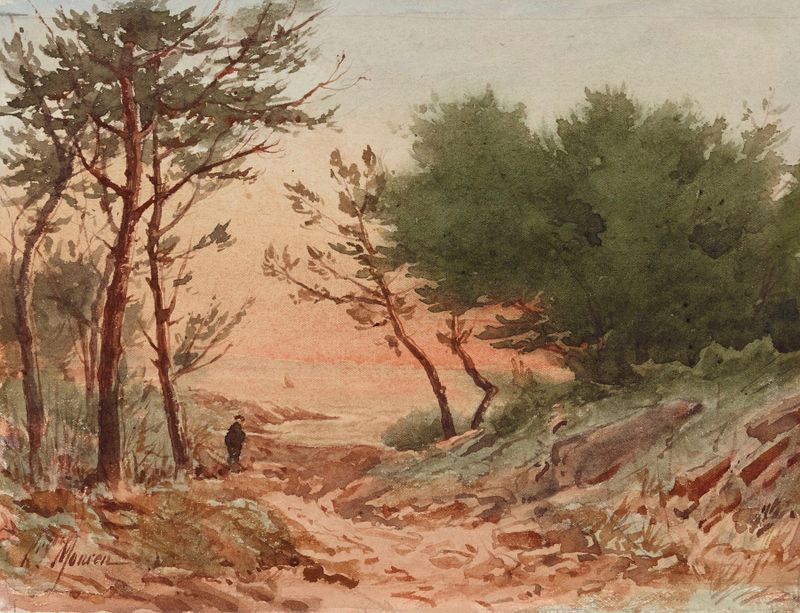
Paysage
Henri Laurent Mouren
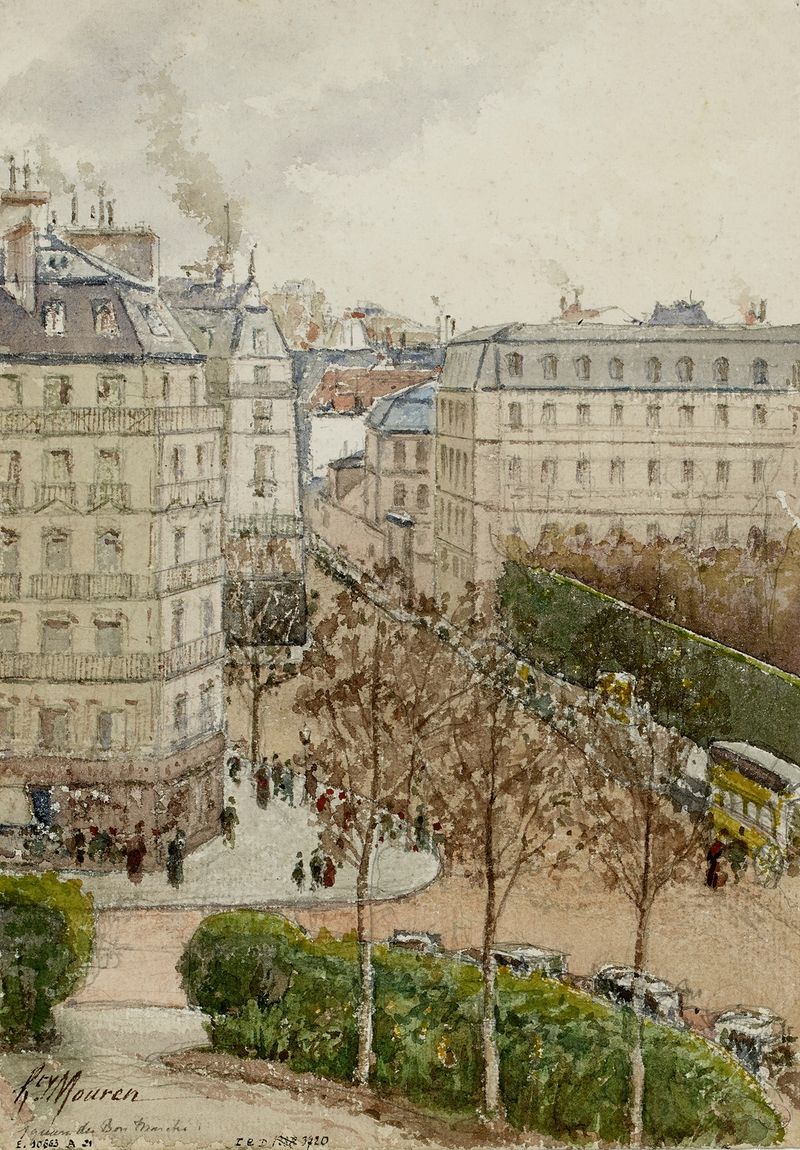
Square du Bon Marché, rue de Sèvres
Henri Laurent Mouren





