Côtes de Belleville — History & Facts
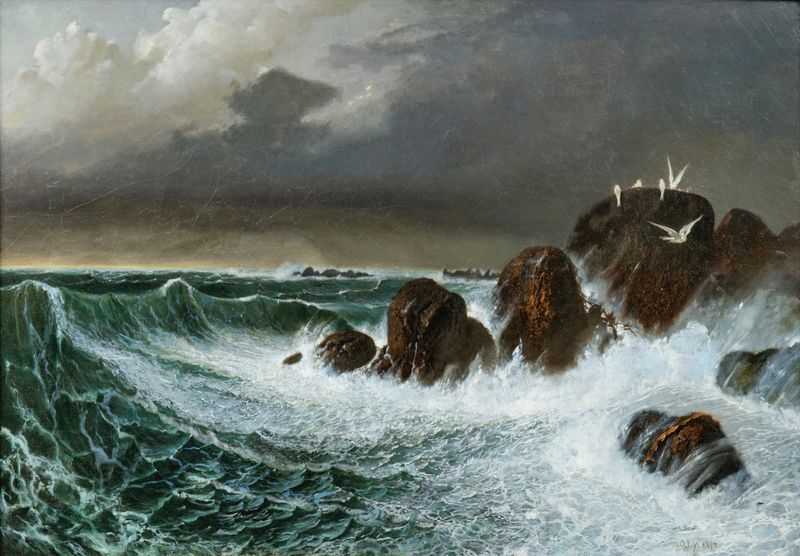
In Côtes de Belleville, the essence of solitude breathes through the canvas, inviting a deeper reflection on existence and isolation. Look to the left at the sweeping hills that roll gently into the horizon, bathed in a soft, golden light. The brushstrokes are fluid yet precise, capturing the rhythm of the landscape with an almost musical quality. Notice how the muted greens and earthy browns blend together, creating a sense of harmony while simultaneously evoking a quiet melancholy.
In the foreground, a solitary figure stands, dwarfed by the vastness of nature, their posture a testament to contemplative solitude. The emotional tension unfolds through the juxtaposition of vibrant colors and the stillness of the scene. While the landscape flourishes under warm sunlight, the lone figure embodies a poignant contrast — a silent sentinel amidst the vivacious world. This dichotomy evokes feelings of longing, prompting the viewer to ponder the deeper connections between nature, human experience, and solitude.
The emptiness surrounding the figure accentuates not only their isolation but also the universality of the human condition. Octave Penguilly-L'haridon painted Côtes de Belleville in 1868, during a transformative period in the art world as realism began to assert itself against the earlier romantic ideals. Living in France, he was influenced by the burgeoning movement that sought to depict everyday life with sincerity. As artists turned their gaze towards the ordinary and the unadorned, this work stands as a reflection of both the artist’s unique voice and the wider artistic shifts of his time.