Cycle — History & Facts
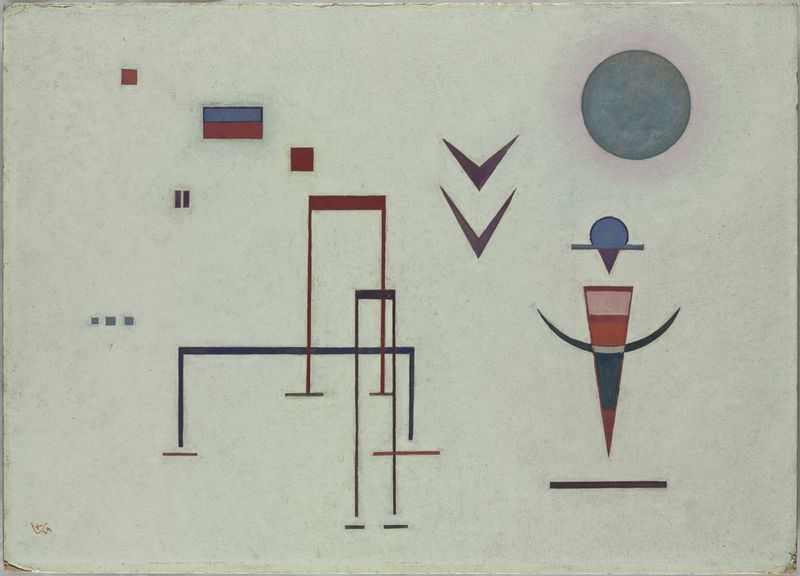
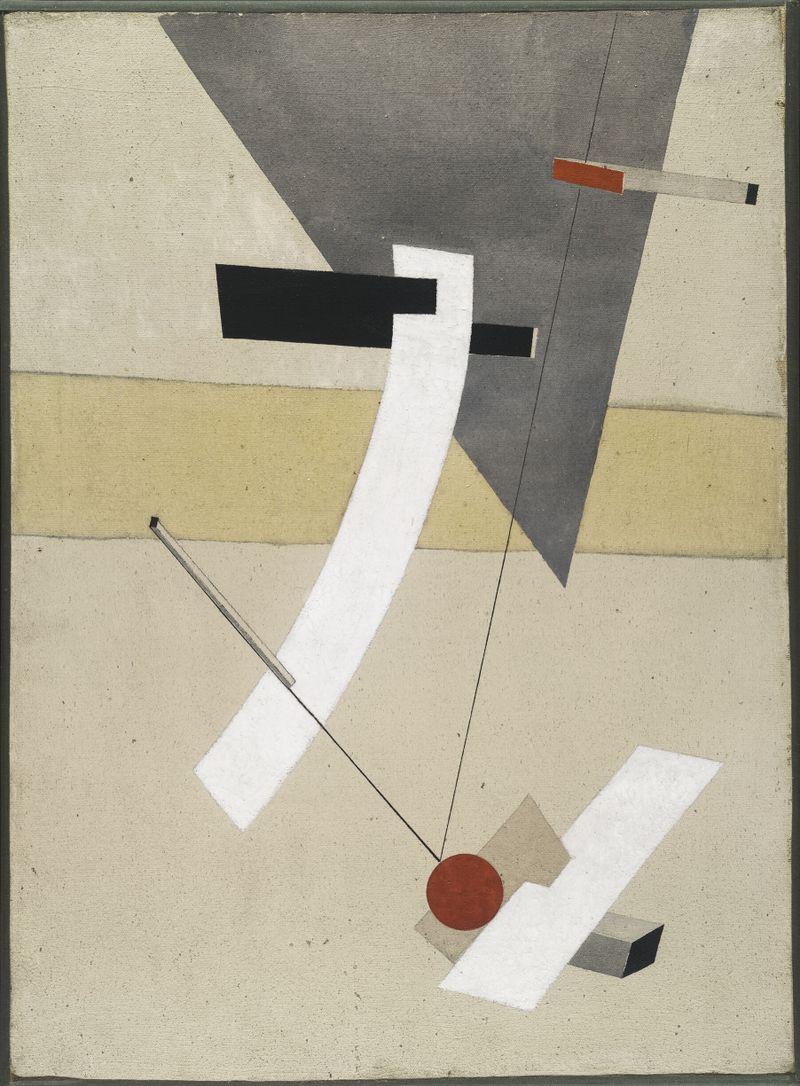
What if silence could speak through light? The stillness of emptiness resonates in Cycle, capturing the profound weight of loss and absence. Focus on the central circular form, where muted grays and whites cascade like whispers against a stark backdrop. The careful interplay of shadow and light draws the eye, guiding you around the curvature, revealing the subtle texture that hints at the artist’s hand. Each brushstroke seems to pulse, as if the painting breathes in the space around it, inviting you to contemplate the cycle of life and the voids that linger within. In the outer edges, hints of color emerge, suggesting the remnants of what once was—echoes of vibrant existence now dulled by time.
This juxtaposition speaks to the tension between presence and absence, while the circular motif suggests continuity, even in loss. The stillness is not merely an end; it is a reflection on the cycles that define our existence, compelling viewers to confront their own experiences of grief and renewal. Walter Kurt Wiemken created Cycle in 1940 during a tumultuous period marked by personal loss and societal upheaval. Living in Germany, he faced the despair of World War II's impact on the art world and personal lives alike.
This piece embodies a moment of introspection, where the artist channels his experiences into a meditation on the complex nature of existence, grappling with the tensions of life’s inevitable transitions.