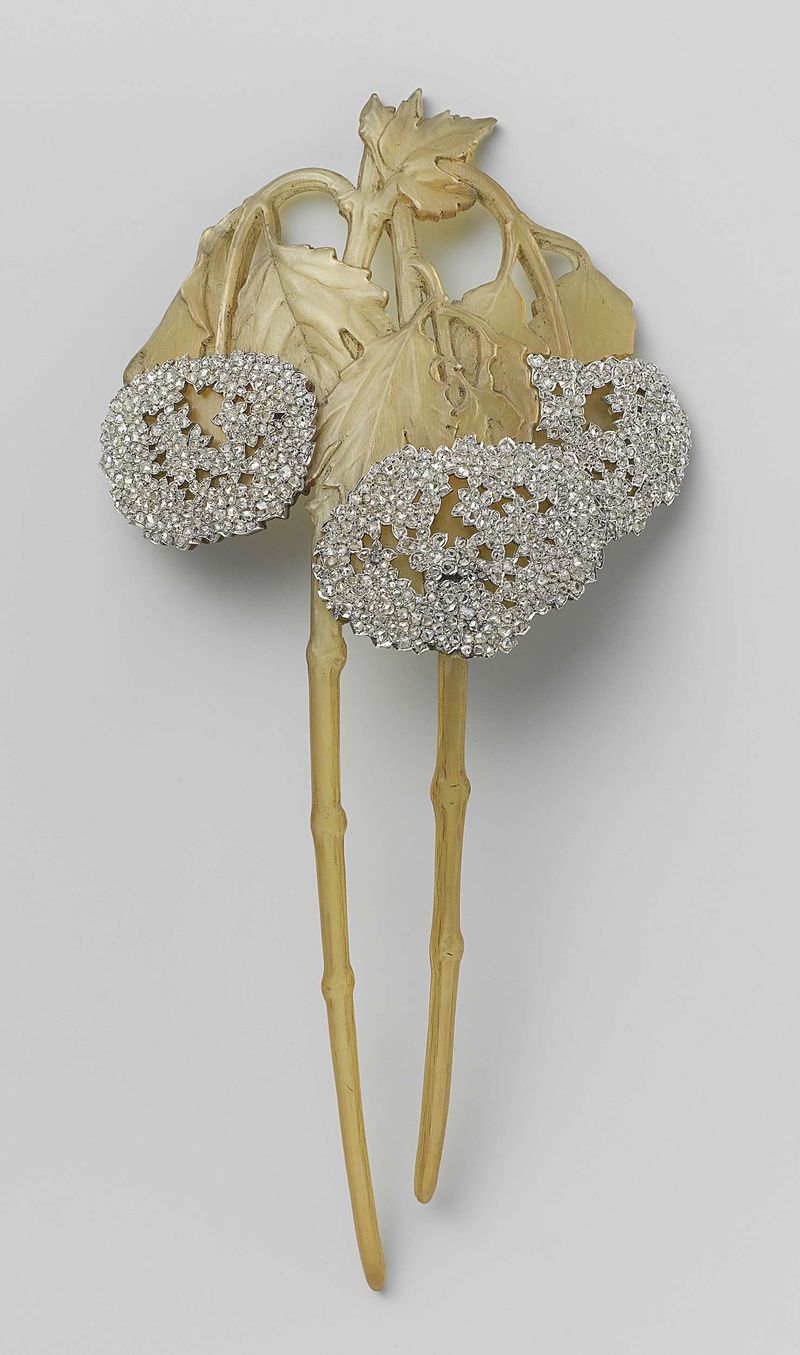
Das of mutsenslip van kloskant met twee vioolvormige medaillons — History & Facts
When did color learn to lie? A memory etched in delicate threads, revealing truths that are both vivid and elusive. Focus on the intricate lacework, where each thread seems to whisper secrets of a bygone era. Notice how the two violin-shaped medallions emerge from the delicate pattern, drawing the eye with their graceful curves. The subtle interplay of whites and creams creates a soft glow, inviting viewers to trace the contours, while the craftsmanship highlights the artist's meticulous attention to detail. Hidden within the fabric are reflections of nostalgia and fleeting moments, where each knot tells a story of love, loss, or celebration.
The use of negative space enhances the emotional weight, as the emptiness between the threads captures the longing for connection. This juxtaposition of solidity and fragility evokes memory itself—an interplay of clarity and obscurity, suggesting that while memories can seem tangible, they often slip away like fine lace through fingers. Created between 1850 and 1860, this piece represents a time when lace-making was both an artistic endeavor and a domestic craft. The unknown artist worked amidst a period of artistic transition, as European artists began exploring new techniques and materials.
This era saw the rise of sentimentalism, where works were infused with emotional depth, reflecting the complexities of human experience, an ethos palpable in this exquisite textile.
More Artworks by Unknown Artist
Browse all →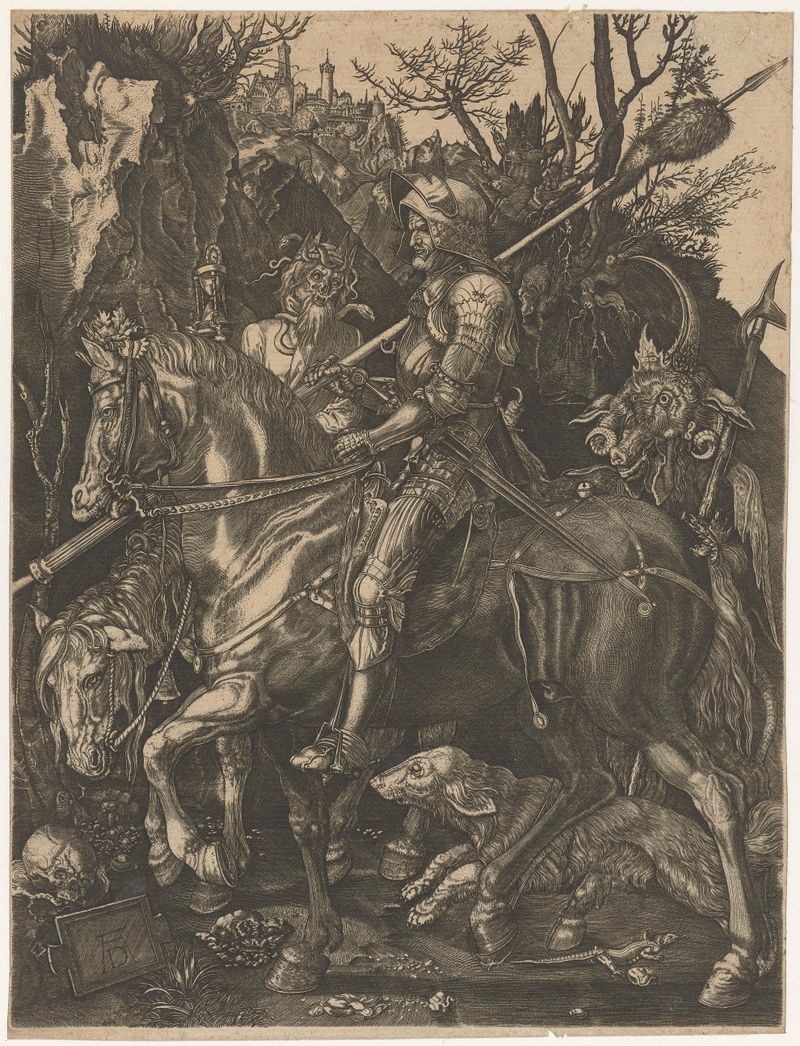
Ridder, Dood en Duivel
Unknown Artist
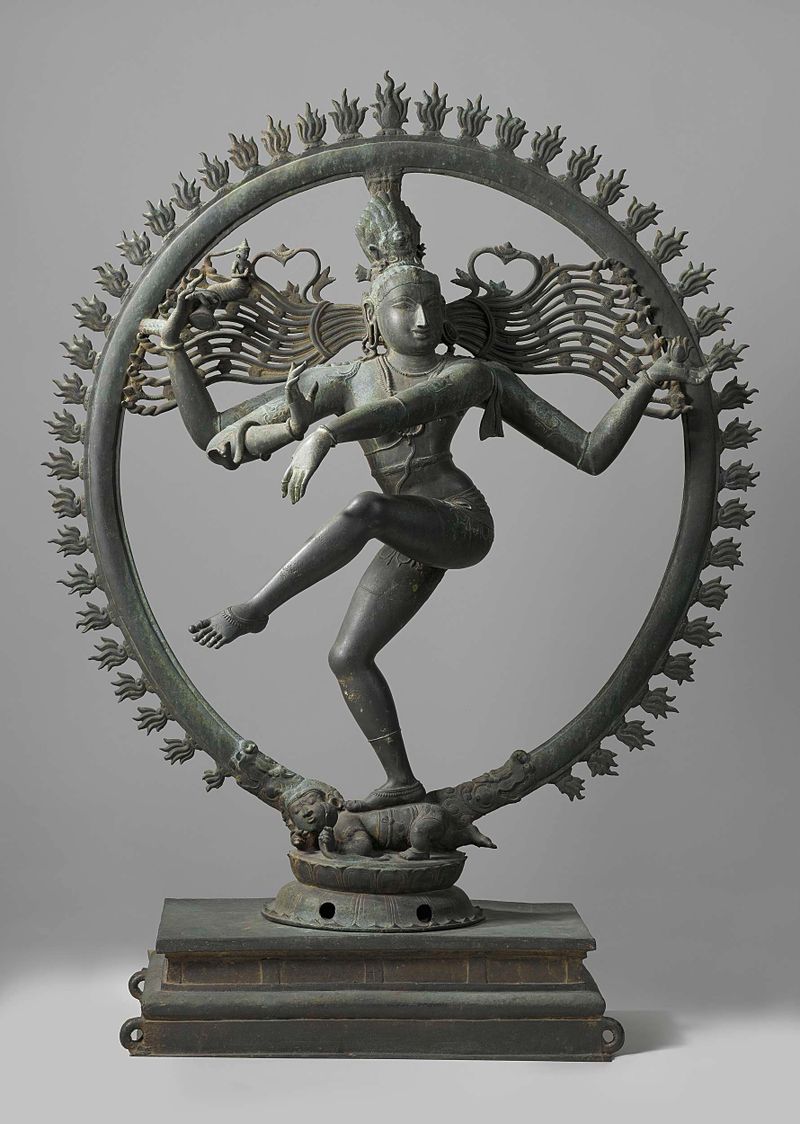
Shiva Nataraja
Unknown Artist
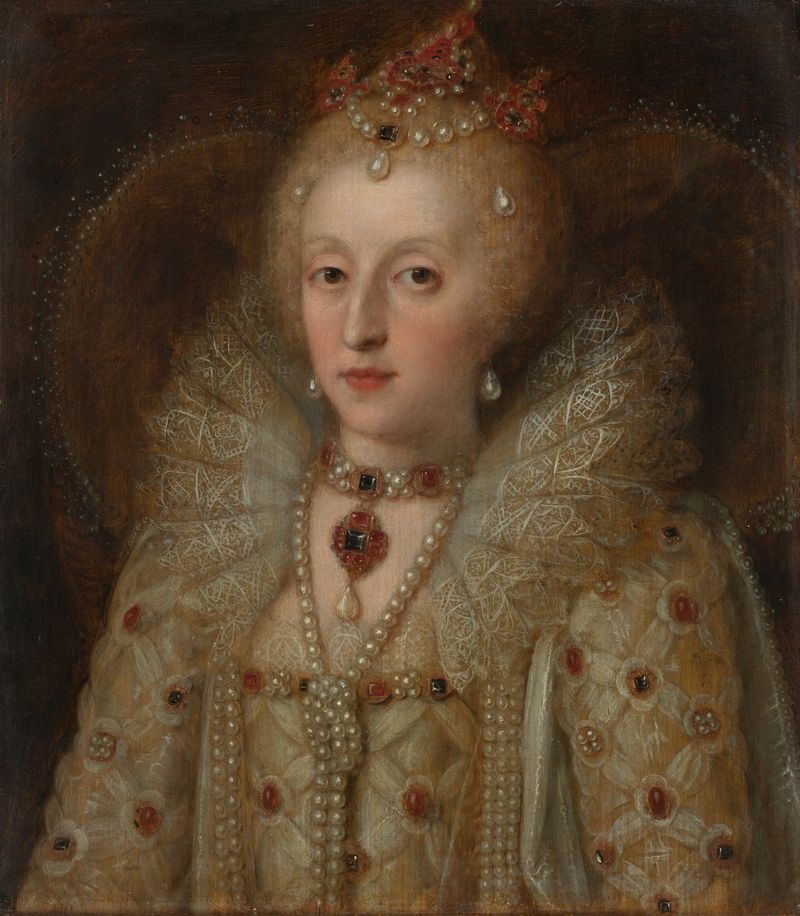
Portrait of Elizabeth I, Queen of England
Unknown Artist
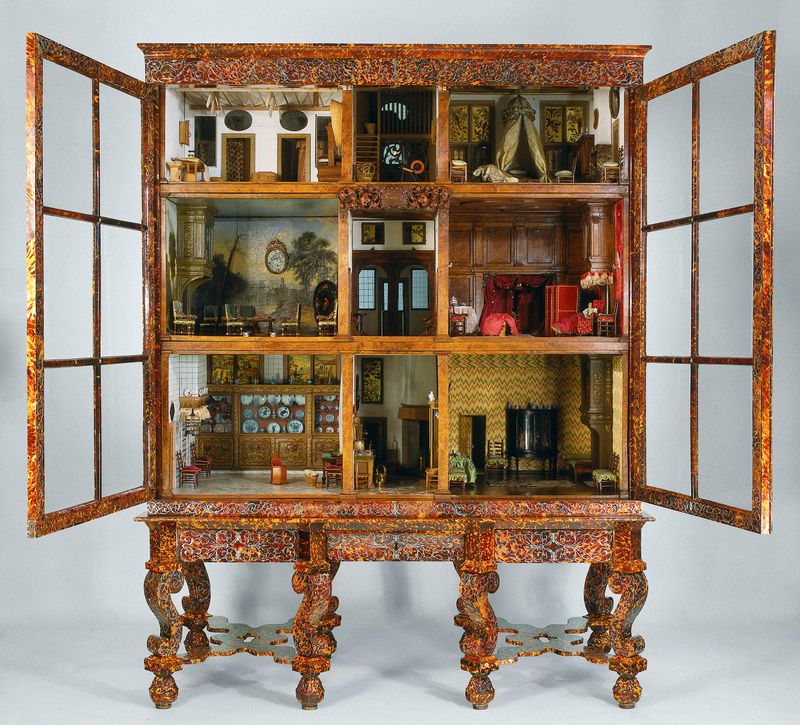
Dolls’ house of Petronella Oortman
Unknown Artist
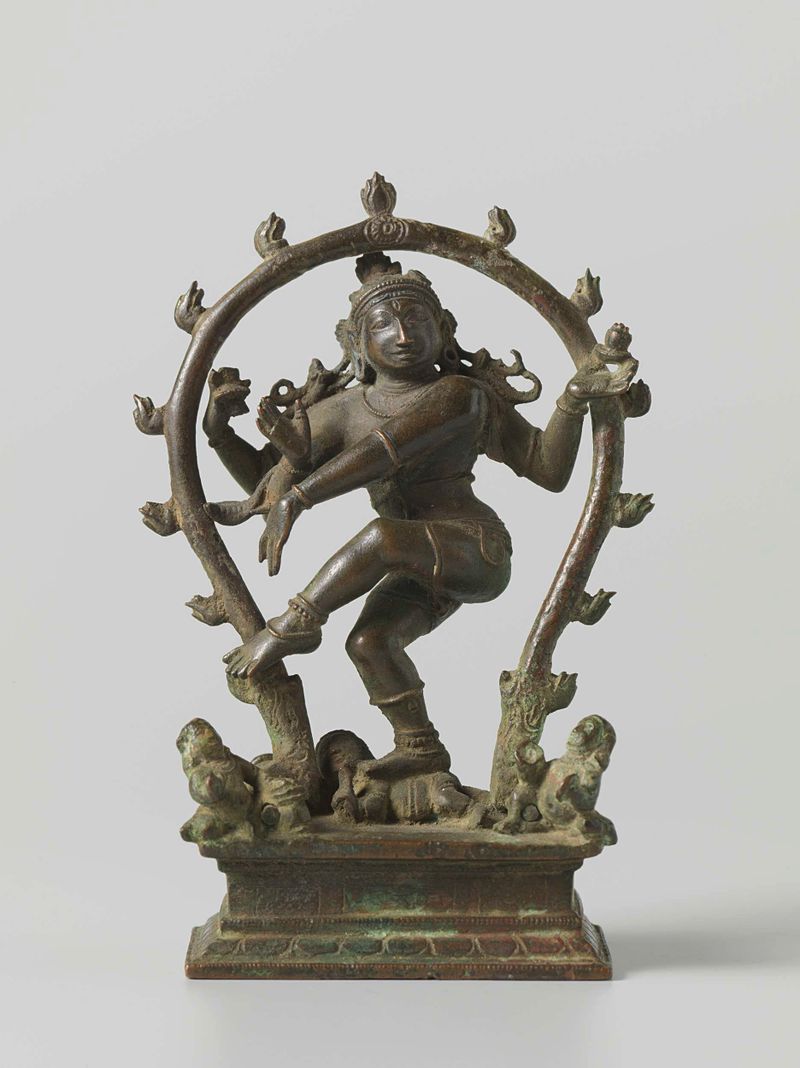
Shiva Nataraja
Unknown Artist

The Tale of Genji
Unknown Artist

The Tale of Genji
Unknown Artist
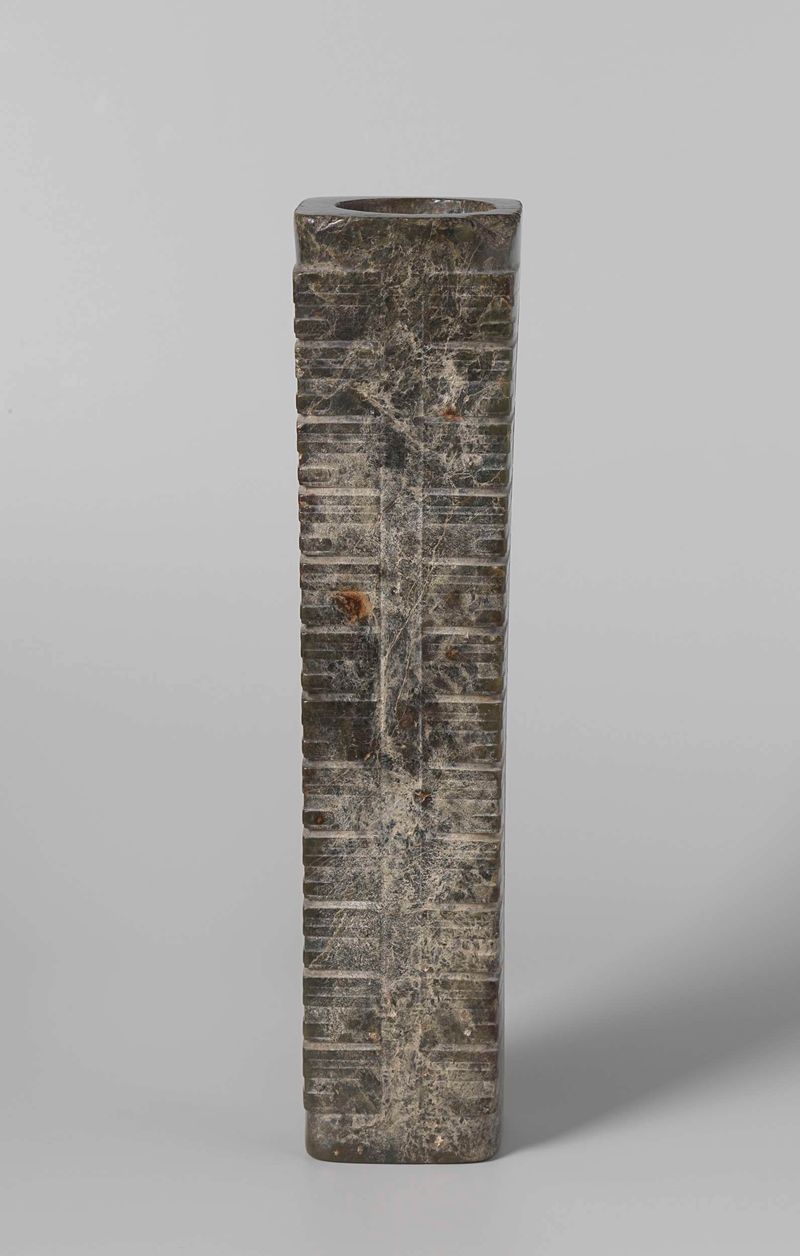
Cong
Unknown Artist
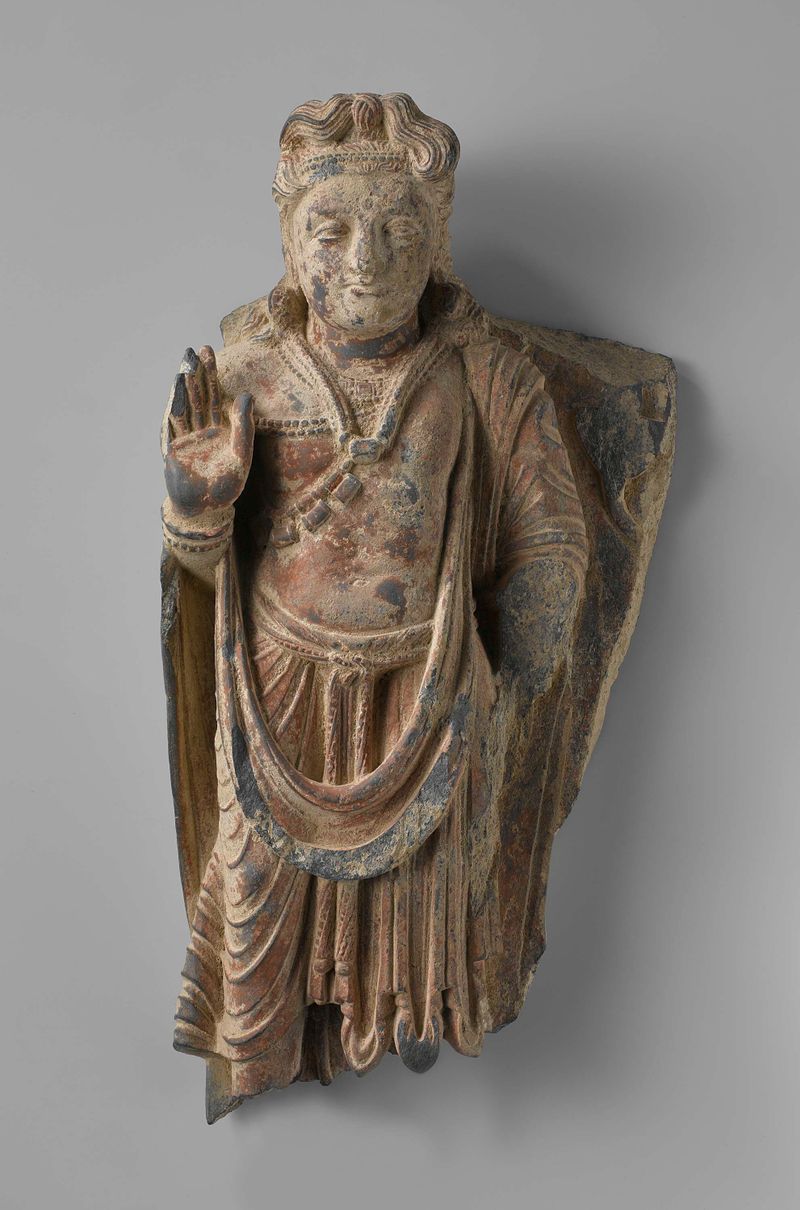
The bodhisattva Maitreya
Unknown Artist
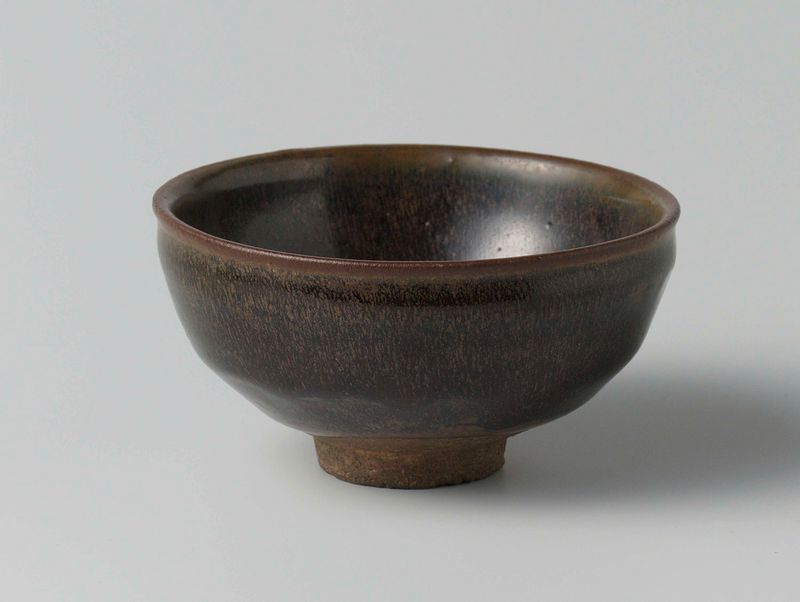
Teabowl with a 'hare's fur' glaze
Unknown Artist