
Dawlish — History & Facts
What if beauty was never meant to be finished? In Dawlish, the viewer is drawn into a realm where nature’s wildness intertwines with human fragility, leaving an impression of mesmerizing chaos. Look to the left at the stark cliffs, their jagged edges emphasizing a sense of impending collapse. The rich palette of ochres and greens vibrates against the soft blues of the sky and sea, creating an almost surreal contrast. Notice how the waves crash against the shore, turbulent and fierce, reflecting a madness of nature that mirrors the unpredictable journey of human life.
The composition is masterfully balanced, with careful attention to depth, inviting the eye to traverse the horizon while feeling the weight of the looming cliffs. Beneath the surface, tensions emerge between tranquility and turmoil, beauty and chaos. The figures scattered along the beach seem small and vulnerable against the overwhelming power of the landscape, hinting at the fragility of existence amidst the grandeur of nature. Each brushstroke carries a whisper of both admiration and dread, urging the viewer to contemplate how moments of beauty may harbor an undercurrent of madness, reflecting our own struggles against the tempest of reality. David Roberts painted Dawlish in 1855, during a period marked by a growing fascination with the sublime—a movement in art characterized by the awe-inspiring and often terrifying aspects of nature.
Emerging from a rich career in landscape painting, Roberts was navigating his own artistic journey, capturing both the beauty and tempestuous spirit of the world around him as industrialization began to reshape landscapes forever.
More Artworks by David Roberts
Browse all →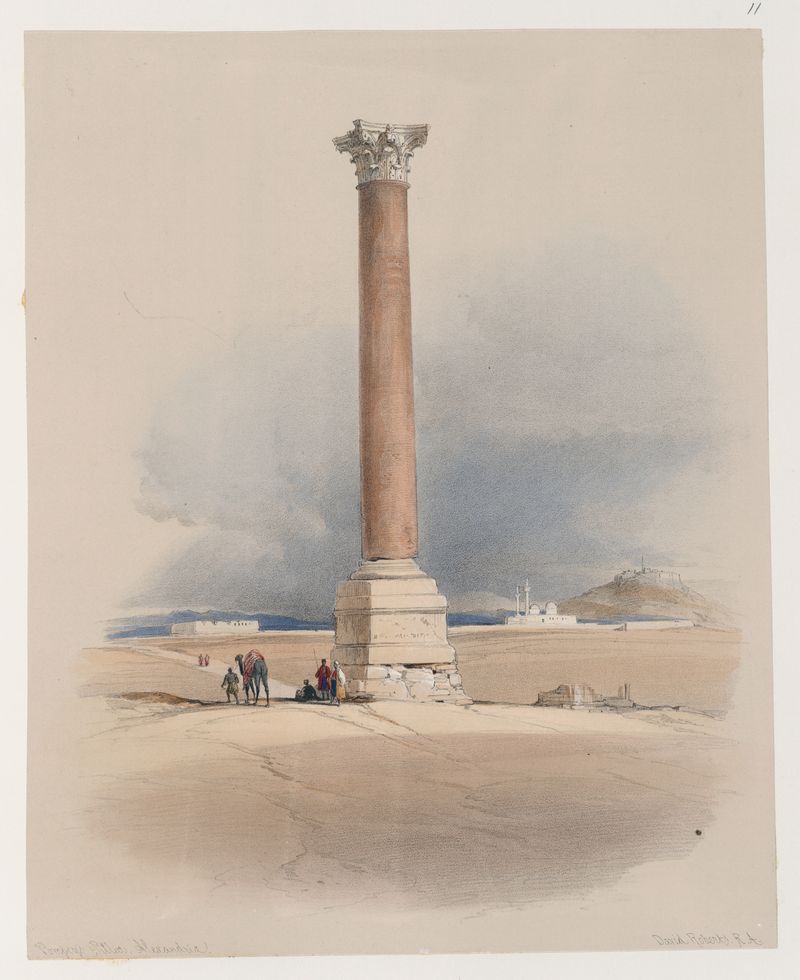
Pompey’s Pillar, Alexandria.
David Roberts

Approach to the Fortress of Ibrim.
David Roberts

Karnac [Karnak]. Nov. 29th, 1838.
David Roberts
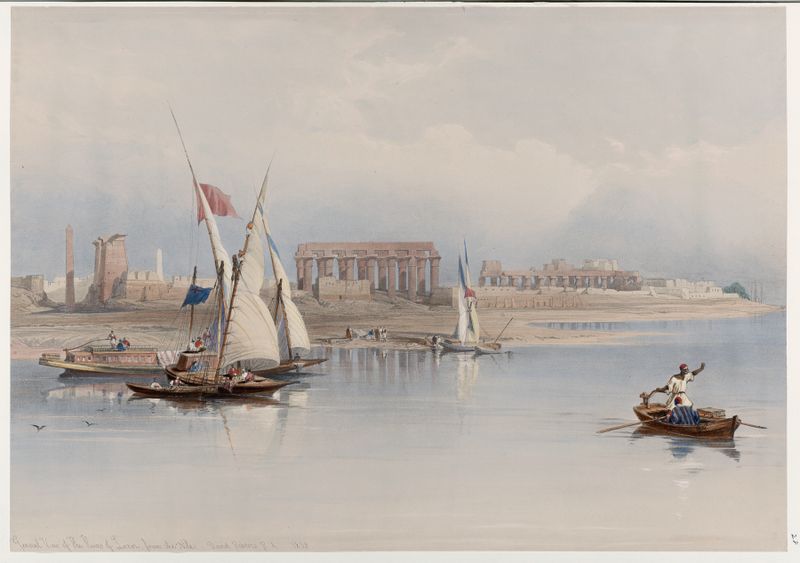
General view of the ruins of Luxor, from the Nile. 1838.
David Roberts

Statues of Memnon at Thebes, during the inundation.
David Roberts

Entrance to the tombs of the kings of Thebes. Bab-el-Malouk [Bîbân al-Mulûk].
David Roberts

The Fortress of the Alhambra, Granada
David Roberts
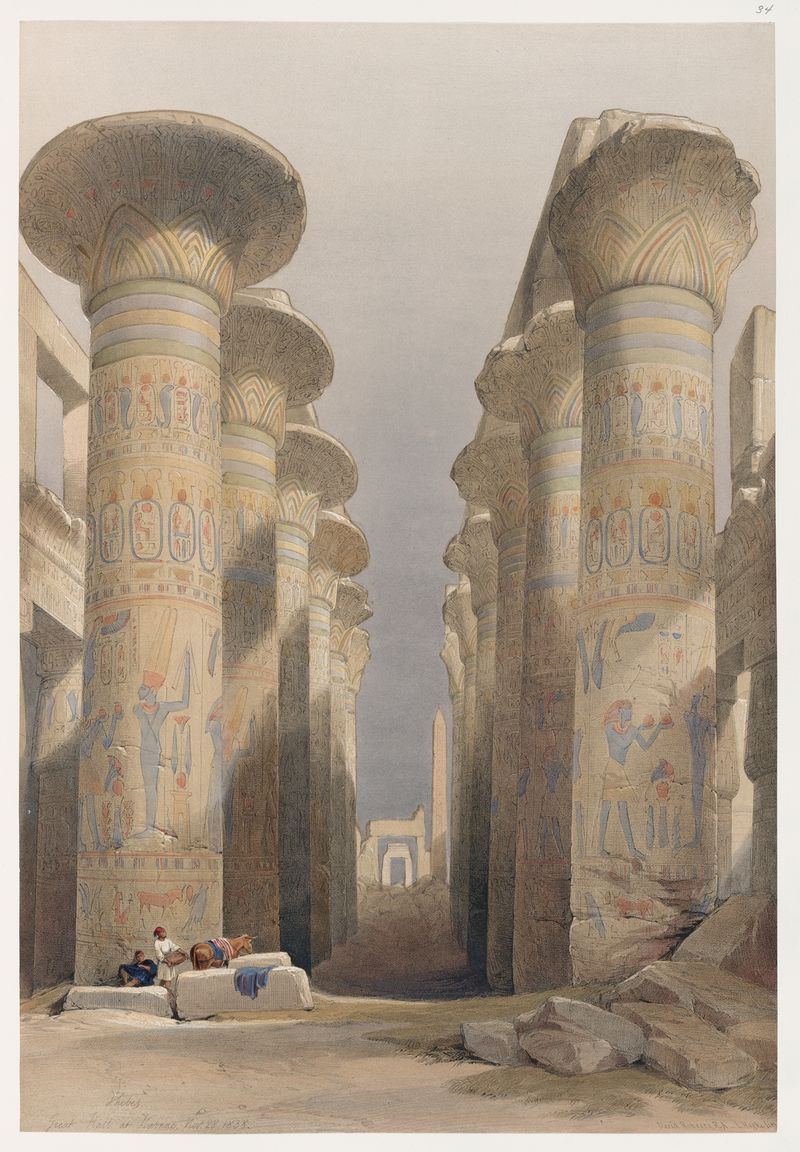
Thebes. Great Hall at Karnak. Nov. 28, 1838.
David Roberts
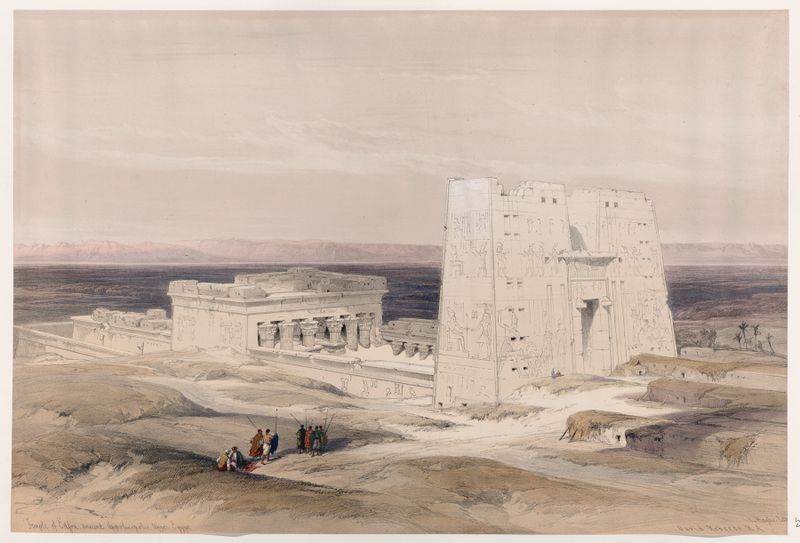
Temple of Edfou [Idfû], ancient Appolinopolis, Upper Egypt.
David Roberts

Temple of Kalabshee [Kalabsha, Kalâbishah], Nubia. Nov. 1838.
David Roberts





