
Day’s end — History & Facts
What secret hides in the quiet of the canvas? As the day wanes, the world becomes a canvas of decay and beauty, where the remnants of time reveal their stories. In Day’s end, the viewer's gaze is drawn first to the horizon, where the last vestiges of sunlight bleed into the sky, casting a warm, golden hue over the landscape. The artist's brush deftly captures the interplay of light against the silhouettes of gnarled trees, their twisted branches reaching toward the heavens like desperate fingers. The foreground, with its rich browns and muted greens, invites reflection on the cycle of life and death, while the soft stroke of clouds hints at the ephemeral nature of day itself. Beneath the surface, emotional tensions simmer.
The stark contrast of light and shadow speaks to the duality of existence, where beauty and decay coexist in a fragile balance. Each element seems to whisper of the passage of time, reminding the observer of the inevitability of change. The delicate rendering of the natural world evokes nostalgia, stirring a longing for moments that slip away like daylight at dusk, infusing the scene with a bittersweet poignancy. Created in 1876, this piece reflects the transitional period in Sørensen's life, as he navigated the evolving art world of Denmark.
At a time when realism and impressionism were gaining traction, he sought to capture the essence of fleeting moments. This artwork stands as a testament to his exploration of light and its transformative power, embodying the essence of a world a breath away from oblivion, yet profoundly alive.
More Artworks by Carl Frederik Sørensen
Browse all →
Svenske Kongens Besøg paa Kronborg
Carl Frederik Sørensen
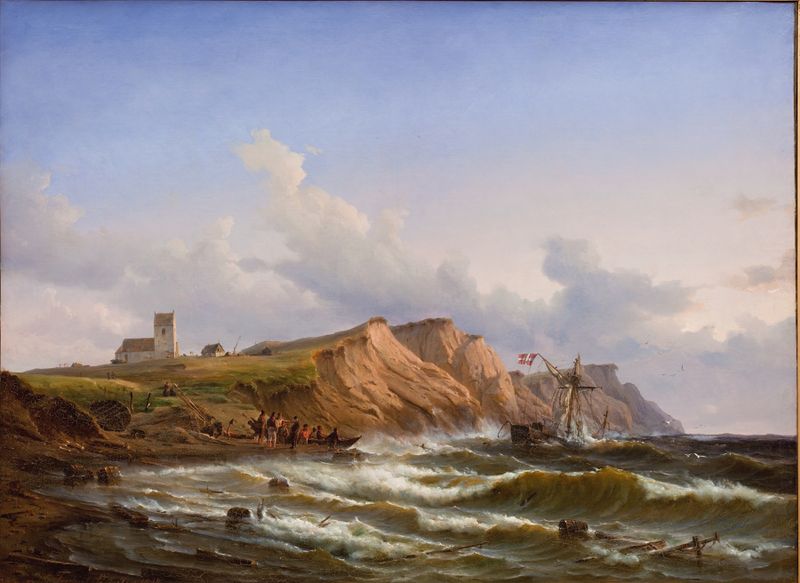
Shipwreck after a Storm off the West Coast of Jutland near Ferring Church
Carl Frederik Sørensen
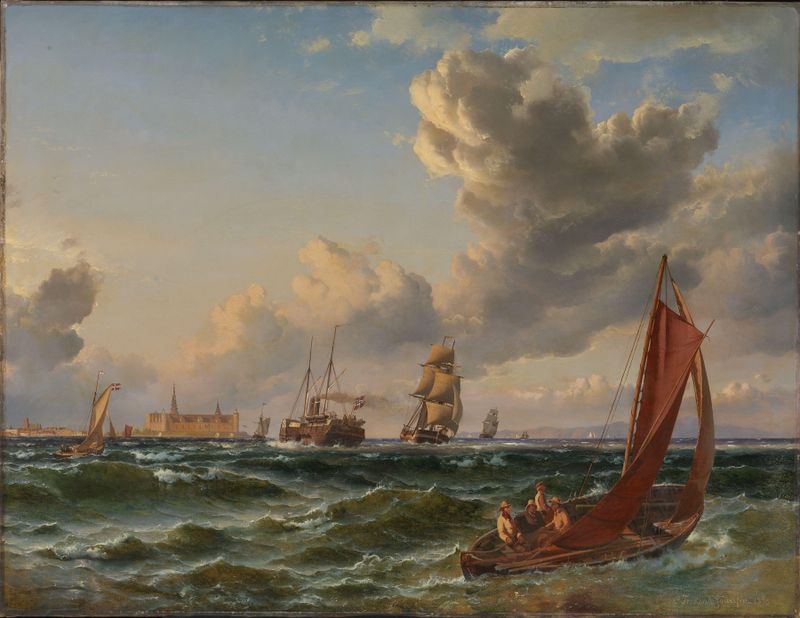
Parti fra Øresund med Kronborg
Carl Frederik Sørensen

A Norwegian Coastline
Carl Frederik Sørensen

Både til kajs ved Kronborg
Carl Frederik Sørensen
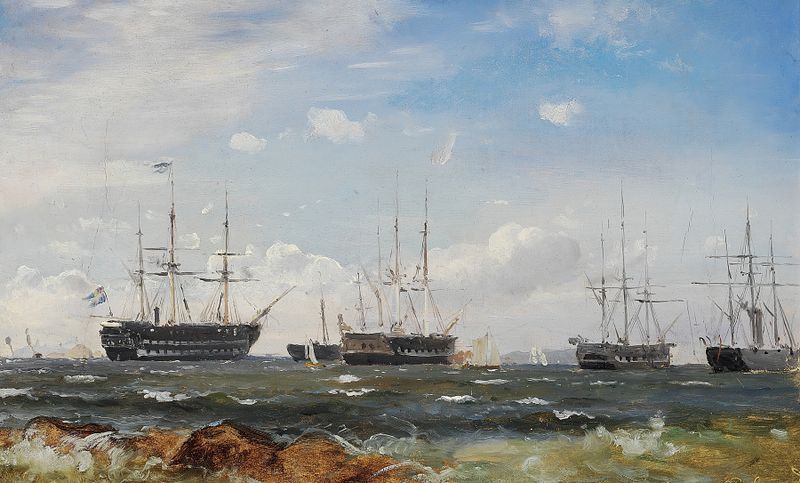
Svenske orlogsskibe ud for Göteborg
Carl Frederik Sørensen
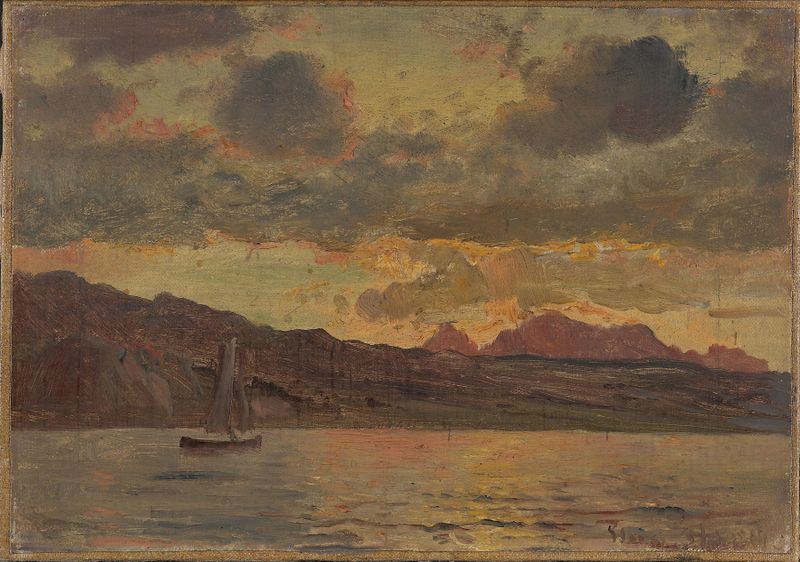
Marine
Carl Frederik Sørensen

Seascape
Carl Frederik Sørensen
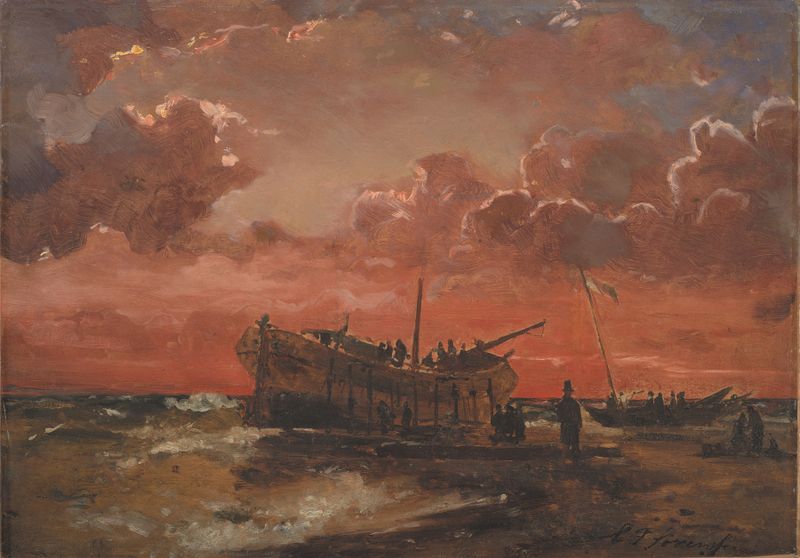
A Wreck on the West Coast of Jutland at Sunset
Carl Frederik Sørensen
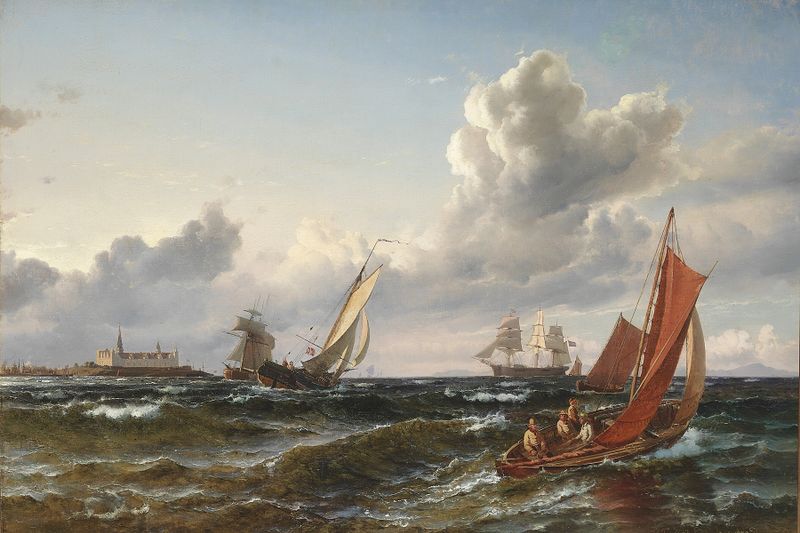
Sejlskibe og fiskerbåd i Sundet ud for Kronborg
Carl Frederik Sørensen





