
De Bâle aux Sources du Rhin — History & Facts
In the haunting stillness of De Bâle aux Sources du Rhin, a quiet narrative unfolds, echoing the poignant sense of loss that lingers in the air. The canvas captures a journey not just through the Swiss landscape but into the very essence of memory and longing. Look closely at the foreground, where the winding river gracefully bisects the composition. The soft, muted colors of the water, reflecting the delicate hues of twilight, draw the eye immediately.
Notice how the artist employs gentle brushstrokes to render the ripples, conveying movement yet holding the viewer in a moment of stillness. The distant mountains, silhouetted against the fading light, loom with a sense of both majesty and melancholy, framing a world where beauty and sorrow coexist. As you delve deeper, consider the small details that evoke a sense of absence—the solitary figure on the riverbank, perhaps a traveler or a reminiscence of someone lost. Their posture, slightly hunched, speaks of introspection, inviting contemplation on the nature of solitude and the passage of time.
The contrast between the vibrant landscape and the muted emotional tone creates a poignant tension, suggesting that every journey is intertwined with the memories it carries. Created during a period when Meyer sought to capture the fleeting beauty of nature, De Bâle aux Sources du Rhin reflects the artist’s personal struggles and the broader Romantic movement’s obsession with the sublime. The exact date of its creation is unknown, but it emerged from a time when artists were increasingly drawn to exploring their emotional landscapes through the natural world, embodying both the external beauty and internal chaos of life.
More Artworks by Johann Jakob Meyer
Browse all →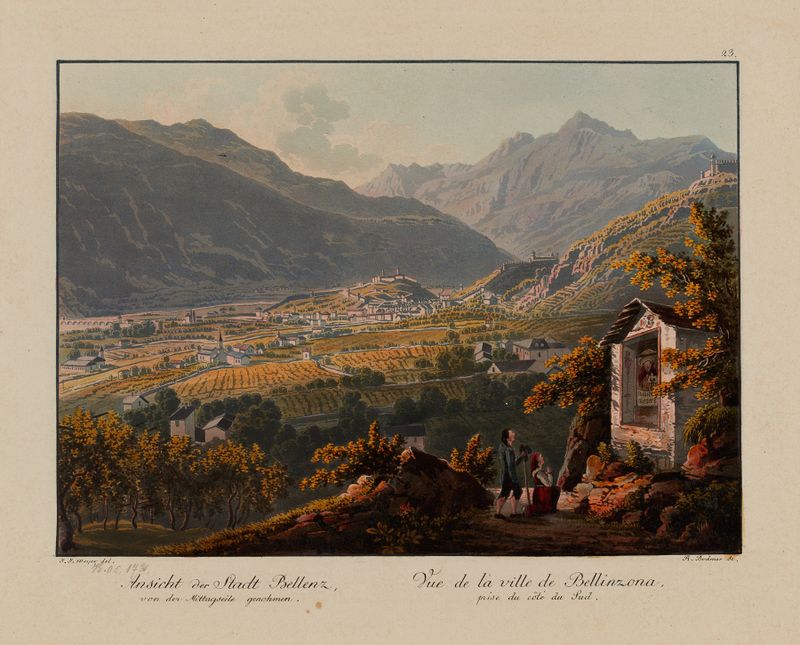
Vue de la ville de Bellinzona, prise du côté du Sud
Johann Jakob Meyer

Galerie al Rio di Peder, au dessous de l’Auberge de Spondalunga, en allant à Bormio
Johann Jakob Meyer
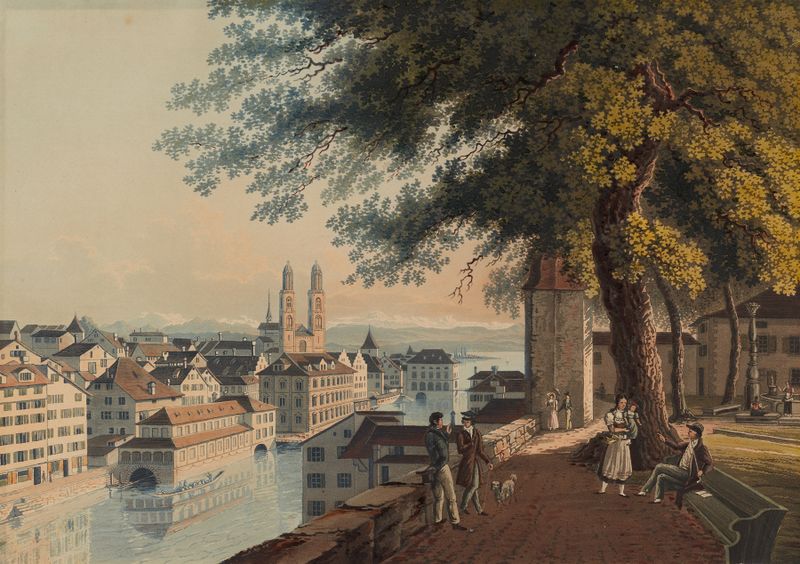
Zürich gezeichnet auf dem Lindenhof
Johann Jakob Meyer
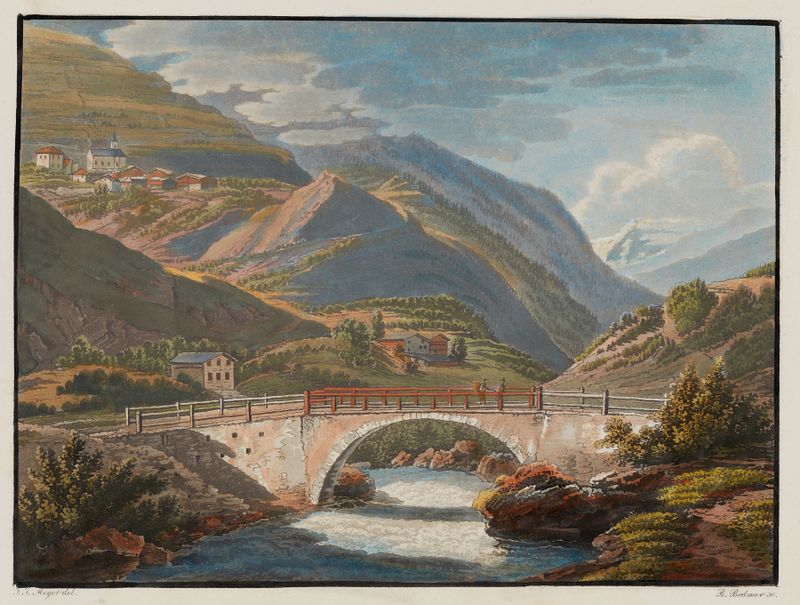
Village de Stilfs et le premier Pont sur la route du Col de Stilfs (Stevio) en Tyrol
Johann Jakob Meyer
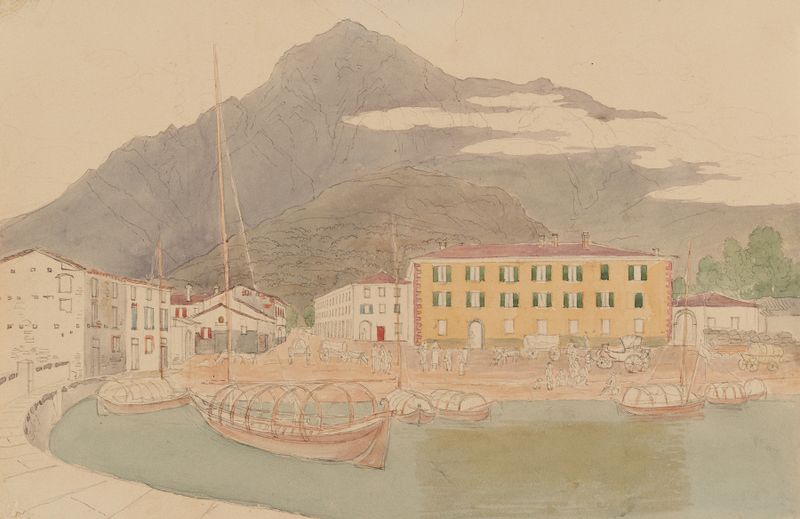
Porto di Colico Piano
Johann Jakob Meyer
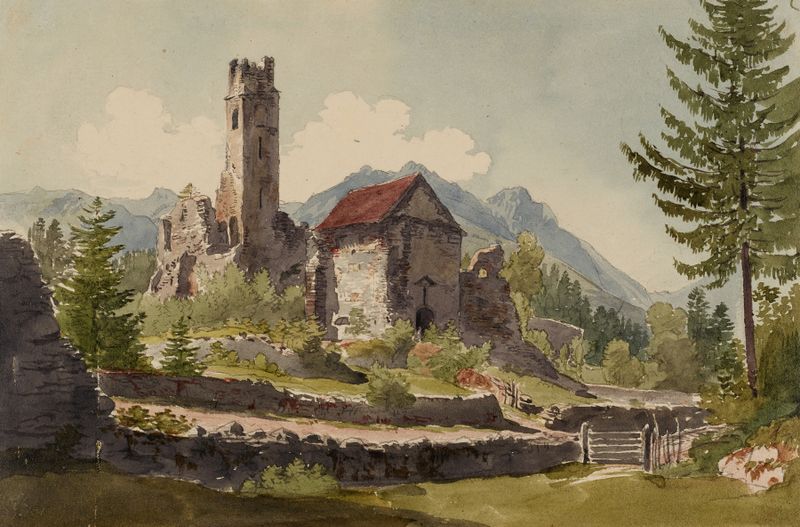
Ruine des Klosters Valduna bei Rankweil
Johann Jakob Meyer

Tusis dans la vallée de Domleschg
Johann Jakob Meyer
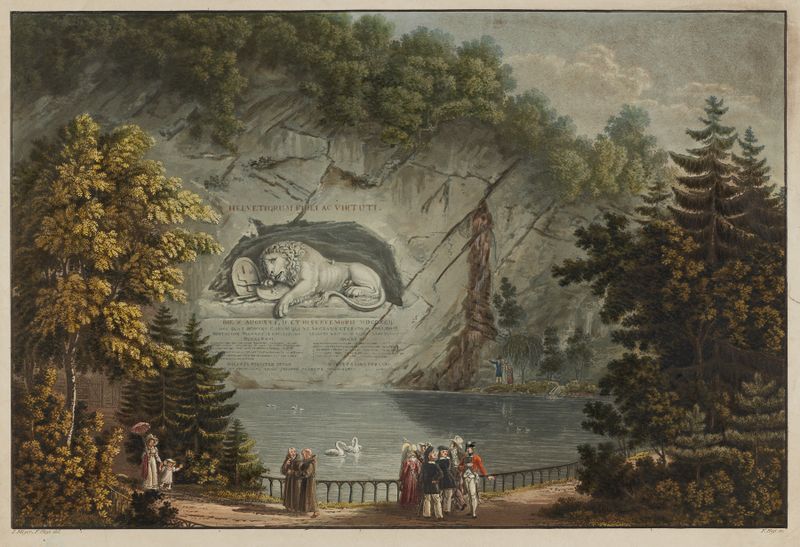
Vue du monument érigé à Lucerne à la mémoire des Suisses du X Aoust 1792
Johann Jakob Meyer

Galleria vicino Dervio
Johann Jakob Meyer
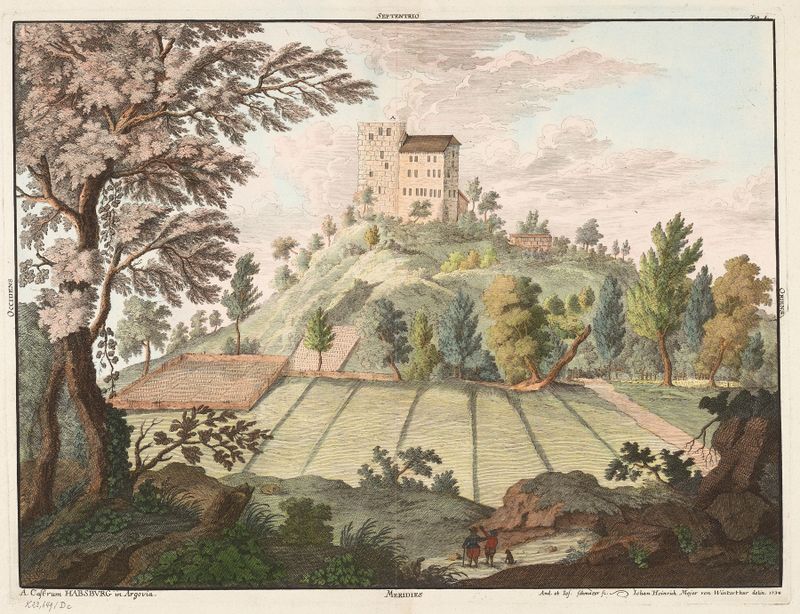
Schloss Habsburg
Johann Jakob Meyer





