
De boetvaardige Maria Magdalena — History & Facts
Could a single brushstroke hold eternity? In De boetvaardige Maria Magdalena, the artist invites us into a world where humility and redemption intertwine, captured within the confines of a moment that feels both timeless and ephemeral. Focus first on the figure of Mary Magdalene at the center — her face a profound study of sorrow and reflection. Notice how the soft, diffused light envelops her, creating a gentle halo that highlights her delicate features. The artist's choice of deep, muted colors contrasts with the warm glow of her skin, reinforcing the emotional weight of her penance.
The folds of her garments cascade around her, each crease rendered with care, guiding your eye to her downcast gaze that speaks volumes. Hidden within this representation are layers of meaning waiting to be unveiled. The juxtaposition of light and shadow embodies the struggle between sin and redemption, while the richness of the colors hints at her complex identity as both sinner and saint. The subtle inclusion of symbolic elements — perhaps the broken mirror or a forgotten crown in the background — serves as poignant reminders of the divine and earthly realms she navigates. Painted between 1632 and 1699, this work emerged during a time when the Baroque period was in full swing, marked by dramatic expression and religious themes.
The unknown artist likely lived through societal changes that influenced spiritual introspection, reflecting the era's fascination with human emotion and morality. This painting stands not just as a testament to an artist's skill, but as a mirror to the cultural zeitgeist of its time.
More Artworks by Unknown Artist
Browse all →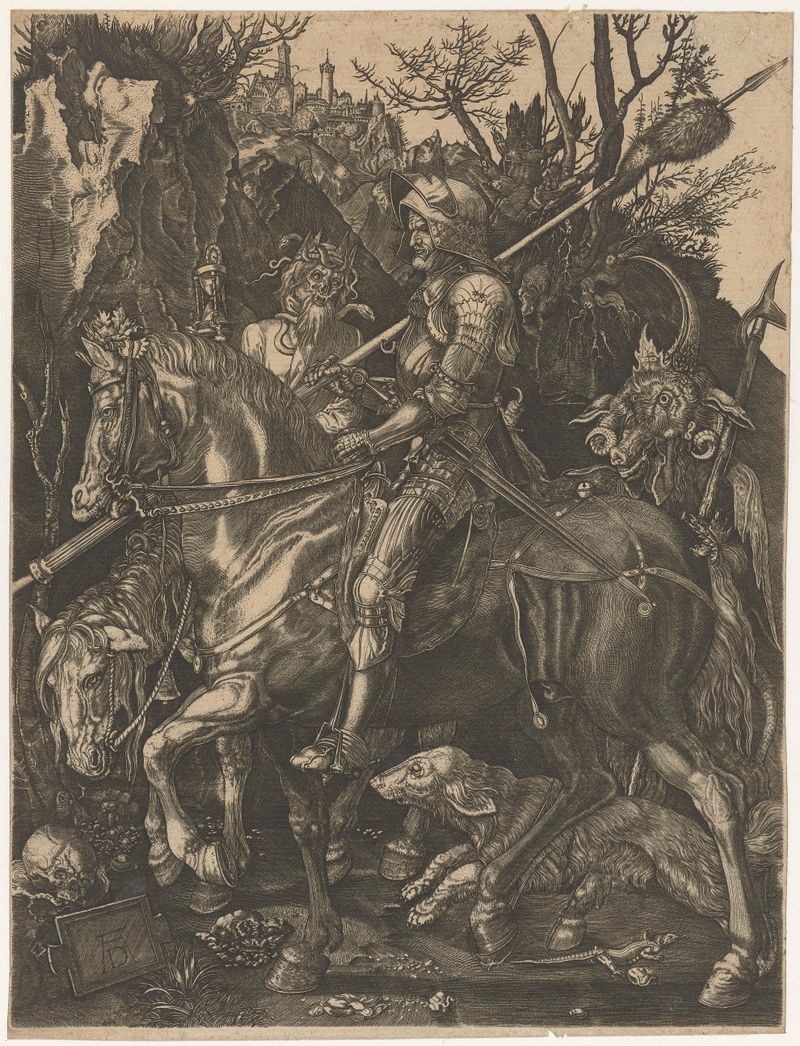
Ridder, Dood en Duivel
Unknown Artist
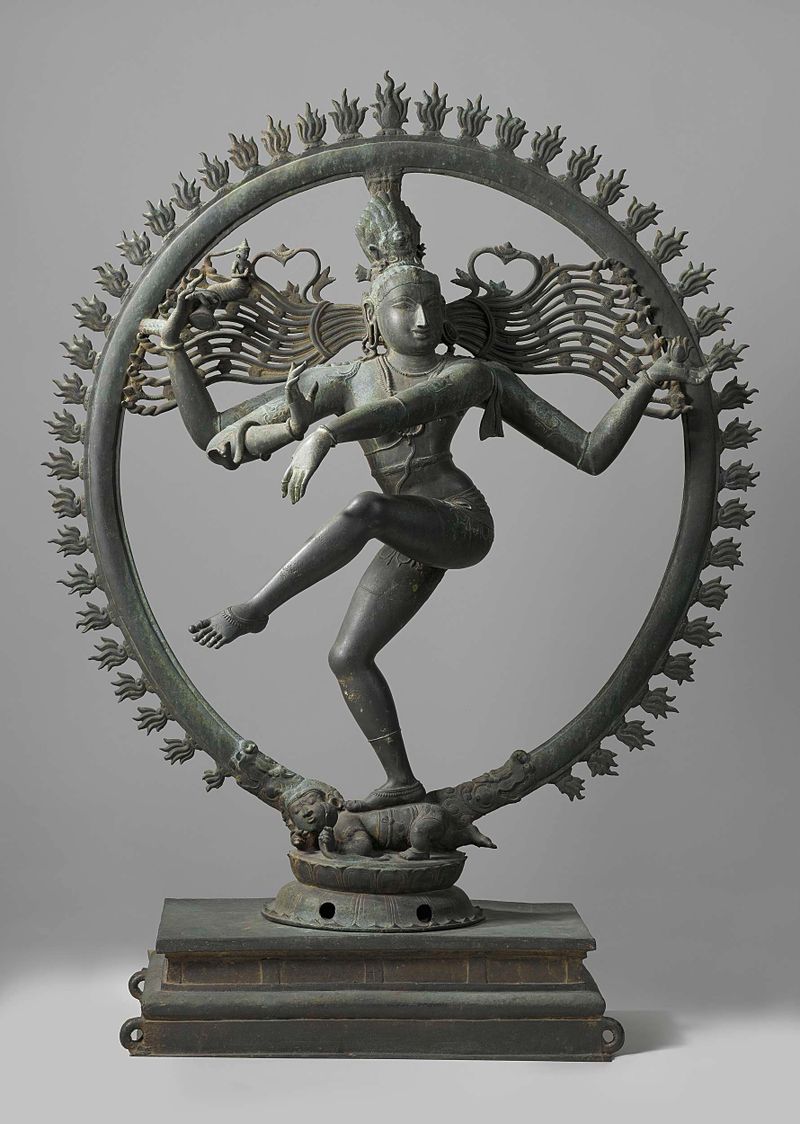
Shiva Nataraja
Unknown Artist
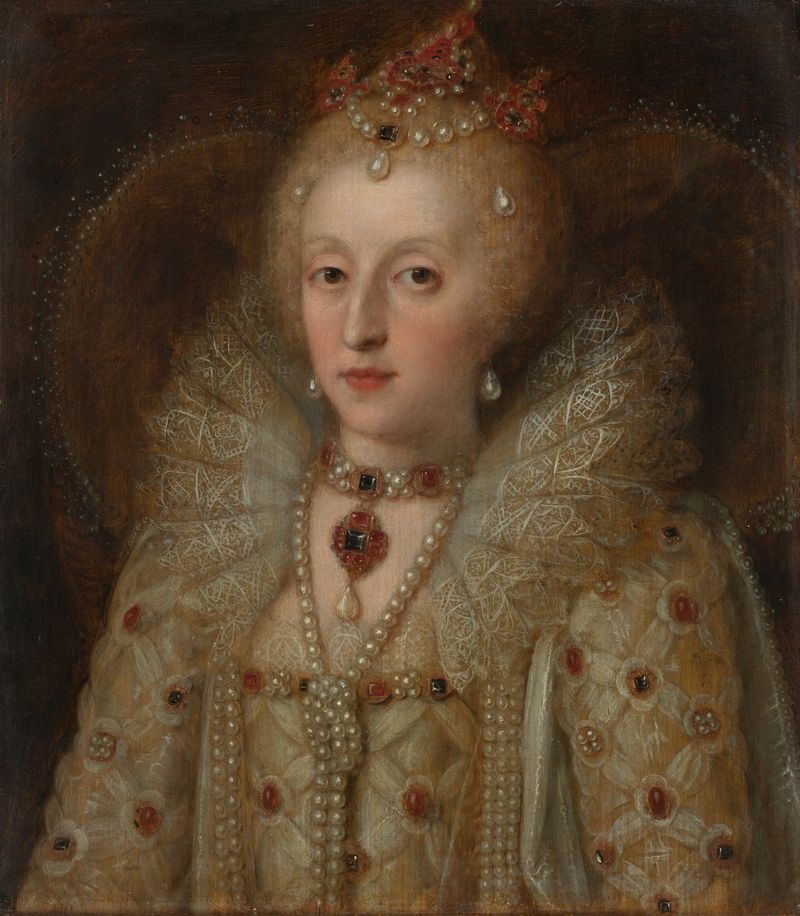
Portrait of Elizabeth I, Queen of England
Unknown Artist
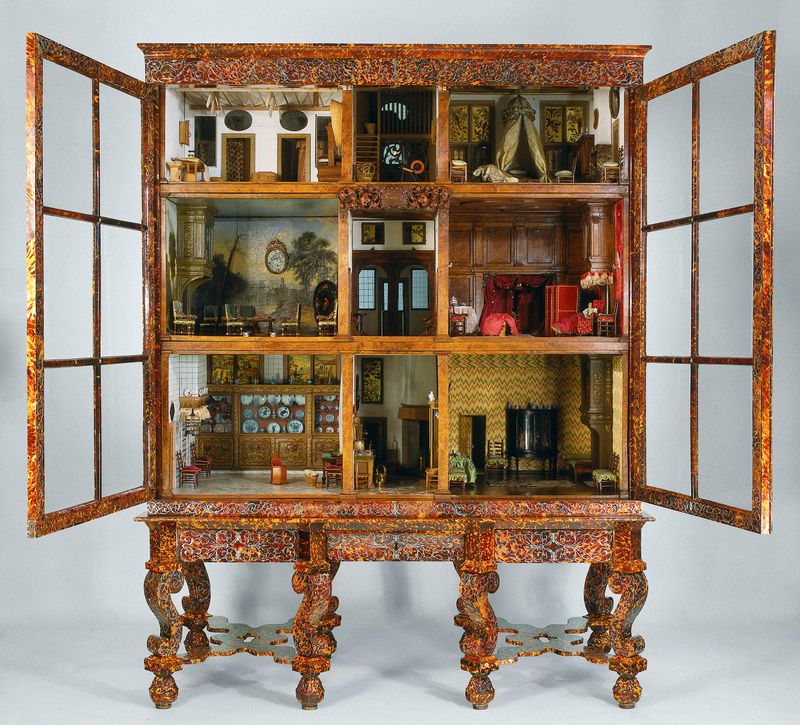
Dolls’ house of Petronella Oortman
Unknown Artist
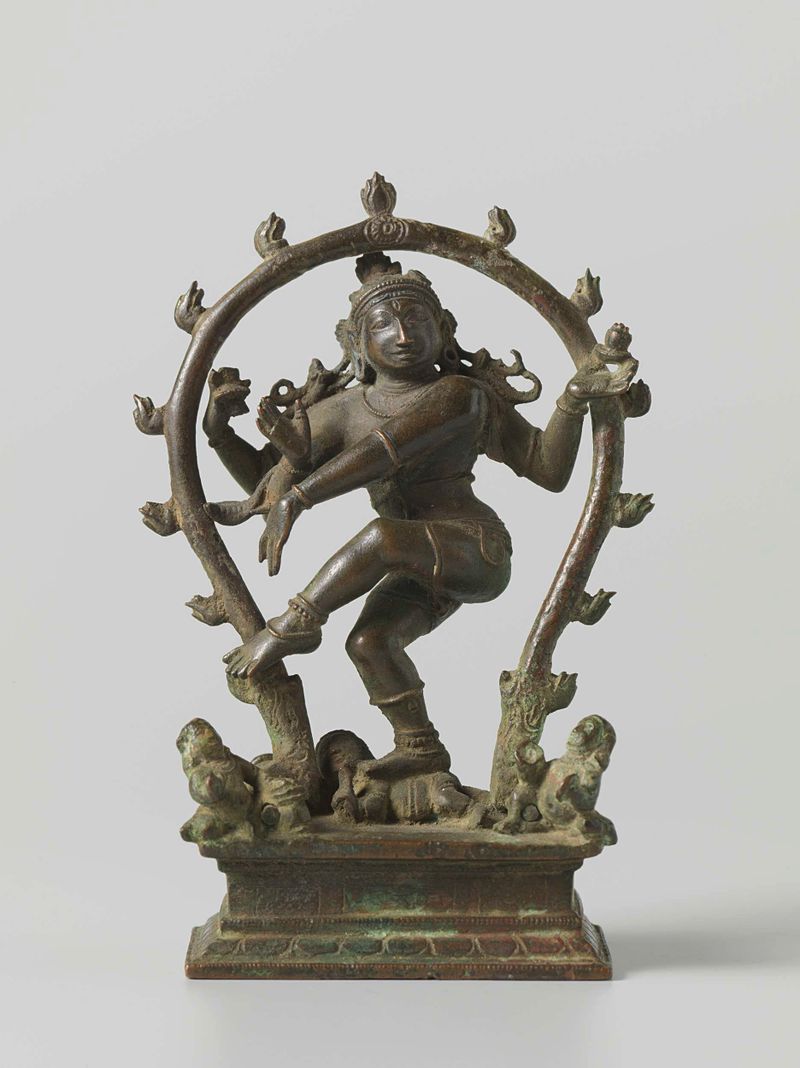
Shiva Nataraja
Unknown Artist

The Tale of Genji
Unknown Artist

The Tale of Genji
Unknown Artist

Cong
Unknown Artist
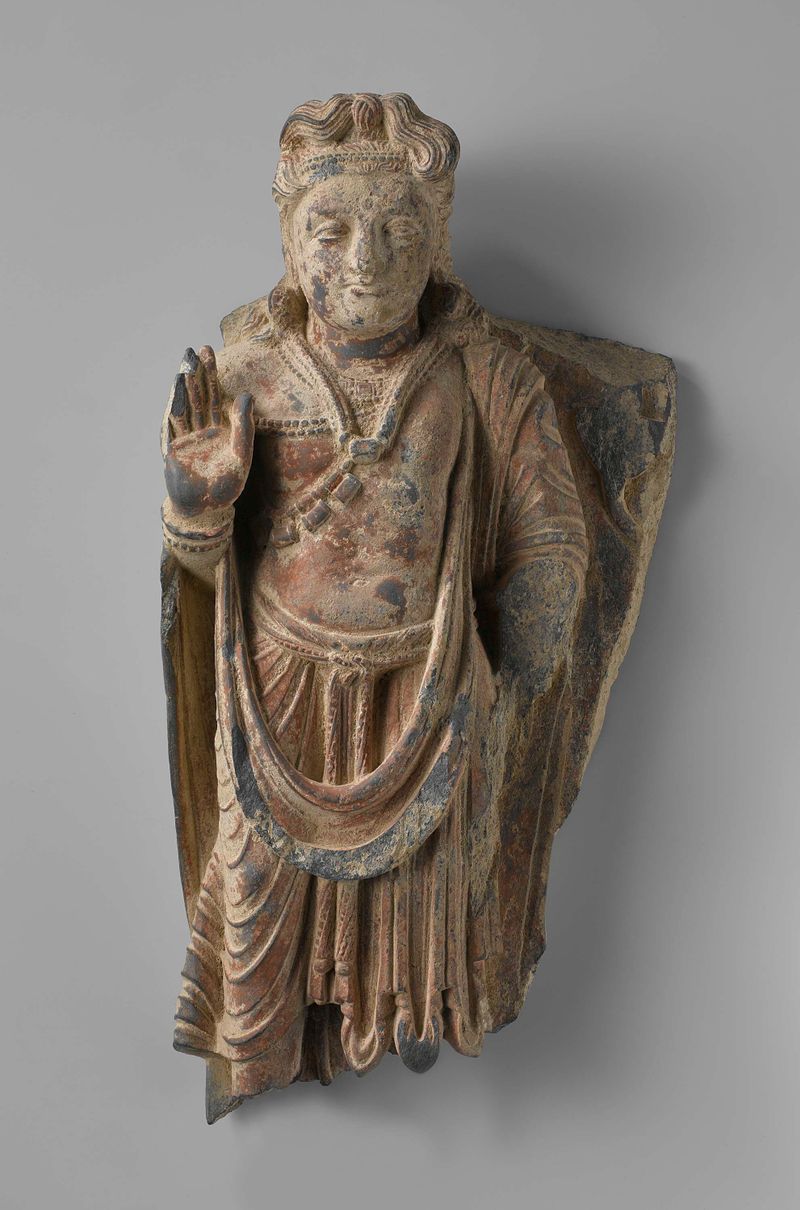
The bodhisattva Maitreya
Unknown Artist

Teabowl with a 'hare's fur' glaze
Unknown Artist
More Religious Art
Browse all →
The Return of the Prodigal Son
Rembrandt van Rijn

The Garden of Earthly Delights
El Bosco

Count Orgaz’ funeral
El Greco

The Hundred Guilder Print: the central piece with Christ preaching, the plate arched
Rembrandt van Rijn

The Descent from the Cross
Rogier van der Weyden

The return of the prodigal son
Rembrandt van Rijn