
De dood van Maria Magdalena — History & Facts
Can beauty exist without sorrow? In the shadows of history, this question remains hauntingly relevant, especially as it intertwines with the life of a woman often cloaked in both reverence and tragedy. Focus on the central figure’s serene face, where the soft play of light cradles her delicate features, evoking a profound sense of melancholy. Notice how the subtleties in the artist’s brushwork render her pallor almost ethereal, set against a dark background that deepens the emotional gravity of the scene. The vibrant hues of the flowers surrounding her—symbols of purity and transience—contrast with her stillness, inviting the viewer’s gaze to explore the juxtaposition of life and death that permeates this moment. Delve deeper, and you will find the hidden narratives woven into the composition.
The downward tilt of her head suggests acceptance of her fate, yet her closed eyes evoke a longing for the life she leaves behind. The flowers’ vivid colors underscore the fleeting nature of beauty, while the darkness that envelops her hints at the sorrow that shadows all joy. The delicate balance of these elements results in a poignant meditation on loss and the enduring complexity of human emotion. Created between 1632 and 1699, this piece emerges from an era marked by religious fervor and artistic exploration.
The artist, whose identity remains shrouded in mystery, reflects the Baroque mastery of capturing human emotion, a testament to a time when the interplay of light and shadow was not merely a technique but a means to convey profound spiritual truths.
More Artworks by Unknown Artist
Browse all →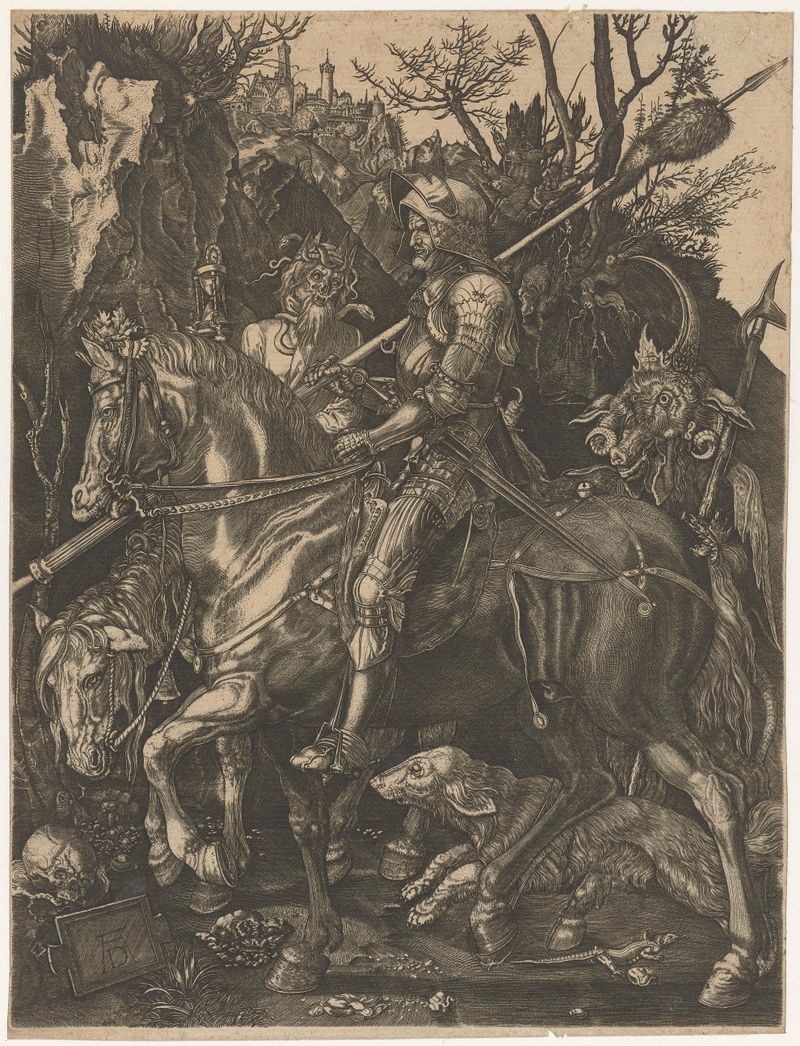
Ridder, Dood en Duivel
Unknown Artist
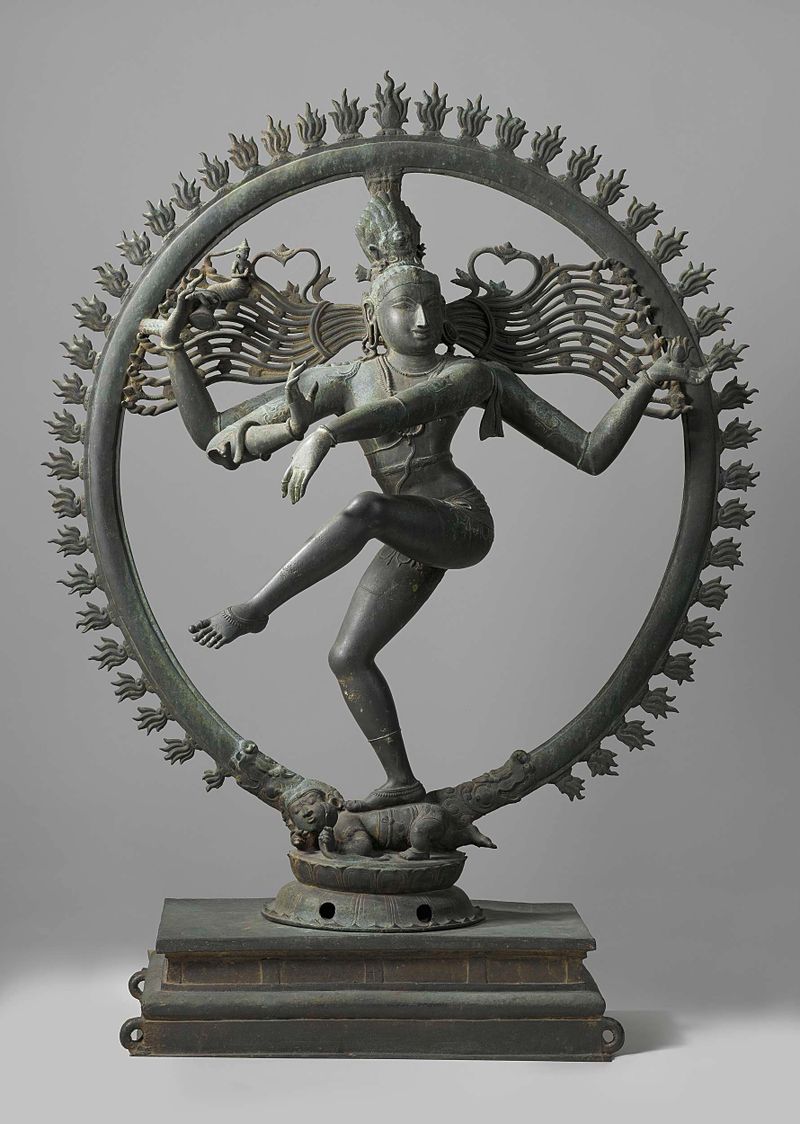
Shiva Nataraja
Unknown Artist
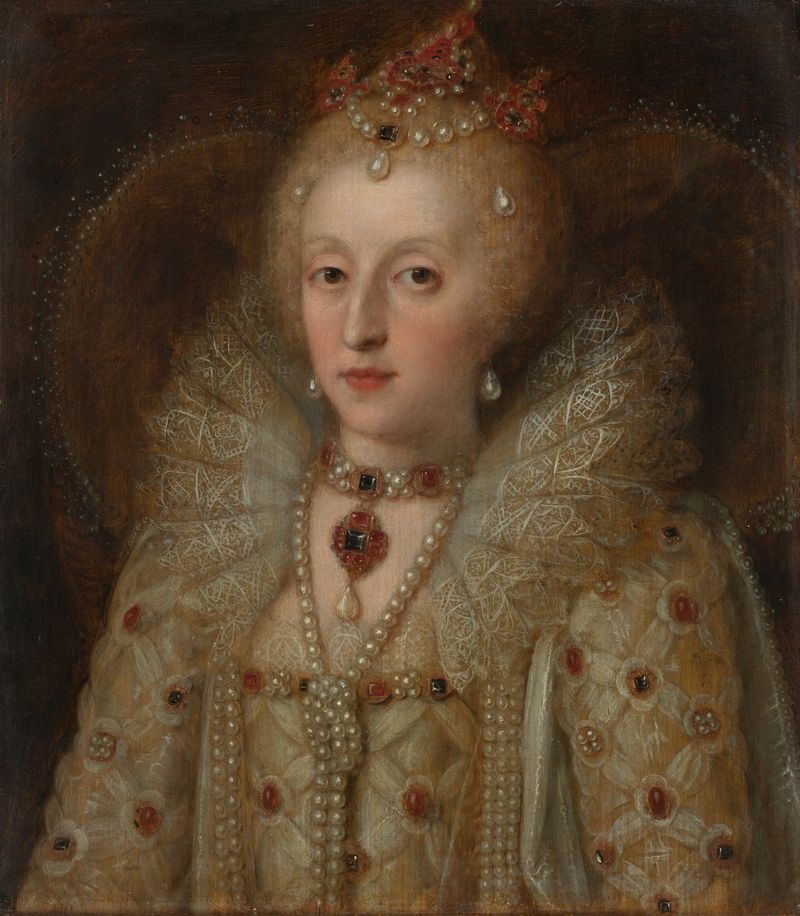
Portrait of Elizabeth I, Queen of England
Unknown Artist
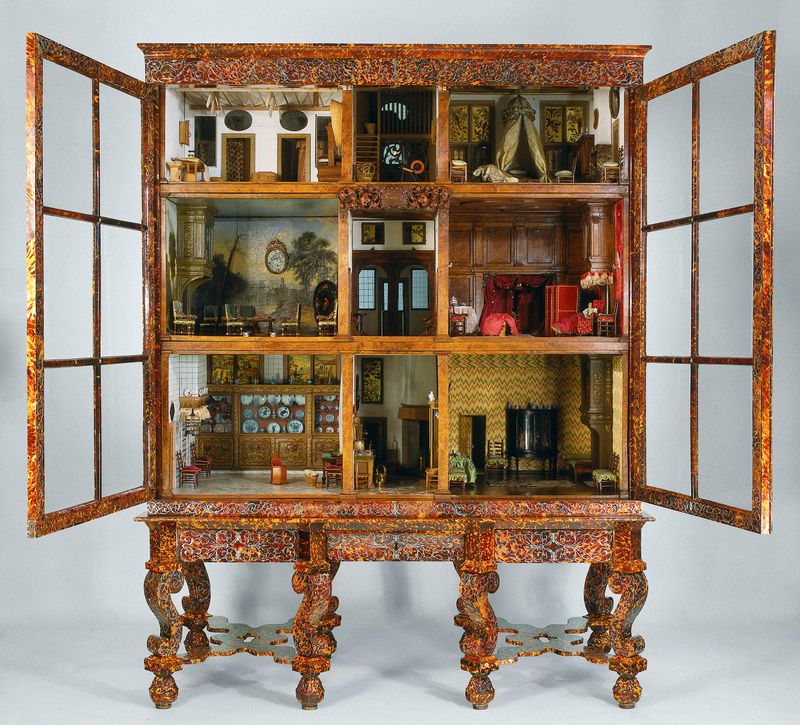
Dolls’ house of Petronella Oortman
Unknown Artist
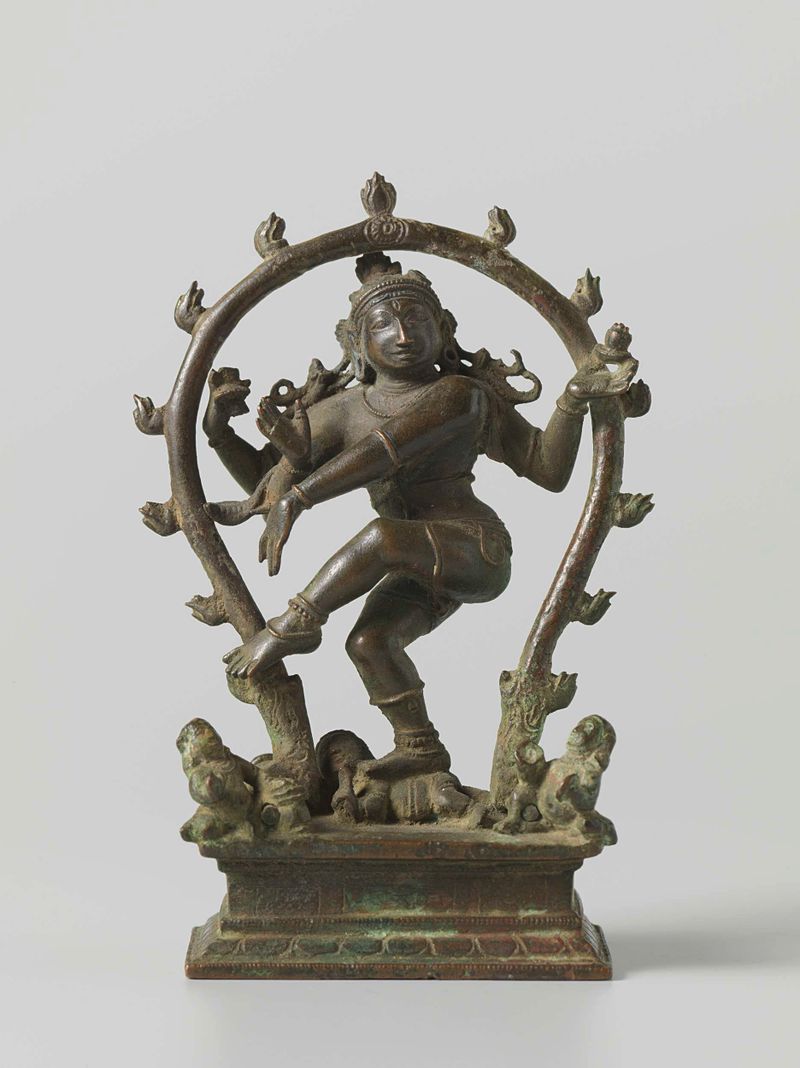
Shiva Nataraja
Unknown Artist

The Tale of Genji
Unknown Artist

The Tale of Genji
Unknown Artist
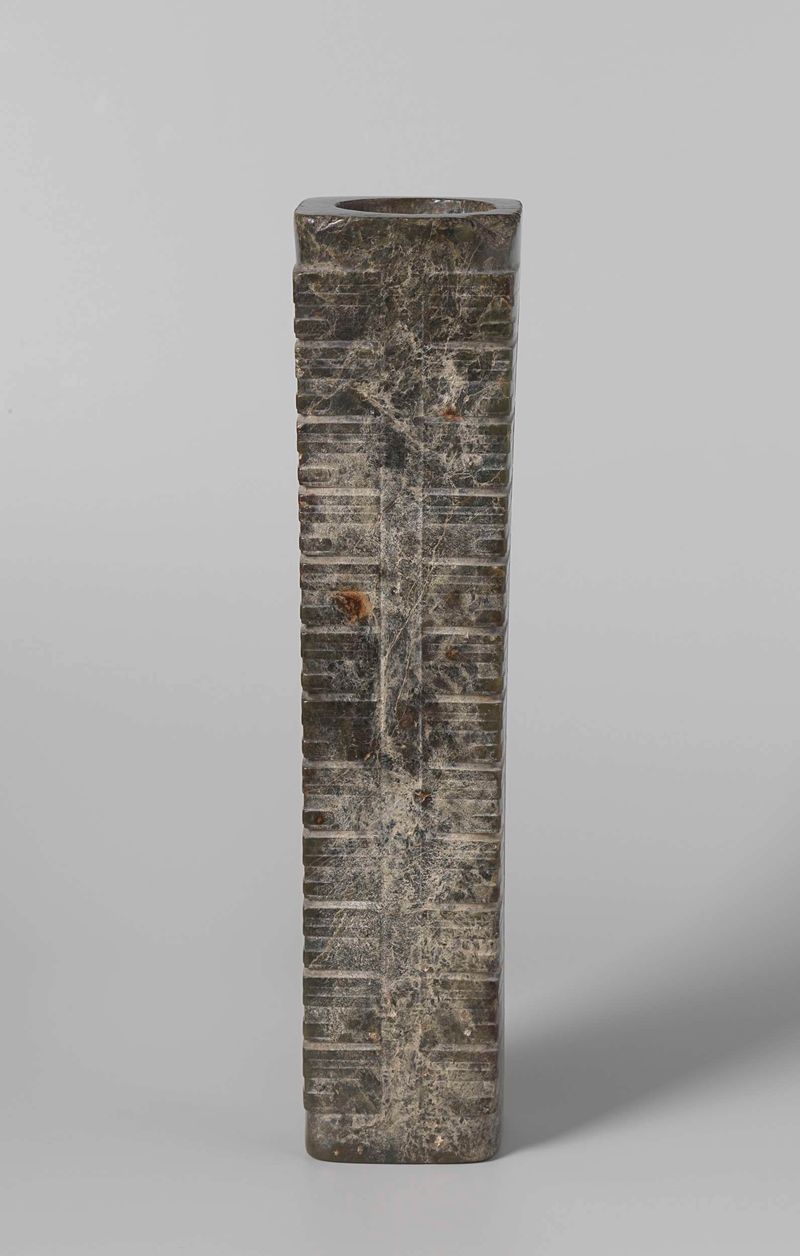
Cong
Unknown Artist
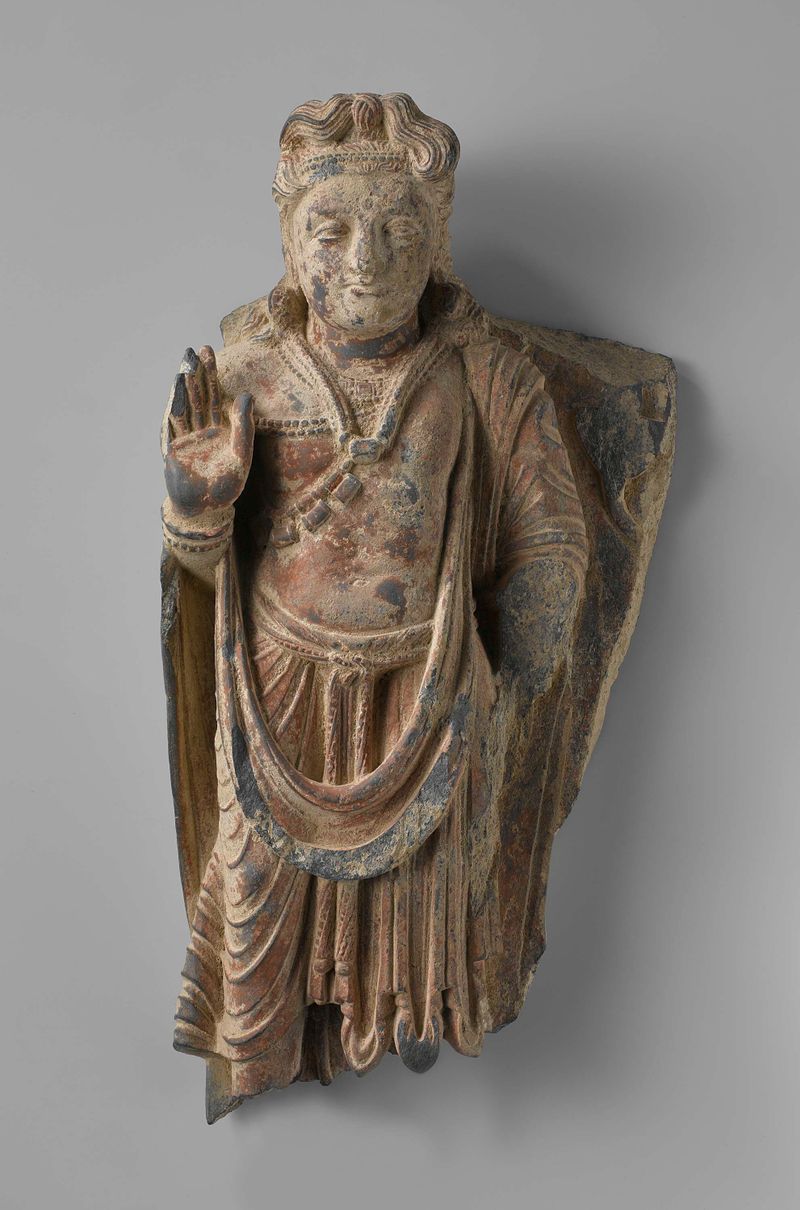
The bodhisattva Maitreya
Unknown Artist
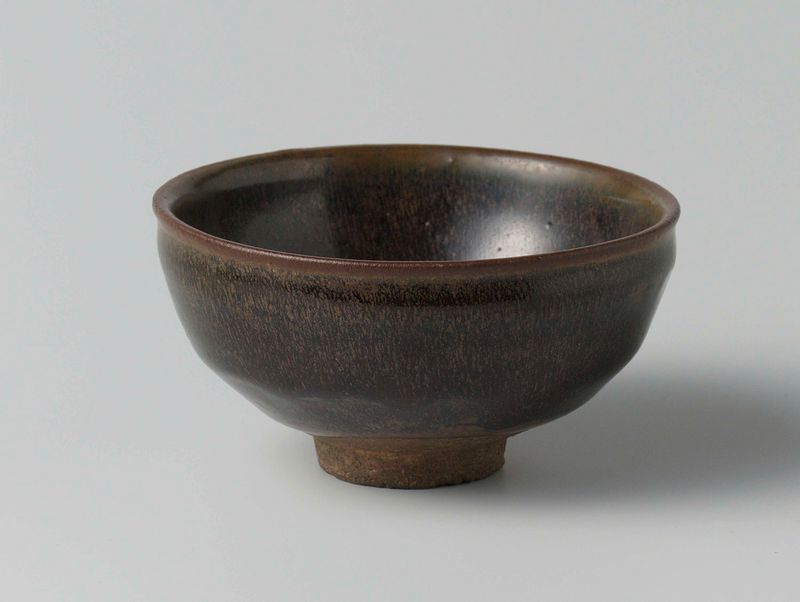
Teabowl with a 'hare's fur' glaze
Unknown Artist
More Religious Art
Browse all →
The Return of the Prodigal Son
Rembrandt van Rijn

The Garden of Earthly Delights
El Bosco

Count Orgaz’ funeral
El Greco

The Hundred Guilder Print: the central piece with Christ preaching, the plate arched
Rembrandt van Rijn

The Descent from the Cross
Rogier van der Weyden

The return of the prodigal son
Rembrandt van Rijn