De es — History & Facts
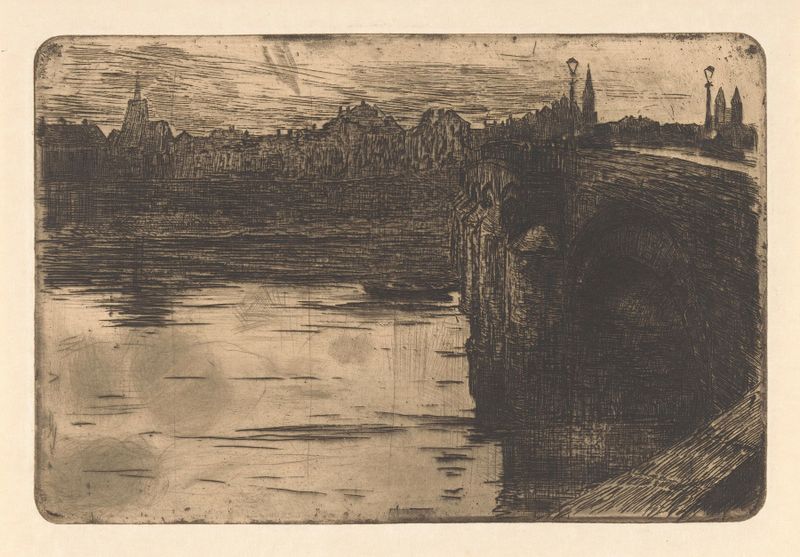
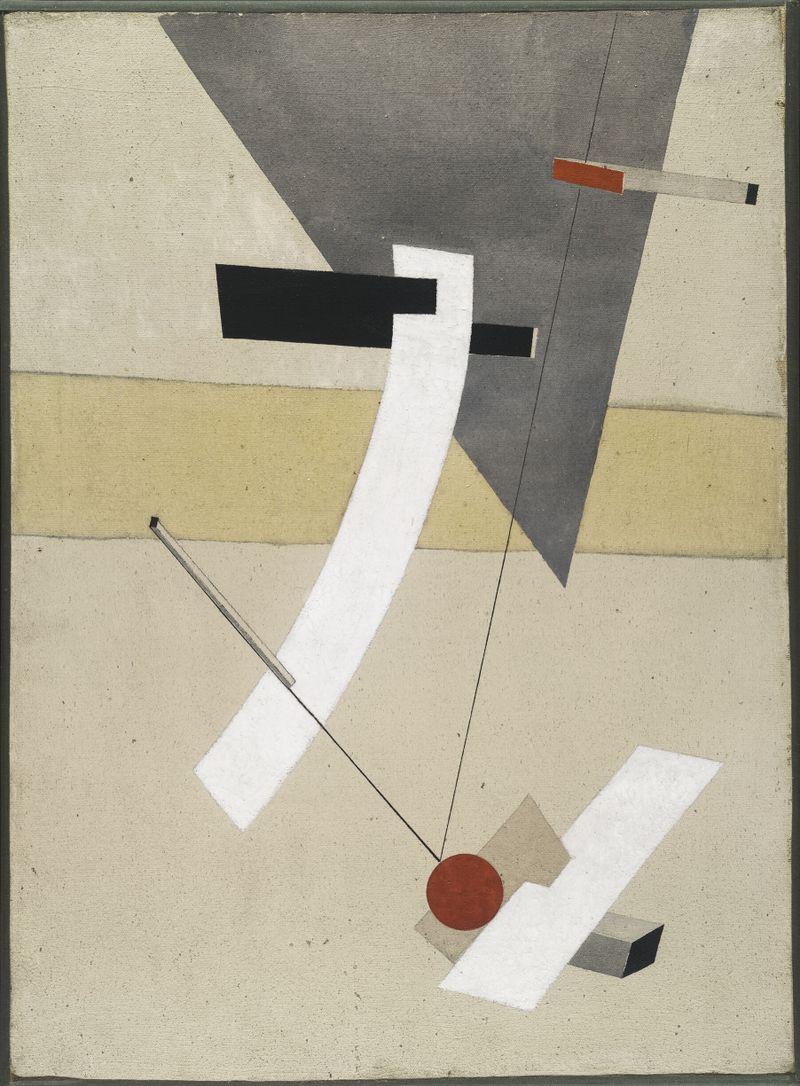
When did color learn to lie? In a world where reality intertwines with illusion, the reflection captivates and deceives, challenging our perception of truth and art. Look to the foreground where vibrant hues converge, drawing the eye to a shimmering surface that promises depth. The brushwork reveals a delicate balance of light and shadow, creating an illusion of liquid that teeters on the edge of reality. Notice how the colors bleed into one another, each stroke carefully applied to evoke a sense of movement, as if the scene pulses with life beneath the still exterior. As you explore further, contrasts emerge: the ethereal light dances harmoniously with darker undertones, creating a tension between clarity and obscurity.
The interplay of reflected images hints at the duality of existence; what is seen may not be the entirety of what is felt. This subtle discord invites introspection, inviting viewers to question their own perceptions and beliefs about the visible world. In the 19th century, the artist found himself amidst a burgeoning movement of realism and impressionism, experimenting with form and color in new ways. Painted during a time when the art world was undergoing transformation, the work reflects his ambition to blend the boundaries of reality and emotional resonance.
As he navigated through the complexities of his own experiences, the piece emerges as a testament to the evolving dialogue between art and perception.