
De extase van Maria Magdalena — History & Facts
Memory lingers like a whisper, shaping our perception and binding us to moments long passed. In the delicate interplay of light and shadow, a profound intimacy emerges, inviting us to confront both the sacred and the human experience. Look to the tender gaze of Maria Magdalena, her expression a study in complex emotion. The artist employs rich, earthy tones, allowing the warm shadows to cradle her features, while highlights dance gently on the folds of her garment.
The surrounding darkness accentuates her presence, creating a striking contrast and drawing the viewer's eye to her serene countenance. Notice the ethereal glow that seems to emanate from her, bridging the divine and earthly realms, as if she embodies a memory transcending time itself. In the subtle details lies a world of meaning—one can almost feel the weight of her past and the grace of her redemption. The sorrow in her eyes suggests a lifetime of experiences, yet there’s an underlying strength that speaks to resilience.
The juxtaposition of light and shadow reflects her duality: a woman torn between worldly pain and spiritual awakening, caught in the liminal space of transformation. This tension challenges the viewer to ponder their own encounters with memory and grace. Created in 1503, the work emerges from an era defined by spiritual exploration and the burgeoning Renaissance. The artist, though unknown, contributed to a rich dialogue surrounding human emotion and divinity, a theme prevalent during this time.
Artists were beginning to challenge traditional narratives, focusing on the inner lives of their subjects, illustrating a shift that would influence generations to come.
More Artworks by Unknown Artist
Browse all →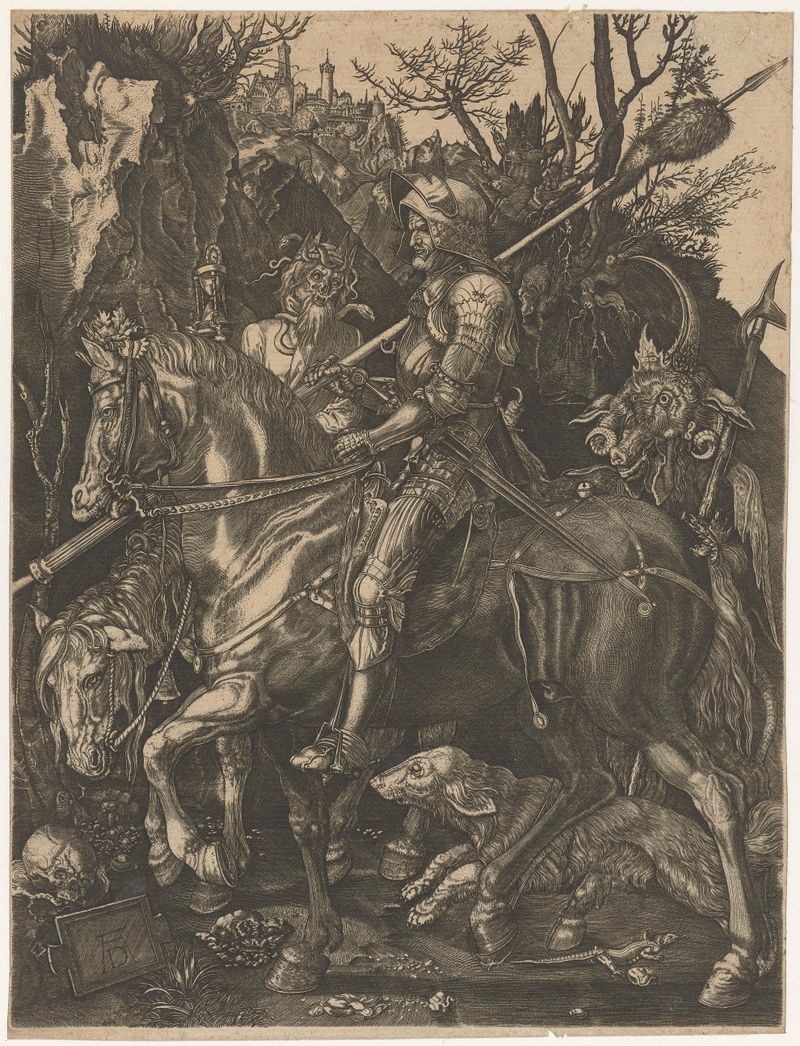
Ridder, Dood en Duivel
Unknown Artist
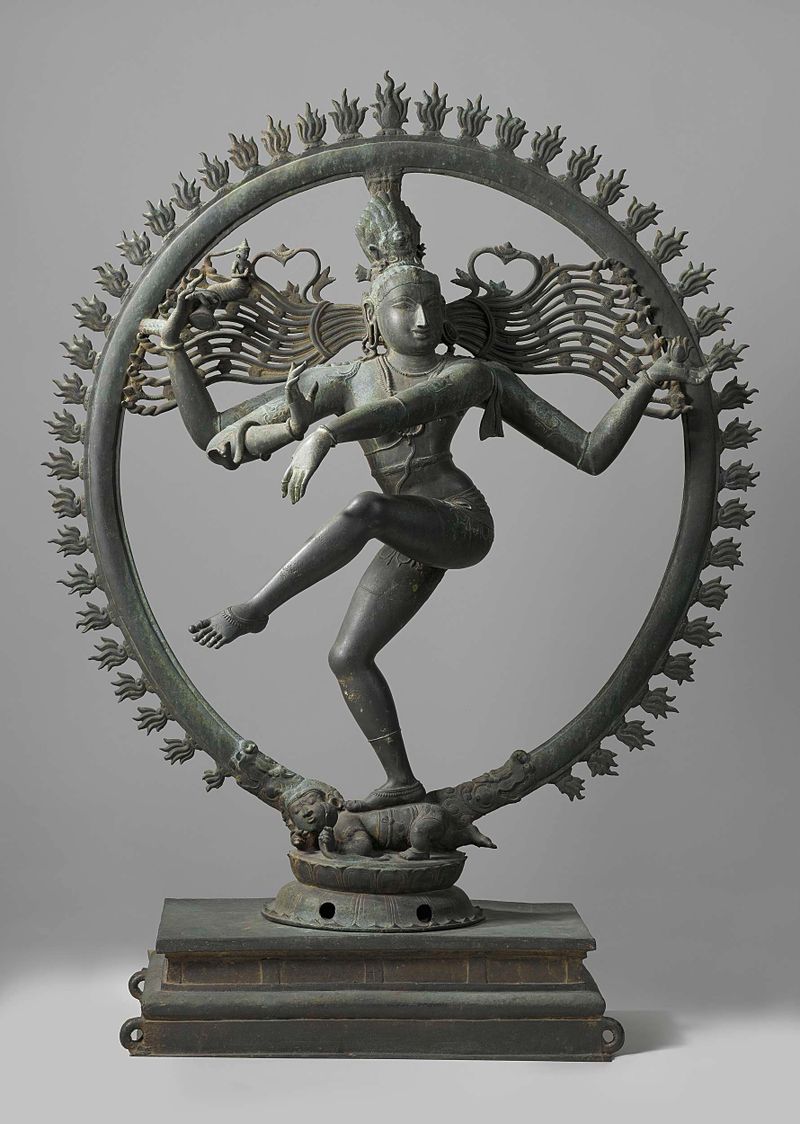
Shiva Nataraja
Unknown Artist
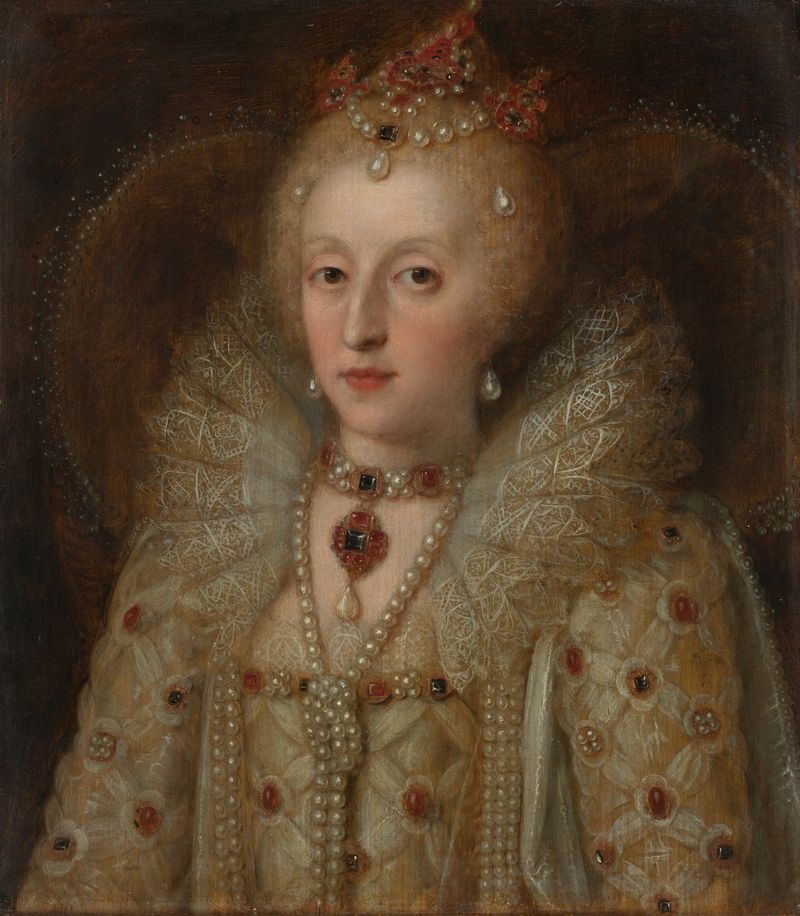
Portrait of Elizabeth I, Queen of England
Unknown Artist
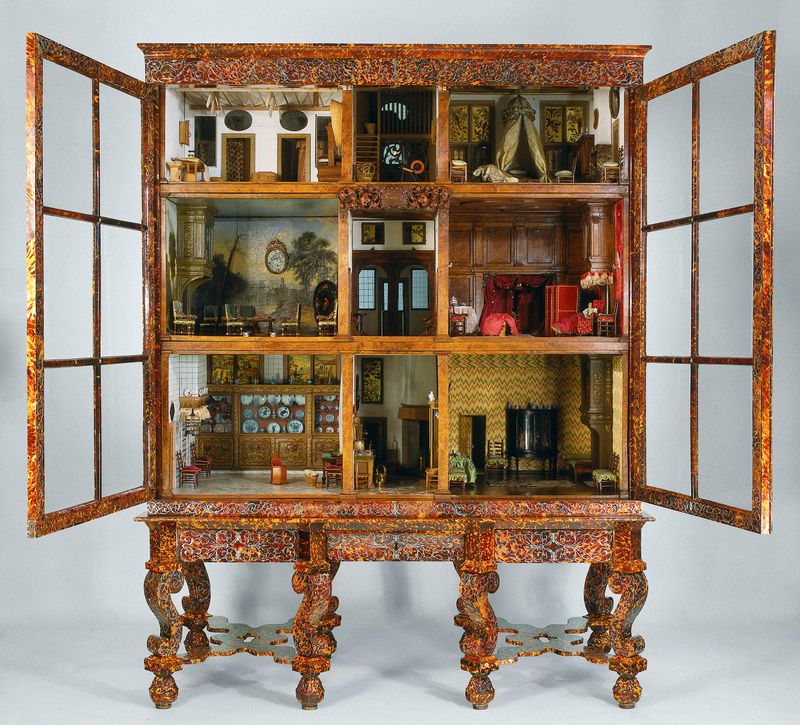
Dolls’ house of Petronella Oortman
Unknown Artist
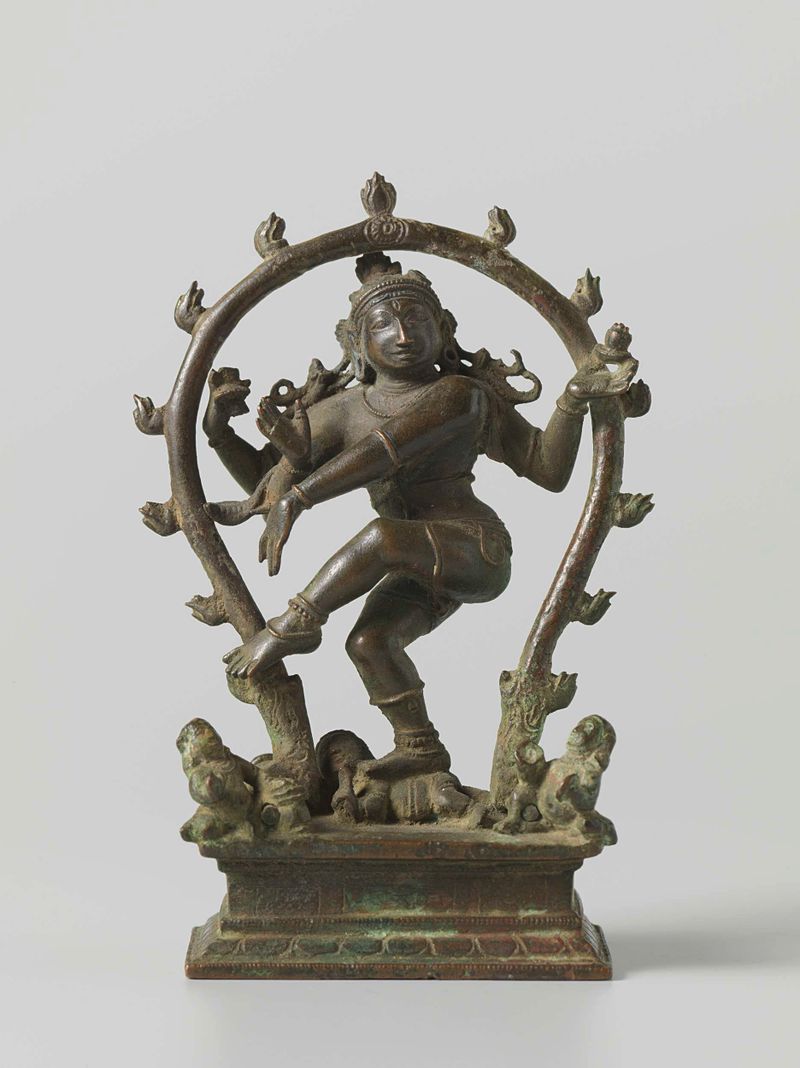
Shiva Nataraja
Unknown Artist

The Tale of Genji
Unknown Artist

The Tale of Genji
Unknown Artist
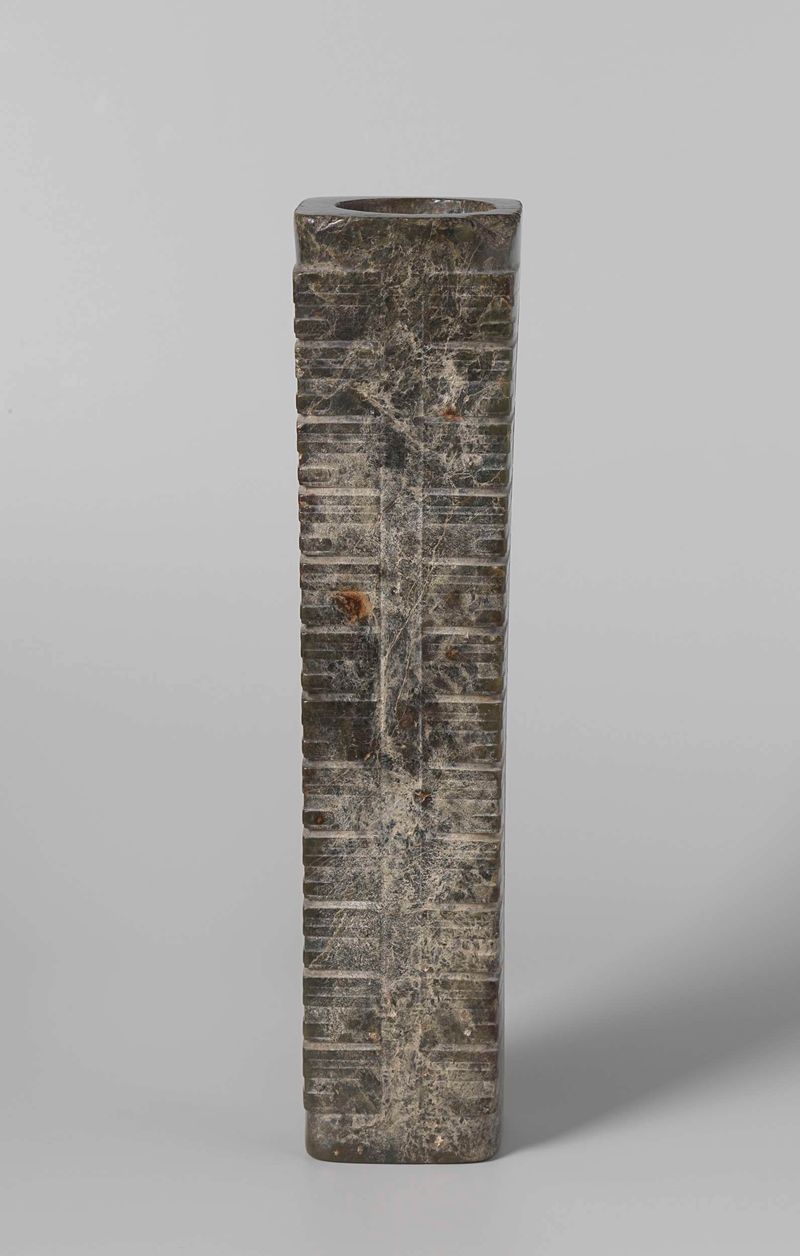
Cong
Unknown Artist
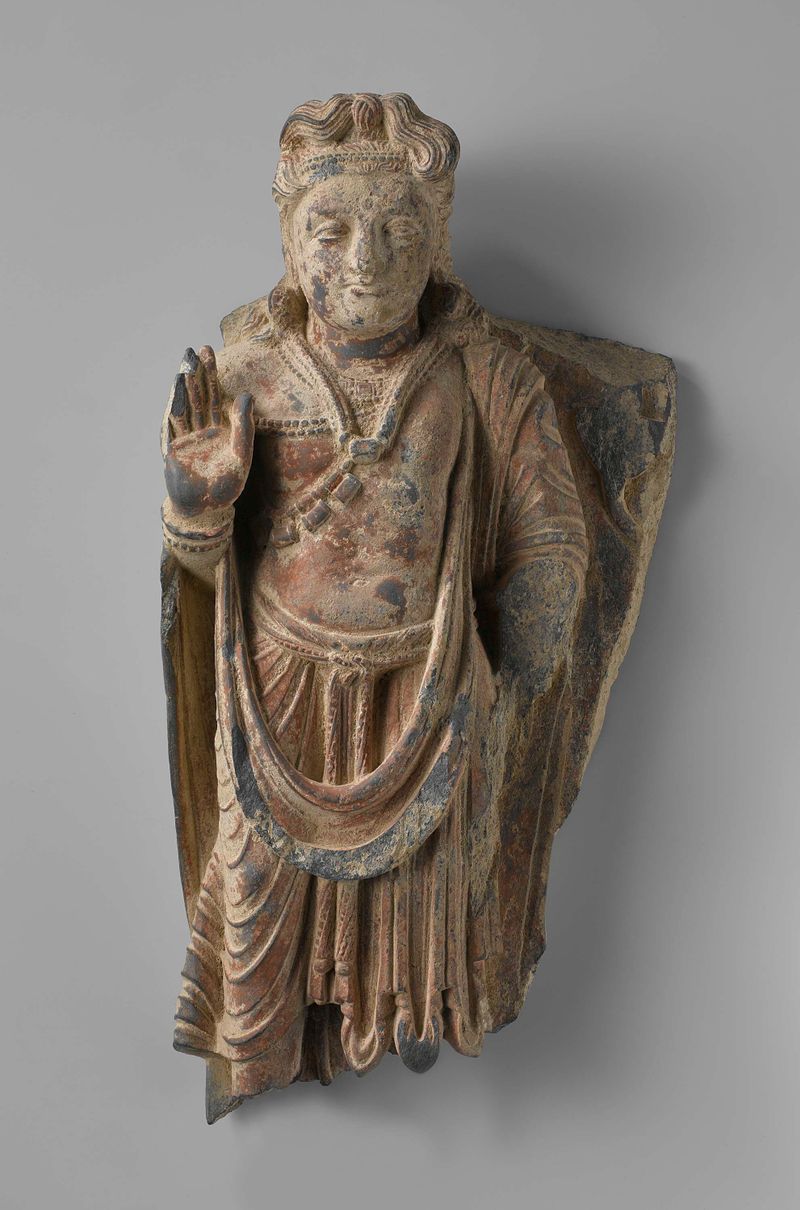
The bodhisattva Maitreya
Unknown Artist
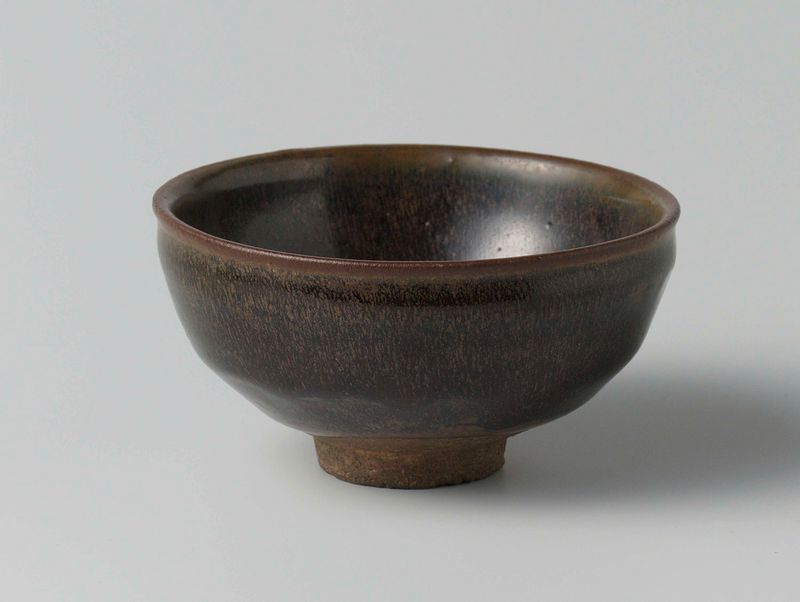
Teabowl with a 'hare's fur' glaze
Unknown Artist
More Religious Art
Browse all →
The Return of the Prodigal Son
Rembrandt van Rijn

The Garden of Earthly Delights
El Bosco

Count Orgaz’ funeral
El Greco

The Hundred Guilder Print: the central piece with Christ preaching, the plate arched
Rembrandt van Rijn

The Descent from the Cross
Rogier van der Weyden

The return of the prodigal son
Rembrandt van Rijn