De Gedempte Burgwal te ‘s-Gravenhage — History & Facts
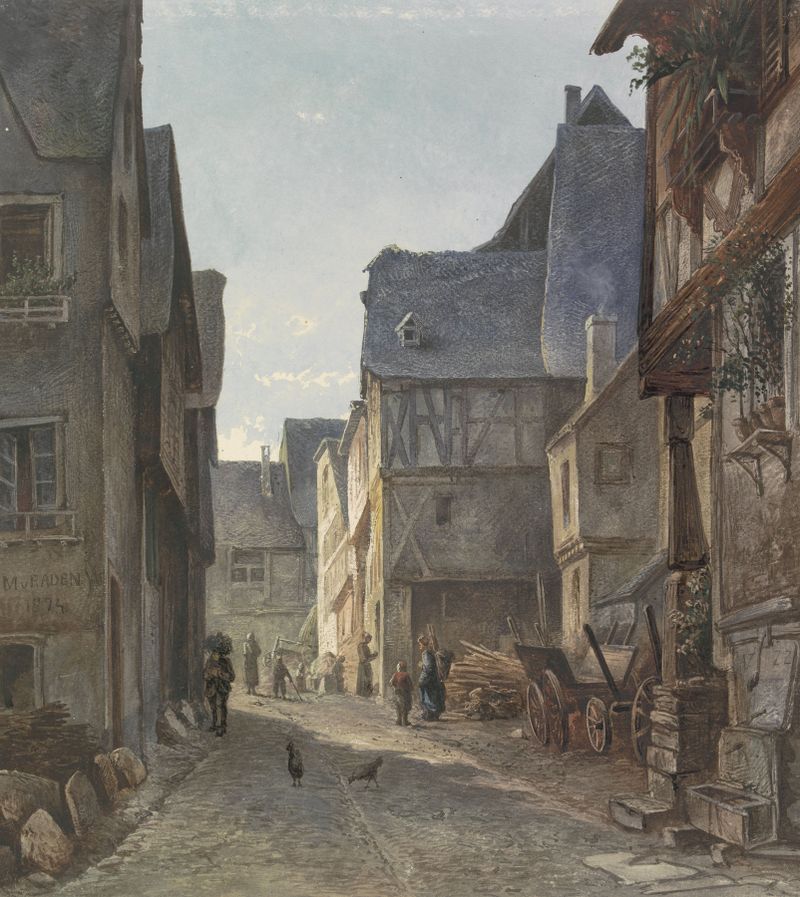
In the world of art, such reflections reveal the intricate layers beneath the surface, where beauty intertwines with haunting emotion. This painting captures the essence of beauty in its stillness, while whispering secrets of the past. Look to the center of the canvas, where the calm waters of the canal reflect the nearby architecture. The muted tones of the buildings blend harmoniously with the gentle pastels of the sky, creating a tranquil yet somber atmosphere.
Notice how the brushwork is deliberate and refined; every stroke seems to echo the quiet elegance of the scene, drawing you into the tranquil embrace of the city that breathes history. As your gaze meanders, consider the juxtaposition of the natural elements against the rigid structures. The reflections in the water not only mirror the buildings but also suggest an underlying sense of melancholy. The fleeting moment captured—where the ephemeral beauty of nature meets the permanence of man-made architecture—invites contemplation on the passage of time and the bittersweet nature of existence.
There is a subtle tension here, as if the scene is holding its breath, waiting for something just out of reach. Created between 1842 and 1879, this piece reflects the artist's deep connection to his surroundings in The Hague. In a period marked by shifts in artistic movements and the rise of realism, the artist delved into capturing the serene beauty of everyday life. Deeply influenced by both the romanticism of earlier generations and the emerging modernity, he sought to encapsulate the delicate balance between beauty and the complexities of the human experience.