
De heilige Joris en de prinses — History & Facts
What secret hides in the quiet of the canvas? Beneath the surface of De heilige Joris en de prinses, a tale of valor and deception unfolds, inviting viewers to peel back layers of meaning like the fragile petals of a flower. To begin your exploration, focus on the left side where St. George, clad in gleaming armor, holds his lance poised against the oncoming dragon. The stark contrast of his silvery armor against the dark, menacing scales of the beast captures the essence of a duel between good and evil.
Notice how the artist employs a rich palette of greens and browns in the landscape, creating a natural yet ominous backdrop. The subtle interplay of light illuminates the figures, drawing our eyes toward the princess, whose expression conveys uncertainty and perhaps a hint of betrayal. Delving deeper, the composition reveals a complex relationship between the knight and the princess. The almost ethereal light surrounding her suggests a purity threatened by the very danger St.
George confronts. This tension hints at a deeper narrative — one of power dynamics and the possibility of treachery hidden behind noble deeds. The dragon, often a symbol of chaos, looms large, signifying not only an external struggle but also an internal conflict within the princess, who may be torn between her admiration for the hero and the reality of her own precarious position. Painted between 1508 and 1583, this work demonstrates the unique blend of Renaissance ideals and emerging Baroque drama.
During this period, artists grappled with themes of heroism and morality amid the shifting tides of social and religious upheaval. The anonymity of the artist reflects the collective striving for expression in a time when individual recognition was not yet paramount.
More Artworks by Unknown Artist
Browse all →
Ridder, Dood en Duivel
Unknown Artist
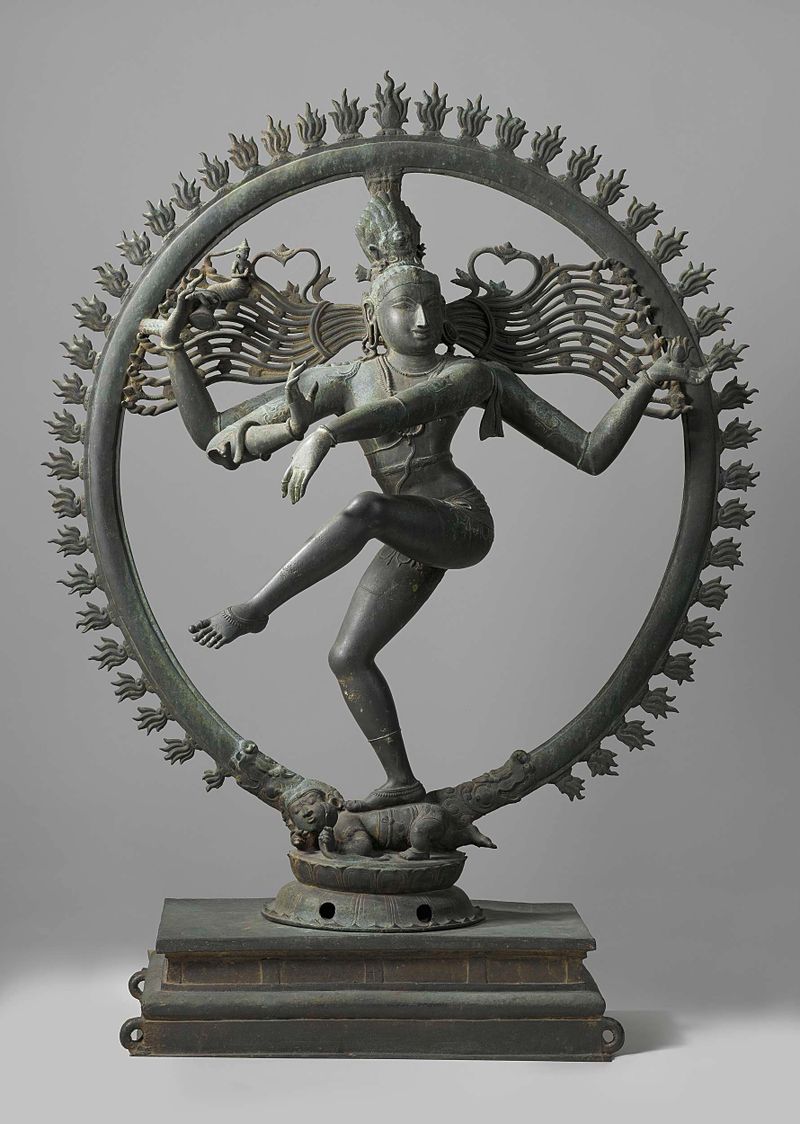
Shiva Nataraja
Unknown Artist
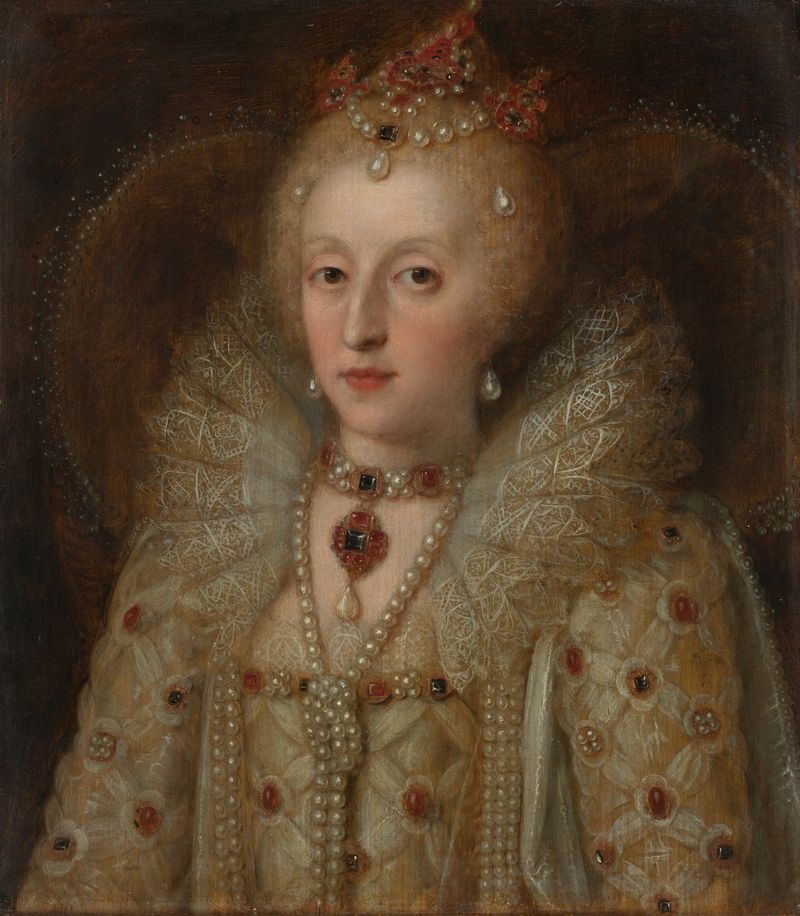
Portrait of Elizabeth I, Queen of England
Unknown Artist
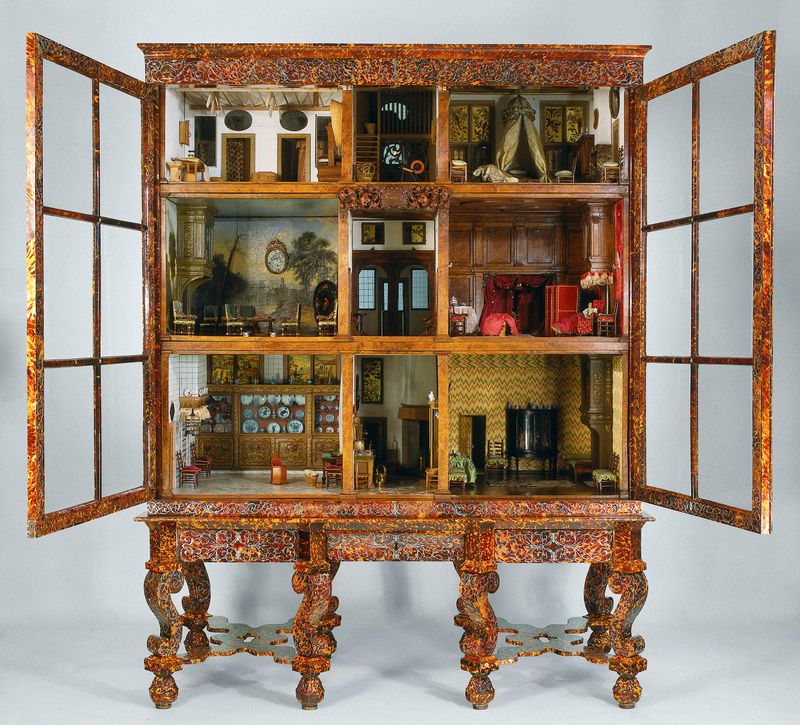
Dolls’ house of Petronella Oortman
Unknown Artist
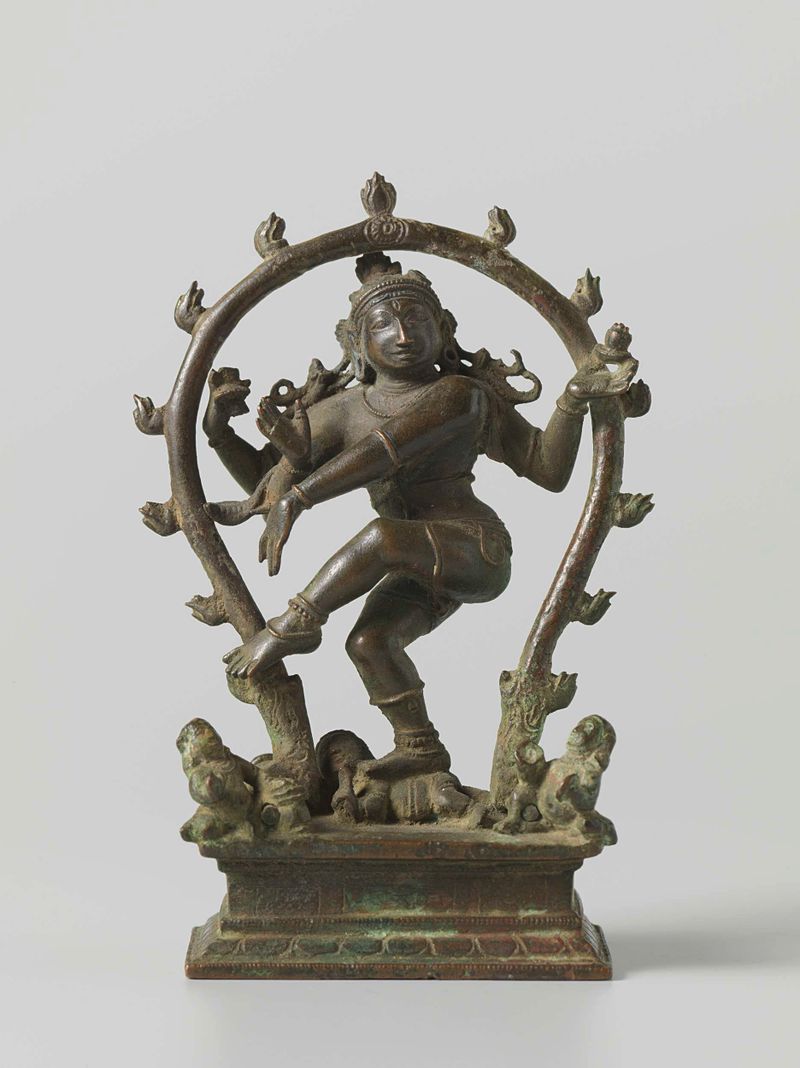
Shiva Nataraja
Unknown Artist

The Tale of Genji
Unknown Artist

The Tale of Genji
Unknown Artist

Cong
Unknown Artist
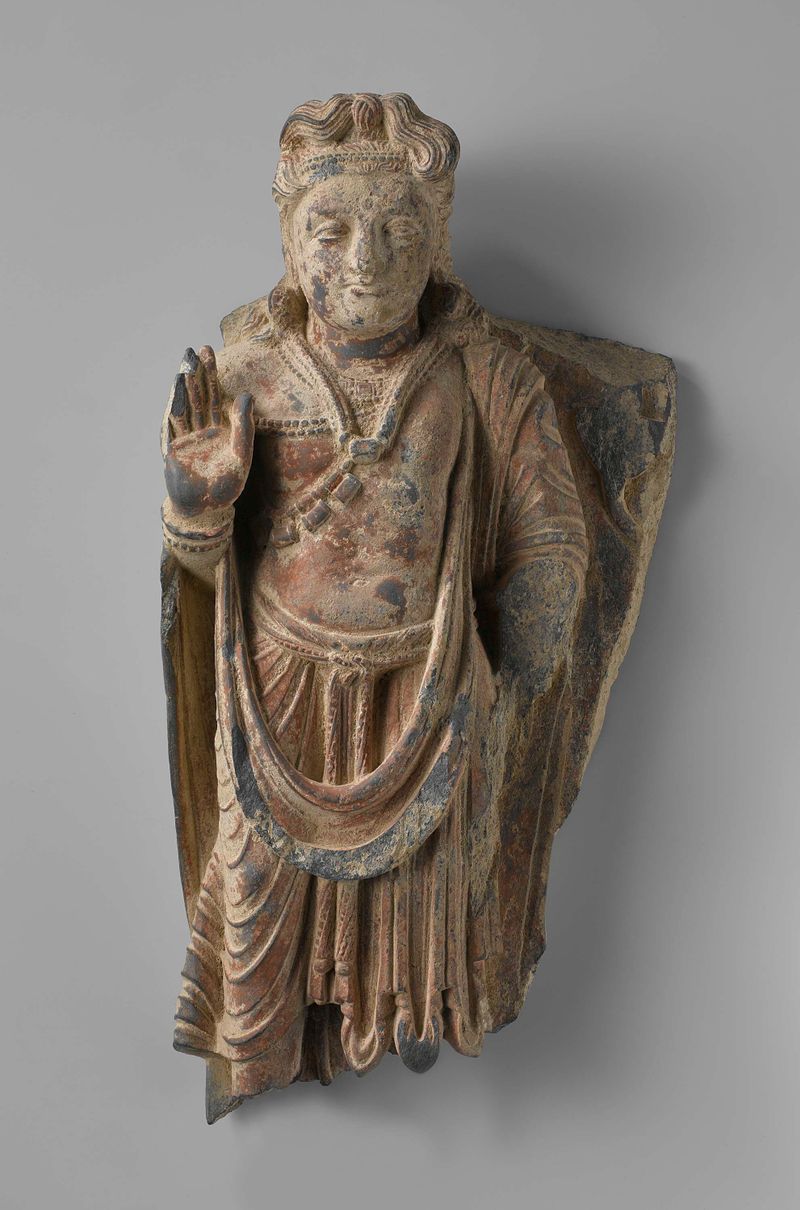
The bodhisattva Maitreya
Unknown Artist

Teabowl with a 'hare's fur' glaze
Unknown Artist
More Religious Art
Browse all →
The Return of the Prodigal Son
Rembrandt van Rijn

The Garden of Earthly Delights
El Bosco

Count Orgaz’ funeral
El Greco

The Hundred Guilder Print: the central piece with Christ preaching, the plate arched
Rembrandt van Rijn

The Descent from the Cross
Rogier van der Weyden

The return of the prodigal son
Rembrandt van Rijn