
De kruisiging — History & Facts
Can paint confess what words never could? In the silent canvas lies a profound testament to suffering and sacrifice, inviting us to explore the depths of human experience through visual storytelling. Look to the center, where the figure of Christ hangs in a haunting stillness, arms outstretched upon the cross. The muted colors envelop the scene, creating a stark contrast between the darkened sky and the warm, earthly tones of the landscape below. Notice how the delicate brushwork highlights the anguish etched across His face, while the sharpness of the nails draws your gaze down, emphasizing the weight of the sacrifice and the tension held in that singular moment. Beyond the immediate depiction of crucifixion, the interplay of light and shadow evokes a sense of spiritual duality—a conflict between despair and hope.
The distant mountains, cloaked in mist, symbolize both the isolation of suffering and the promise of redemption. Each figure surrounding the cross, whether mournful or defiant, amplifies the emotional tension, offering glimpses into their own reactions to the event, making the scene both personal and universal. This artwork emerged during a time of immense religious fervor and conflict in Europe, specifically between 1590 and 1610. The artist, whose identity remains shrouded in mystery, likely created it amidst the backdrop of the Counter-Reformation, which sought to reaffirm Catholic doctrine.
This painting reflects the zeitgeist of an era grappling with faith, identity, and the profound implications of sacrifice, embodying a powerful intersection between art and the spiritual struggles of the time.
More Artworks by Unknown Artist
Browse all →
Ridder, Dood en Duivel
Unknown Artist
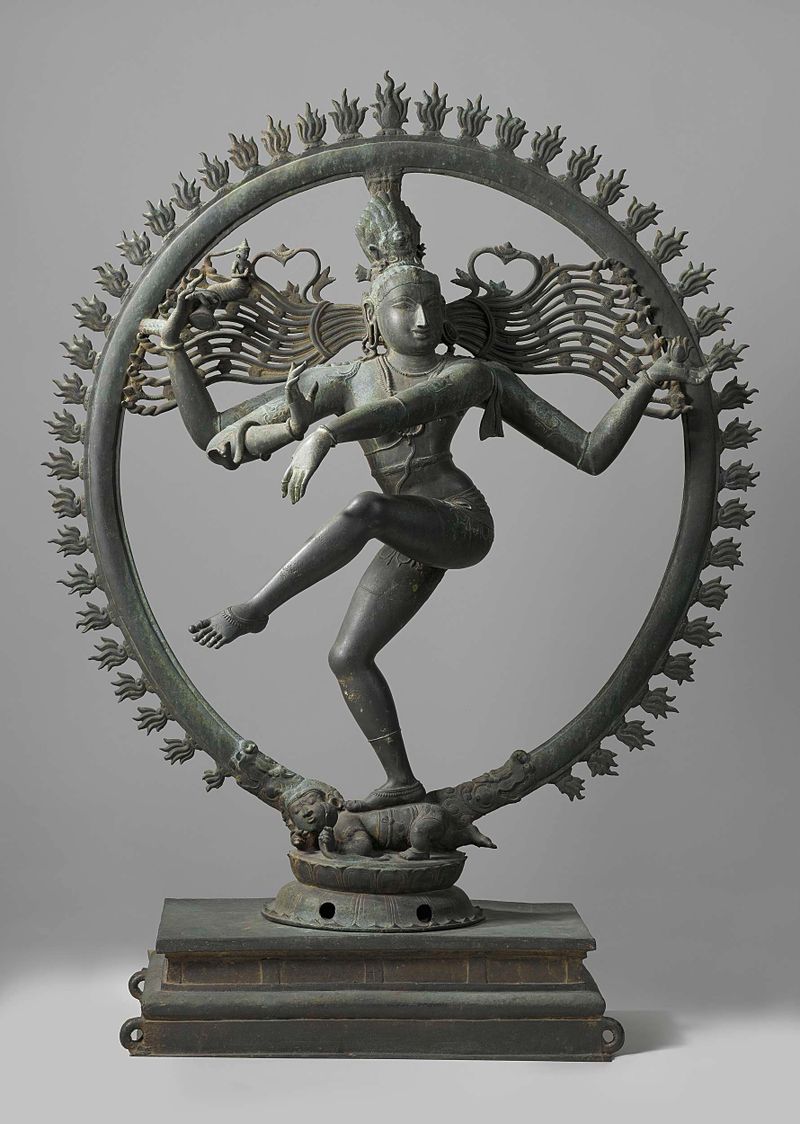
Shiva Nataraja
Unknown Artist
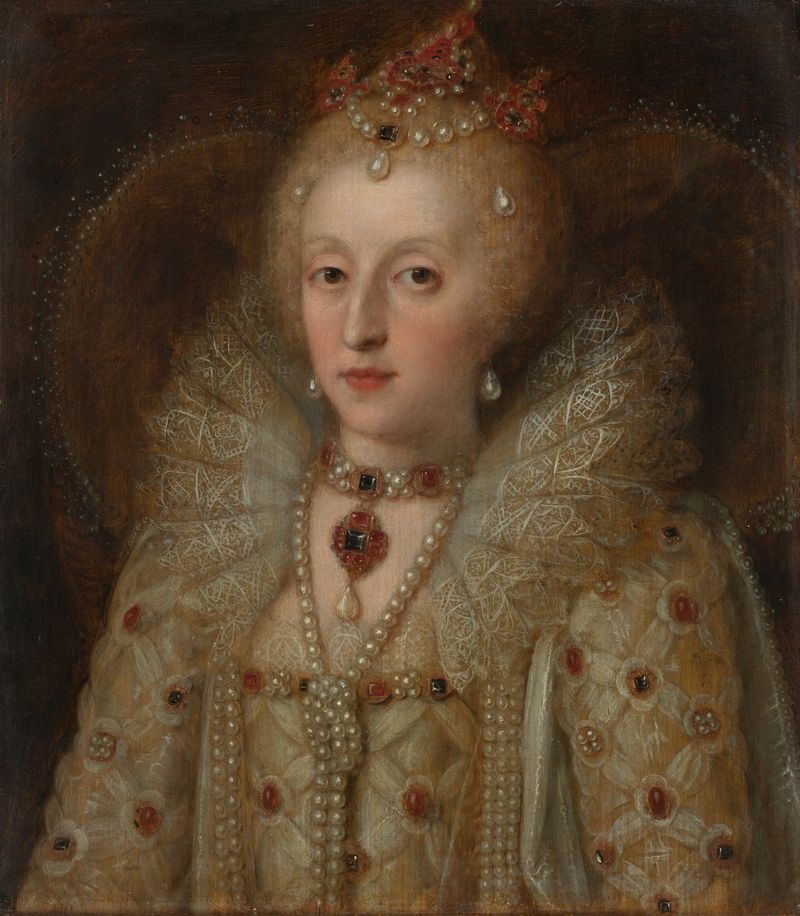
Portrait of Elizabeth I, Queen of England
Unknown Artist
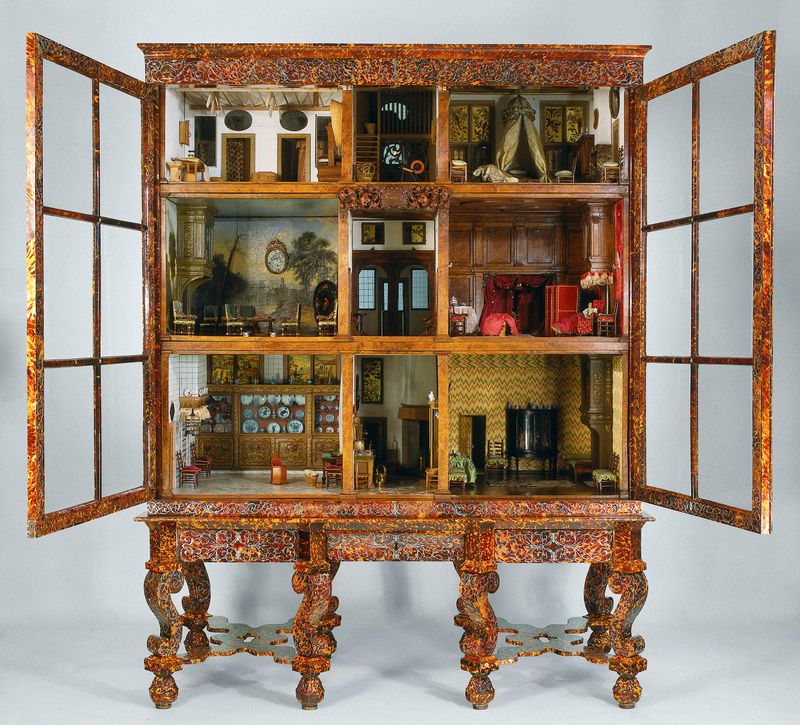
Dolls’ house of Petronella Oortman
Unknown Artist
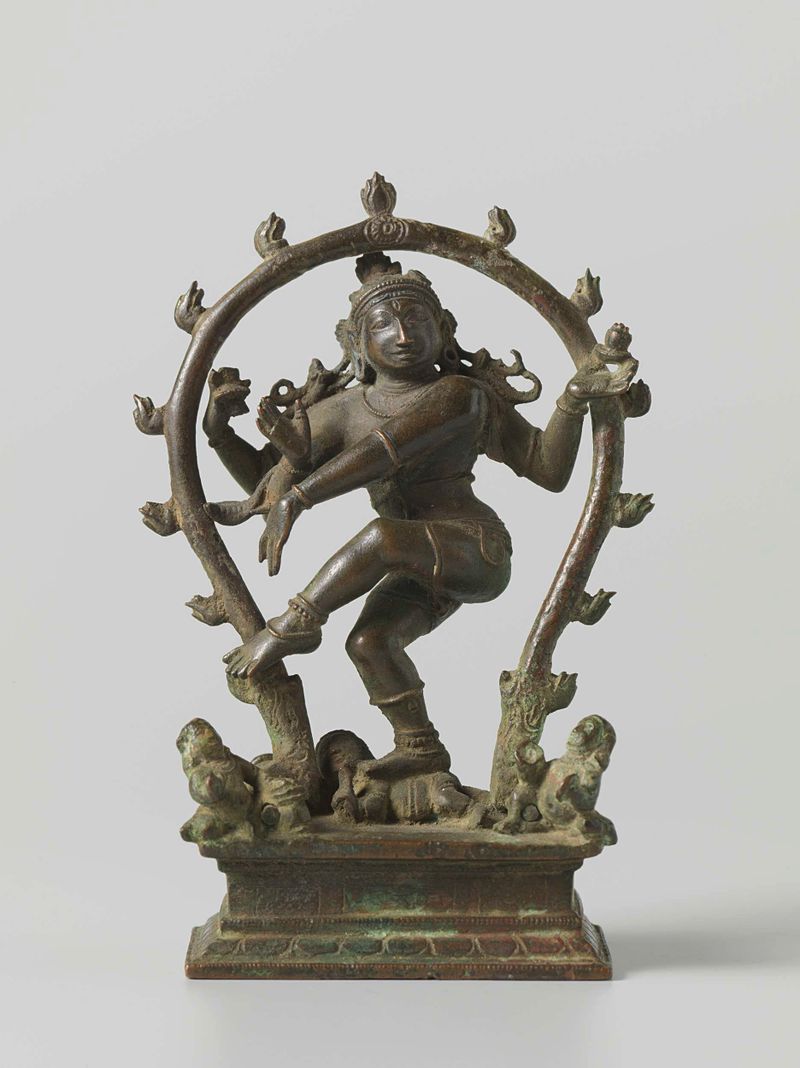
Shiva Nataraja
Unknown Artist

The Tale of Genji
Unknown Artist

The Tale of Genji
Unknown Artist

Cong
Unknown Artist
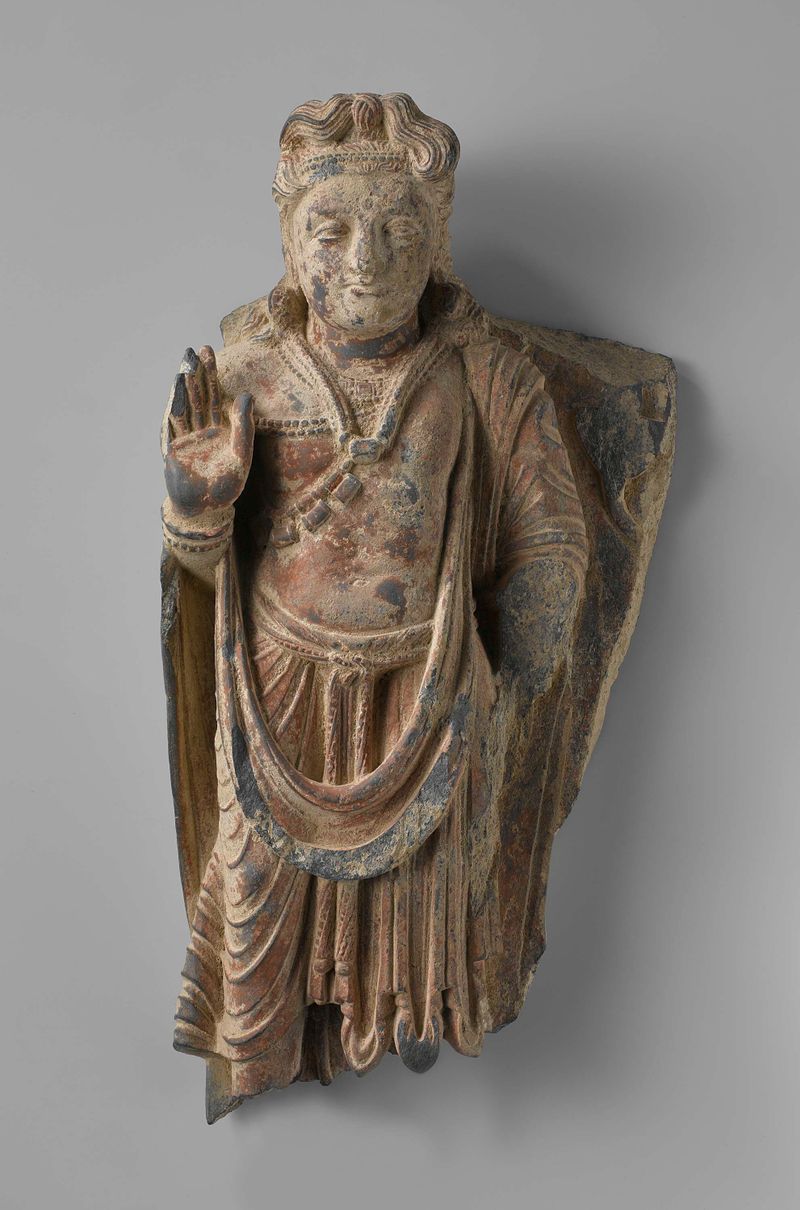
The bodhisattva Maitreya
Unknown Artist

Teabowl with a 'hare's fur' glaze
Unknown Artist
More Religious Art
Browse all →
The Return of the Prodigal Son
Rembrandt van Rijn

The Garden of Earthly Delights
El Bosco

Count Orgaz’ funeral
El Greco

The Hundred Guilder Print: the central piece with Christ preaching, the plate arched
Rembrandt van Rijn

The Descent from the Cross
Rogier van der Weyden

The return of the prodigal son
Rembrandt van Rijn