
De mens is dankbaar — History & Facts
Can paint confess what words never could? In De mens is dankbaar, an unknown artist captures the essence of gratitude through a breathtaking interplay of beauty and emotion, inviting the viewer to reflect on the silent narratives that lie within the strokes of a brush. Look to the center of the composition, where a figure stands, hands clasped in quiet reverence. Notice how the artist employs a rich palette of deep reds and warm golds to accentuate the fabric of the garments, creating a striking contrast against the muted backdrop. The soft light falls gently across the face, illuminating a serene expression that speaks volumes.
With each brushstroke, the artist renders not just a figure, but a moment frozen in time — an embodiment of thankfulness that transcends the ordinary. Hidden within the tableau are layers of meaning. The figure's modest attire may hint at humility, while the surrounding symbols suggest the abundance of life. The delicate interplay of light and shadow reveals a tension between the visible and the unseen, inviting the viewer to ponder the deeper connections between humanity and the divine.
Each detail, from the subtle curve of a hand to the ethereal glow in the background, enhances the emotional depth of the work, suggesting that beauty itself can be a form of gratitude. Created between 1520 and 1560, this piece emerges from a time when Europe was experiencing profound transformations in art and thought. The artist, whose identity remains a mystery, was likely influenced by the burgeoning Renaissance ideals that celebrated human emotion and experience. In this period of religious and cultural change, the artwork serves as a poignant reminder of the enduring power of gratitude and beauty in the human experience.
More Artworks by Unknown Artist
Browse all →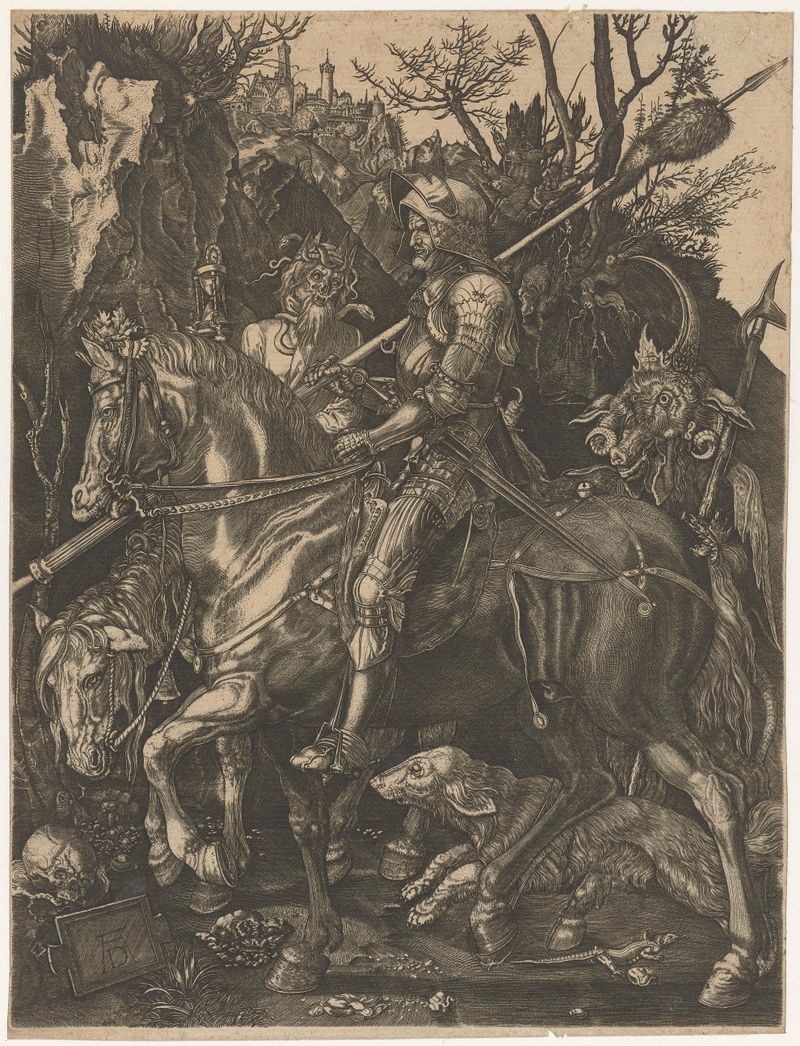
Ridder, Dood en Duivel
Unknown Artist
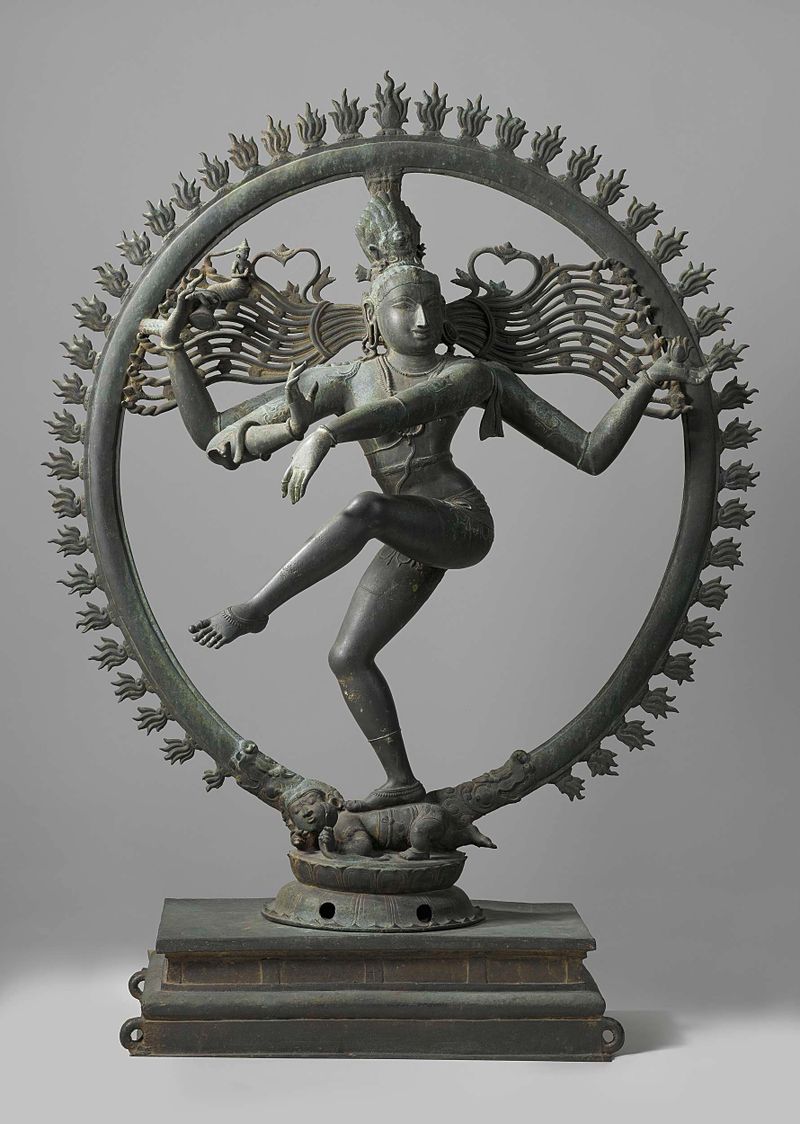
Shiva Nataraja
Unknown Artist
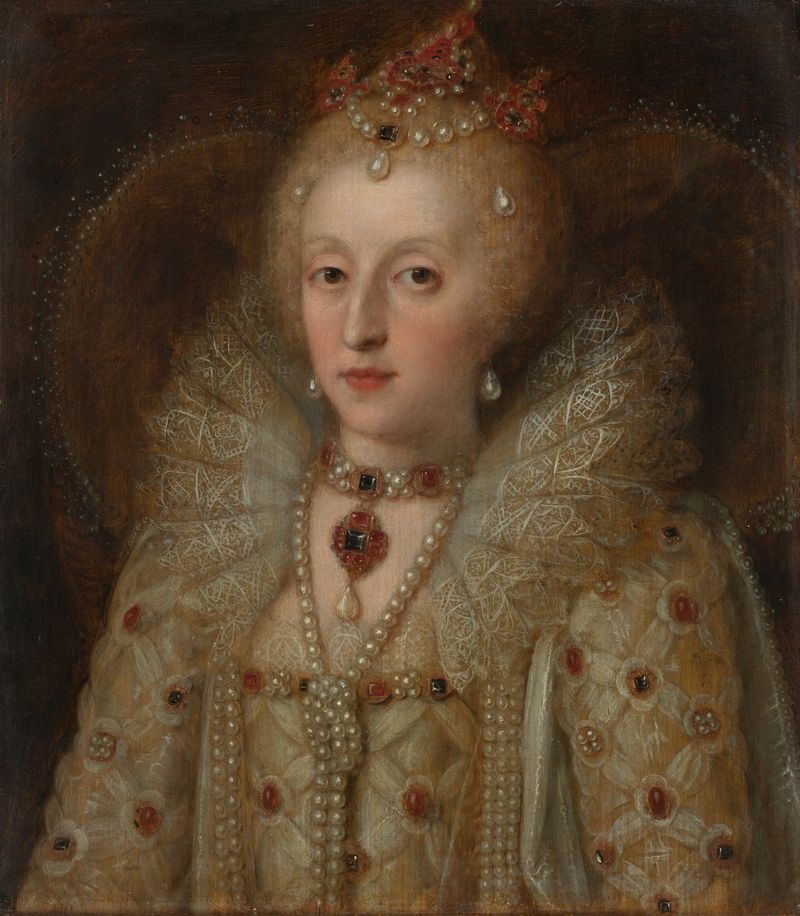
Portrait of Elizabeth I, Queen of England
Unknown Artist
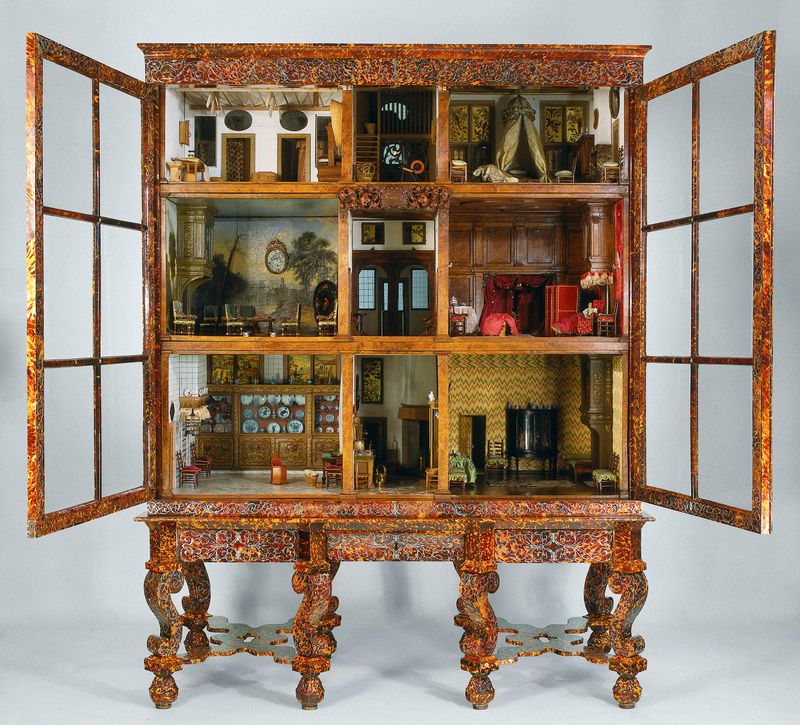
Dolls’ house of Petronella Oortman
Unknown Artist
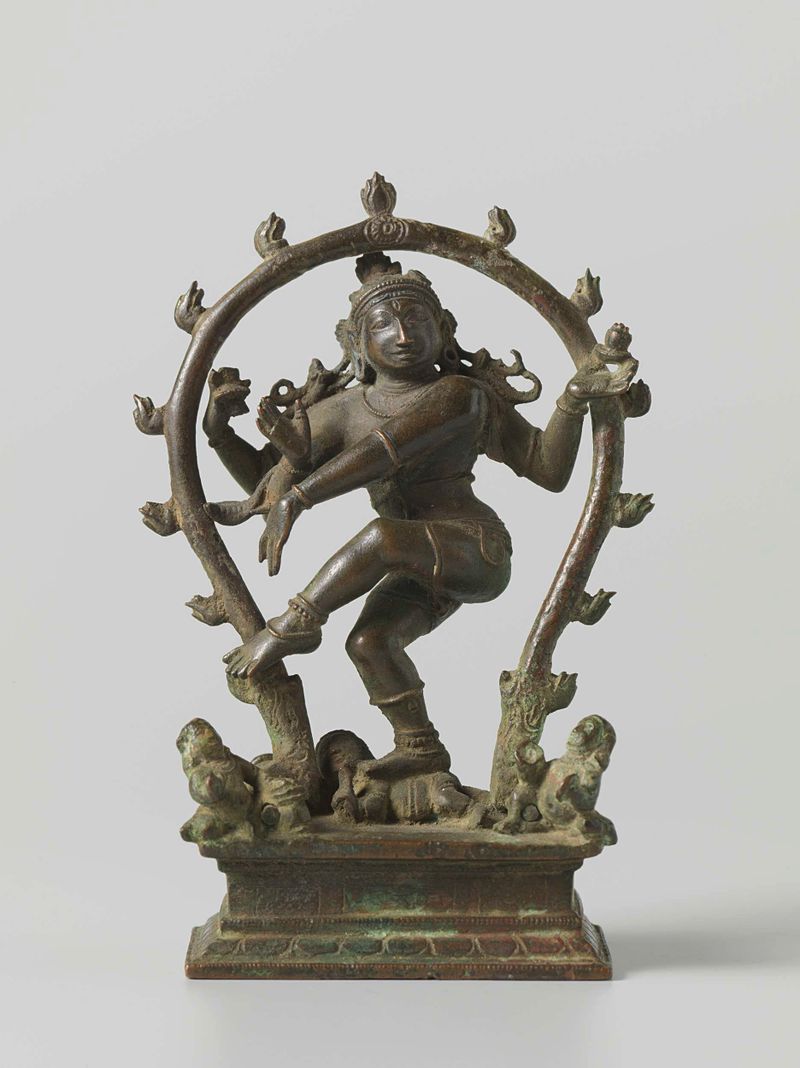
Shiva Nataraja
Unknown Artist

The Tale of Genji
Unknown Artist

The Tale of Genji
Unknown Artist
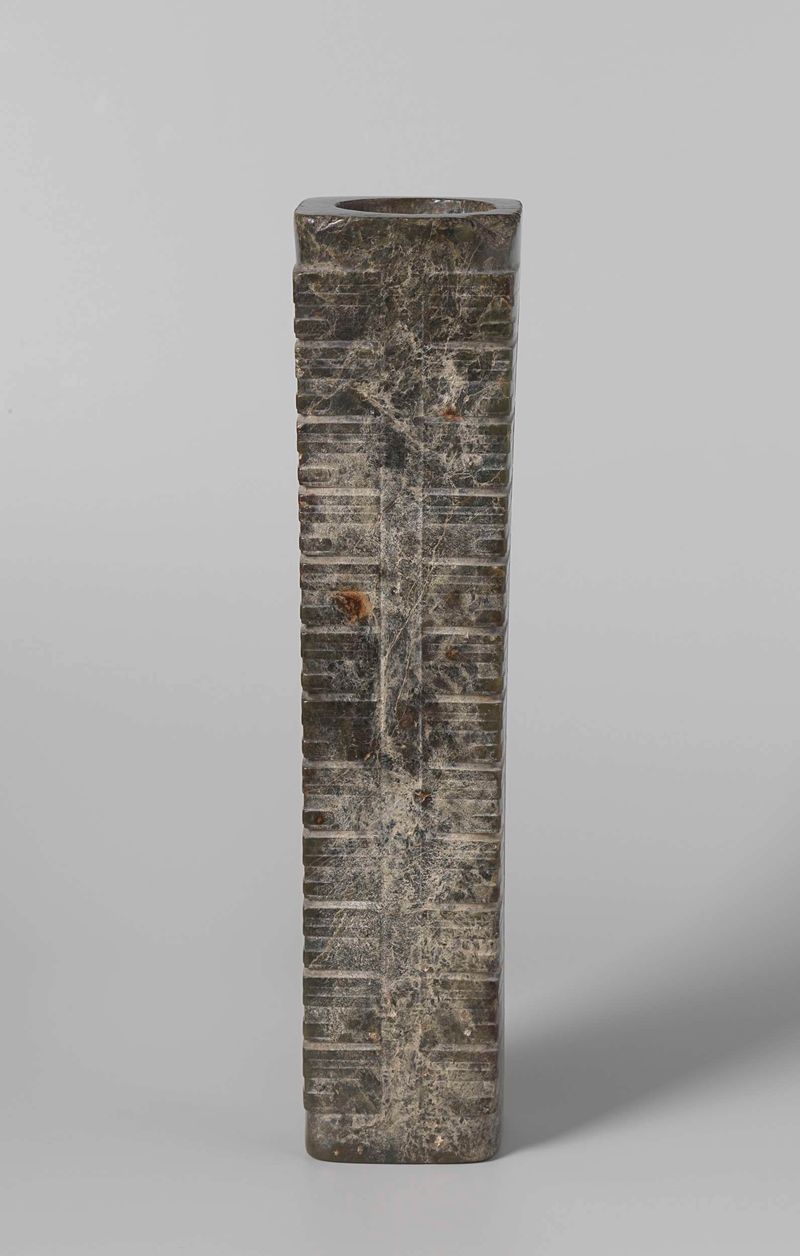
Cong
Unknown Artist
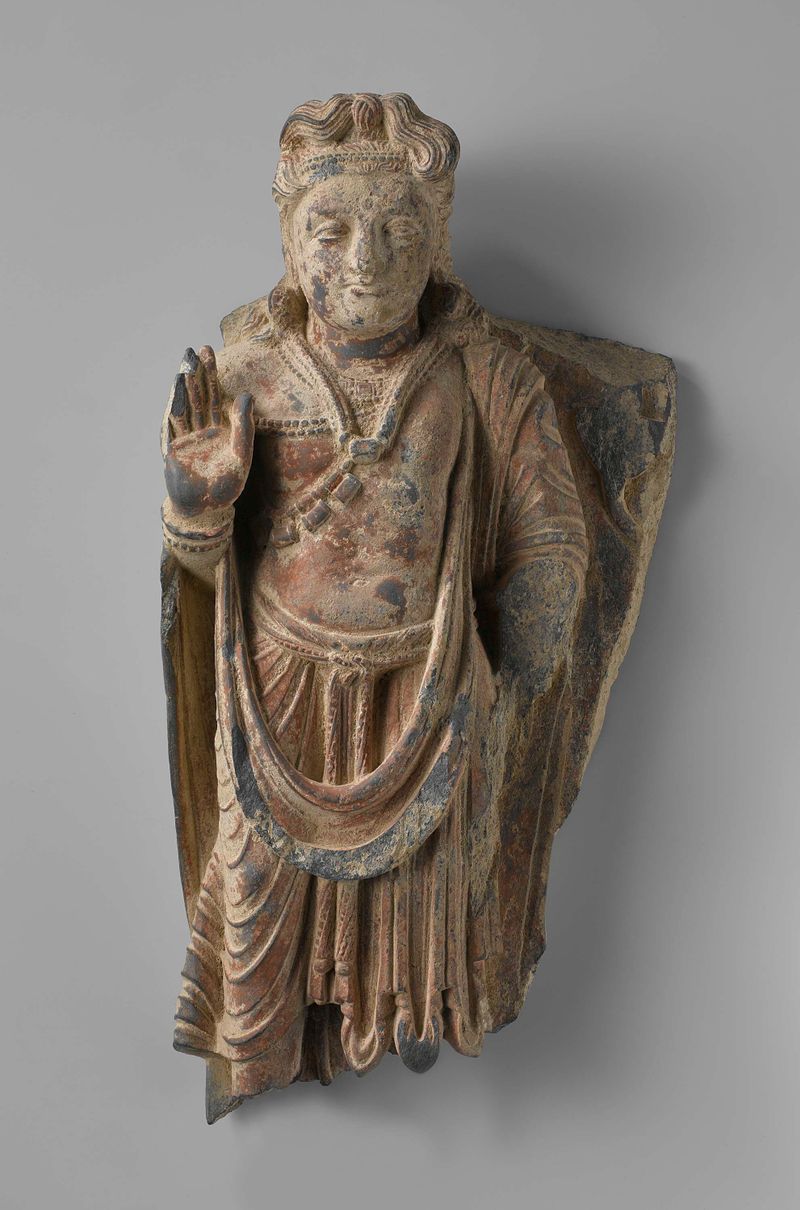
The bodhisattva Maitreya
Unknown Artist
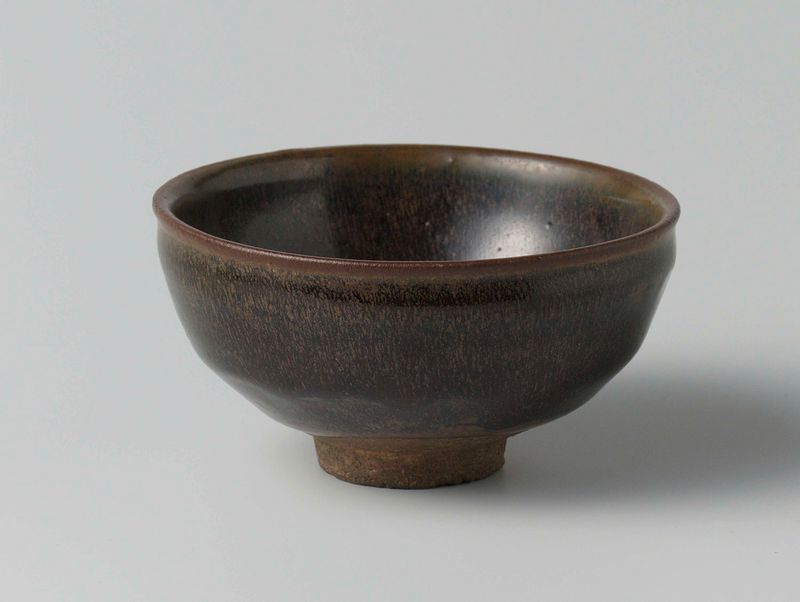
Teabowl with a 'hare's fur' glaze
Unknown Artist
More Religious Art
Browse all →
The Return of the Prodigal Son
Rembrandt van Rijn

The Garden of Earthly Delights
El Bosco

Count Orgaz’ funeral
El Greco

The Hundred Guilder Print: the central piece with Christ preaching, the plate arched
Rembrandt van Rijn

The Descent from the Cross
Rogier van der Weyden

The return of the prodigal son
Rembrandt van Rijn