
De opwekking van Lazarus — History & Facts
Who listens when art speaks of silence? In the ethereal realm of De opwekking van Lazarus, a sense of innocence mingles with the solemnity of resurrection. The absence of sound amplifies the weight of the moment, inviting contemplation about life, death, and the fragile boundaries in between. Focus on the central figure, stark against the muted tones of the background, where deep shadows cradle the scene. The artist’s choice to illuminate Lazarus emerges from a source to the left, casting a gentle glow over his face, suggesting both vitality and vulnerability.
The delicate interplay of light and shadow expertly shapes the figures around him, setting them in a hierarchy of emotion — from disbelief to reverent awe. The contrast between Lazarus's lifelessness and his imminent awakening encapsulates a profound emotional tension. Take note of the hands reaching toward him, representing hope and despair in equal measure. Each gesture is laden with significance, reflecting a collective yearning for innocence and restoration.
The delicate balance of despair and faith resonates deeply, pulling the viewer into a shared experience of both suffering and resurrection. Painted during a time of spiritual upheaval in Europe, this work emerged in the early 17th century, a period rife with Baroque influence and religious fervor. The artist, whose identity remains shrouded in mystery, immersed themselves in a world grappling with questions of mortality and salvation. This painting stands as a testament to those tumultuous times, capturing the essence of human vulnerability and the enduring quest for hope amid the shadows of existence.
More Artworks by Unknown Artist
Browse all →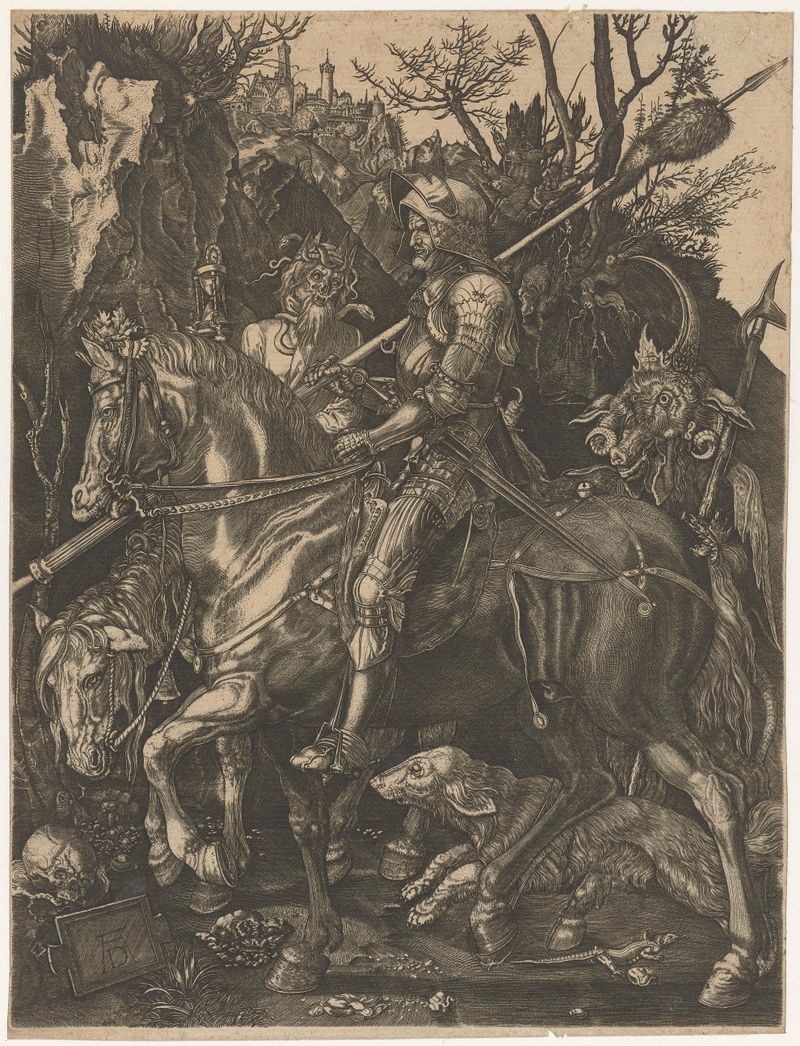
Ridder, Dood en Duivel
Unknown Artist
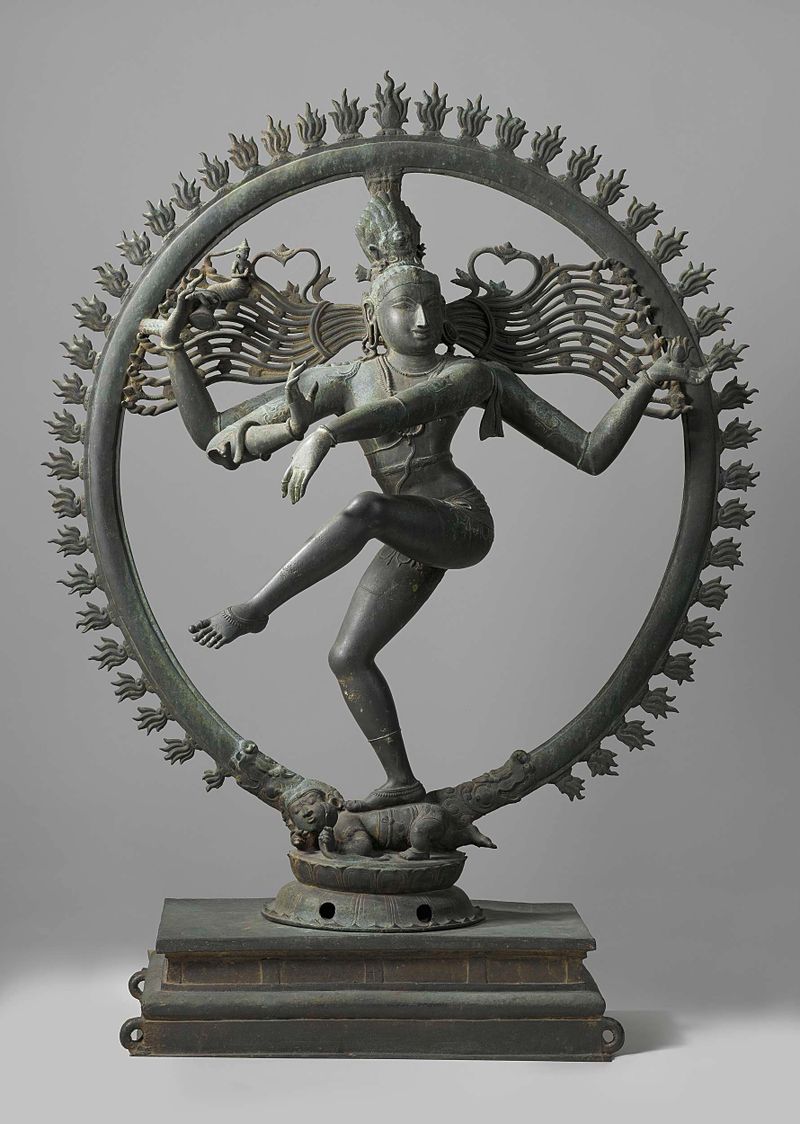
Shiva Nataraja
Unknown Artist
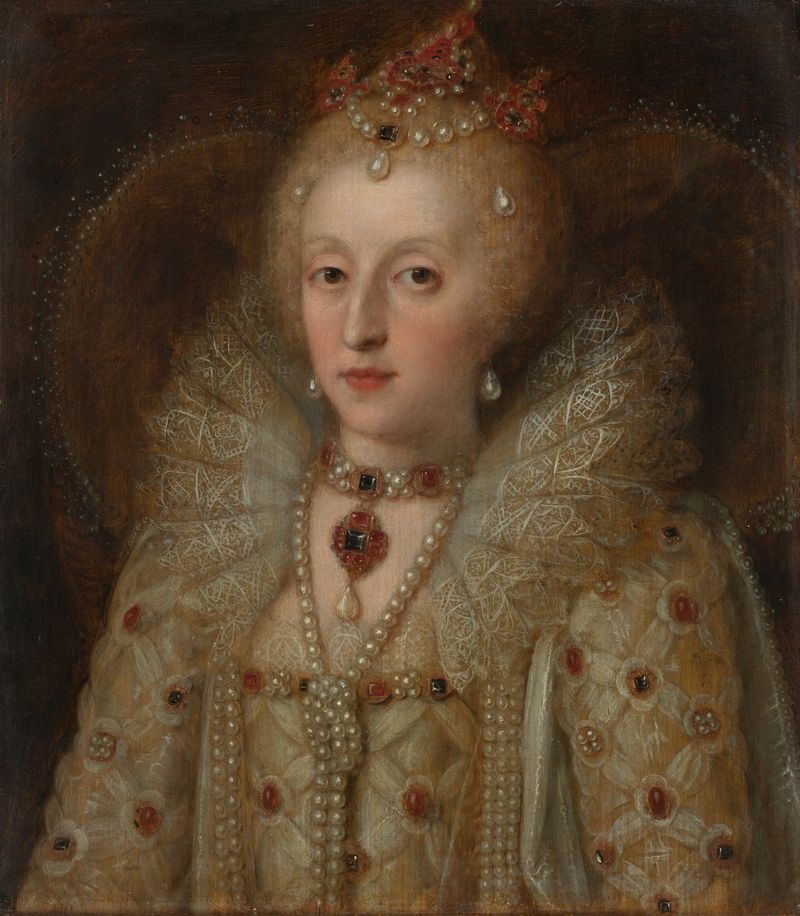
Portrait of Elizabeth I, Queen of England
Unknown Artist
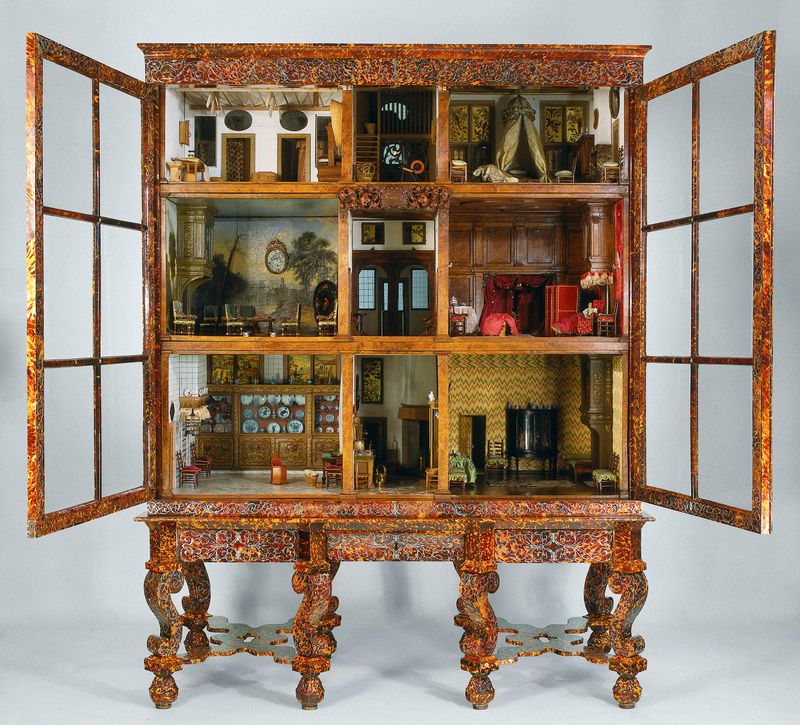
Dolls’ house of Petronella Oortman
Unknown Artist
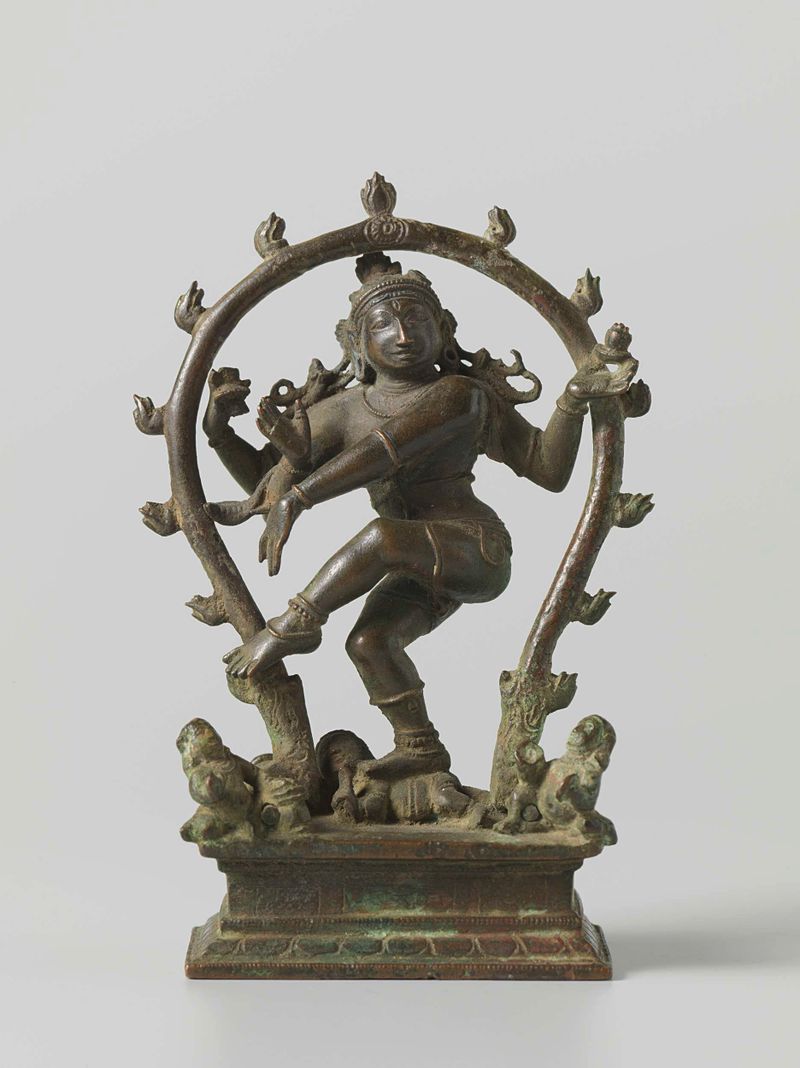
Shiva Nataraja
Unknown Artist

The Tale of Genji
Unknown Artist

The Tale of Genji
Unknown Artist

Cong
Unknown Artist
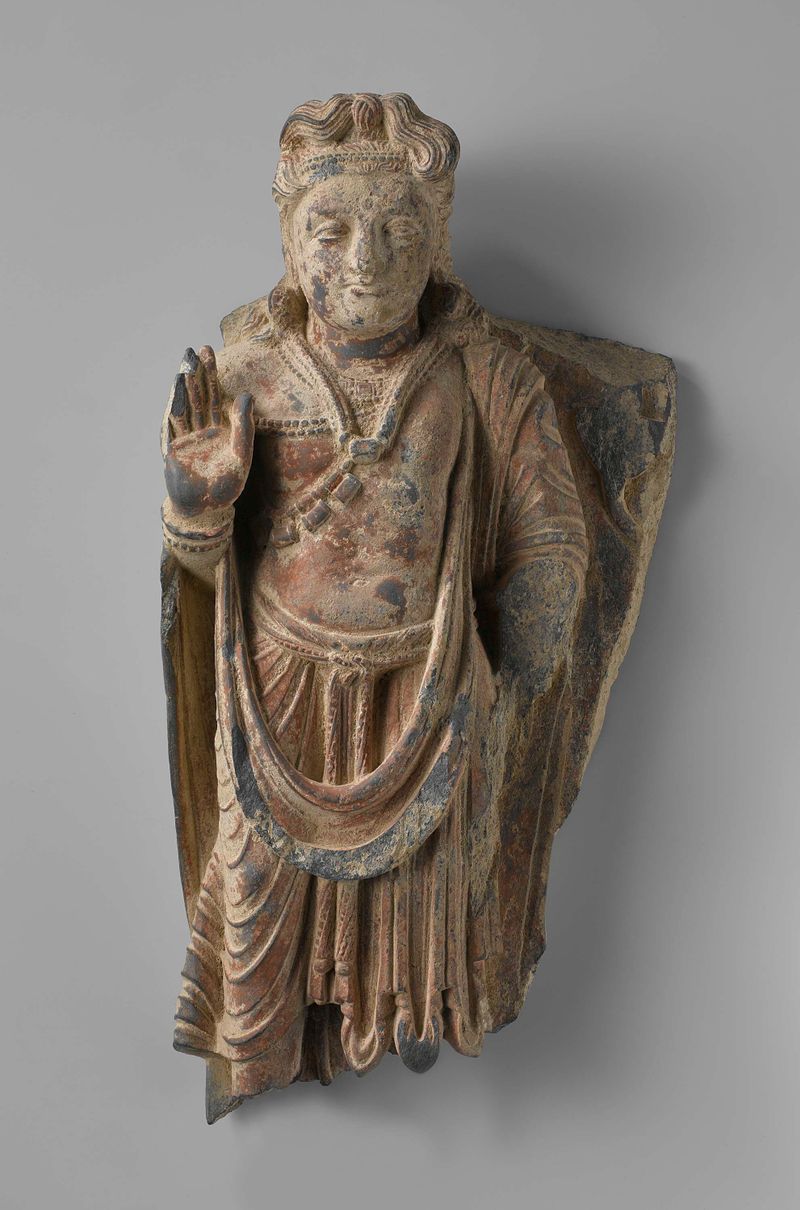
The bodhisattva Maitreya
Unknown Artist

Teabowl with a 'hare's fur' glaze
Unknown Artist
More Religious Art
Browse all →
The Return of the Prodigal Son
Rembrandt van Rijn

The Garden of Earthly Delights
El Bosco

Count Orgaz’ funeral
El Greco

The Hundred Guilder Print: the central piece with Christ preaching, the plate arched
Rembrandt van Rijn

The Descent from the Cross
Rogier van der Weyden

The return of the prodigal son
Rembrandt van Rijn