
De Porta Pinciana te Rome — History & Facts
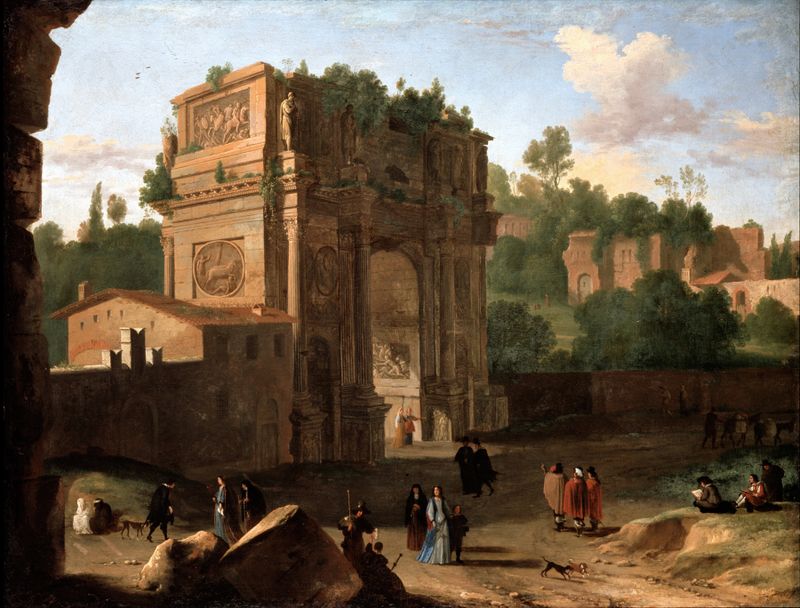
Who listens when art speaks of silence? In De Porta Pinciana te Rome, an ethereal dreamscape unfolds, inviting the viewer into a realm where every brushstroke resonates with unspoken narratives. Focus on the archway in the painting's center, where light gently spills through, illuminating the delicate variances in color that define the bricks and foliage. The soft greens and earthy browns create a soothing contrast, leading the eye across the verdant landscape that stretches beyond. Notice how the meticulous detailing of the trees reflects a careful observation of nature, while the atmospheric perspective draws the viewer deeper into this tranquil scene. Amidst the serenity, there's a palpable tension between the natural world and the man-made structure.
The arch stands as a gateway, suggesting both an invitation and a barrier, as if beckoning the viewer toward adventure while simultaneously reminding them of the boundaries we navigate. The gentle play of shadows hints at the passage of time, perhaps whispering secrets of moments lost or yet to come, amplifying a sense of poignant longing that permeates the air. Herman van Swanevelt created this work in Rome between 1629 and 1641, during a period marked by the flourishing of the Italian Baroque style. It was a time when artists embraced the interplay between light and shadow, reflecting the rich contrasts present in their surroundings.
Immersed in the artistic vibrancy of the city, Swanevelt captured this moment not only as a representation of architecture but as an exploration of the profound dialogues between nature, space, and the human experience.
More Artworks by Herman van Swanevelt
Browse all →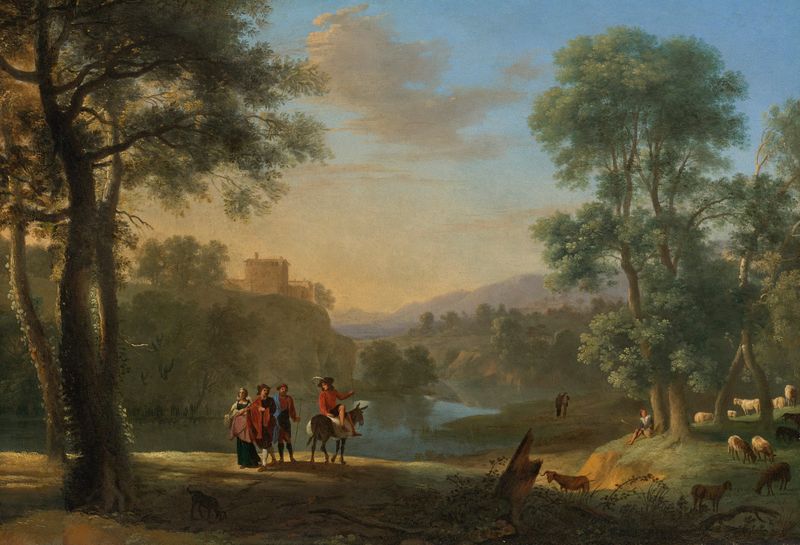
Classical Landscape
Herman van Swanevelt
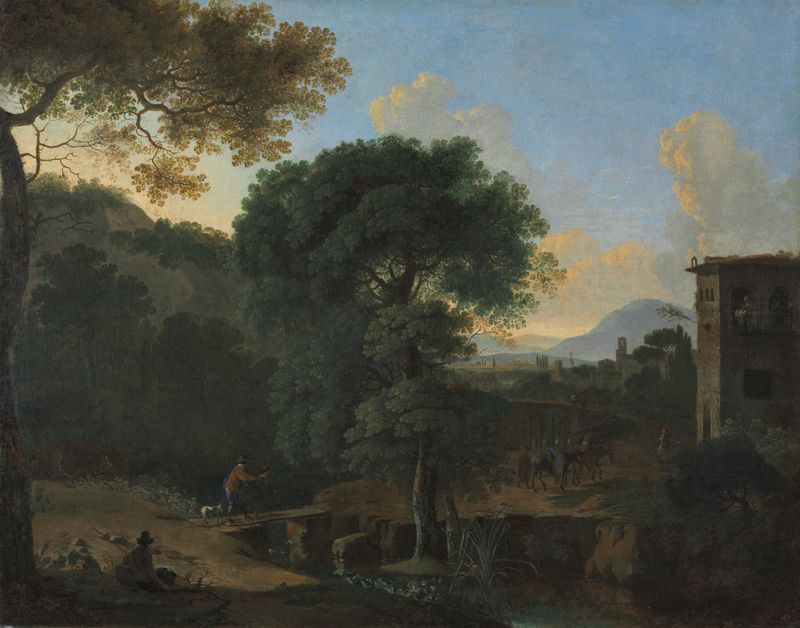
Landscape with Travelers
Herman van Swanevelt
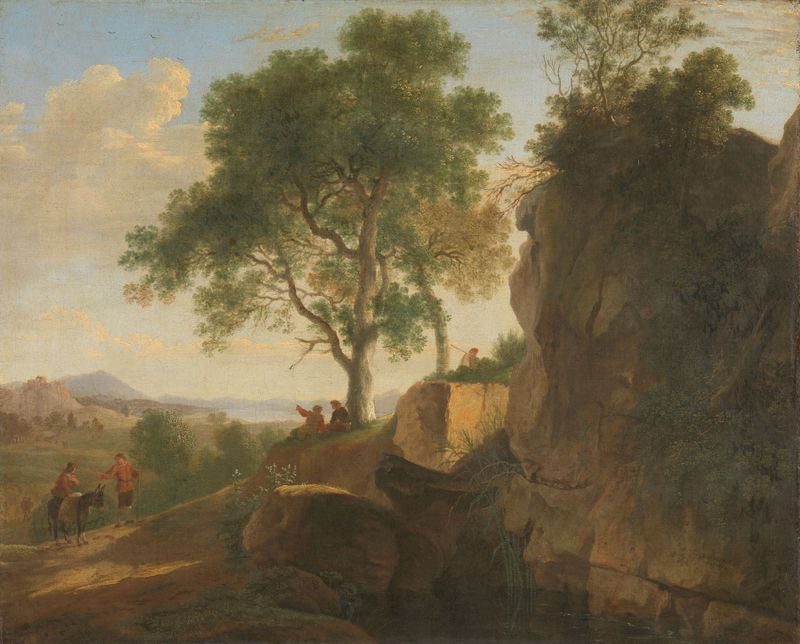
Italian landscape
Herman van Swanevelt
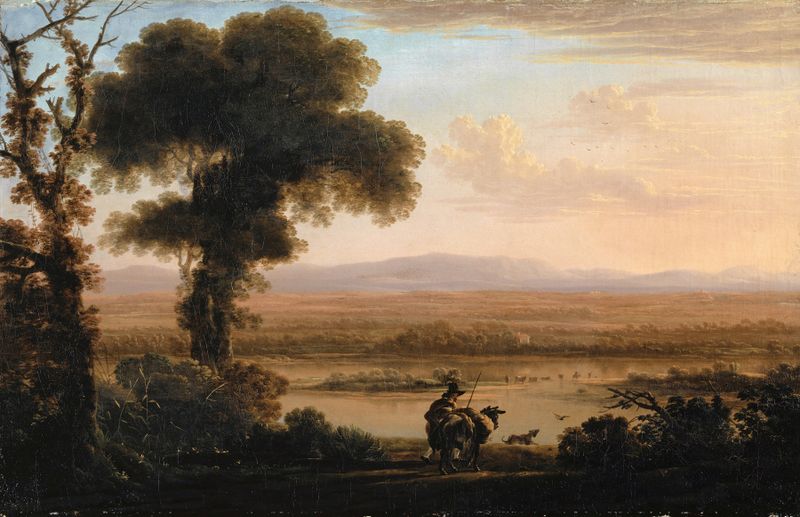
Southern River Landscape
Herman van Swanevelt
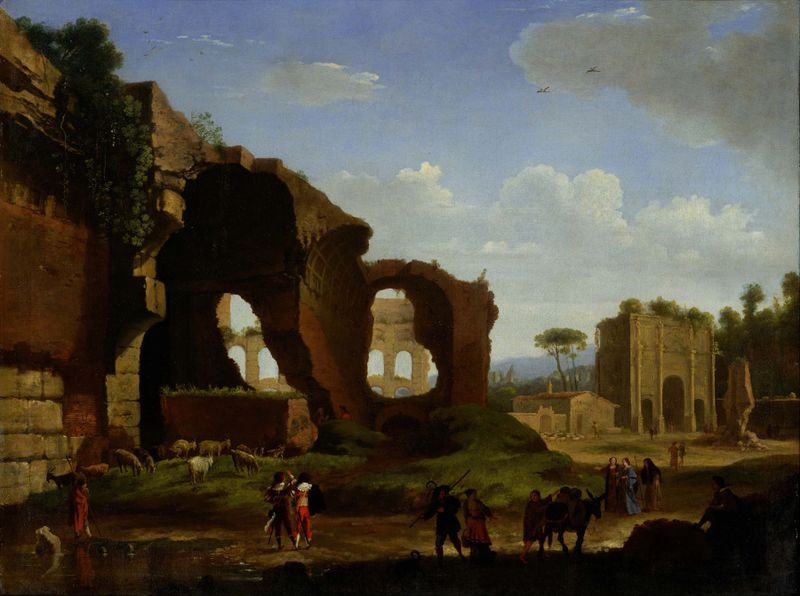
A Roman View of the Ruins of the Temple of Venus and Rome with the Colosseum and the Arch of Constan…
Herman van Swanevelt

Joseph Recounting his Dream to his Brothers
Herman van Swanevelt
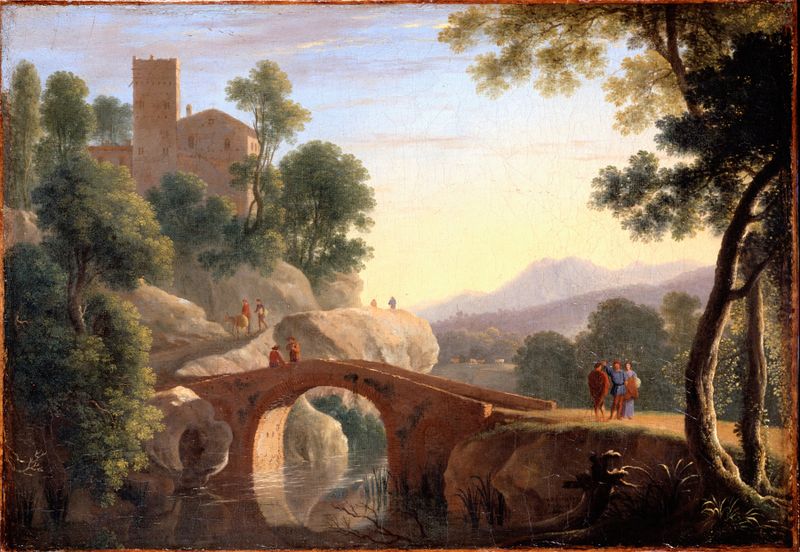
Italian Landscape with Bridge
Herman van Swanevelt
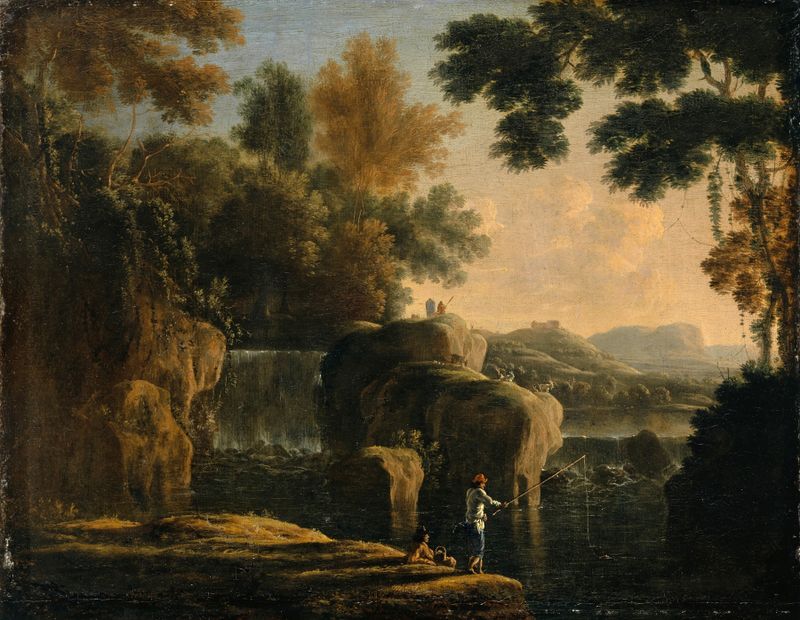
Waterfall with Fishermen
Herman van Swanevelt
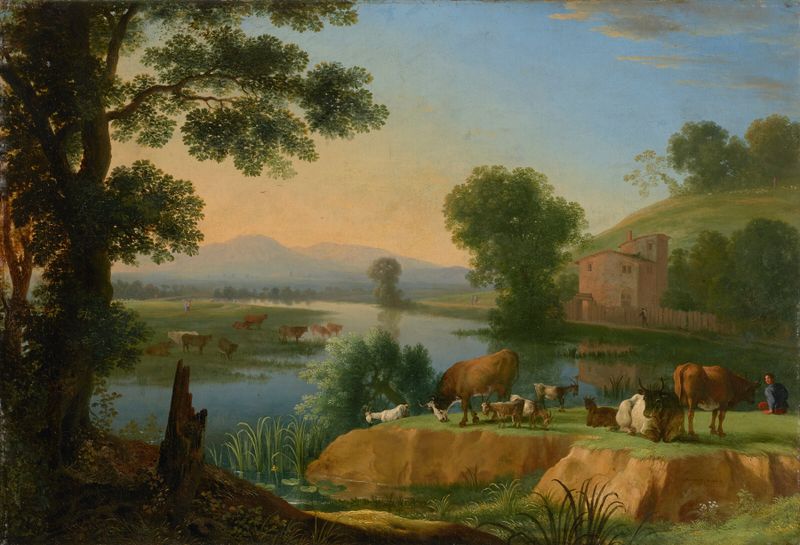
A river landscape with goats and cattle, a farmhouse beyond
Herman van Swanevelt
The Arch of Constantine, Rome
Herman van Swanevelt
More Architecture Art
Browse all →
The statue of Liberty
Frédéric Auguste Bartholdi

View of Houses in Delft, Known as ‘The Little Street’
Johannes Vermeer

View of Houses in Delft, Known as ‘The Little Street’
Johannes Vermeer

The Cathedral in Rouen. The portal, Grey Weather
Claude Monet

The yellow house
Vincent van Gogh

The Church in Auvers-sur-Oise, View from the Chevet
Vincent van Gogh