
De vlucht naar Egypte met het vallend afgodsbeeld — History & Facts
What if beauty was never meant to be finished? The haunting emptiness captured in this painting speaks to our constant search for meaning amid chaos. Look to the center, where a delicate, ethereal landscape cradles the figures of Mary, Joseph, and the infant Christ. The artist employs soft, muted colors that bleed seamlessly into one another, evoking a dreamlike quality. The fading light of dusk wraps around the figures, suggesting both protection and an impending departure.
Notice how the falling idol in the background juxtaposes the serene faces of the holy family, a stark reminder of the turbulence surrounding their flight. As you take in the scene, consider the deeper implications of the fallen idol. It symbolizes not only the physical danger they face but also the spiritual upheaval that accompanies their journey. The presence of emptiness looms large, hinting at the idea of abandonment and loss, while the figures' tranquil expressions reflect a profound resilience.
Such contrasts evoke a conflicting sense of despair and hope, weaving a narrative that invites introspection. Created between 1480 and 1500, this work emerged from an era teeming with religious fervor and artistic exploration. The artist, whose identity remains unknown, was likely influenced by the transitional period of the Northern Renaissance, where a renewed focus on human emotion and experience began to reshape religious narratives. In this tumultuous landscape, the artist's depiction of flight and refuge resonates deeply, capturing the essence of both vulnerability and divine protection.
More Artworks by Unknown Artist
Browse all →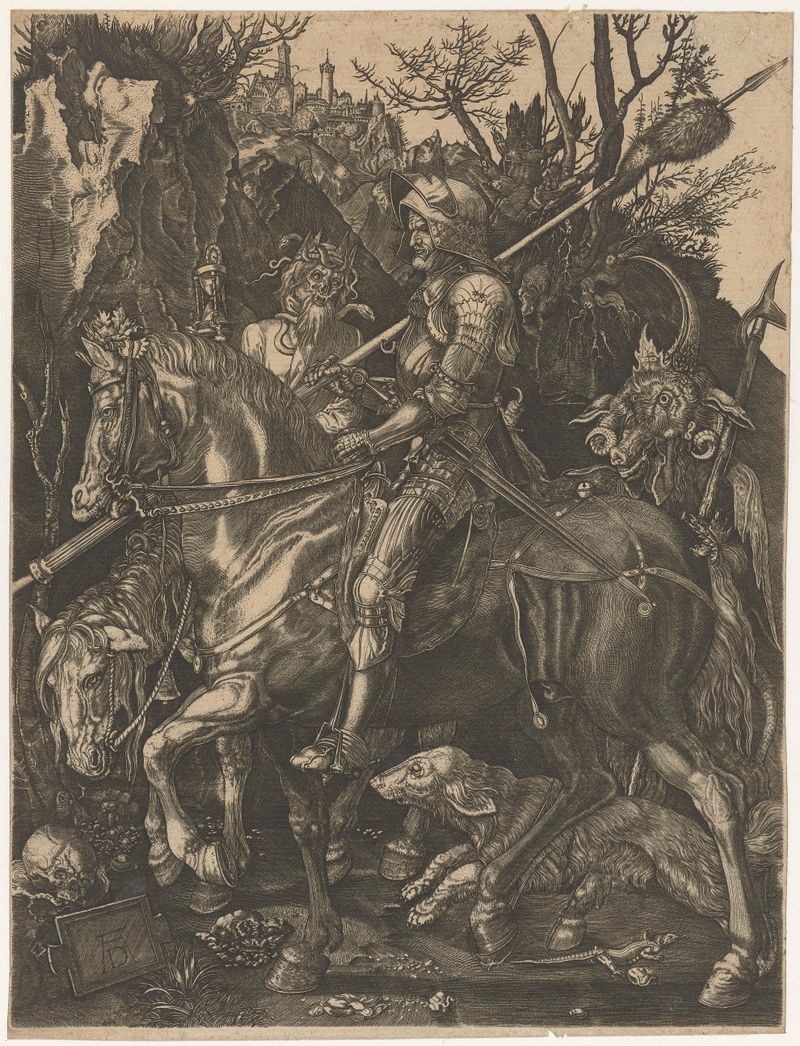
Ridder, Dood en Duivel
Unknown Artist
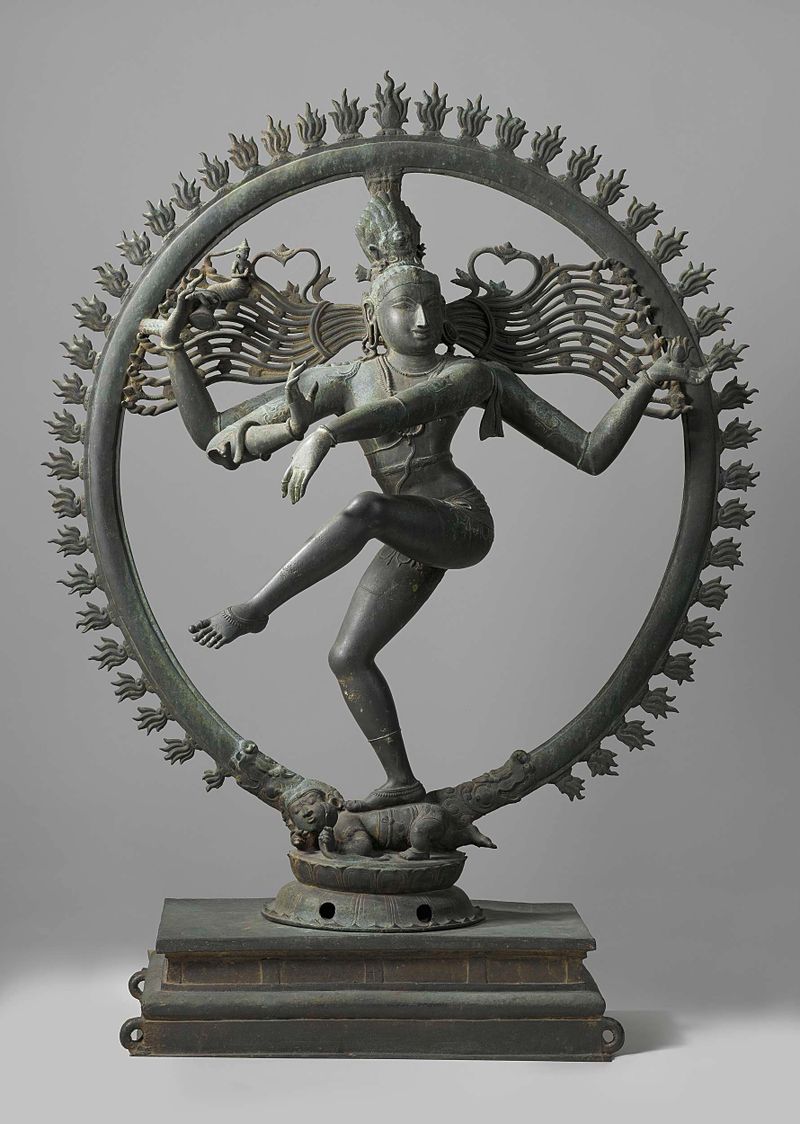
Shiva Nataraja
Unknown Artist
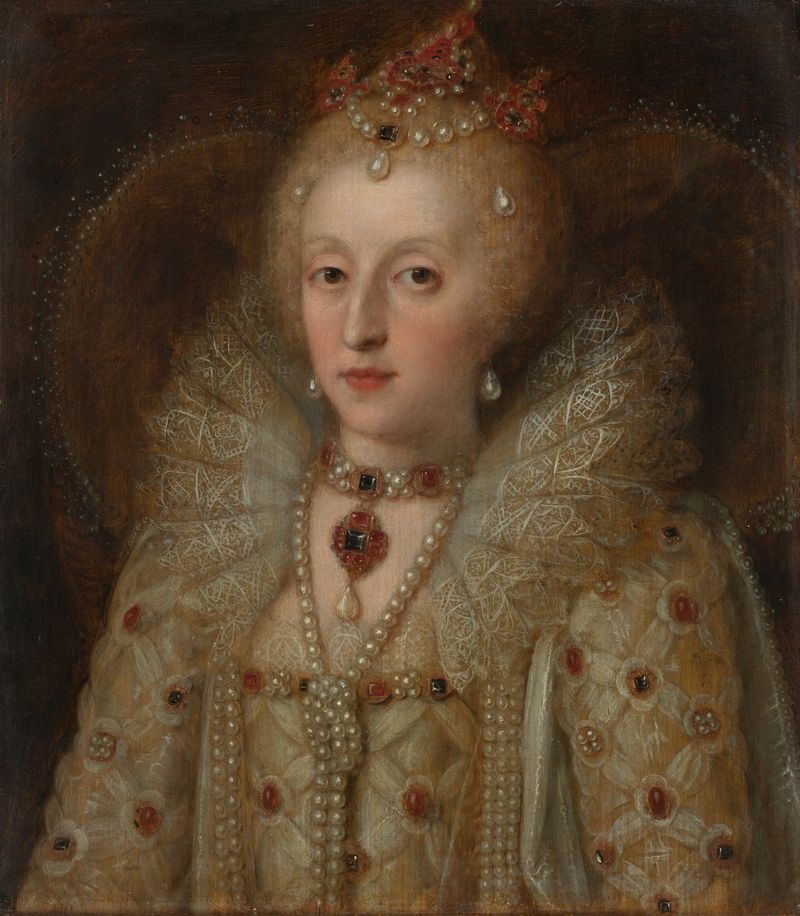
Portrait of Elizabeth I, Queen of England
Unknown Artist
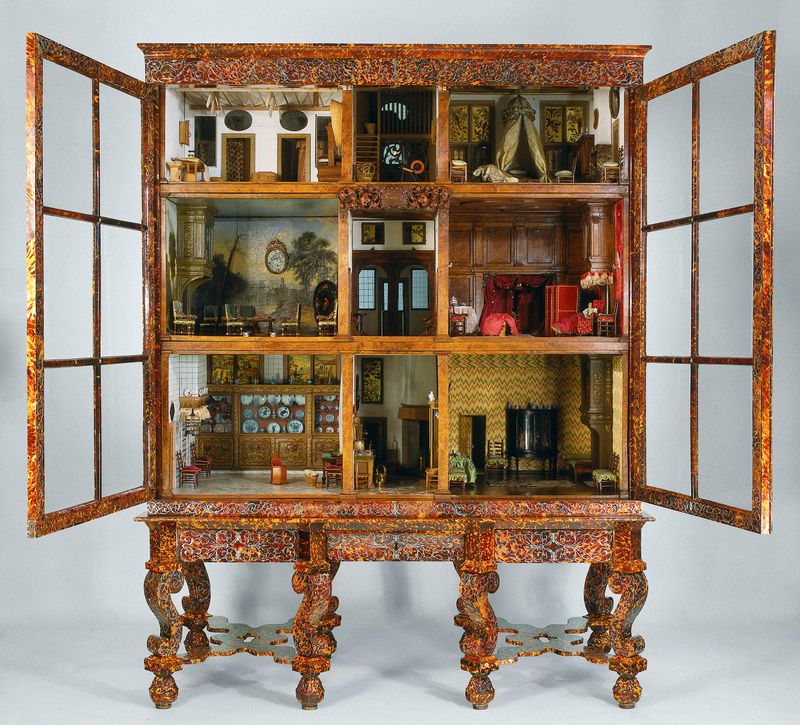
Dolls’ house of Petronella Oortman
Unknown Artist
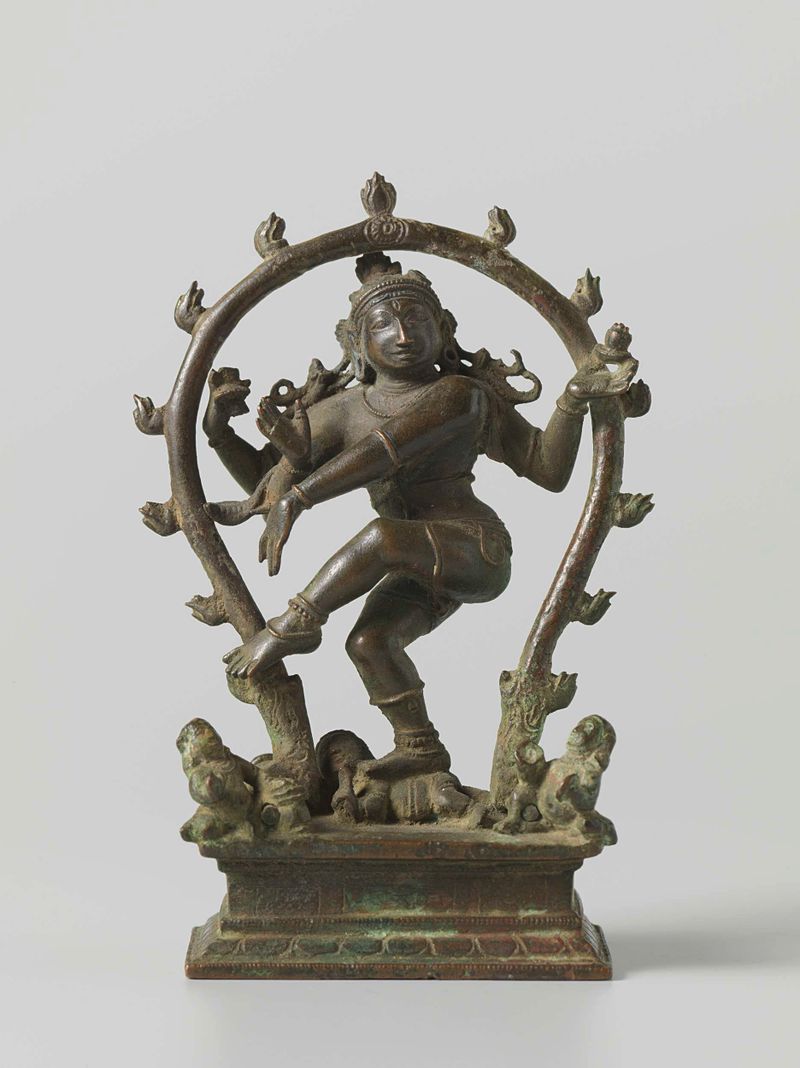
Shiva Nataraja
Unknown Artist

The Tale of Genji
Unknown Artist

The Tale of Genji
Unknown Artist
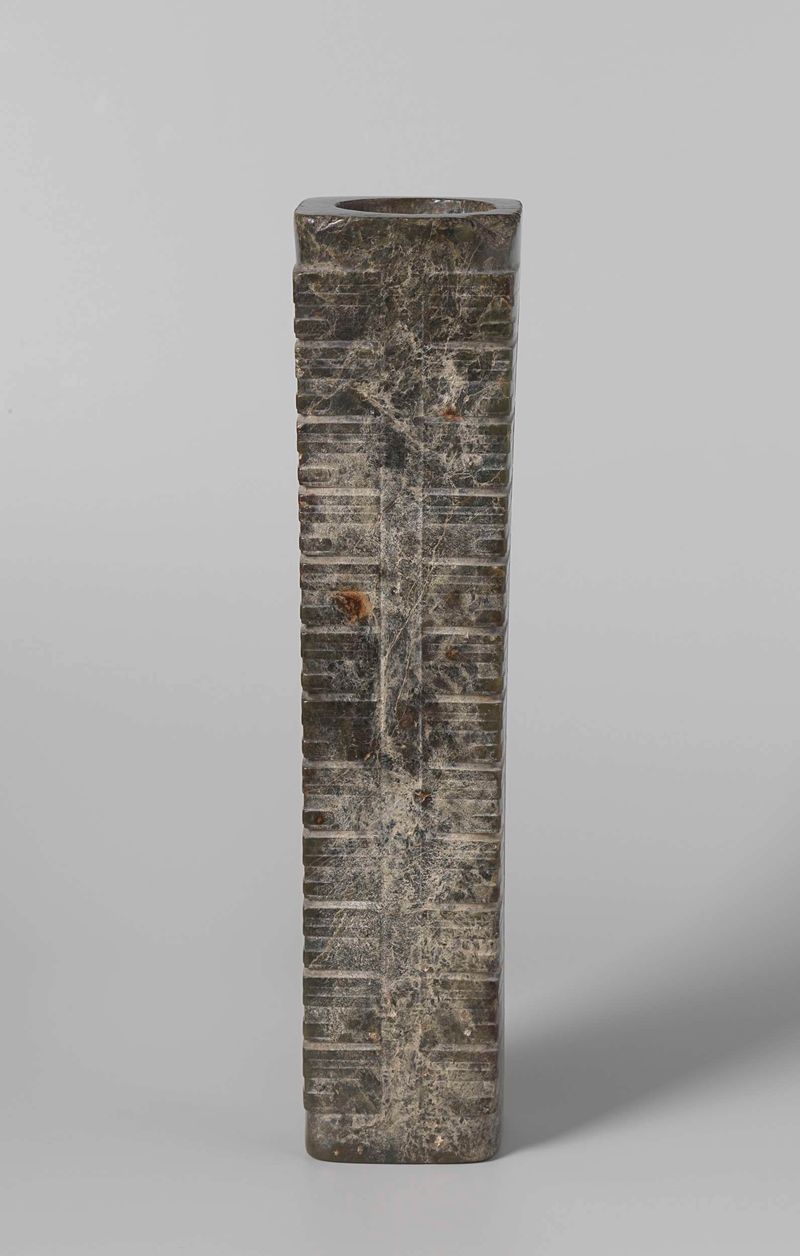
Cong
Unknown Artist
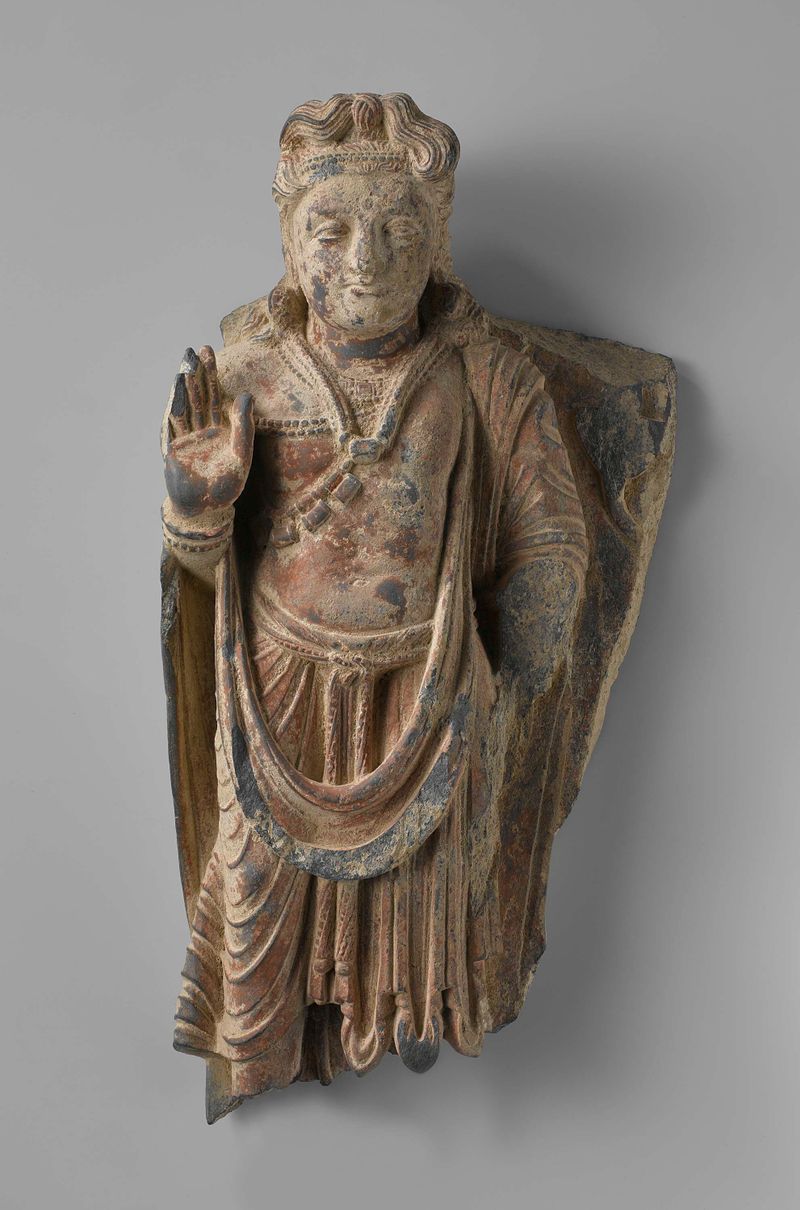
The bodhisattva Maitreya
Unknown Artist
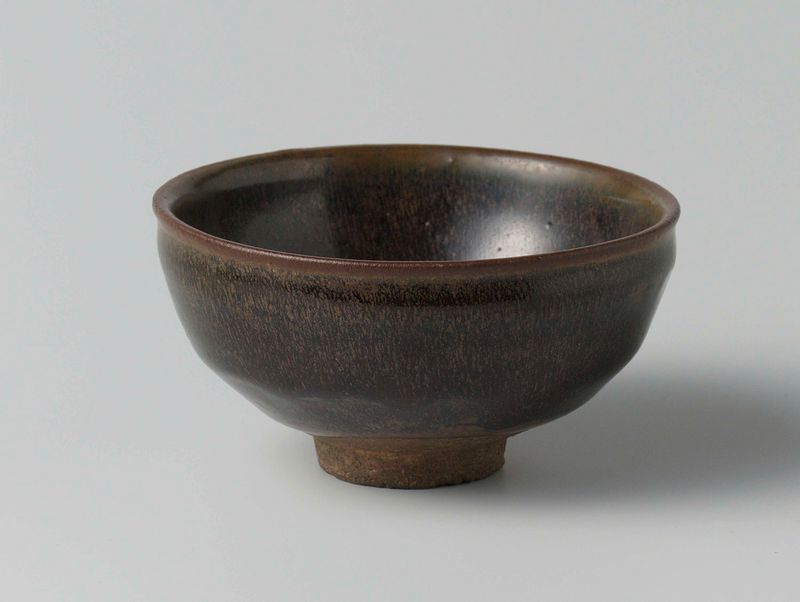
Teabowl with a 'hare's fur' glaze
Unknown Artist
More Religious Art
Browse all →
The Return of the Prodigal Son
Rembrandt van Rijn

The Garden of Earthly Delights
El Bosco

Count Orgaz’ funeral
El Greco

The Hundred Guilder Print: the central piece with Christ preaching, the plate arched
Rembrandt van Rijn

The Descent from the Cross
Rogier van der Weyden

The return of the prodigal son
Rembrandt van Rijn