
De voetwassing van Petrus — History & Facts
In De voetwassing van Petrus, loss echoes through the meticulously rendered figures and their poignant expressions. The moment captured is not merely a ritual of washing feet, but an exploration of vulnerability and the emotional weight of farewell. Focus first on the central figure, Petrus, whose open gesture hints at both humility and inner turmoil. The light cascades from an unseen source, illuminating the faces of those around him, each conveying a unique story.
Notice how the varying skin tones and textures of garments highlight the diversity among the apostles, while warm, earthy hues envelop the scene, creating a sense of intimacy and solemnity that pulls the viewer in. As you delve deeper, consider the symbolism of the act itself—one of servitude and intimacy, standing in stark contrast to the underlying tension of impending loss. The moment is rife with unspoken narratives; each character's gaze seems to foretell their future separation. The water, glimmering in the light, reflects not only the act of washing but also the fragility of human connection, serving as a reminder of the sacrifices that come with love and leadership. Frans Floris I created this work during the Renaissance in Flanders, a period marked by social change and religious upheaval.
His compositions often merged traditional themes with a newfound realism, reflecting the turbulent times he lived in. Completing De voetwassing van Petrus in the mid-16th century, Floris was at the forefront of a movement that sought to express deeper emotional truths through art, making his exploration of loss all the more resonant.
More Artworks by Frans Floris I
Browse all →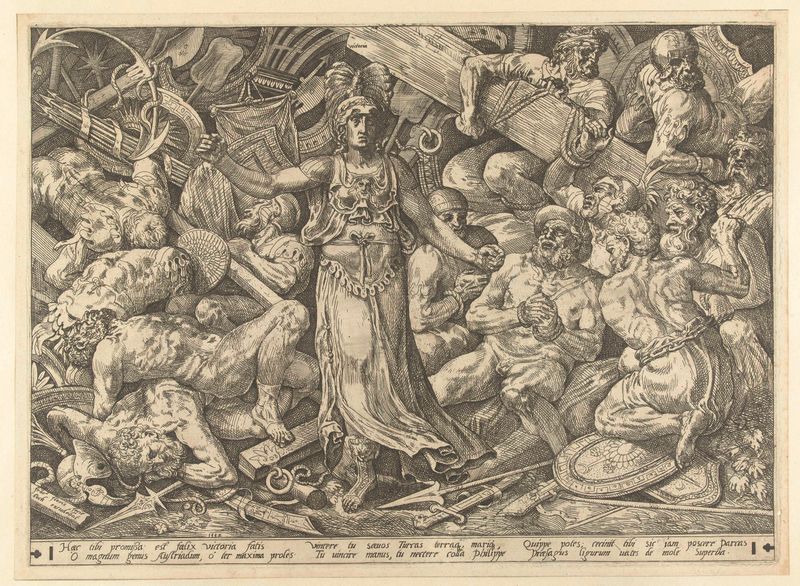

More Religious Art
Browse all →
The Return of the Prodigal Son
Rembrandt van Rijn

The Garden of Earthly Delights
El Bosco

Count Orgaz’ funeral
El Greco

The Hundred Guilder Print: the central piece with Christ preaching, the plate arched
Rembrandt van Rijn

The Descent from the Cross
Rogier van der Weyden

The return of the prodigal son
Rembrandt van Rijn