
Study Head of a Bearded Man — History & Facts
In the subtle interplay of hues and shadow, the essence of identity emerges, cloaked in the mystery of an unyielding gaze. Look closely at the deep, earthy tones that envelop the figure. Notice how the rich brown of the beard contrasts with the softer, muted skin tones, creating a palpable warmth that draws your eye first to the man's face. The light gently kisses his features, highlighting the textures of his beard while casting delicate shadows that hint at his contemplative nature.
The composition is intimate; the figure appears to emerge from the dark backdrop, a testament to the artist's skilled use of chiaroscuro that adds depth and dimension. There’s an emotional tug in the eyes, a silent story waiting to be unraveled. The furrowed brow suggests a life filled with thoughts and experiences, while the slight downturn of the mouth speaks of a quiet melancholy. Every brushstroke carries weight, revealing contrasts not just in color but in essence—vulnerability tucked behind strength.
The bearded man, both familiar and distant, becomes a mirror reflecting our own unspoken stories. Frans Floris I painted this work around 1565, during a time when the Northern Renaissance was flourishing. Based in Antwerp, he was deeply influenced by the humanist ideals of his era, often exploring themes of emotion and humanity through portraiture. At this time, he was establishing his reputation as a master painter, merging classical influences with emerging techniques that would later define the Baroque period.
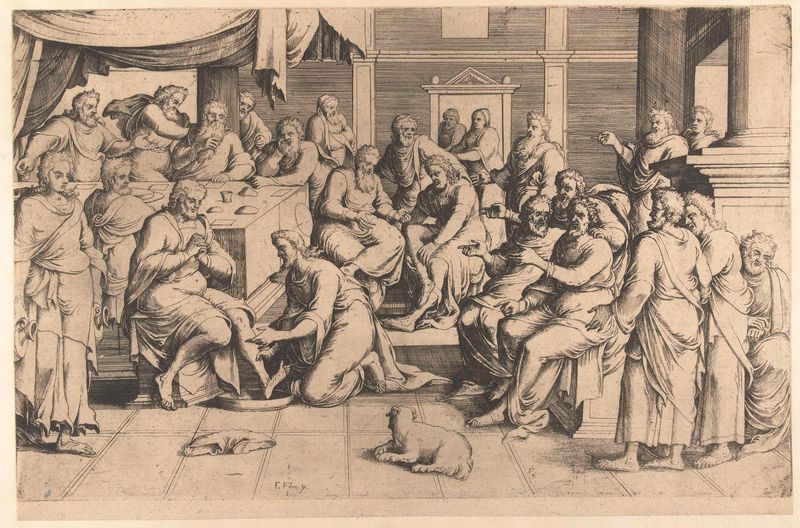
More Artworks by Frans Floris I
Browse all →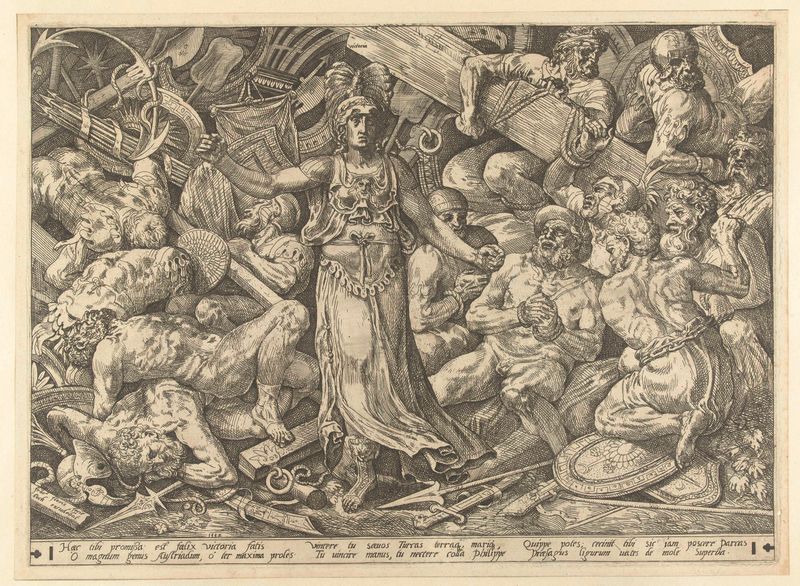
More Portrait Art
Browse all →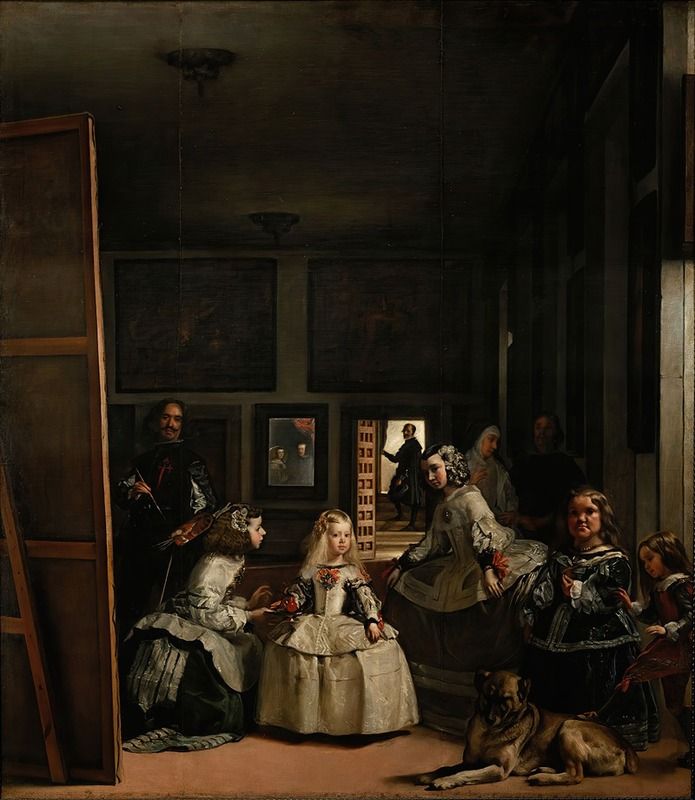
Las meninas
Diego Velázquez
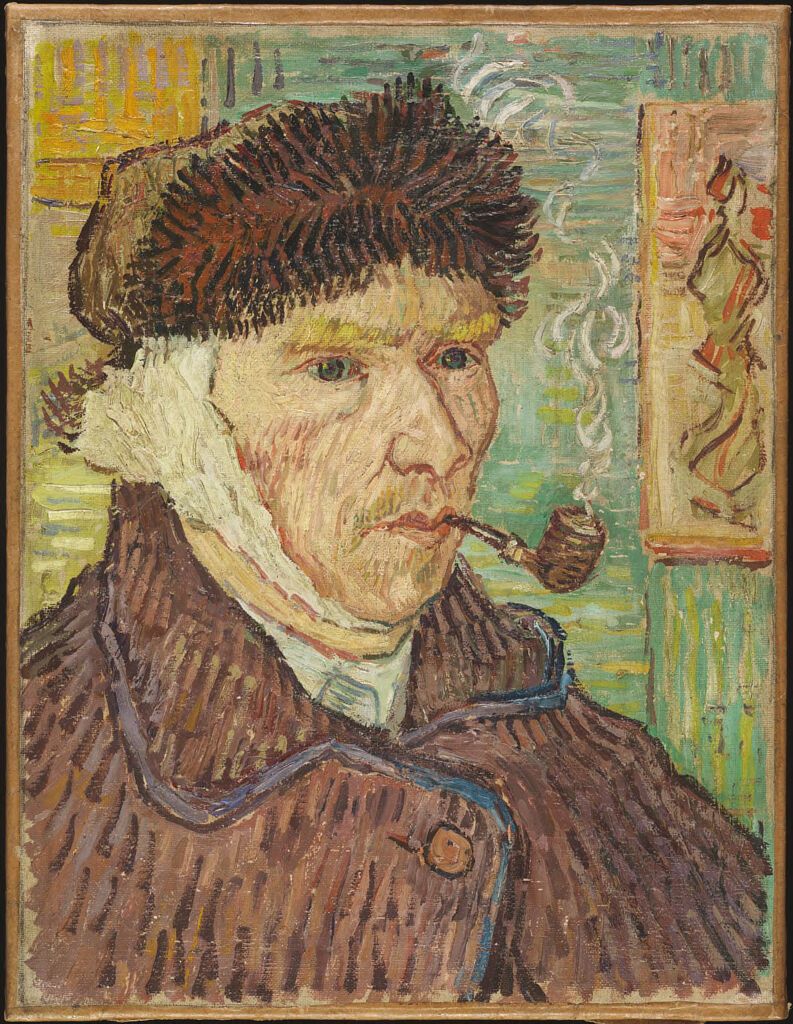
Self-portrait with a Bandaged Ear and Pipe
Unidentified artist
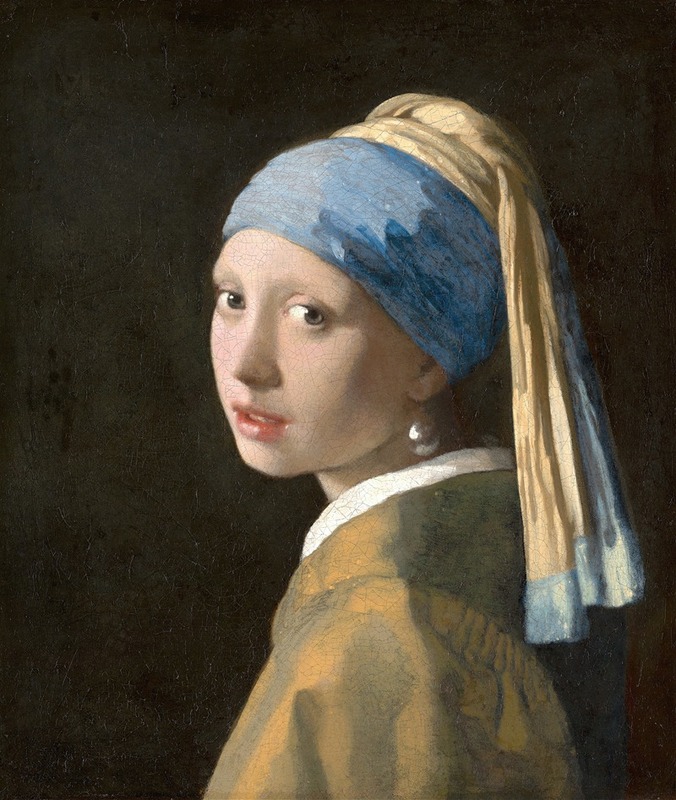
Girl with a Pearl Earring
Johannes Vermeer
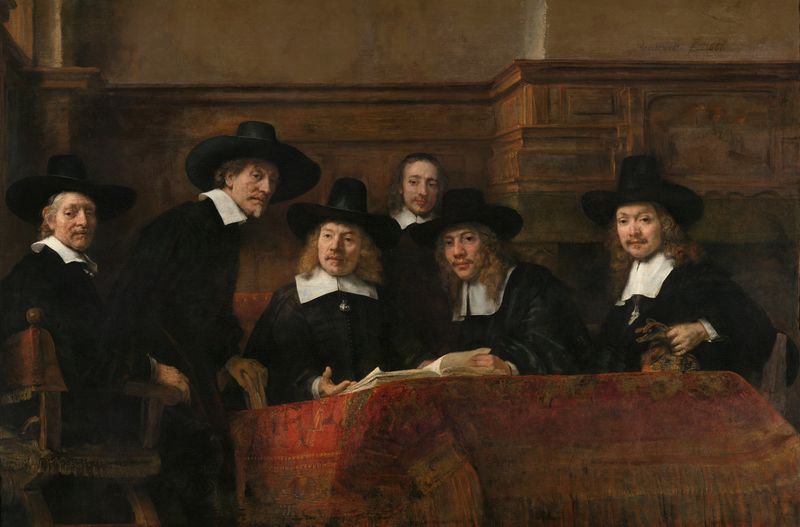
The Sampling Officials of the Amsterdam Drapers’ Guild, Known as ‘The Syndics’
Rembrandt van Rijn
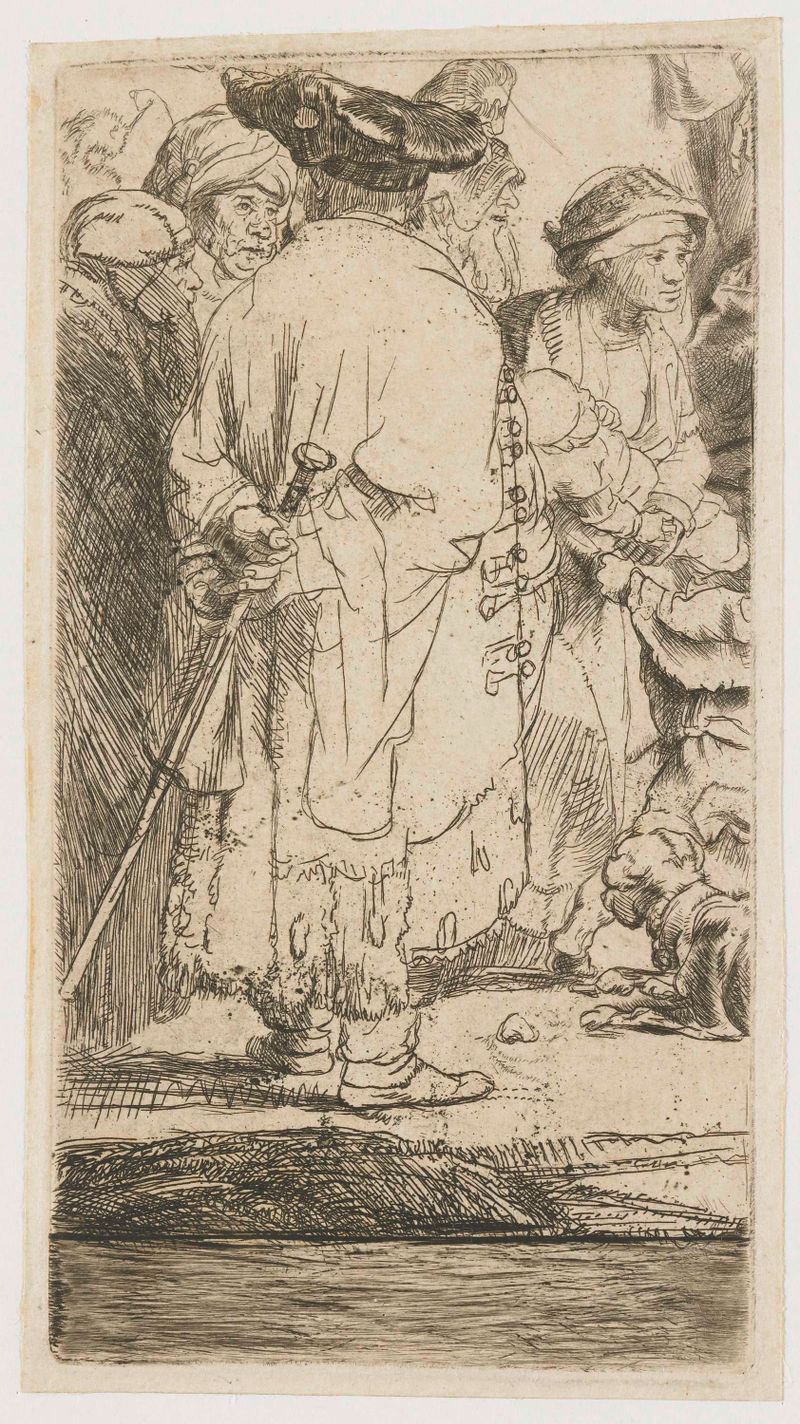
The Hundred Guilder Print: the man seen on the back in the lower left corner
Rembrandt van Rijn

Portrait of Dr Gachet
Vincent van Gogh