
De Waardpoort en de Oude Gracht in Utrecht — History & Facts
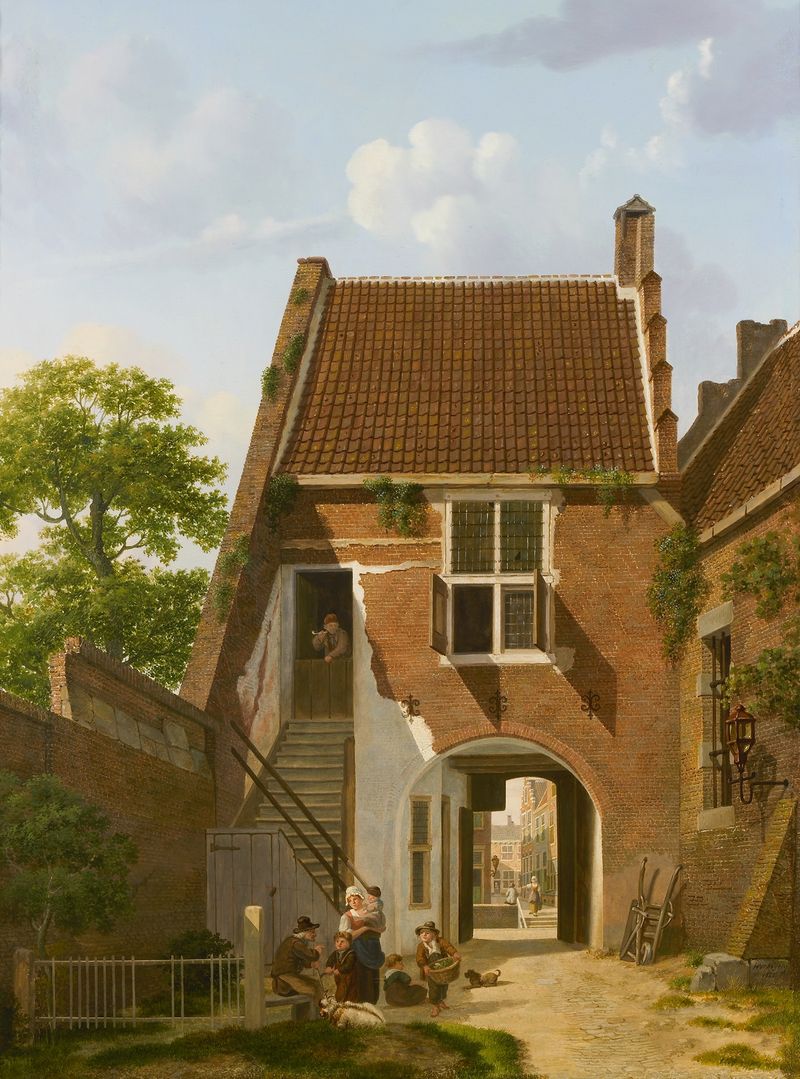
Can beauty exist without sorrow? In Jan Hendrik Verheijen’s De Waardpoort en de Oude Gracht in Utrecht, this question lingers like a shadow over the vibrant landscape. Look to the foreground, where the gentle curve of the Oude Gracht invites the eye into a serene composition. The vibrant greens and blues harmonize with the soft earth tones of the architecture, creating an idyllic portrayal of Utrecht's historic charm. Notice how the light dances upon the water’s surface, reflecting both the structures and the sky above—a moment frozen in time, yet filled with the promise of fleeting impermanence. A careful examination reveals deeper tensions beneath the surface beauty.
The looming presence of the Waardpoort suggests strength and protection, yet its imposing structure may evoke feelings of confinement. In contrast, the lively movements of the figures along the canal hint at a world of possibility and freedom, underscoring the dual nature of existence—where beauty and fear coexist. The delicate interplay between shadow and light emphasizes this emotional complexity, inviting contemplation of what lies beneath the serene exterior. Created in 1814, De Waardpoort en de Oude Gracht in Utrecht emerged during a time of artistic transition in the Netherlands.
Verheijen, influenced by the Romantic movement, sought to capture not just the external beauty of his surroundings but also the emotional resonance within them. As the world grappled with political upheaval, artists began to explore the profound connections between their landscapes and the human experience, a theme that resonates powerfully in this work.
More Artworks by Jan Hendrik Verheijen
Browse all →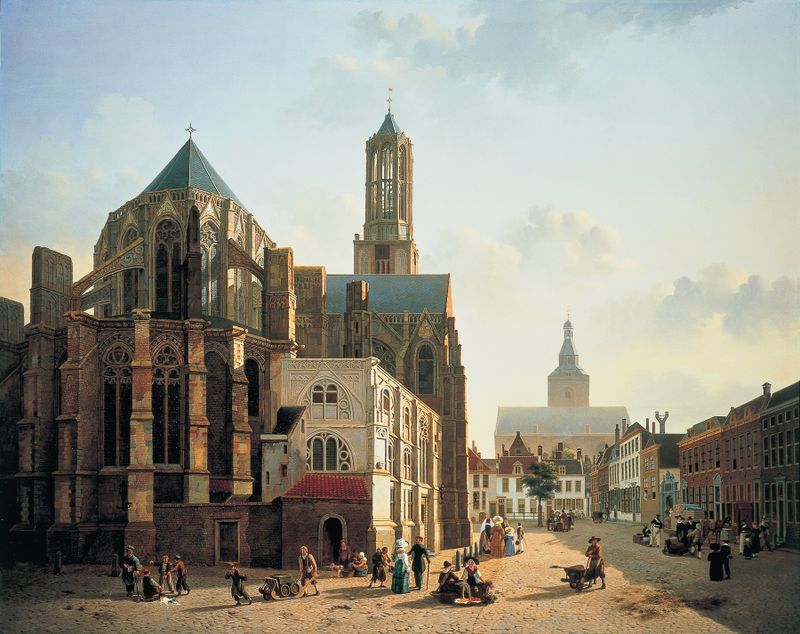
View of the choir and tower of Utrecht Cathedral
Jan Hendrik Verheijen
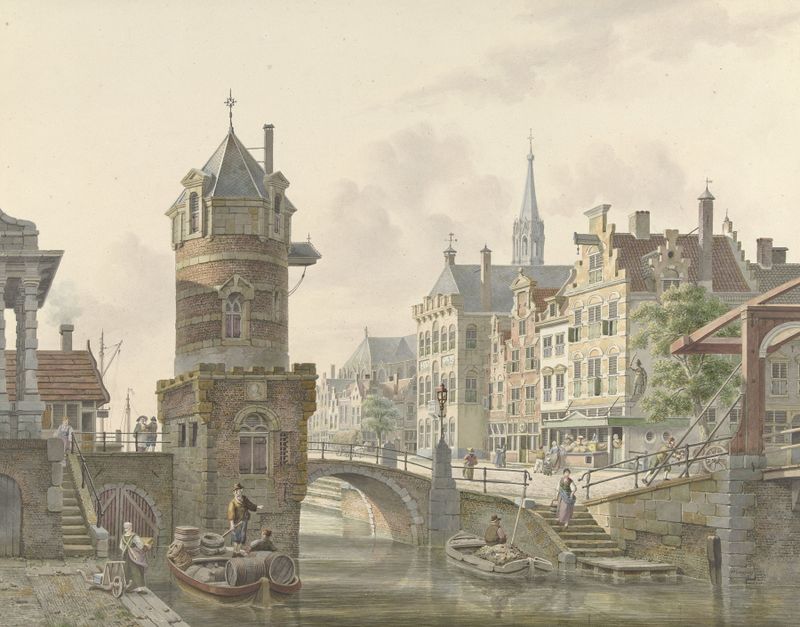
Gracht in een stad met een torentje bij een stenen brug
Jan Hendrik Verheijen
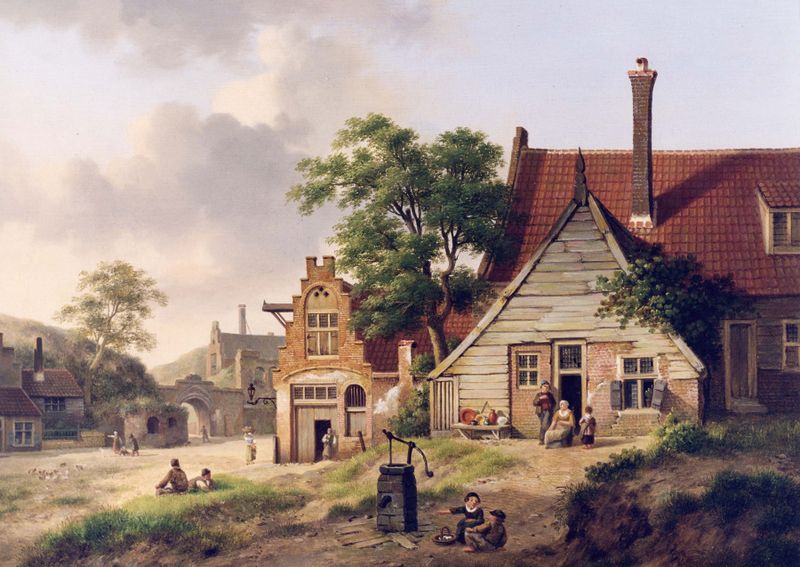
A Dutch Village Scene with Figures
Jan Hendrik Verheijen
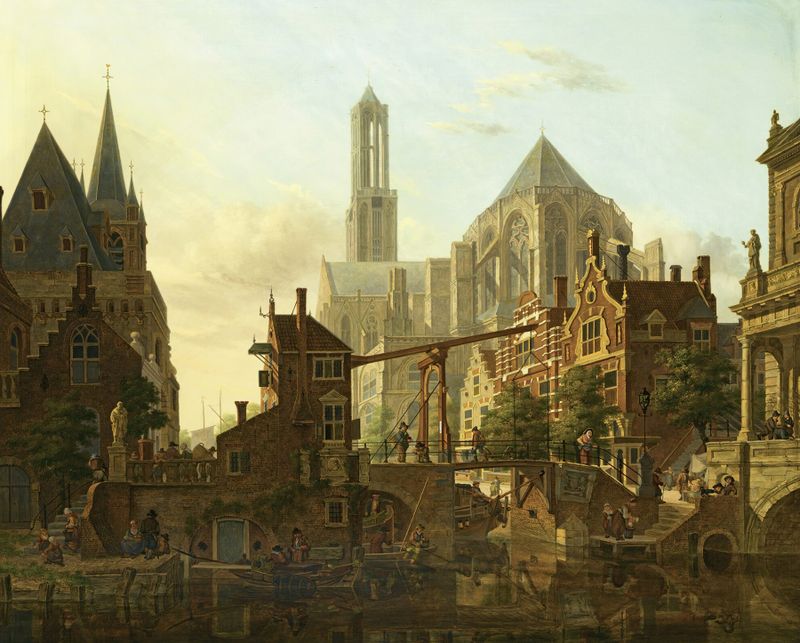
A Lively Townscene, Utrecht
Jan Hendrik Verheijen
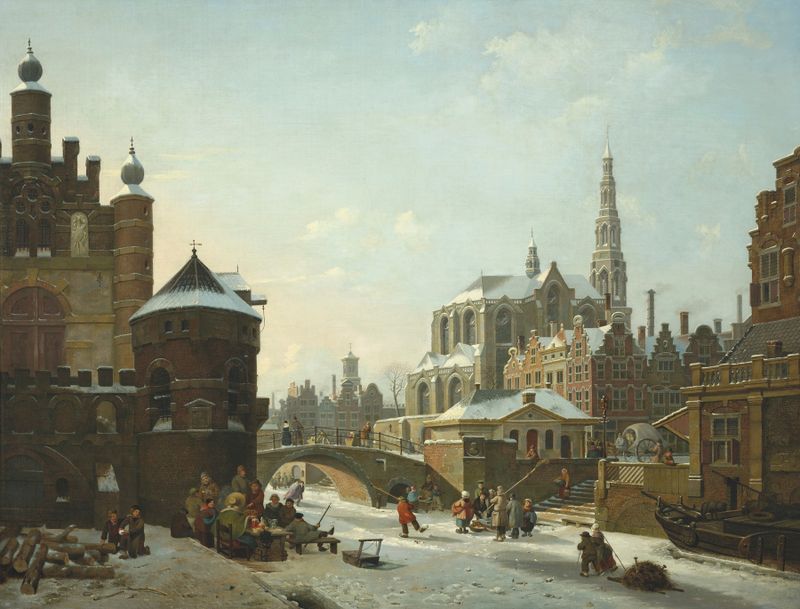
A capriccio with figures on a frozen canal
Jan Hendrik Verheijen
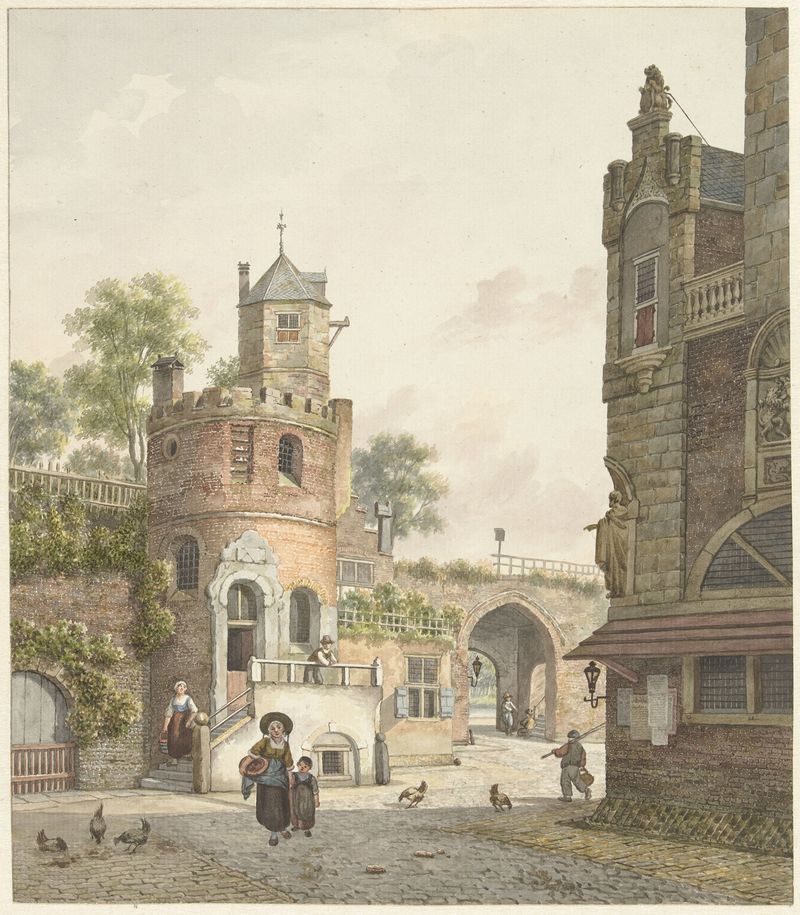
Stadsmuur met een toren en een poort, van binnen gezien
Jan Hendrik Verheijen

Dutch Street Scene with Figures in the Foreground
Jan Hendrik Verheijen
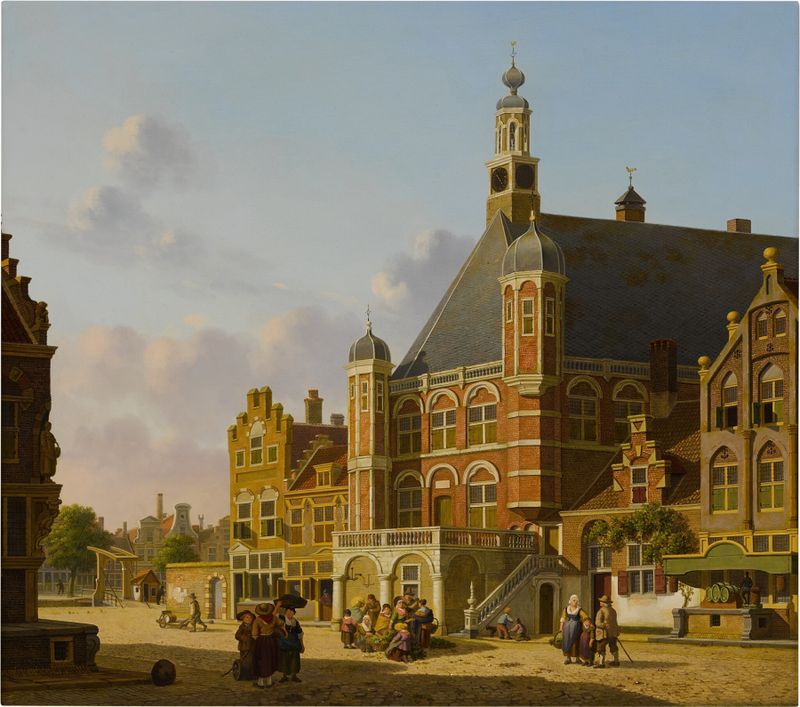
A Busy Town Square, Holland
Jan Hendrik Verheijen
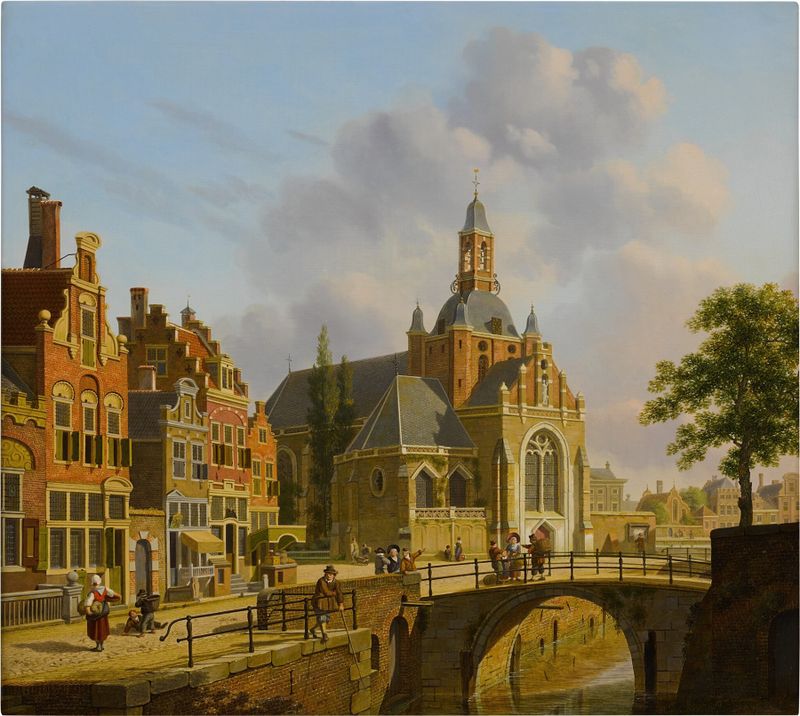
A Church along a Canal, Holland
Jan Hendrik Verheijen
Binnenplaats
Jan Hendrik Verheijen





