
De zeven hoofdzonden — History & Facts
Each brushstroke whispers secrets of the soul, echoing the profound loneliness woven within the fabric of existence. Begin your exploration at the center, where the vivid depiction of the seven sins unfurls in a striking tapestry of colors and forms. Look closely at the figures, each one a reflection of humanity’s darkest urges. The artist employs a rich palette of deep reds and muted earth tones, allowing the emotions of greed, lust, and wrath to leap from the canvas while inviting a sense of unease.
The careful arrangement of the figures creates a visual rhythm, drawing the eye from one sin to another, as if trapped in an endless cycle. Beneath the surface, the painting reveals a haunting contrast: the vibrancy of the sins against a backdrop of desolation. Notice how the figures’ expressions, though alluring, reveal a deeper sorrow — a yearning for connection amid their indulgence. This tension serves as a powerful reminder that with every sin comes a sense of detachment, a loneliness that permeates the human experience.
Each gesture, a plea for understanding, masks the void within, leaving viewers to confront their own vulnerabilities. Created between 1540 and 1567, this work arises from an era steeped in both religious fervor and emerging humanism. The artist, though anonymous, captures the zeitgeist of the period, where the tensions between morality and desire are palpably felt. The rise of individualism began to challenge traditional values, and this piece serves as a poignant reflection on the complex nature of human existence, grappling with sin while yearning for connection.
More Artworks by Unknown Artist
Browse all →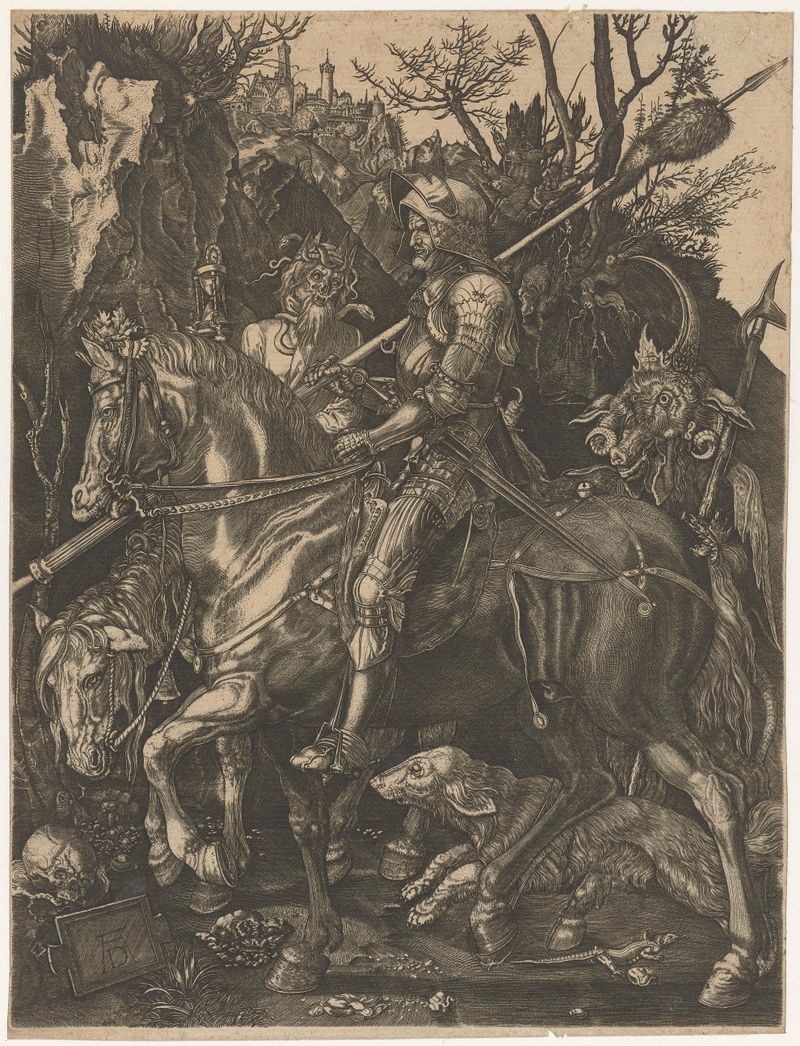
Ridder, Dood en Duivel
Unknown Artist
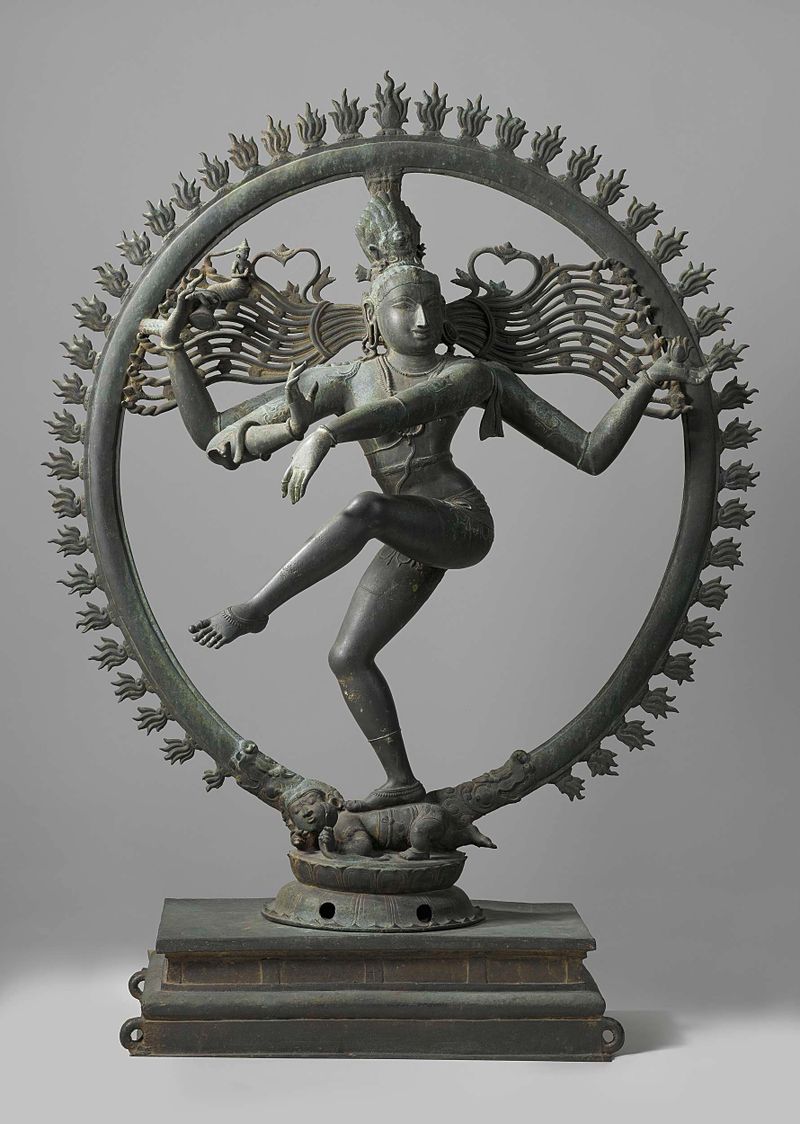
Shiva Nataraja
Unknown Artist
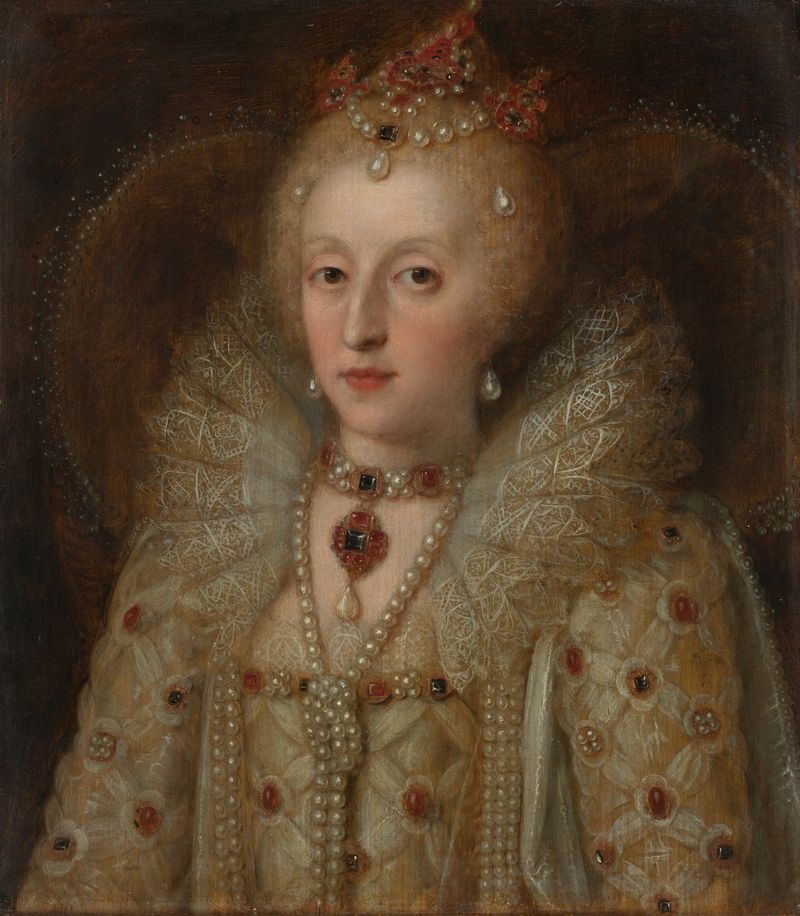
Portrait of Elizabeth I, Queen of England
Unknown Artist
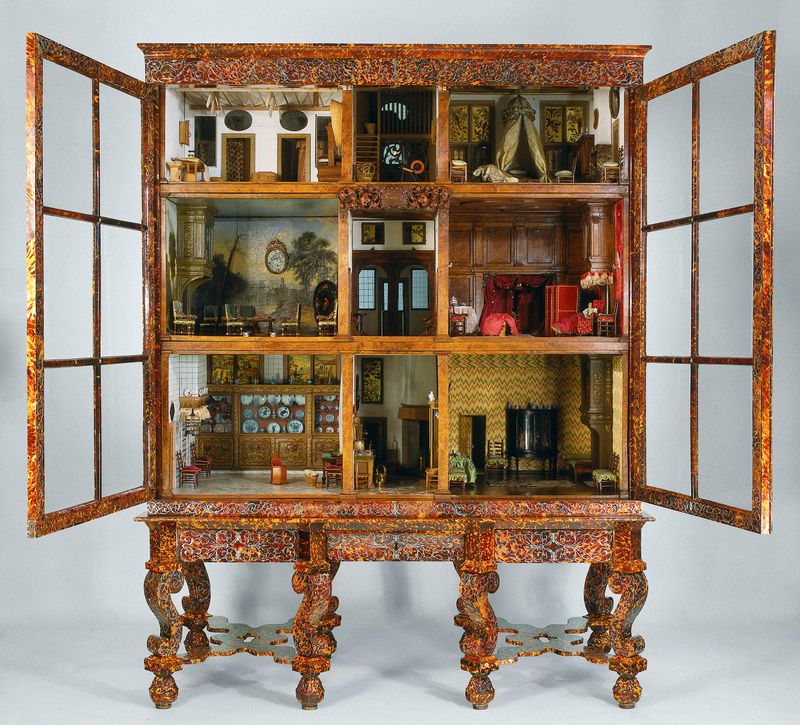
Dolls’ house of Petronella Oortman
Unknown Artist
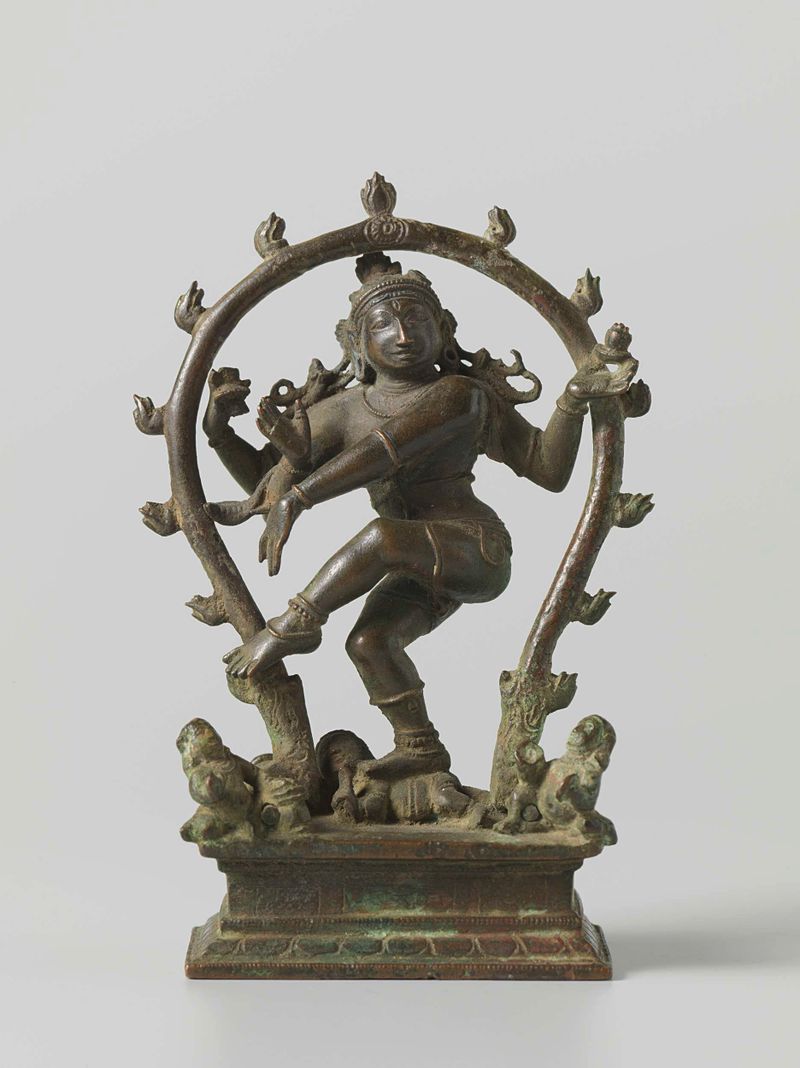
Shiva Nataraja
Unknown Artist

The Tale of Genji
Unknown Artist

The Tale of Genji
Unknown Artist

Cong
Unknown Artist
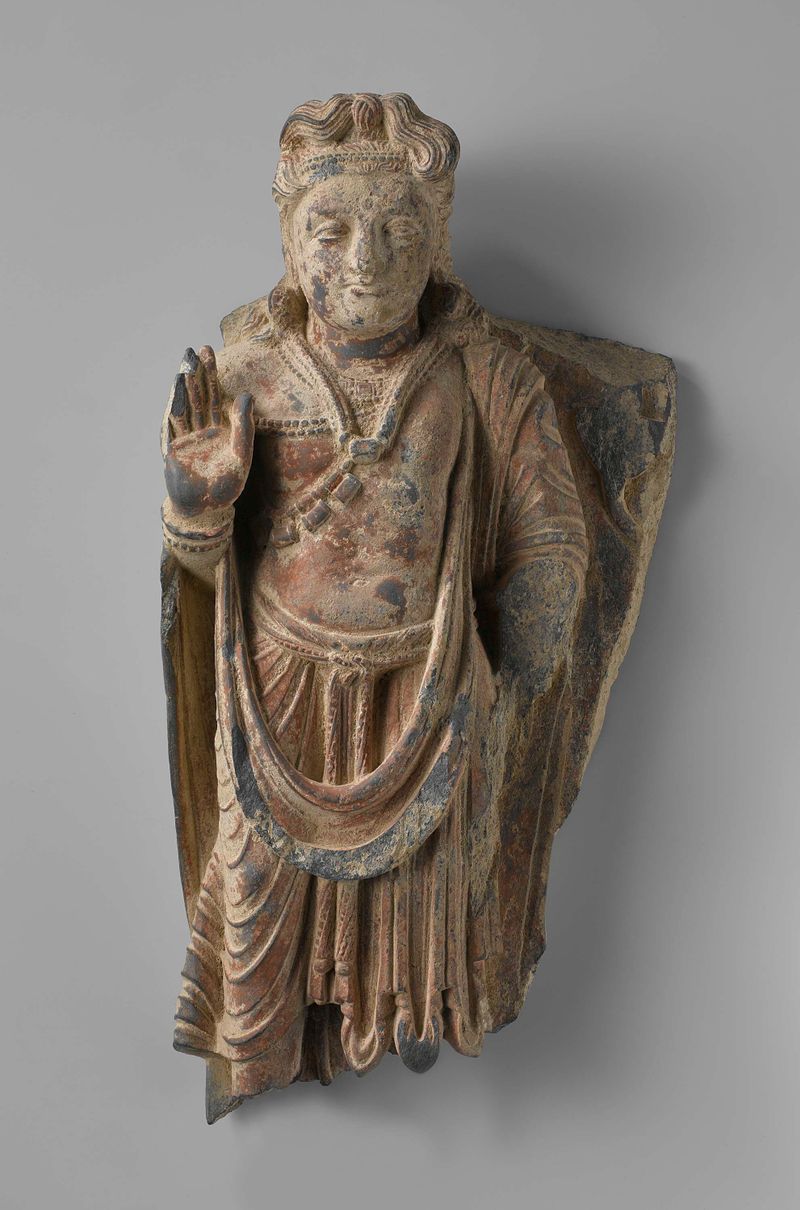
The bodhisattva Maitreya
Unknown Artist

Teabowl with a 'hare's fur' glaze
Unknown Artist
More Religious Art
Browse all →
The Return of the Prodigal Son
Rembrandt van Rijn

The Garden of Earthly Delights
El Bosco

Count Orgaz’ funeral
El Greco

The Hundred Guilder Print: the central piece with Christ preaching, the plate arched
Rembrandt van Rijn

The Descent from the Cross
Rogier van der Weyden

The return of the prodigal son
Rembrandt van Rijn