
Dead Pine in the Water — History & Facts
Can beauty exist without sorrow? In Dead Pine in the Water, Eero Järnefelt invites us to grapple with the profound tension between the aesthetic allure of nature and the stark reality of decay. The painting lingers in that delicate balance, where fascination intertwines with a sense of loss, leaving viewers to ponder the fragility of existence. Look to the center of the canvas, where the gnarled form of a dead pine emerges from the still water, its twisted branches reaching skyward in a hauntingly graceful manner. The muted palette of earthy greens and browns contrasts sharply with the reflective blue of the water, drawing our gaze to the intersection of life and death.
Notice how the light dances across the rippling surface, creating shimmering highlights that soften the harshness of the tree’s decay, imbuing the scene with a sense of melancholic beauty. Delve deeper, and you’ll discover the intricate details that speak volumes about obsession and the passage of time. The texture of the bark reveals a history marked by hardship, while the water, so serene, symbolizes the inevitability of change. The juxtaposition of the lifeless tree against the vibrant life teeming below the surface evokes a poignant reminder of nature’s cyclical nature — a cycle that embraces both beauty and sorrow in its embrace. Created in 1898, this piece reflects Järnefelt’s artistic exploration of Finnish landscapes during a period marked by national awakening and identity formation.
As he painted, the world around him was shifting, with currents of modernism beginning to emerge in art. The artist’s own life was filled with travel and experiences that shaped his perception of nature, allowing him to capture this moment where beauty and decay converge in silent harmony.
More Artworks by Eero Järnefelt
Browse all →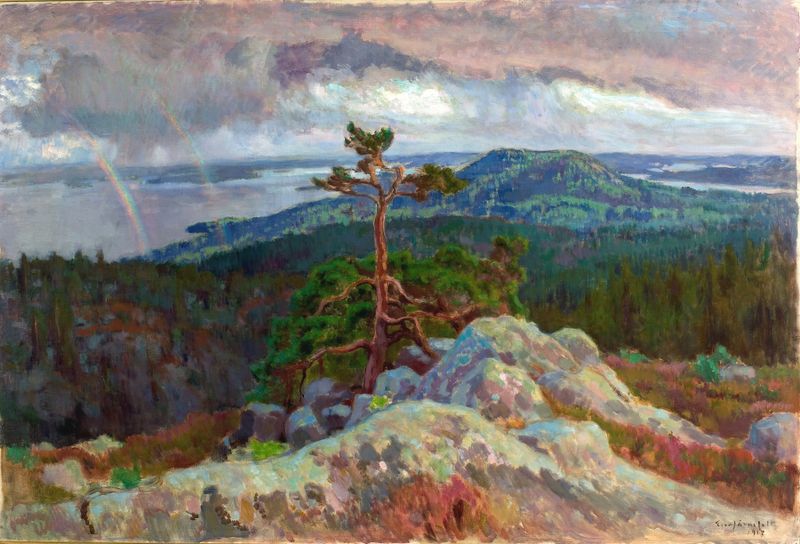
Koli
Eero Järnefelt
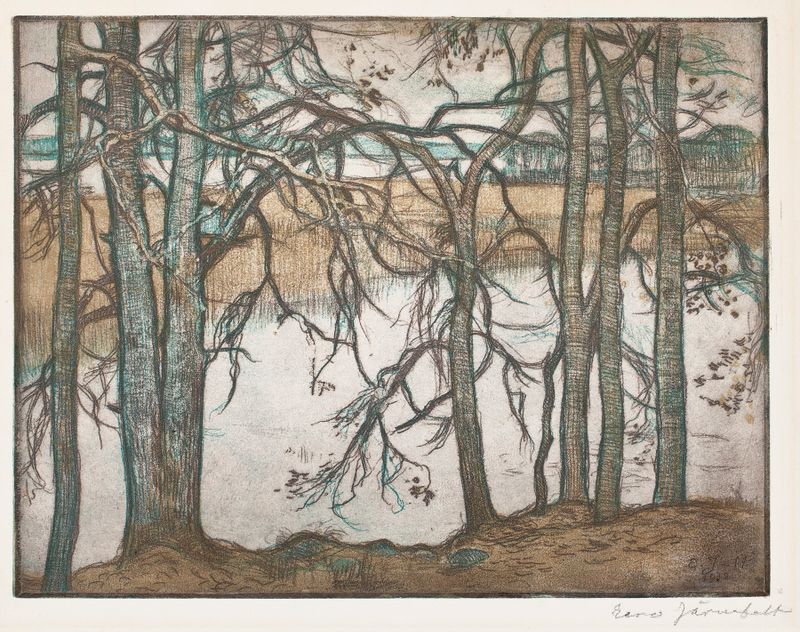
Lake Shore with Reeds
Eero Järnefelt
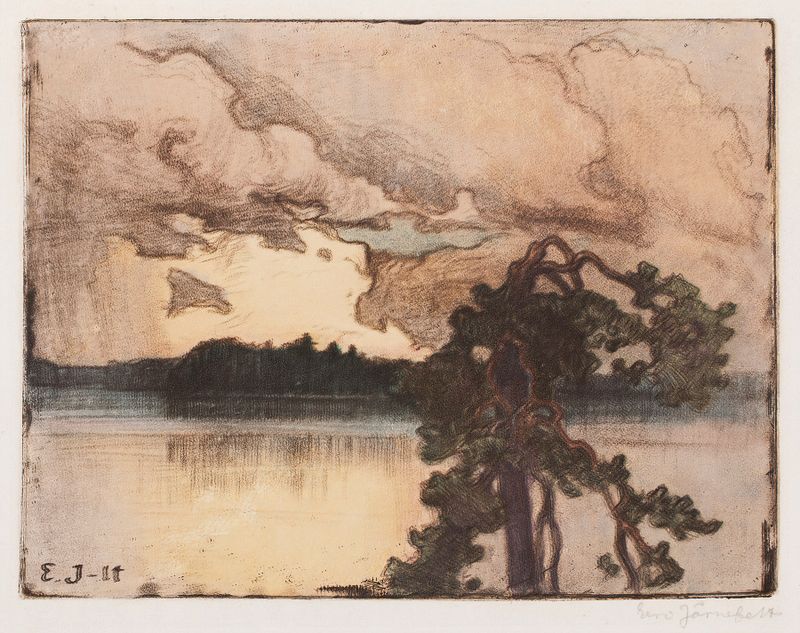
Lake Landscape at Sunset
Eero Järnefelt
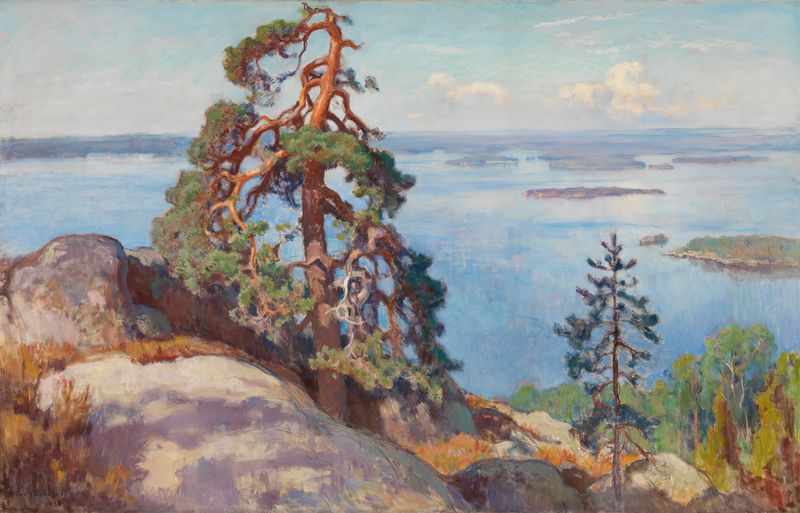
Landscape from Koli
Eero Järnefelt

Path in the Forest
Eero Järnefelt
Summer Night Moon
Eero Järnefelt
Forest with a Sandy Slope
Eero Järnefelt

Spring Flooding in Tuusulanjärvi
Eero Järnefelt

White rowan
Eero Järnefelt

Untitled
Eero Järnefelt





