
Delft — History & Facts
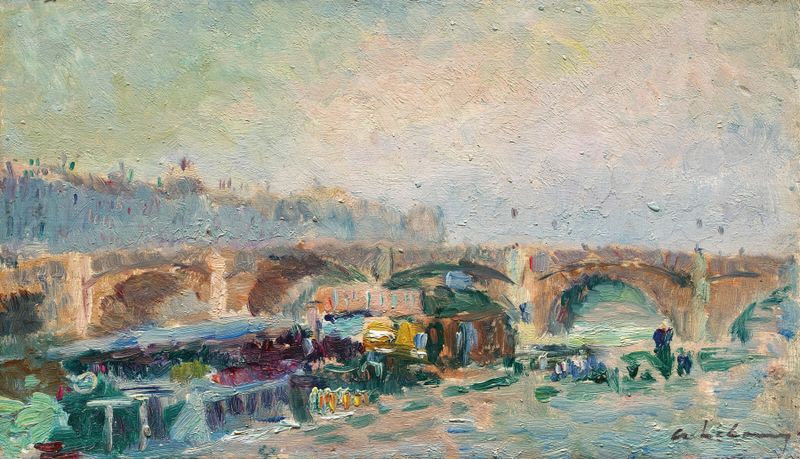
In the stillness of a moment captured on canvas, creation unfolds and whispers secrets of the soul. Look to the left at the soft, muted blues of the sky melting into the tranquil waters, inviting you to absorb the peaceful interaction between the two. Notice how the delicate brushwork forms the reflections of the buildings lining the water's edge, their warm hues contrasting with the coolness of the surroundings. The artist’s deft use of light creates a dance between shadow and illumination, invoking a serene yet contemplative atmosphere that envelops the viewer. As you delve deeper, consider the emotional weight of the scene.
The calm waters embody a deeper sense of introspection, reflecting the unspoken thoughts of those who inhabit this landscape. The juxtaposition of the vibrant city against the quiet stillness of the water speaks to the balance between life and solitude, societal noise and personal reflection. Each brushstroke conveys not merely the physicality of Delft but the essence of creation itself—a celebration of the mundane transformed into something extraordinary. Albert Lebourg painted Delft in 1896 during a period of significant artistic evolution in France, where Impressionism was gaining prominence.
At this time, he was exploring the interplay of light and color in landscapes, influenced by his contemporaries. This period marked a personal journey for Lebourg, as he sought to capture the fleeting moments of beauty in everyday scenes, reflecting a broader movement in art that emphasized perception and a connection to nature.
More Artworks by Albert Lebourg
Browse all →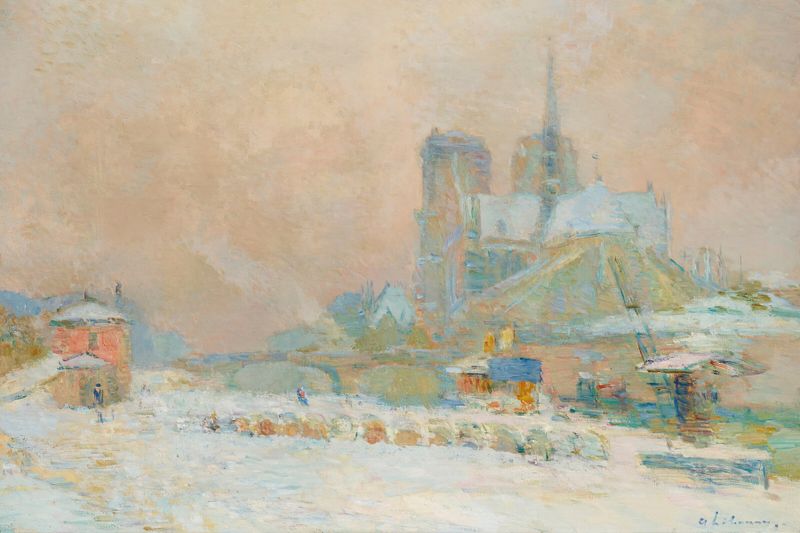
Notre Dame de Paris, vue du Quai de la Tournelle, effet de neige
Albert Lebourg
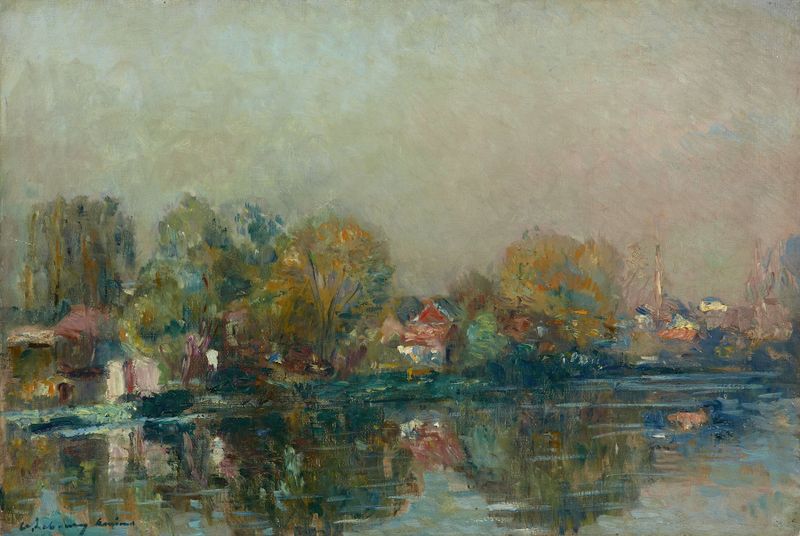
Amiens, bords de rivière
Albert Lebourg
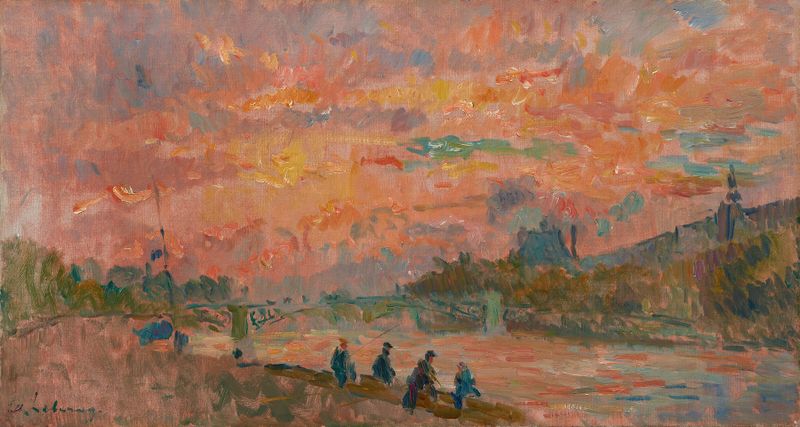
Coucher de soleil sur la Seine, à Paris
Albert Lebourg
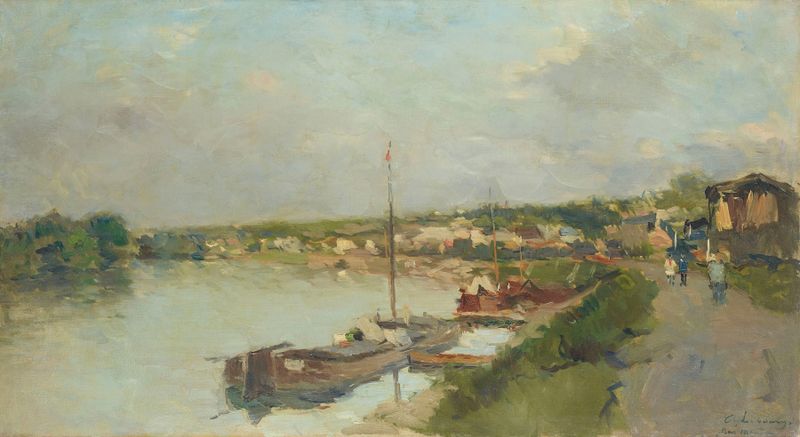
La Seine au Bas-Meudon
Albert Lebourg
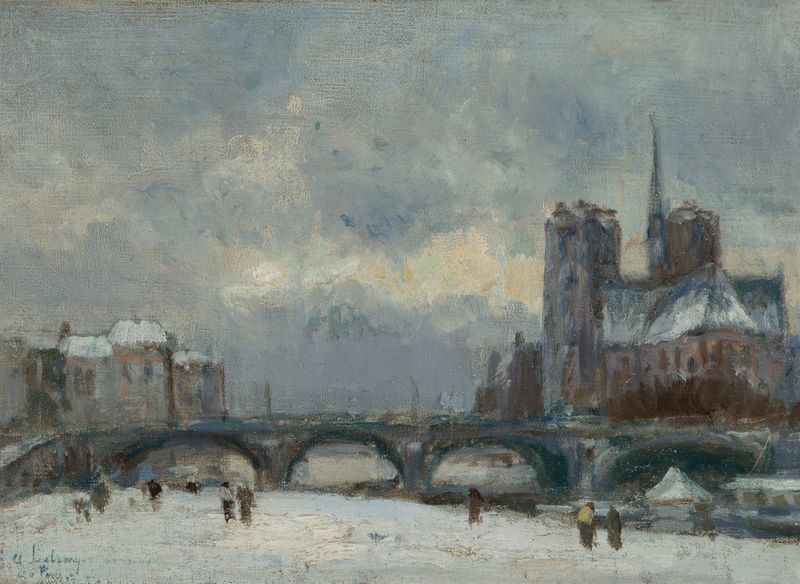
Paris, Notre-Dame, neige
Albert Lebourg
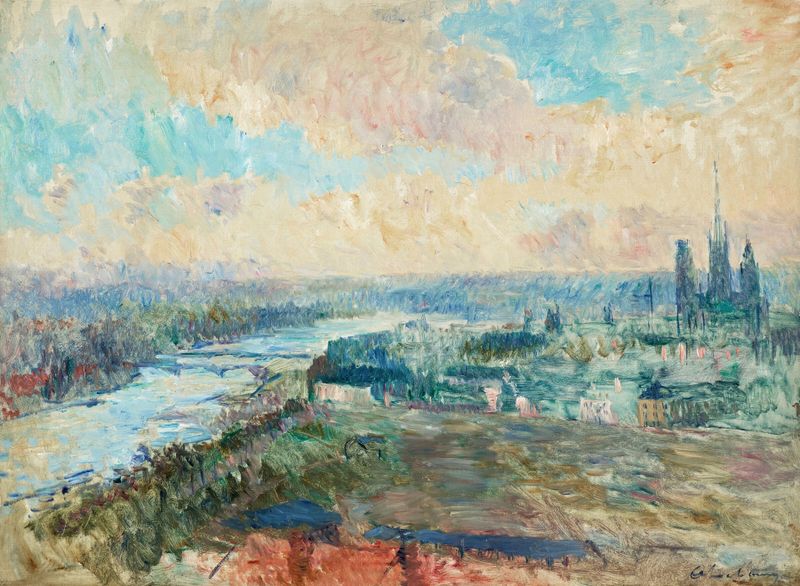
La Seine à Rouen
Albert Lebourg
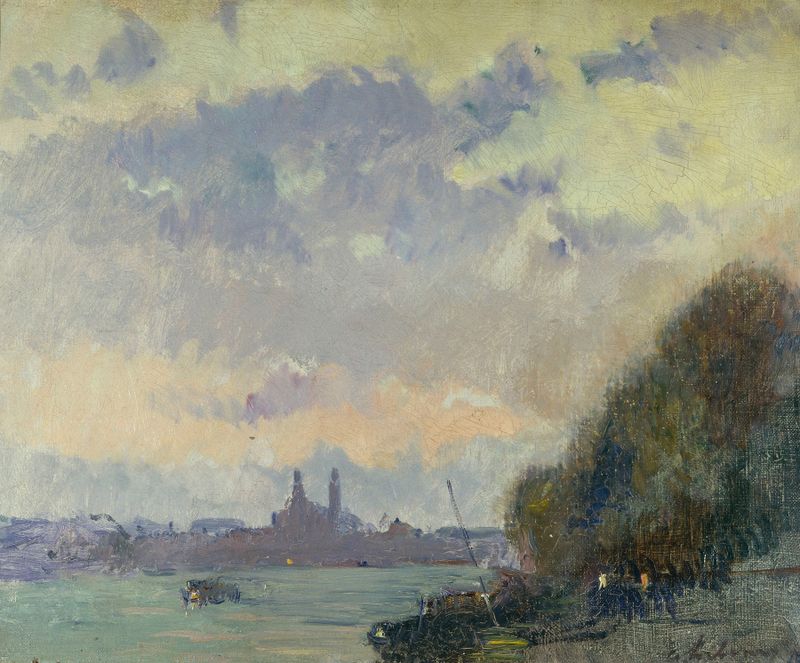
La Seine et l’ancien Trocadéro
Albert Lebourg
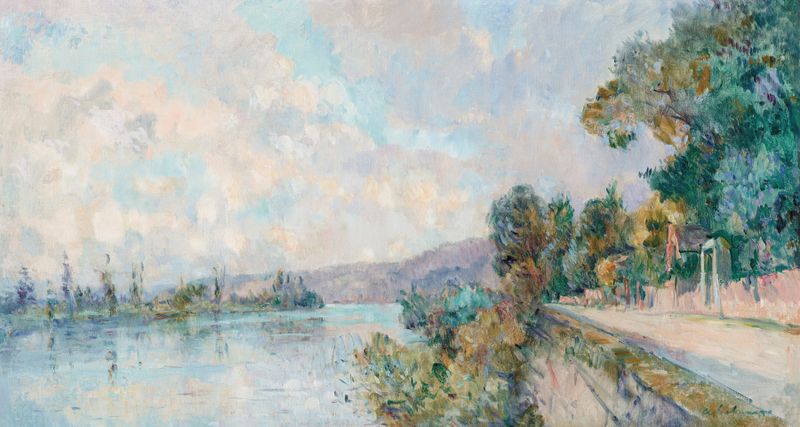
La Seine et les coteaux de Dieppedalle, vue prise de Croisset, près Rouen
Albert Lebourg
Le Pont de la Tournelle et le quai de Béthune
Albert Lebourg
Moulin En Normandie
Albert Lebourg





