
Departure — History & Facts
Can paint confess what words never could? In Richard Baseleer’s Departure, the canvas becomes an intimate space where grief and nostalgia entwine, inviting viewers to reflect on the silent pain of parting. Look toward the center of the composition, where a lone figure stands, cloaked in a muted palette of blues and grays. The soft, somber light bathes the subject, casting elongated shadows that heighten the sense of isolation. Surrounding the figure, the background blurs into an ethereal haze, evoking an atmosphere of loss.
The brushwork is delicate yet deliberate, capturing the emotional weight of the moment as the viewer’s gaze is drawn into the figure's solemn expression. In this poignant work, contrasts abound: the sharp clarity of the figure against the indistinct backdrop speaks to the struggle of maintaining identity amidst overwhelming sorrow. The restrained color scheme reflects both the heaviness of grief and the beauty of cherished memories. Details, such as the gentle curve of the figure's stance, suggest an unwillingness to let go, embodying the universal tension between longing and acceptance in the face of departure. Baseleer created Departure in Heyst during a reflective period of his life in the early 2000s.
Emerging from a postmodern context, he sought to explore themes of loss and intangible emotions, marking a shift in his artistic focus toward the psychological depths of human experience. This painting reflects both personal and collective sentiments, resonating with anyone who has faced the heartache of parting.
More Artworks by Richard Baseleer
Browse all →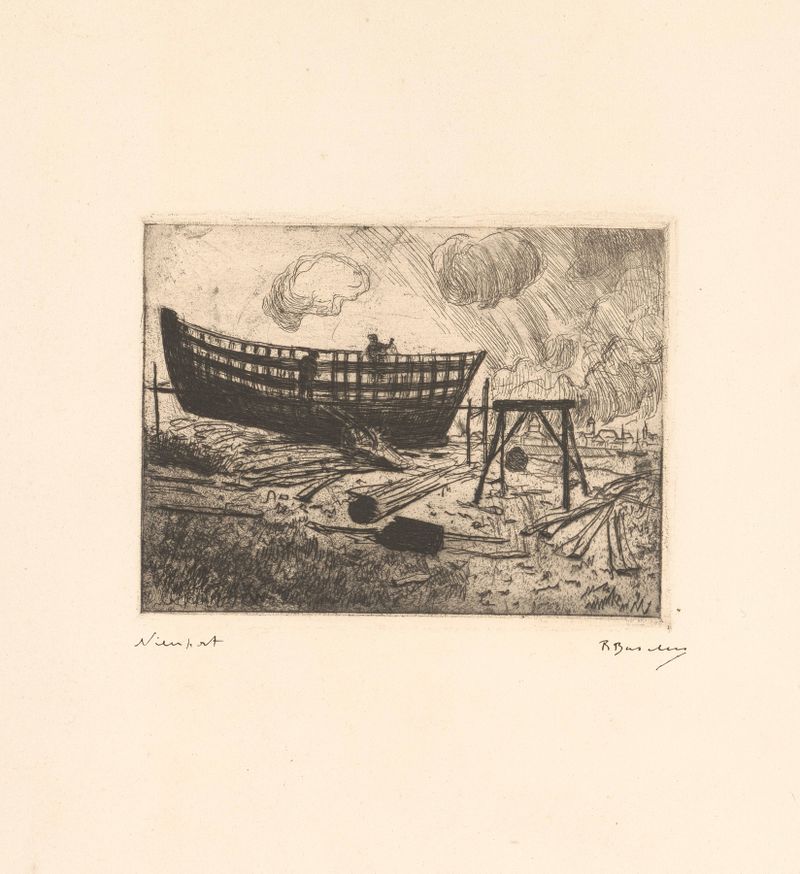
Nieuwpoort
Richard Baseleer

Dike Building on the Beach at Knokke
Richard Baseleer

View of the harbour
Richard Baseleer

Nieuwpoort
Richard Baseleer
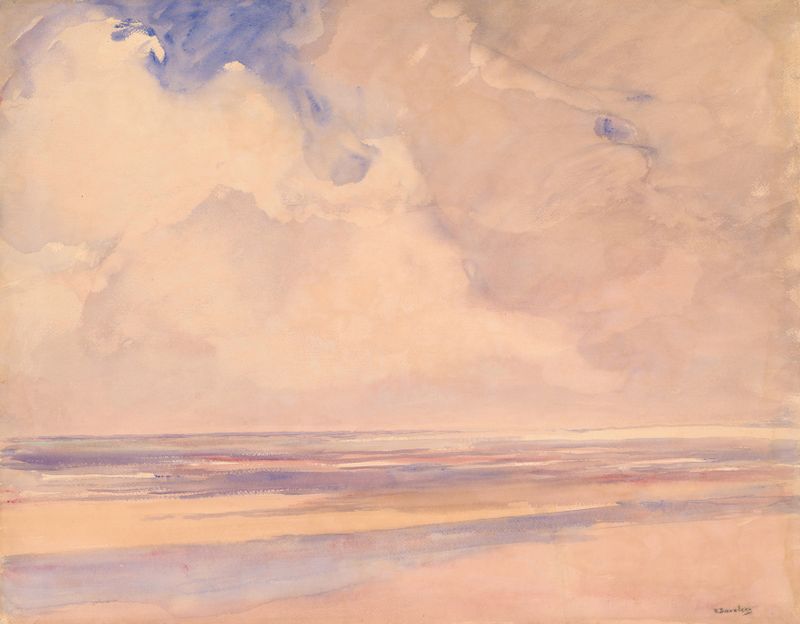
Sea view
Richard Baseleer
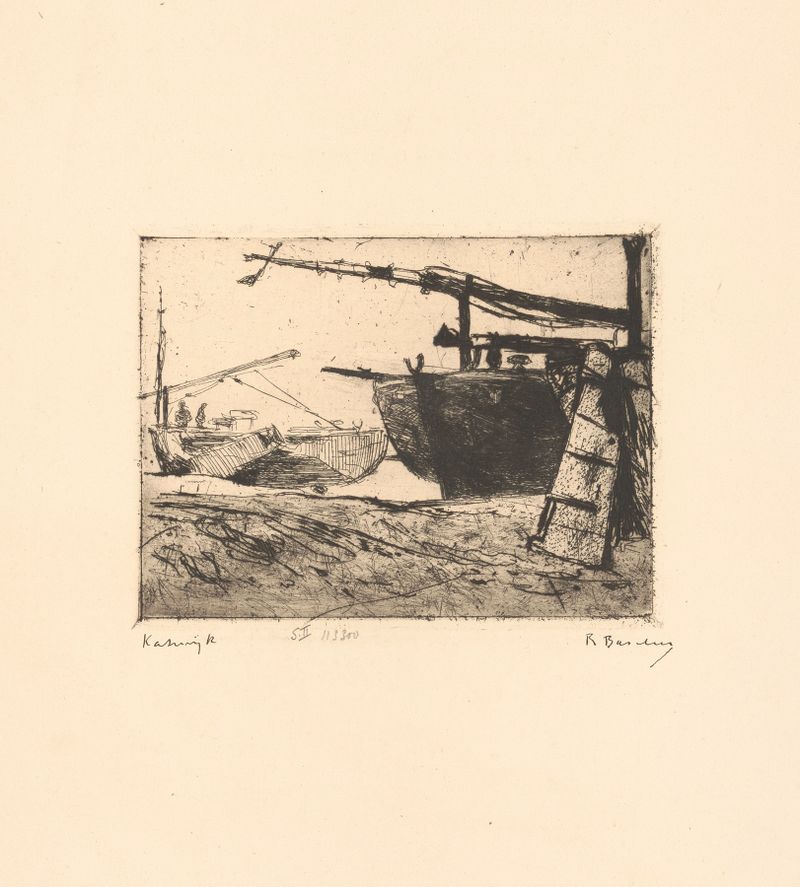
Views of Katwijk
Richard Baseleer

Views of Katwijk
Richard Baseleer
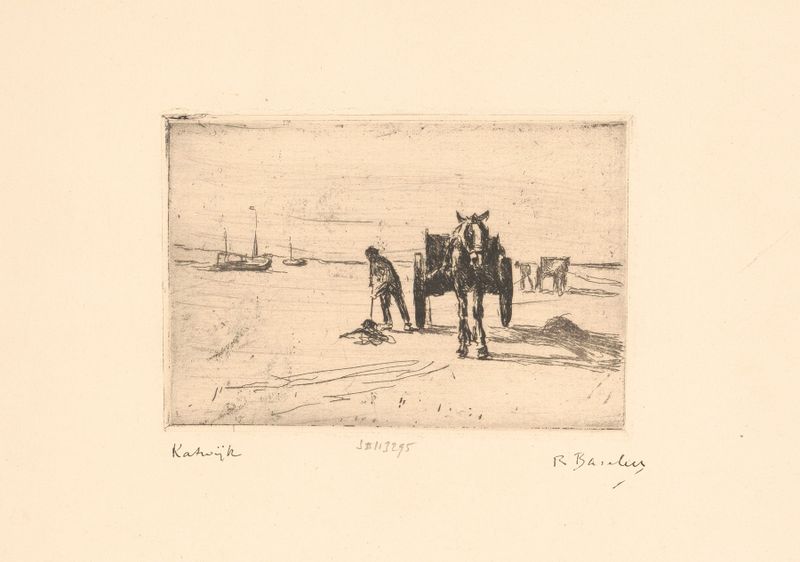
Views of Katwijk
Richard Baseleer

Views of Katwijk
Richard Baseleer

Views of Katwijk
Richard Baseleer





