
Der Grindelwaldglättscher im Canton Bern — History & Facts
When did color learn to lie? In a world where hues can deceive and forms can mislead, madness becomes a palpable force—ever-present, yet elusive. Focus first on the tumultuous landscape that sprawls across the canvas. Notice how the brushstrokes are charged with an energy that vibrates through the air, twisting the reality of the mountain range. The vibrant greens and blues suggest an unnatural beauty; it’s as if the colors themselves are caught in a fever dream, battling for dominance.
The sky looms overhead, a chaotic swirl of orange and pink, casting an unsettling glow that transforms the rocky terrain into something surreal. Peering deeper, one can sense a tension between the serene and the frenzied. The jagged peaks and rolling hills pulsate with an undercurrent of madness, each jagged line suggesting a narrative of chaos hiding beneath the surface of beauty. Look closely and you’ll discover shadowy figures, perhaps symbolic of struggle, interwoven within the landscape as if they are part of the very earth itself.
The contrast between the vibrant foreground and the dark recesses hints at a duality—an invitation to explore both the allure and the danger of the natural world. Created during a period when the Romantic movement was reshaping European art, this piece reflects Bleuler's struggle to define his voice amidst the currents of emotional expressionism. Working in Switzerland in the early 19th century, he found himself caught between traditional depictions of nature and the burgeoning desire to explore the psychological landscape of the mind. The world was ripe with change, and his brush became a tool to reveal the madness that lay hidden beneath the serene façade of the Swiss landscape.
More Artworks by Johann Heinrich Bleuler the Younger
Browse all →
Rigi, Kulm
Johann Heinrich Bleuler the Younger
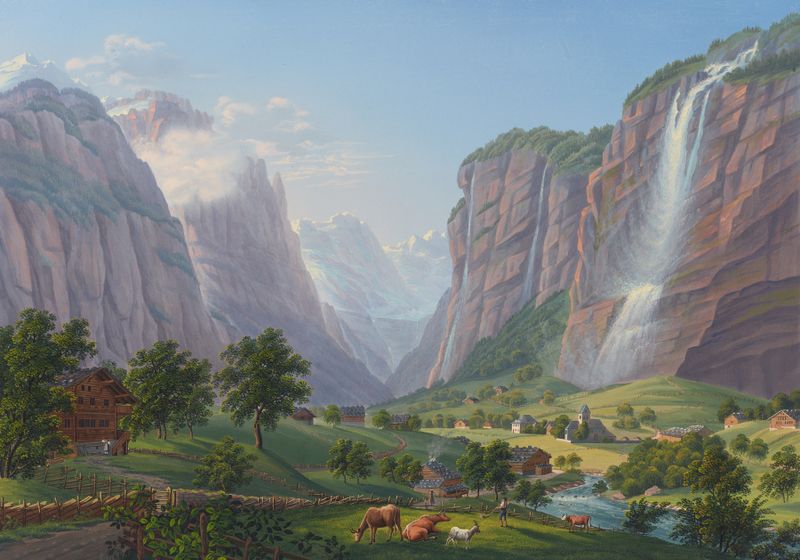
Der Staubbach im Lauterbrunnenthal
Johann Heinrich Bleuler the Younger
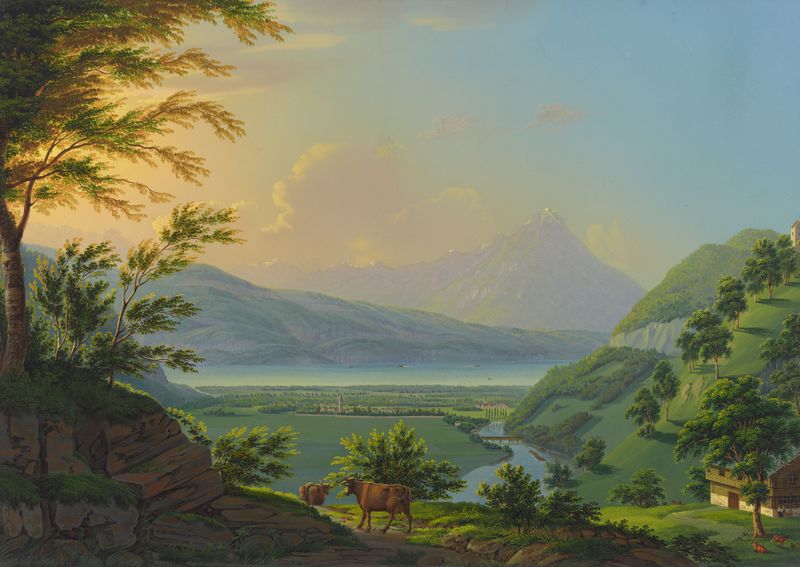
Aussicht bei Goldweil am Thunersee
Johann Heinrich Bleuler the Younger
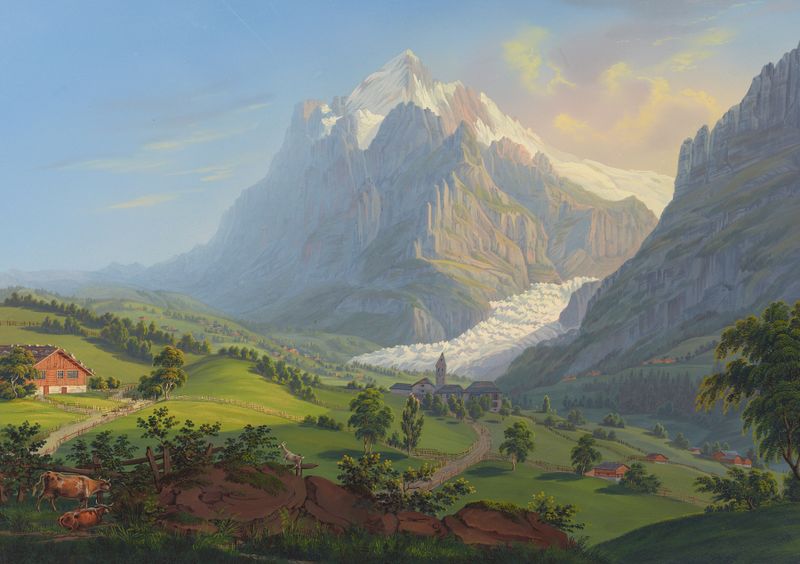
Das Wetterhorn im Grindelwald Canton Bern
Johann Heinrich Bleuler the Younger
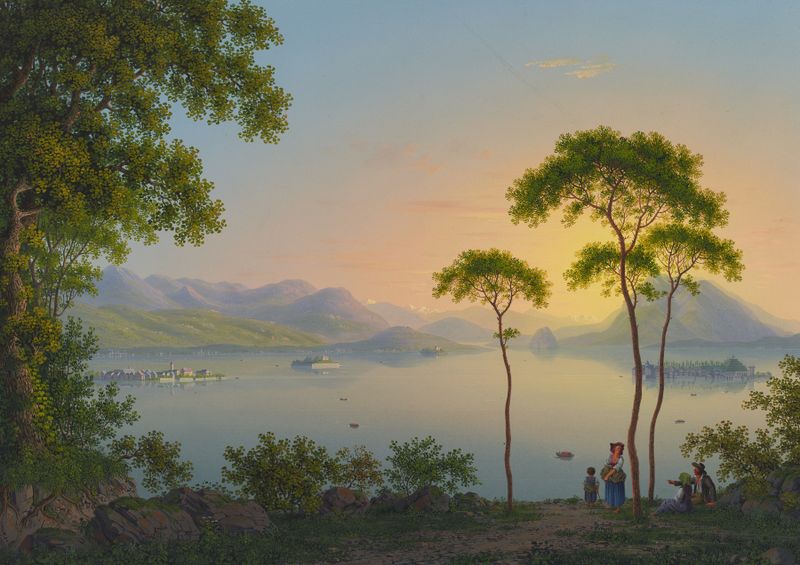
Die Boromäischen Inseln im Lago Maggiore
Johann Heinrich Bleuler the Younger
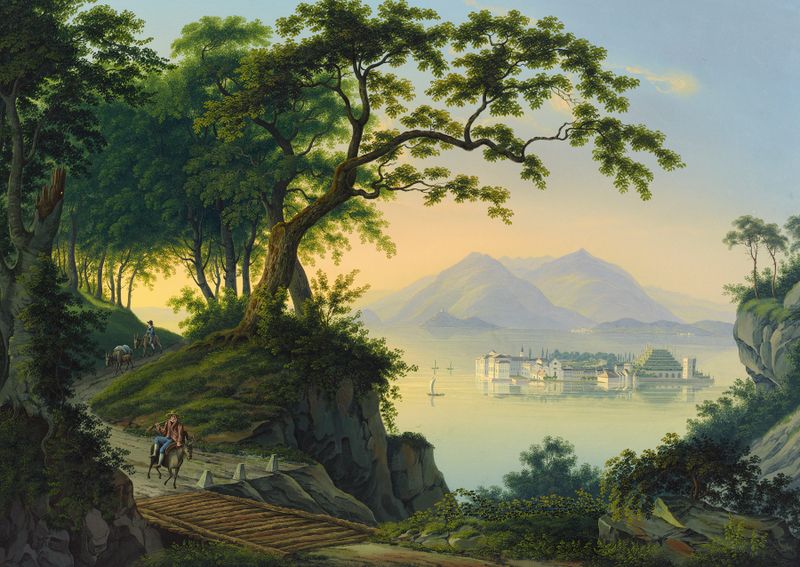
Isola Bella lago di Maggiore
Johann Heinrich Bleuler the Younger
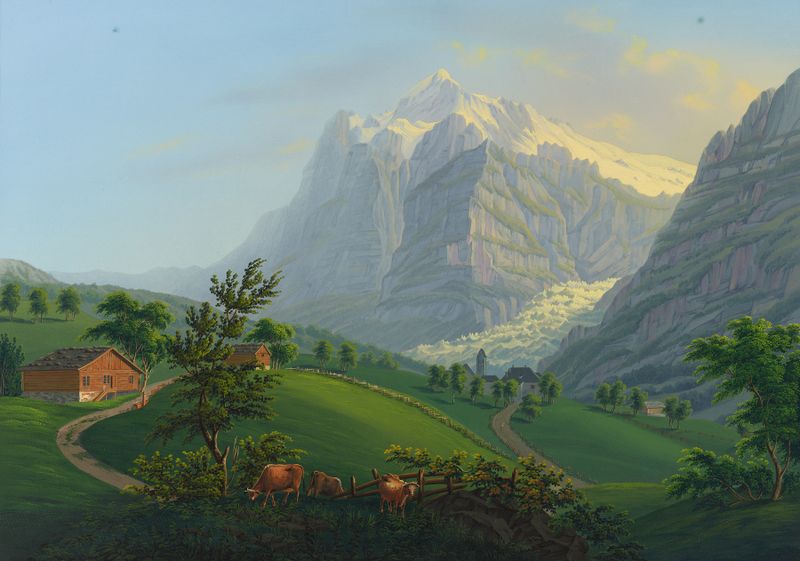
Das Wetterhorn im Grindelwald
Johann Heinrich Bleuler the Younger
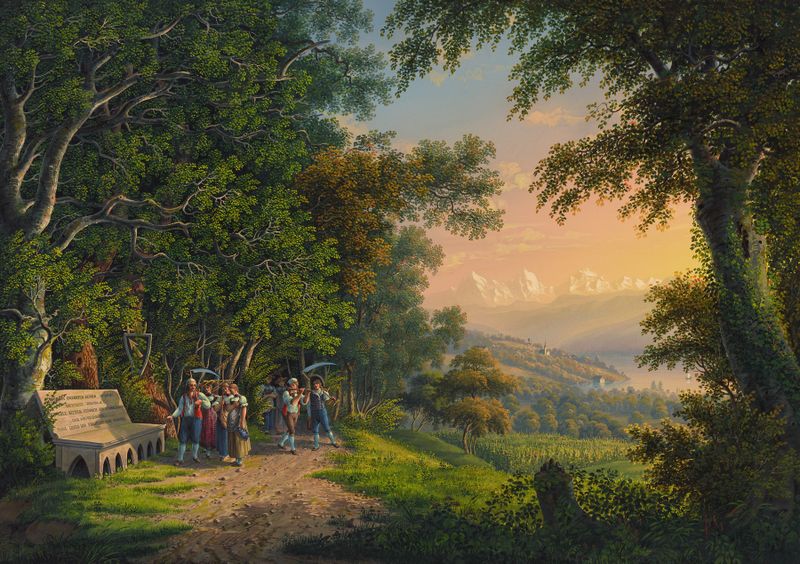
Aussicht bei Thun nach der Jungfrau
Johann Heinrich Bleuler the Younger

Grütli
Johann Heinrich Bleuler the Younger

Aufsicht vom Seelisberg über den Vierwaldstättersee
Johann Heinrich Bleuler the Younger





