
Der hentes brænde — History & Facts
Can beauty exist without sorrow? In the gentle embrace of nature, a moment unfolds, captured in perfect stillness, where the weight of the world seems to hover just out of reach. Look to the left of the canvas, where a group of figures stands poised in the serene folding of the landscape. Their silhouettes contrast against the soft, earthy tones that paint the foreground, drawing the eye to their shared task—collecting firewood. Notice how the light bathes their faces, casting a golden glow that suggests warmth amidst the quiet labor; it illuminates their expressions, hinting at stories unspoken.
The delicate brushwork captures the texture of the trees and the softness of the underbrush, inviting the viewer to step into their world. Yet, beneath this tranquil surface lies a sense of tension; the figures, while engaged in their work, seem enveloped by a profound silence. The emptiness surrounding them hints at a void, suggesting a deeper connection to the nature of existence. The contrast between the industriousness of the individuals and the vast, untouched beauty of the landscape serves to evoke a poignant reflection on the balance of human endeavor and the solitude of life. In 1872, when this piece was created, Anders Andersen-Lundby was immersed in the Romantic movement, vibrant with the exploration of nature and human emotion.
Living in Denmark, he was influenced by the evolving art scene that celebrated both realism and the poetic depth of rural life. This painting reflects the artist's intent to capture not just a moment in time, but a universal truth about the intertwined nature of beauty and sorrow—an exploration that resonates through the ages.
More Artworks by Anders Andersen-Lundby
Browse all →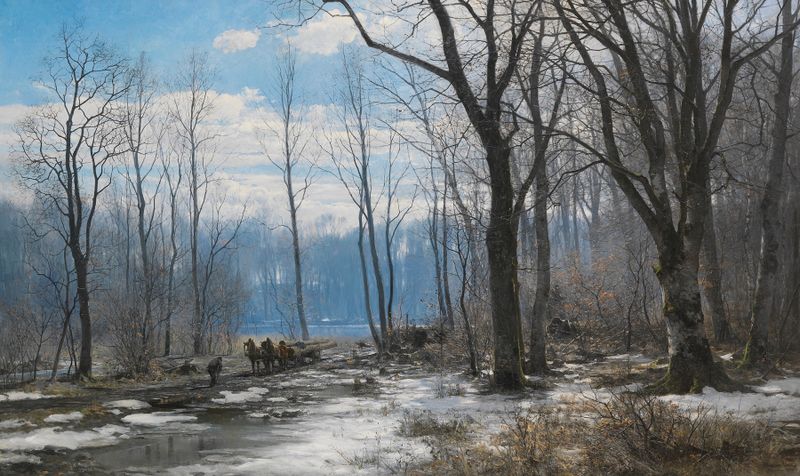
Wintertag im Englischen Garten in München
Anders Andersen-Lundby
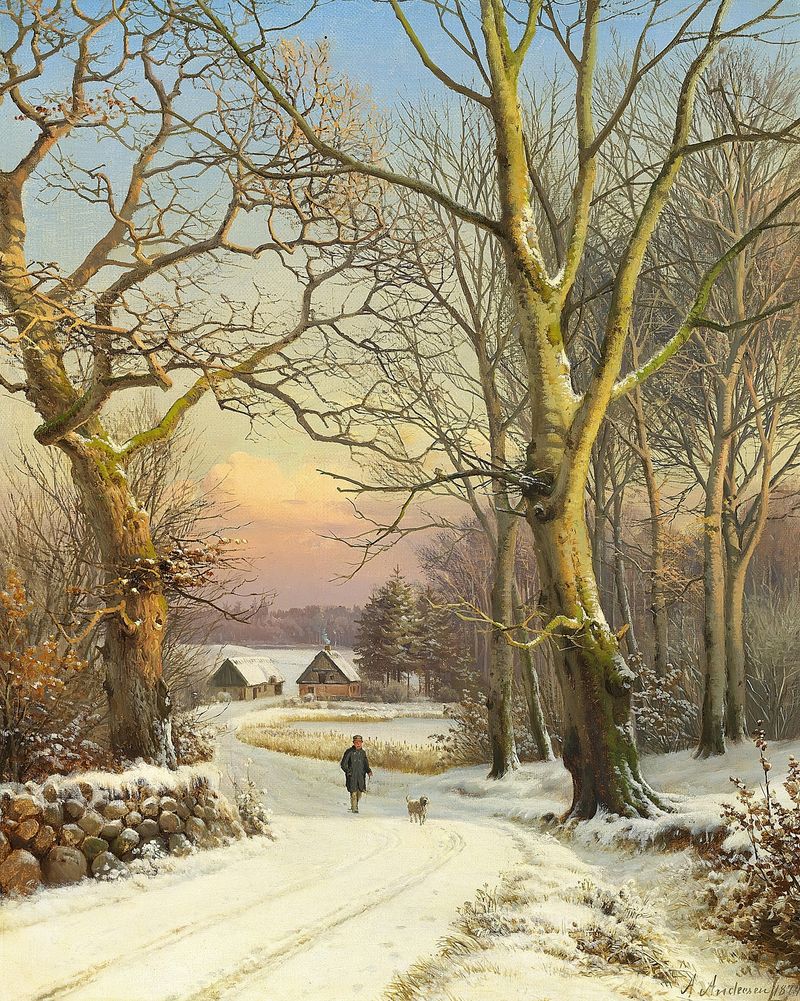
Vinterdag i skoven, Nordsjælland. En mand lufter hunden
Anders Andersen-Lundby

Morgenstemning, køerne røgtes
Anders Andersen-Lundby
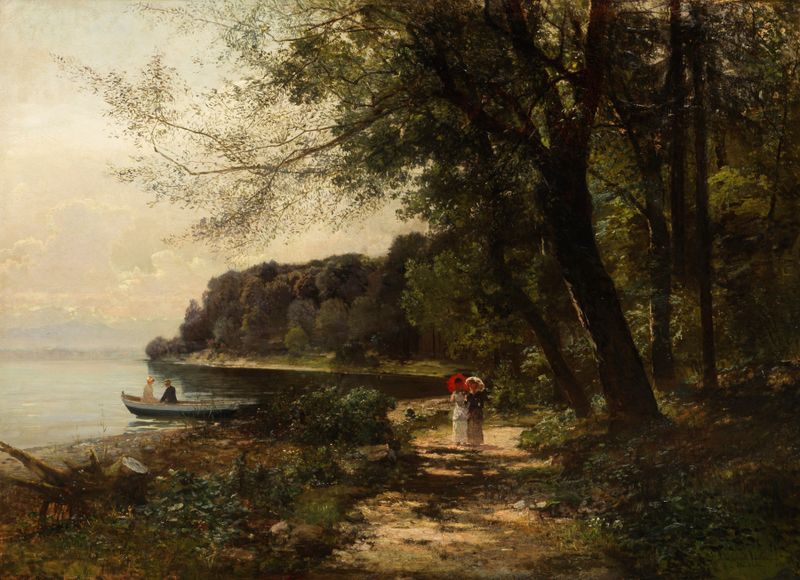
Sommertag am Starnberger See
Anders Andersen-Lundby
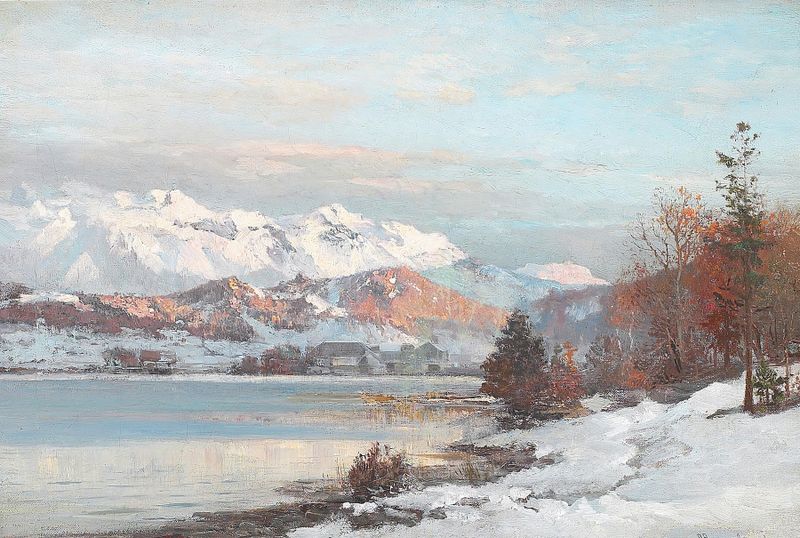
Vinterlandskab med morgenlys over bjergsø, i baggrunden udsigt til Alperne
Anders Andersen-Lundby
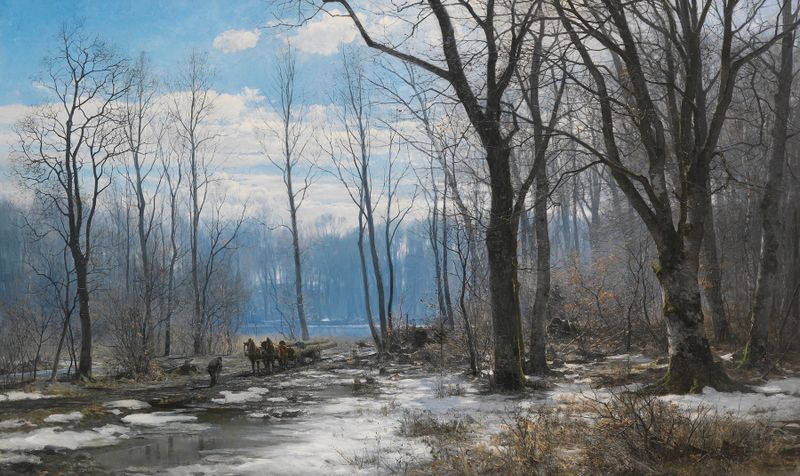
A winter day in the English Garden in Munich
Anders Andersen-Lundby

Winter landscape
Anders Andersen-Lundby
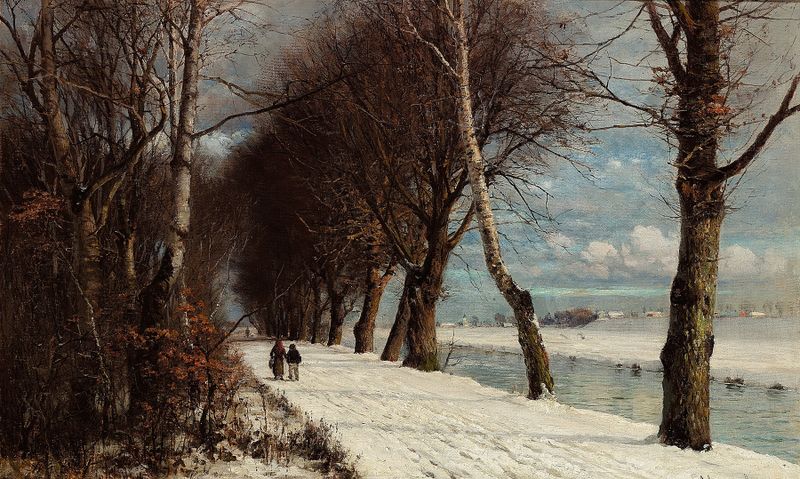
Vinterlandskab med spadserende personer
Anders Andersen-Lundby
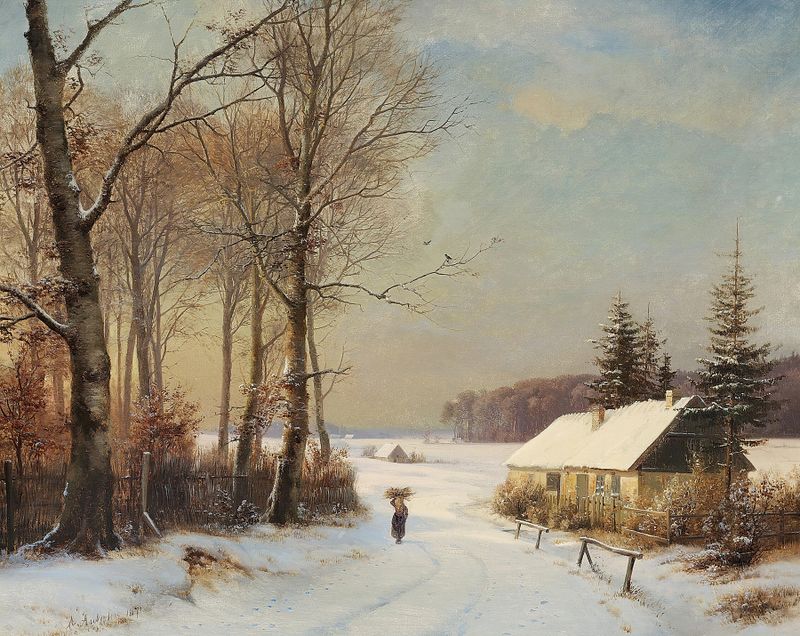
Vinterlandskab med kone på en landevej ud for et hus
Anders Andersen-Lundby
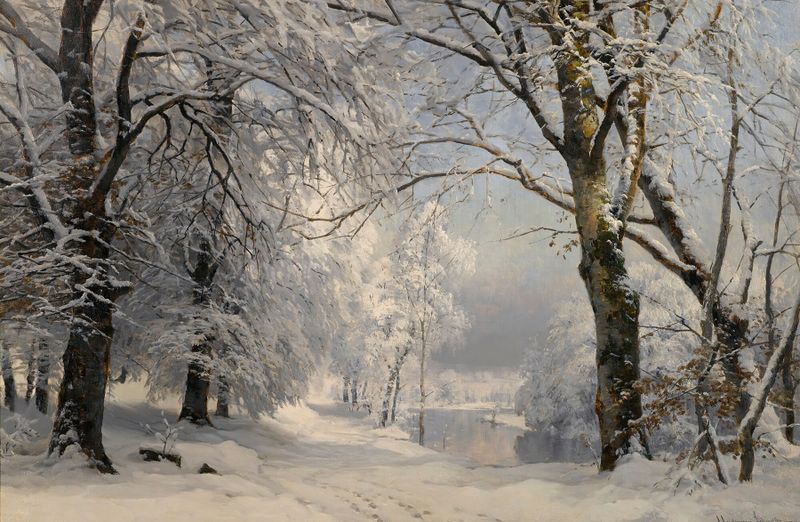
Forest In Winter
Anders Andersen-Lundby





