Der Morgen — History & Facts
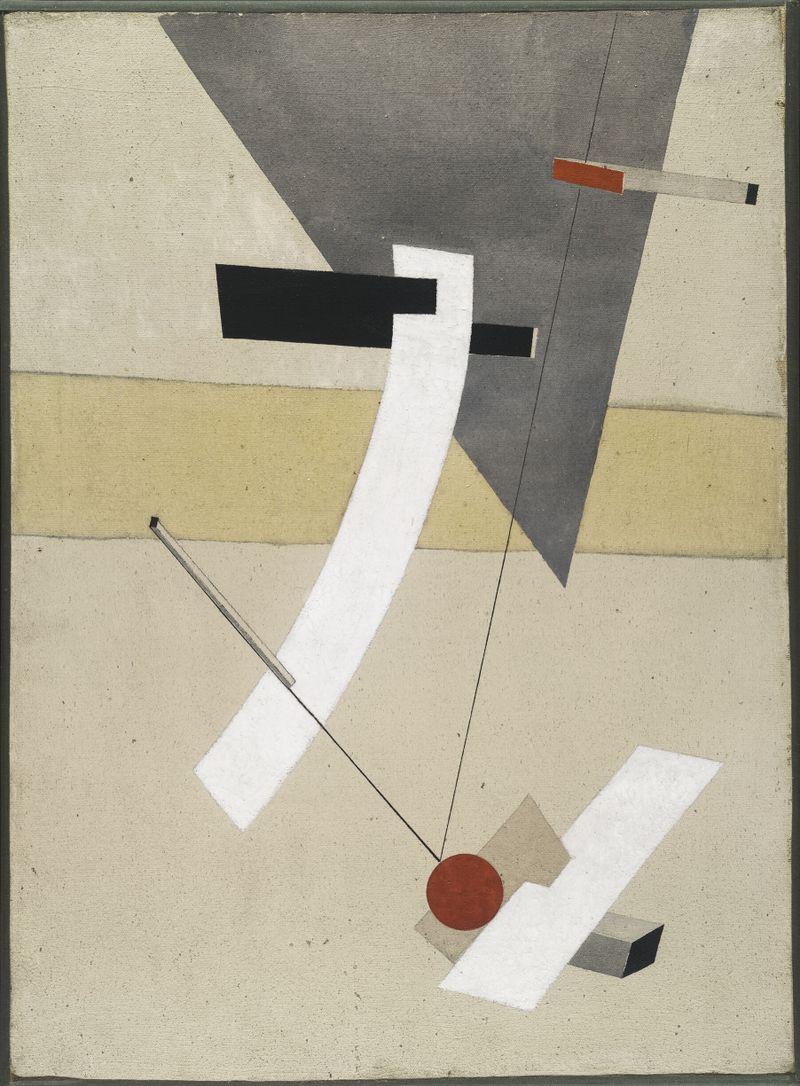
In the quiet depths of the canvas, a void pulsates with unspoken emotions, inviting the viewer into a delicate interplay of light and shadow. Look closely at the lower half, where subtle hues blend seamlessly, creating a soft gradient that suggests sunrise breaking through the darkness. The gentle strokes of the brush evoke a sense of tranquility, while the lighter shades above hint at the promise of a new day. Notice how the color transitions from deep indigo to warm gold, illustrating not just the dawning of morning but a profound metamorphosis from night to day. Within this piece, contrasts emerge like whispers in a quiet room.
The stark division between darkness and light symbolizes the perpetual cycle of hope and despair, holding the viewer in a state of contemplation. This liminal space, rife with emotional tension, reflects the void of uncertainty, where the absence of overt imagery prompts introspection, encouraging the audience to confront their own silences and fears. Created during a period of artistic experimentation, the origins of this work remain shrouded in mystery, much like its theme. Lauterer, active in the late 19th century, was influenced by the evolving Romantic ideas of light and color.
This work embodies the quiet revolution in art, as the world witnessed rapid changes in perception and understanding, forging a new path between abstraction and representation.