
Der Palügletscher — History & Facts
Where does light end, and longing begin? In the presence of nature's grandeur, we find ourselves suspended between awe and yearning. Focus on the sweeping expanse of the glacier, its icy blues and whites contrasting starkly against the darker, earthy tones of the surrounding landscape. Notice how the sun breaks through the clouds, illuminating the jagged edges of the ice with a shimmering brilliance. The composition draws your eye to the glacier’s crevices, where deep shadows speak of hidden depths and the relentless passage of time. What lies beneath this pristine surface? The painting captures a moment of sublime beauty, yet it whispers of the powerful forces shaping the land—climate, erosion, and the indifference of nature to human existence.
The interplay between light and shadow evokes a feeling of transience, reminding us of our own fleeting place within this vast and timeless landscape. Each brushstroke evokes a sense of both majesty and vulnerability, inviting reflection on the relationship between humanity and the natural world. Anton Hansch painted Der Palügletscher in 1855 while residing in the Swiss Alps, a period marked by the Romantic movement's fascination with nature's sublime qualities. The mid-19th century was a time of great exploration and discovery, as artists sought to capture the raw beauty of the world around them.
This artwork reflects the artist’s connection to the alpine landscape, encapsulating the awe and reverence felt in the face of such monumental natural formations.
More Artworks by Anton Hansch
Browse all →
Eiger Mönch Jungfrau
Anton Hansch

Partie vom Hintersee mit Mühlsturzhorn (Bayern)
Anton Hansch

Blick Auf Den Gardasee (Lake Garda)
Anton Hansch

A Mountain Landscape With A Smithy
Anton Hansch

A Mountain Torrent
Anton Hansch
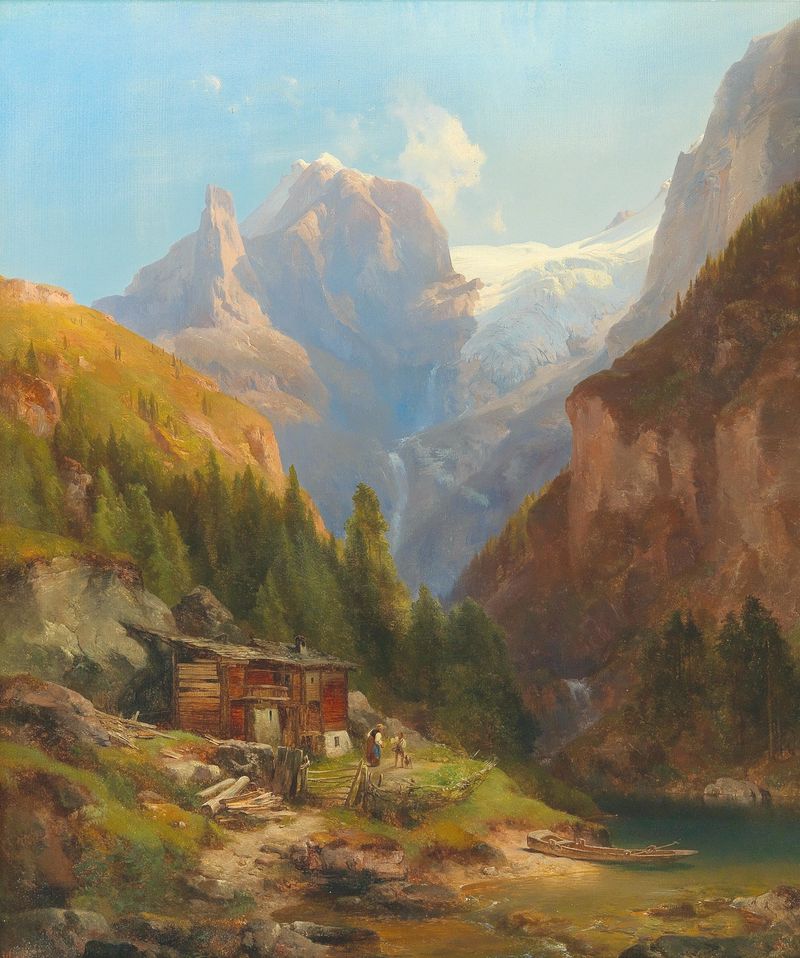
Blick Auf Den Goldeck Kees
Anton Hansch

Der Großglockner
Anton Hansch

A View of the Gurgler Eissee in the Ötztal Alps, Tyrol
Anton Hansch
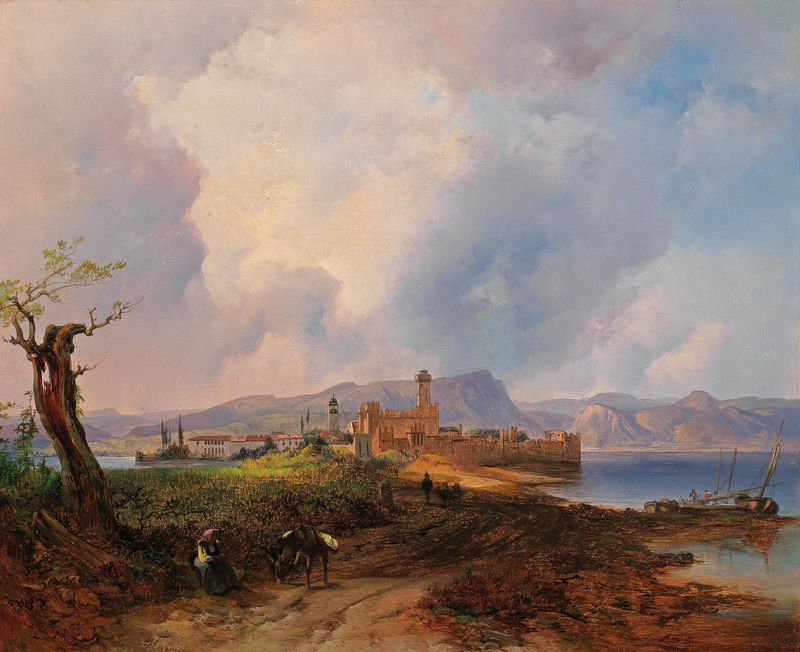
Sirmione
Anton Hansch
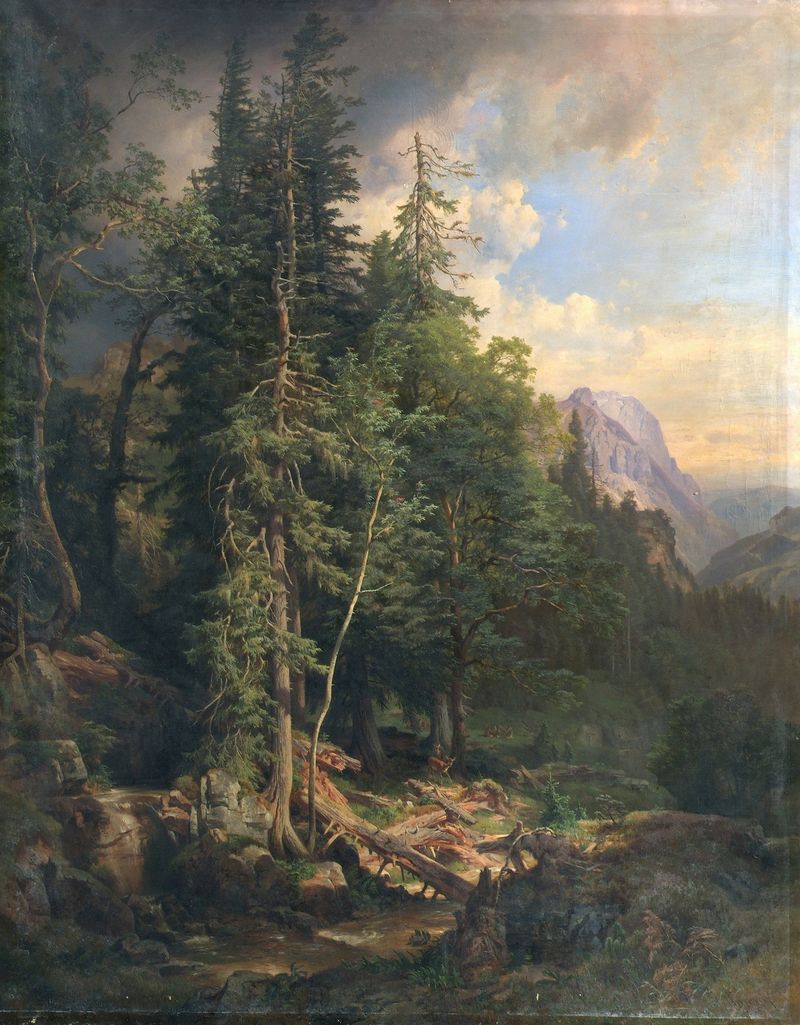
Aus den steirischen Gebirgswäldern bei Neuberg
Anton Hansch





