Die Erde — History & Facts
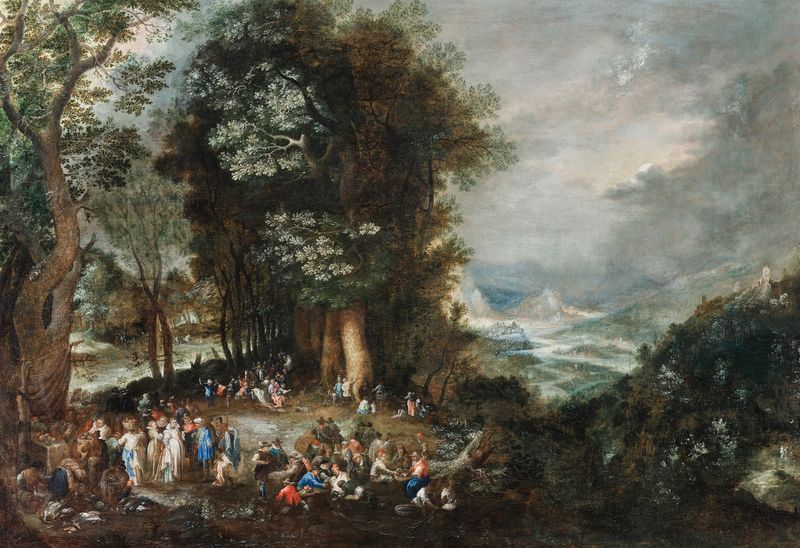
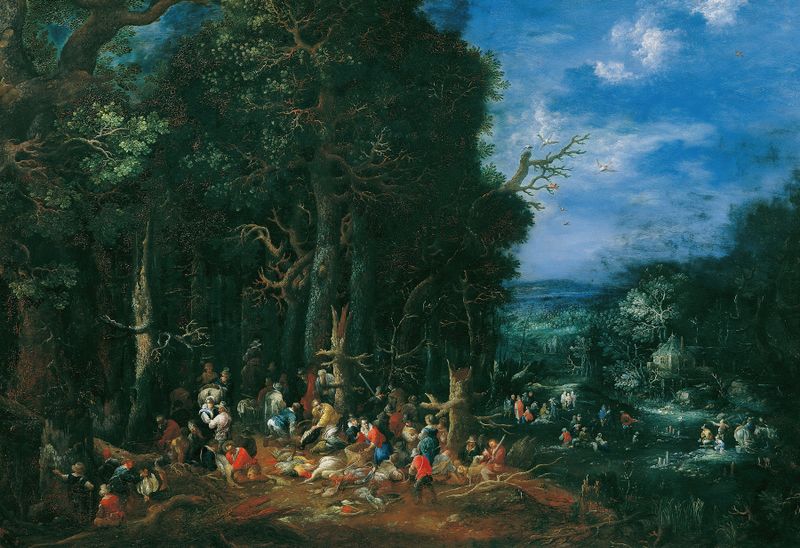
What if beauty was never meant to be finished? In a world ever in motion, Die Erde invites us to contemplate the eternal dance of creation and decay. Look to the bottom of the canvas, where verdant greens and earthy browns meld seamlessly, forming a tapestry of life that breathes beneath the weight of our existence. Notice how the light plays across the texture, with subtle brushstrokes suggesting movement, as if the earth itself rises and falls in quiet rhythm. Ascend your gaze to the ethereal blues and whites above, where celestial elements swirl, merging land and sky—a reminder of the boundless connection between the two. Within this fluid composition, contrasts emerge: the grounding solidity of the earth rounds against the airy chaos of the heavens, each fighting for supremacy yet forever intertwined.
Hidden among the foliage are delicate details, perhaps blooming flowers or a hint of wildlife, whispering of life’s resilience amidst the vastness. The dynamic interplay between color and form evokes a sense of wonder, challenging us to confront the beauty that exists in both exuberance and fragility. In the era when this piece was created, Johann Jakob Hartmann was immersed in the evolving narratives of the Romantic movement, capturing the sublime and the spiritual in nature. Working during a time when art began to reflect deeper emotional truths rather than mere representation, he sought to express the profound awe inspired by the natural world, a sentiment that resonated with audiences craving connection in an increasingly industrial age.