
Die Labrofälle bei Kongsberg in Norwegen — History & Facts
The canvas doesn’t lie — it simply waits. In the stillness of a moment crafted by brush and pigment, the tumult of creation beckons us to ponder the intricate dance between nature and human endeavor. Look to the center of the composition where a cascade of silver water tumbles down rugged rocks, glistening under a soft, ethereal light. The surrounding foliage, with deep greens and dappled light, frames the scene, enhancing the vitality of the waterfall.
Notice how the artist employs a delicate interplay of light and shadow, capturing the essence of water’s movement while the meticulous details of the flora ground it in reality. Every stroke breathes life into the scene, imbuing it with a palpable sense of serenity and motion. As you delve deeper, consider the juxtaposition of the rigid mountains and the fluid water, suggesting a dialogue between stability and change. The waterfall appears both a force of nature and a metaphor for the relentless passage of time, while the tranquil forest whispers of the hidden stories in the natural world.
This tension reveals not just the beauty of Kongsberg’s landscapes, but invites contemplation on our fleeting existence within such grandeur. In 1859, the artist created this work amidst a flourishing Romantic movement, characterized by its celebration of the sublime in nature. Living in Germany, Leu found inspiration in the Norwegian landscapes, reflecting the period’s growing fascination with the raw beauty of unspoiled wilderness. This painting, a testament to both artistic prowess and a deep connection to nature, captures a pivotal moment in his journey as a landscape painter.
More Artworks by August Wilhelm Leu
Browse all →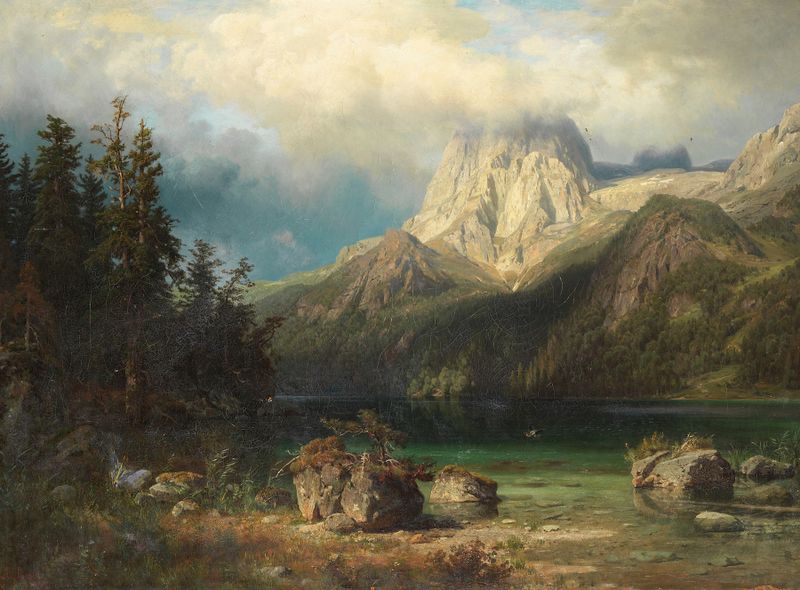
Gebirgslandschaft
August Wilhelm Leu

A View of Lake Grundlsee with Backenstein
August Wilhelm Leu
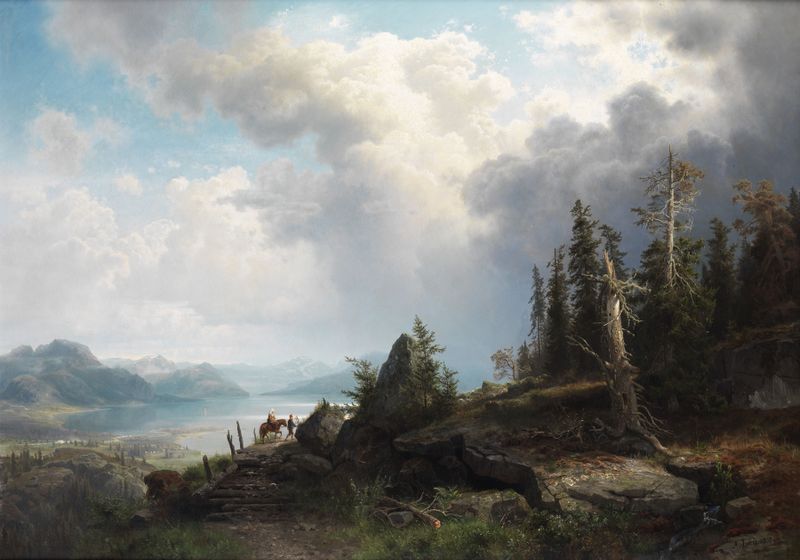
Gebirgslandschaft
August Wilhelm Leu
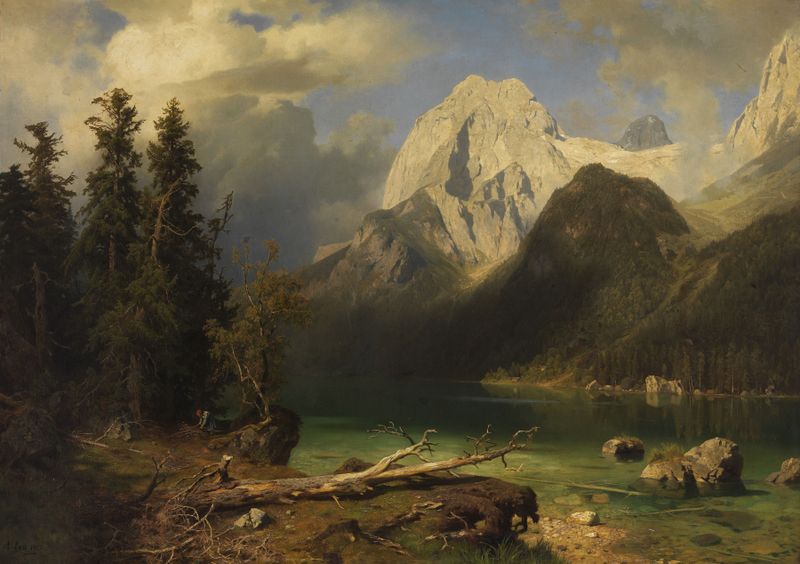
Gebirgssee mit Gebirgsmassiv im Hintergrund
August Wilhelm Leu
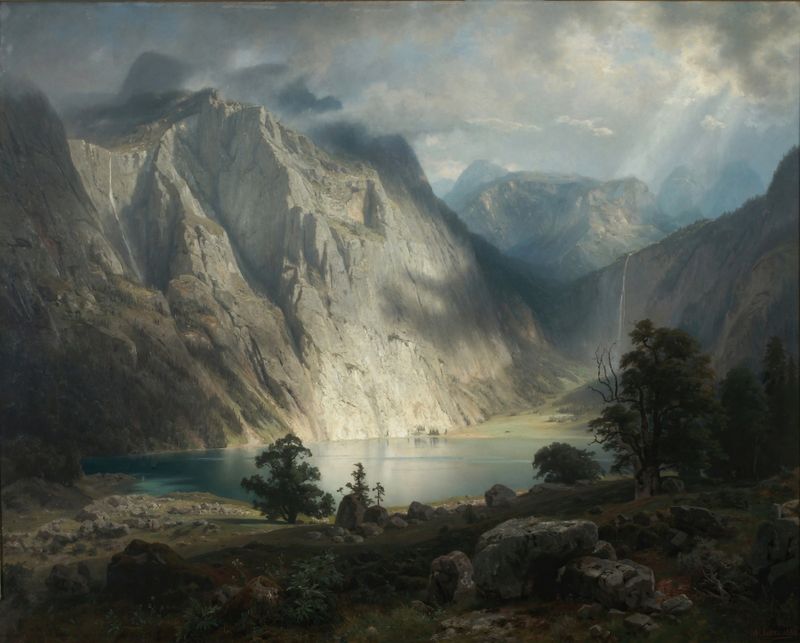
Obersee bei Berchtesgaden
August Wilhelm Leu
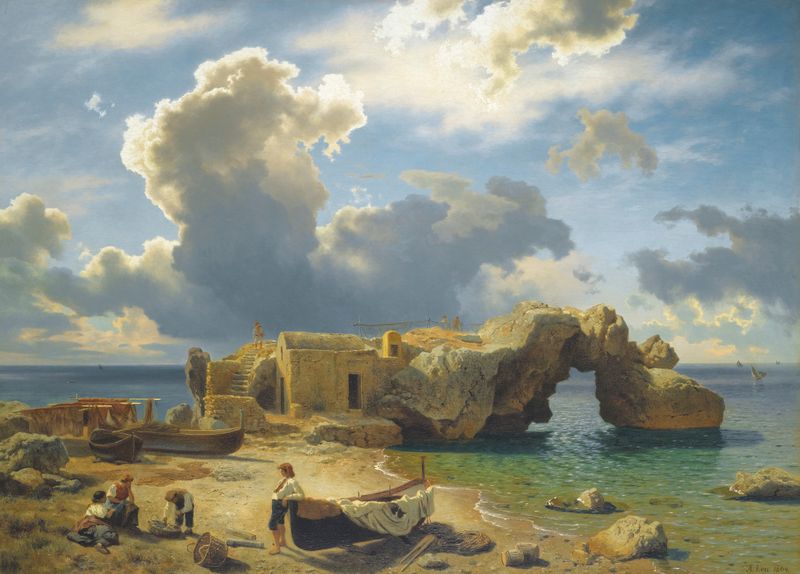
Capri
August Wilhelm Leu
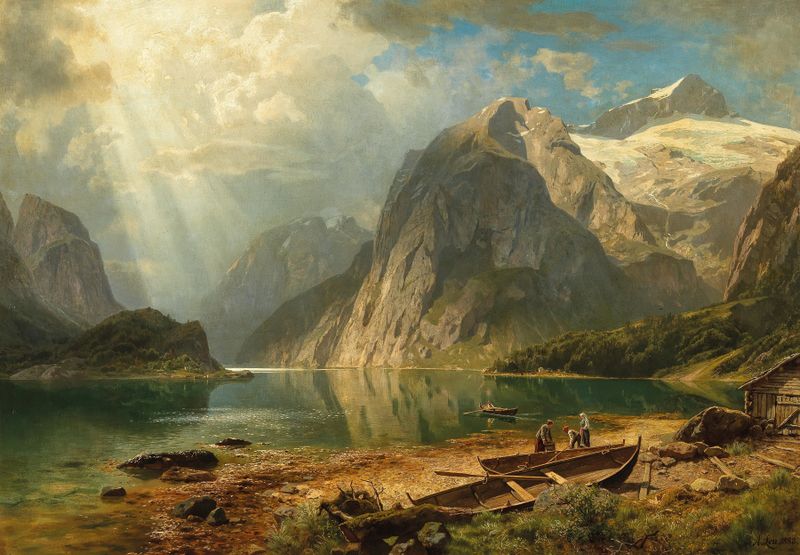
A Fjord Landscape
August Wilhelm Leu

A View of the Watzmann Mountain and Lake Königssee
August Wilhelm Leu
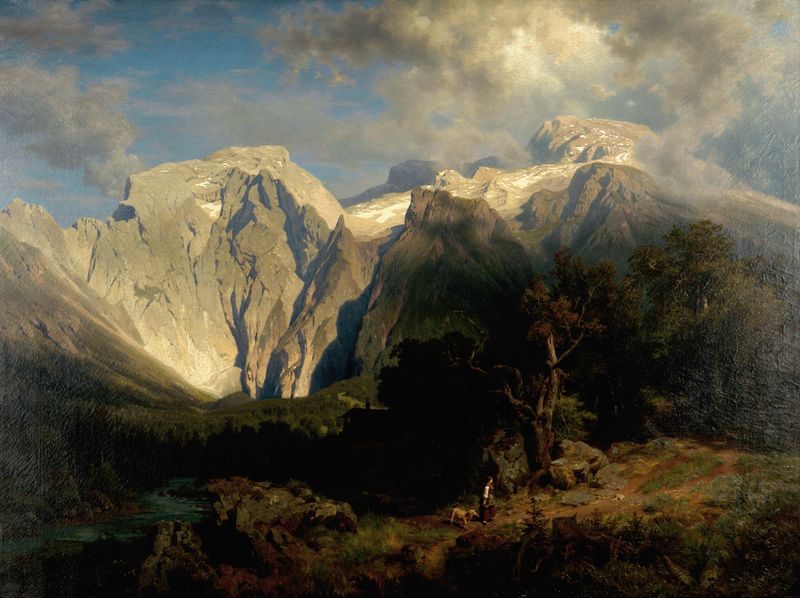
Kalkgebirgslandschaft
August Wilhelm Leu

Fjordlandschaft mit Gletscher und Rentieren
August Wilhelm Leu





