
Die Memnonkolosse — History & Facts
Can paint confess what words never could? In Die Memnonkolosse, the emotional weight of grief hangs palpably, inviting the viewer into a nuanced exploration of loss and memory. Look to the left at the towering figures, their once-majestic forms now draped in shadows that seem to echo the weight of time. The muted earth tones envelop the colossi, suggesting a landscape that is both monumental and desolate. Notice how the light captures the intricate carvings on the stone, revealing the delicate artistry amidst the harshness of their surroundings.
This contrast evokes a sense of reverence, as if each detail whispers the stories of those who admired them in their prime. Yet within this serene silence lies a palpable tension. The broken statues, sitting eternally amidst the shifting sands, speak to the impermanence of existence and the inevitability of decay. Their grandeur, now a relic of lost glory, transforms the viewer’s gaze from awe to introspection.
Each fragment of stone seems to encapsulate the heartache of remembered beauty, inviting reflections on what is left behind when we lose the people and places we cherish. Albert Zimmermann painted this work during a time when the art world was grappling with the emergence of new ideas and forms. While the exact date of creation remains elusive, it is clear that he sought to encapsulate profound emotional truths during a period marked by change and uncertainty. His ability to convey complex feelings through the power of imagery speaks to a broader artistic movement grappling with the struggles of human experience.
More Artworks by Albert Zimmermann
Browse all →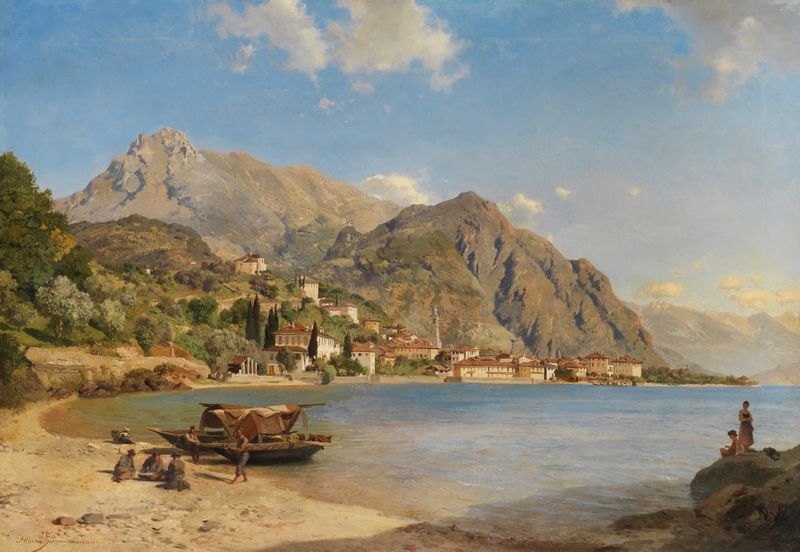
Am Ufer des Comer Sees (Menaggio)
Albert Zimmermann

Gewittersturm im Hochgebirge
Albert Zimmermann

A Lake in the Alps, in the Background the Monte Rosa Chain in Switzerland
Albert Zimmermann

Landscape
Albert Zimmermann
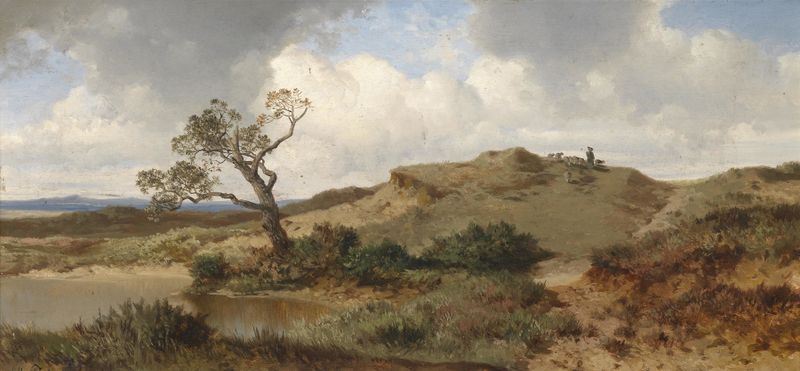
Schwäbische Alb
Albert Zimmermann

Coastal Landscape In Sorrento Near Naples
Albert Zimmermann
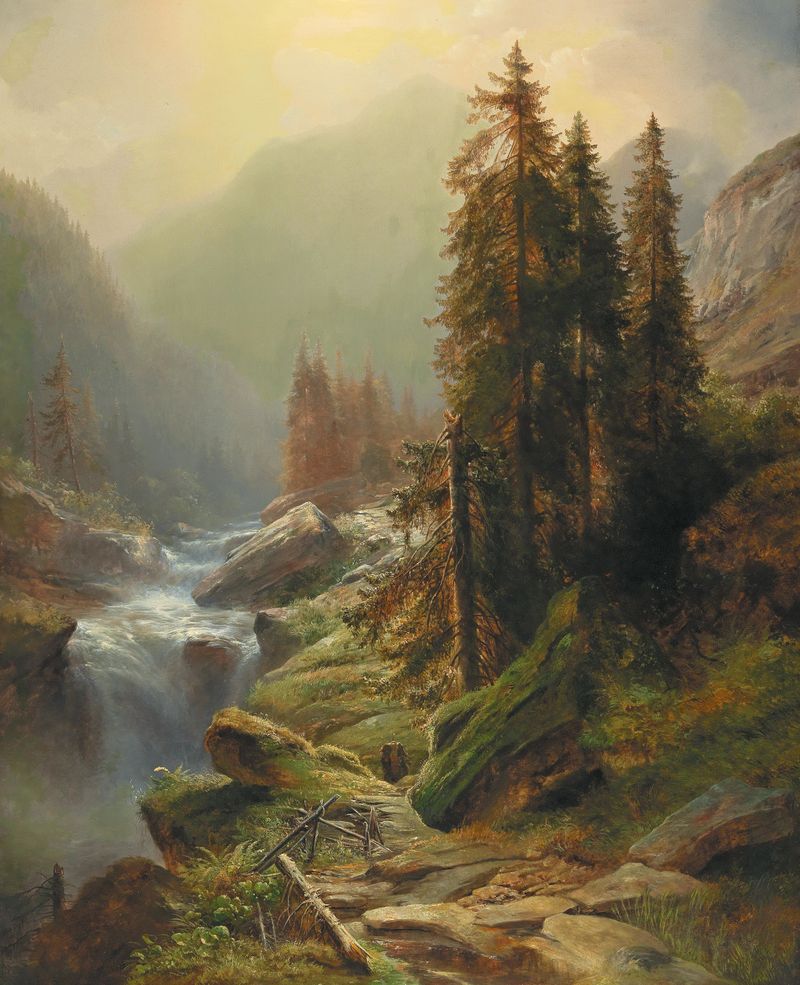
Large Mountain Landscape
Albert Zimmermann
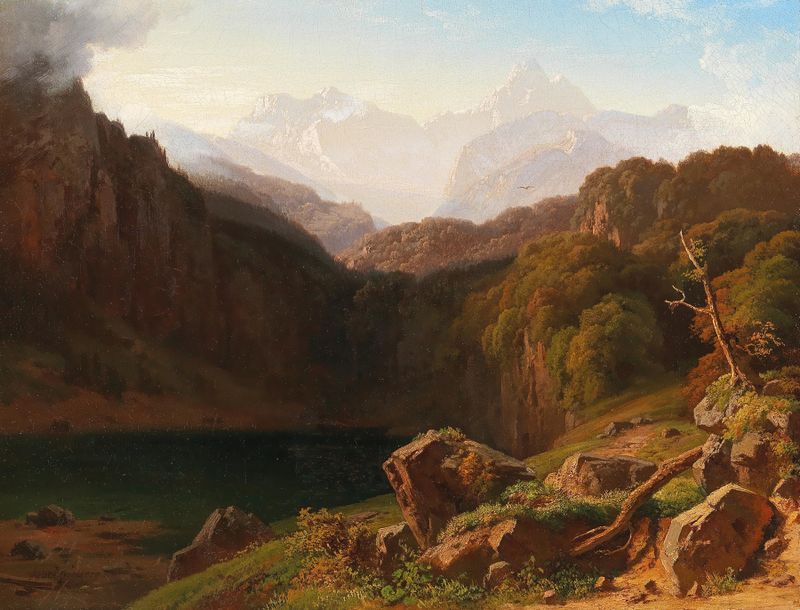
A View of Grossglockner from Kals
Albert Zimmermann
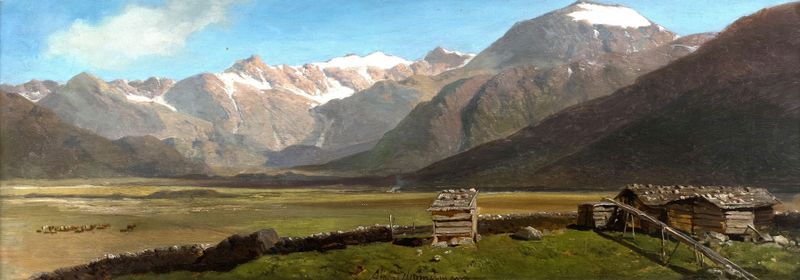
Almhütten auf einer Ebene mit Gebirgskette
Albert Zimmermann
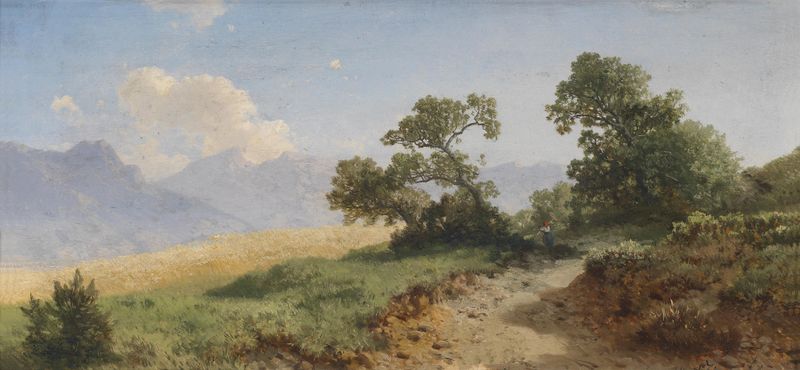
Landschaft mit figürlicher Staffage
Albert Zimmermann





