
Die Muota Brüke bei Schwytz — History & Facts
Under the brush, chaos becomes grace. How does serenity emerge amidst the tumult of nature? Begin your journey by focusing on the gentle curves of the Muota River as it winds through the landscape. Notice how the artist has meticulously captured the interplay of light and shadow on the water's surface, giving it a shimmering quality that invites you to explore further.
Look to the left, where the lush foliage spills over the riverbank, rich greens contrasting against the soft blues of the sky. The palette is soothing, blending earth tones with hints of sunlight, creating an atmosphere of tranquility. As you delve deeper into the composition, consider the emotional tensions at play. The peaceful river, while appearing serene, also holds the potential for turbulence, reminding us of nature's duality.
The juxtaposition of sturdy rock formations against flowing water evokes a sense of stability amid change. Pay attention to the delicate brushwork, where each stroke seems to breathe life into the landscape, suggesting a place untouched by time yet subject to nature's whims. Johann Heinrich Bleuler the Younger painted this work during a period when Romanticism was redefining the perception of nature in art. Active in Switzerland in the early 19th century, he sought to capture the sublime beauty of his homeland, reflecting both personal contemplation and a growing appreciation for the natural world.
In a time marked by industrialization, his paintings served as a reminder of the serenity found in the untamed wilderness.
More Artworks by Johann Heinrich Bleuler the Younger
Browse all →
Rigi, Kulm
Johann Heinrich Bleuler the Younger
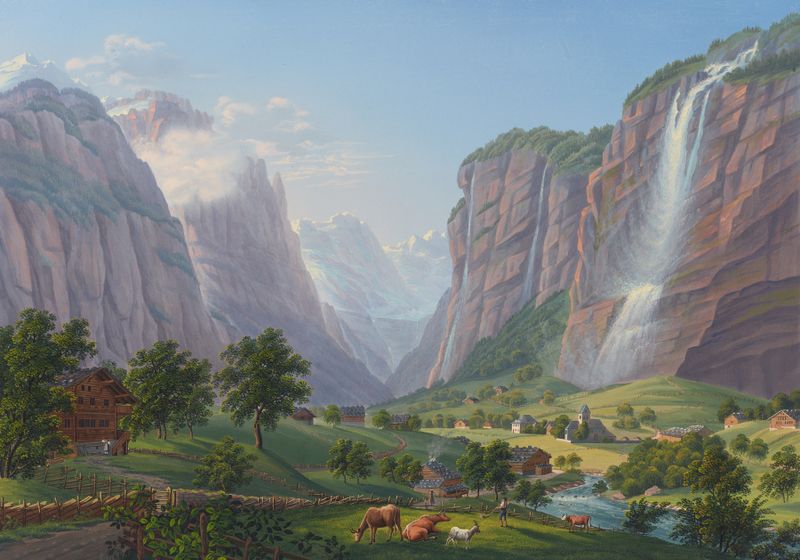
Der Staubbach im Lauterbrunnenthal
Johann Heinrich Bleuler the Younger
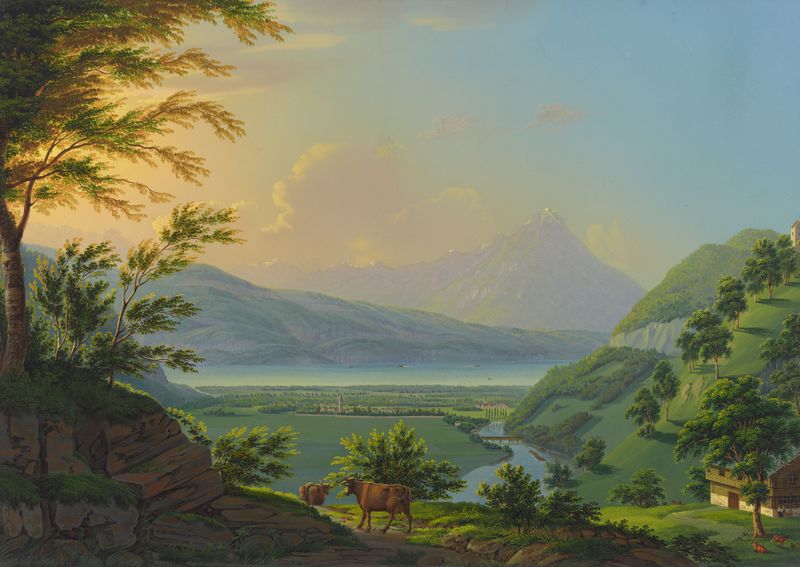
Aussicht bei Goldweil am Thunersee
Johann Heinrich Bleuler the Younger
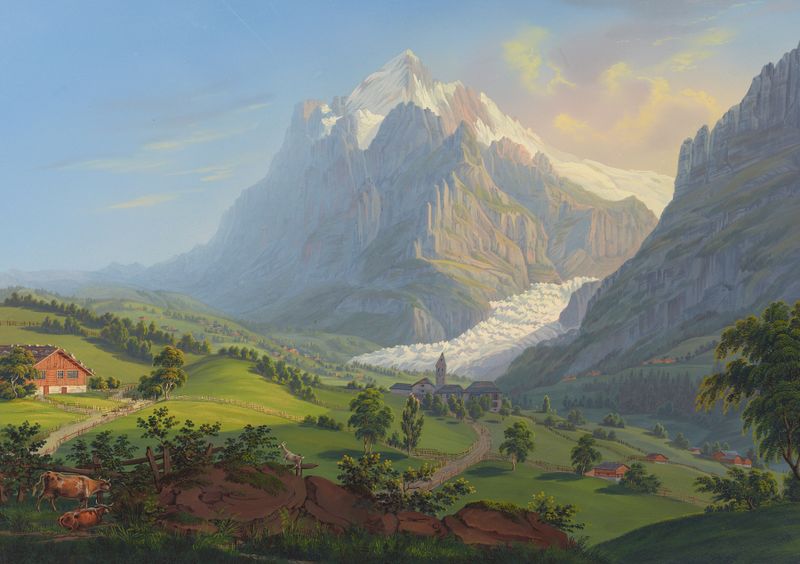
Das Wetterhorn im Grindelwald Canton Bern
Johann Heinrich Bleuler the Younger
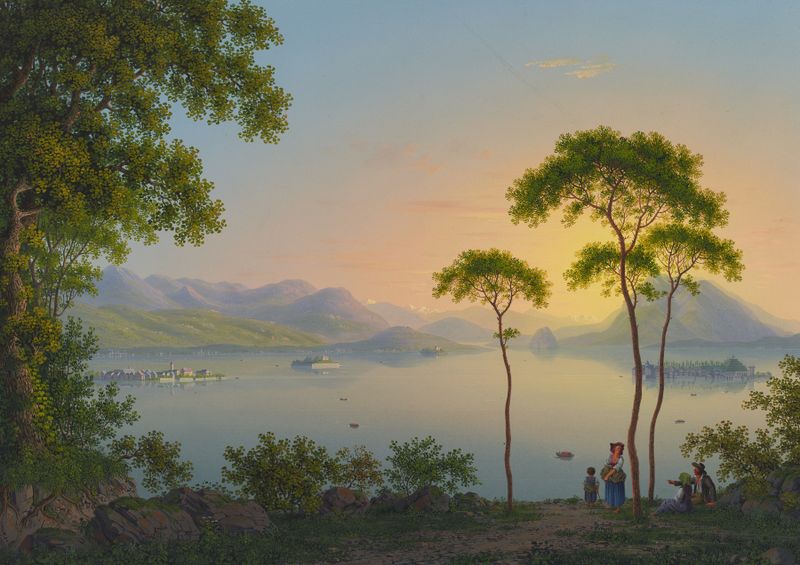
Die Boromäischen Inseln im Lago Maggiore
Johann Heinrich Bleuler the Younger
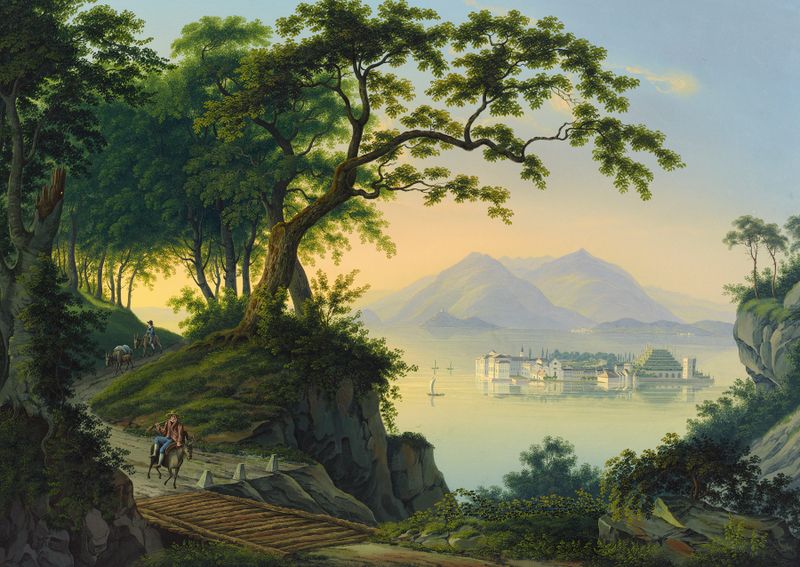
Isola Bella lago di Maggiore
Johann Heinrich Bleuler the Younger
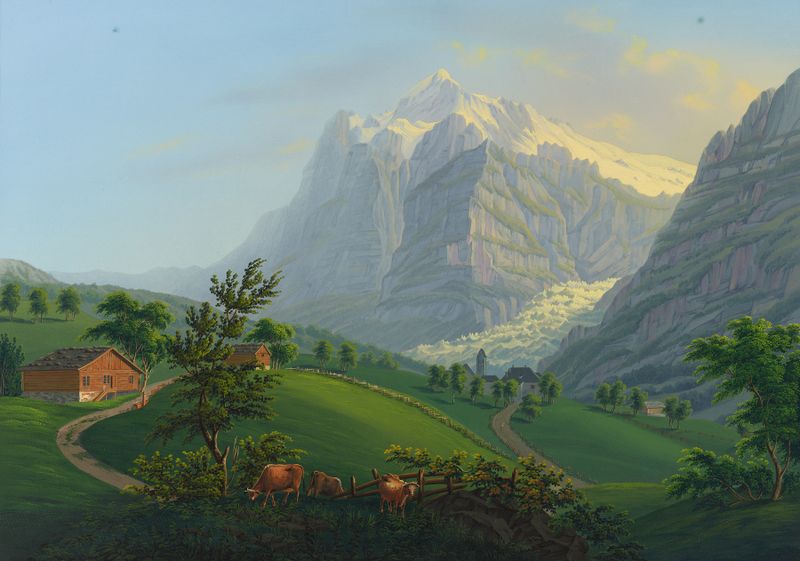
Das Wetterhorn im Grindelwald
Johann Heinrich Bleuler the Younger
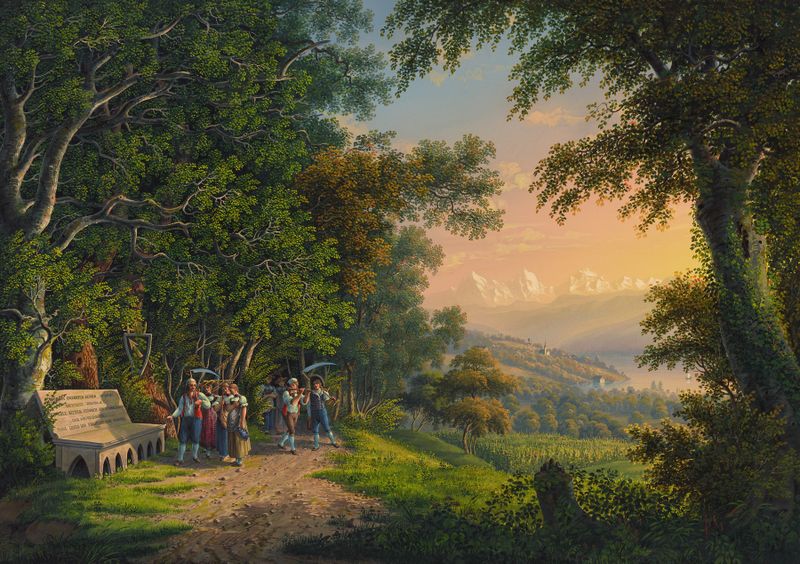
Aussicht bei Thun nach der Jungfrau
Johann Heinrich Bleuler the Younger

Grütli
Johann Heinrich Bleuler the Younger

Aufsicht vom Seelisberg über den Vierwaldstättersee
Johann Heinrich Bleuler the Younger





