
Die Ruine Zwing Ury im Schachenthal — History & Facts
When did color learn to lie? In a world where hues are often manipulated, the balance of truth and illusion hangs precariously at the edge of perception, inviting us to question what we see. Focus on the center of the canvas, where the crumbling ruins emerge, subtly adorned with vibrant greens of nature that encroach upon the stone’s weathered surface. Notice how the interplay of light and shadow dances across the structure, inviting a sense of depth that contrasts with the flatness of the surrounding landscape. The sky, a muted blend of blues and whites, creates a somber backdrop that highlights the vividness of the remnants, while the meticulous brushwork reveals a depth of texture that speaks to the passage of time. Hidden within this landscape is a poignant dialogue between decay and revival.
The ruins symbolize the fragility of human endeavor, while the lush greens suggest nature's persistent reclaiming of space—a delicate balance of destruction and renewal. Shadows pool in the crevices, hinting at forgotten stories and whispers of the past, urging us to confront our own narratives and the marks we leave behind. It’s a reminder that beauty often exists alongside imperfection, a truth both profound and unsettling. Created in an unknown year, Bleuler was exploring themes of ruin and nostalgia during a time when Romanticism was flourishing in art.
His work reflects a burgeoning interest in the sublime, where nature and human constructs coalesce, capturing the essence of the picturesque landscape that defined much of European art. Amidst the echoes of history, Bleuler's nuanced approach offered a fresh perspective on the juxtaposition of man-made and natural beauty.
More Artworks by Johann Heinrich Bleuler the Younger
Browse all →
Rigi, Kulm
Johann Heinrich Bleuler the Younger
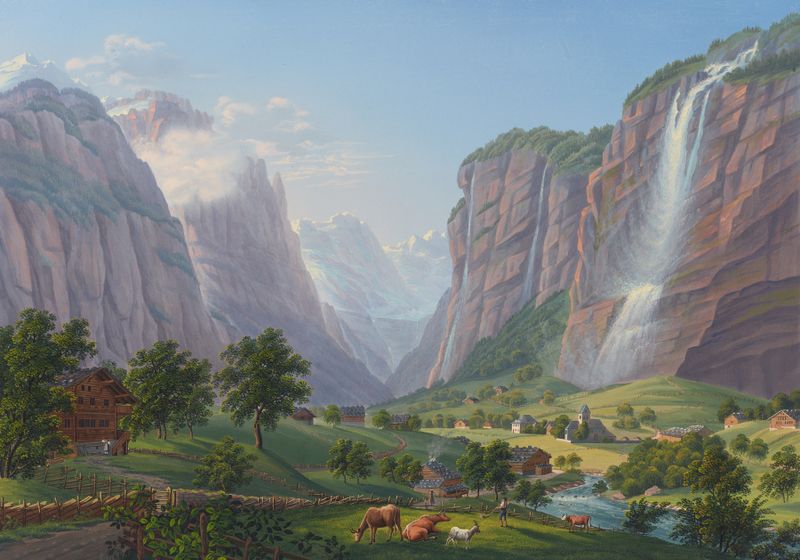
Der Staubbach im Lauterbrunnenthal
Johann Heinrich Bleuler the Younger
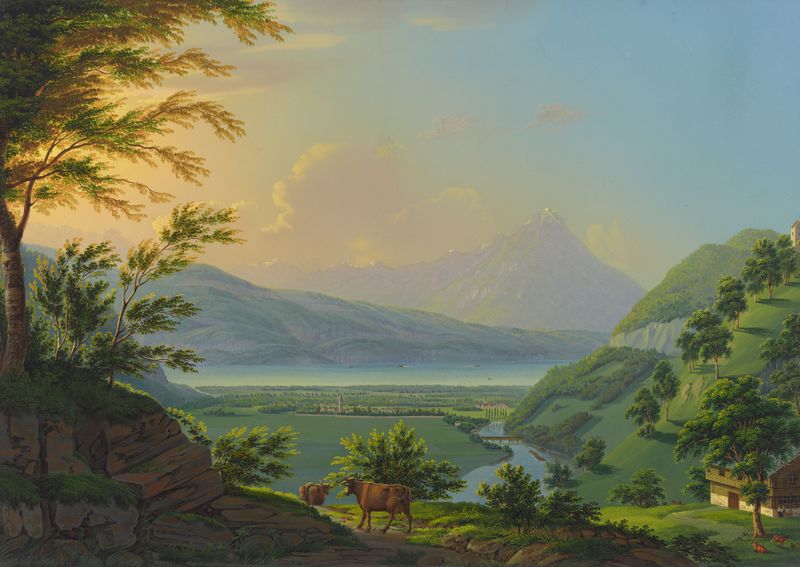
Aussicht bei Goldweil am Thunersee
Johann Heinrich Bleuler the Younger
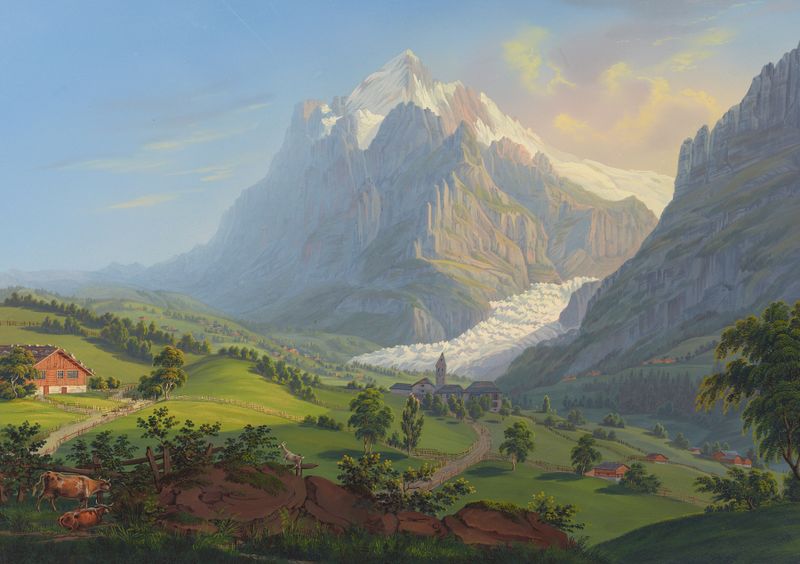
Das Wetterhorn im Grindelwald Canton Bern
Johann Heinrich Bleuler the Younger
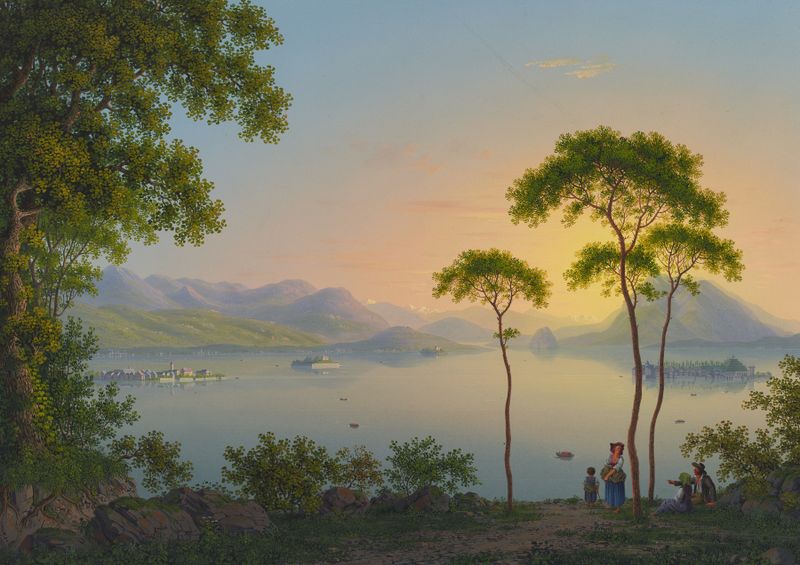
Die Boromäischen Inseln im Lago Maggiore
Johann Heinrich Bleuler the Younger
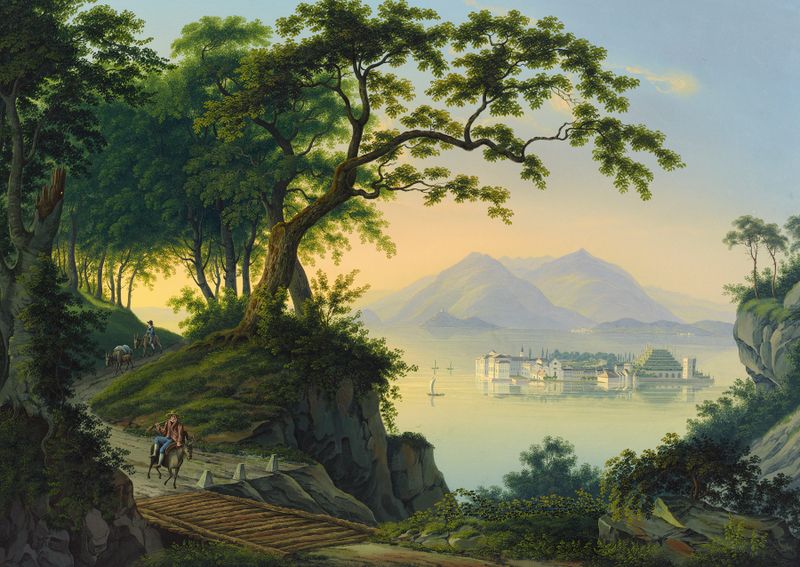
Isola Bella lago di Maggiore
Johann Heinrich Bleuler the Younger
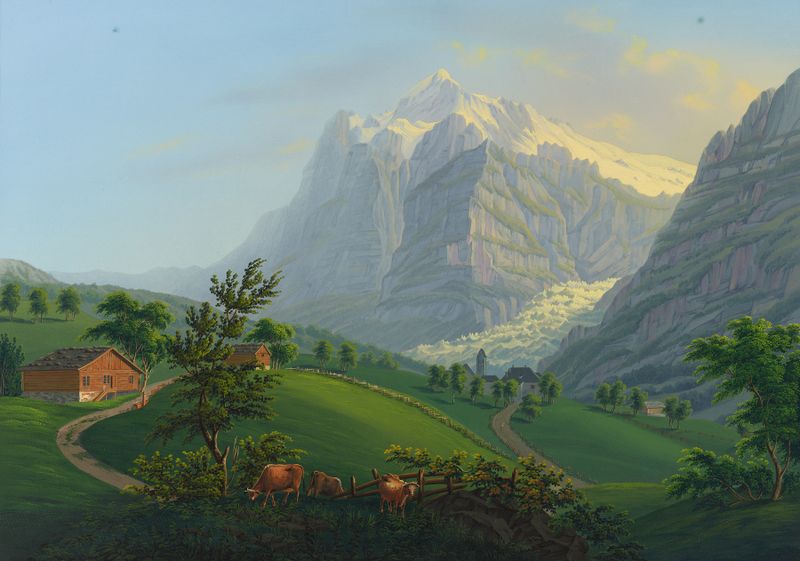
Das Wetterhorn im Grindelwald
Johann Heinrich Bleuler the Younger
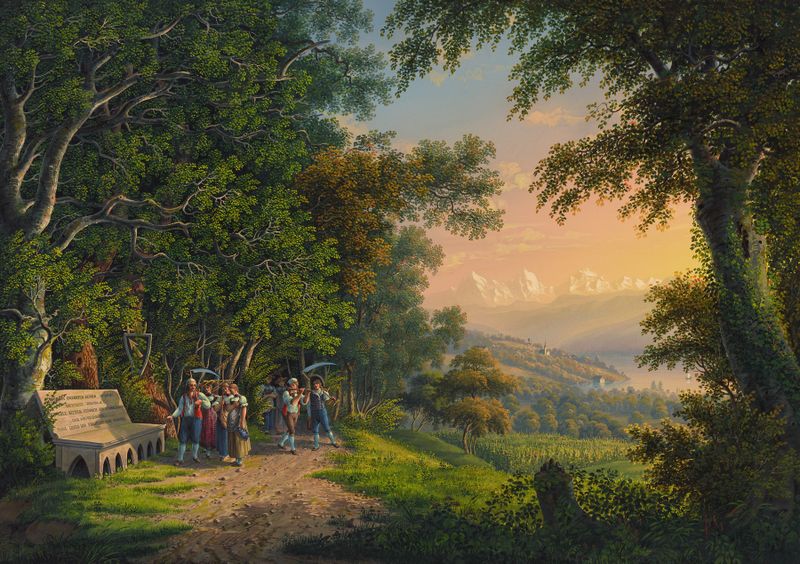
Aussicht bei Thun nach der Jungfrau
Johann Heinrich Bleuler the Younger

Grütli
Johann Heinrich Bleuler the Younger

Aufsicht vom Seelisberg über den Vierwaldstättersee
Johann Heinrich Bleuler the Younger





