Die sogenannte Hängstatt (9., Sechsschimmelgasse) — History & Facts
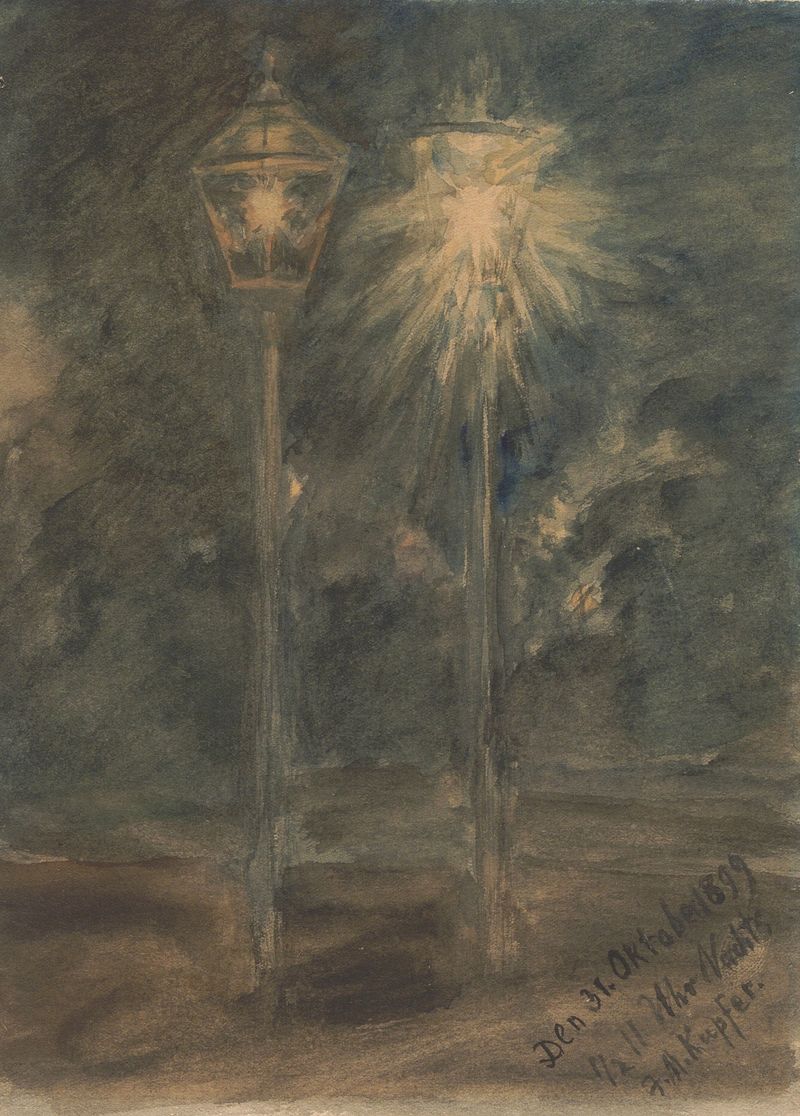
In a world teetering on the edge of tumult, how do we find equilibrium within chaos? The delicate interplay of light and shadow becomes a silent conversation, urging us to seek the balance between what is seen and what is concealed. Focus first on the serene expanse of the painting’s foreground, where muted tones of earthy browns and soft greens beckon. The composition draws you in, inviting your gaze to the subtle textures of the surfaces, as light dances across them. Notice how the diagonal lines create a push-pull effect; the space seems to expand and contract simultaneously, creating a harmonious tension that holds your attention.
Each brushstroke feels intentional, whispering the artist’s hand in the layered depths of the canvas. Look closely, and you will find contradictions woven into the fabric of the scene — the tranquil landscape belies an undercurrent of unease, hinted at by the fractured shadows that loom over it. The absence of human presence speaks volumes, evoking a sense of solitude and contemplation. What lies beneath this calm facade? A quiet reminder of the fragility of balance in both nature and life, inviting introspection on how we navigate our own complexities. Created in 1890, this piece emerges from a period of significant transition in the art world, marked by movements embracing both realism and emerging abstraction.
Johann Michael Kupfer, working in Vienna, navigated the changing tides of artistic expression, striving to balance tradition with innovation. His dedication to capturing the subtleties of light and space reflects a deep engagement with the era’s evolving sensibilities.