Dolk — History & Facts
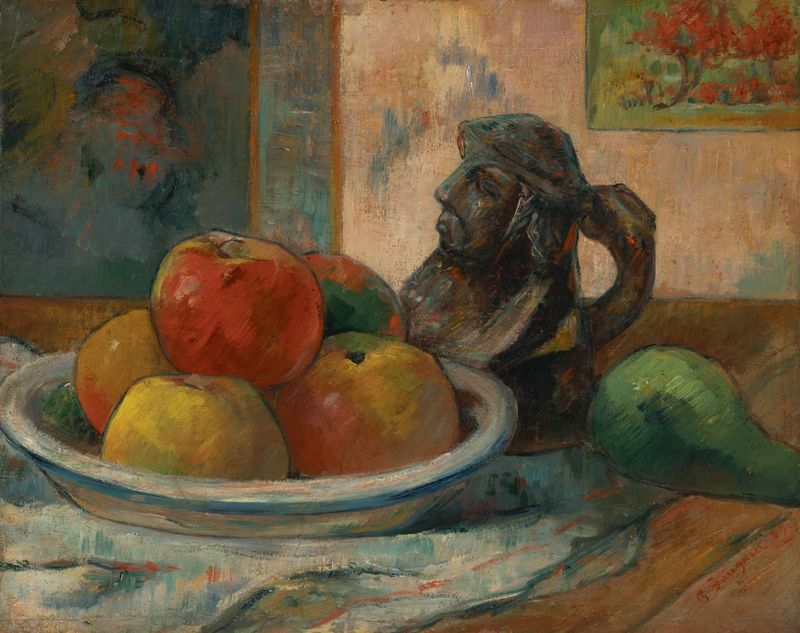
Can paint confess what words never could? In Dolk, a haunting stillness captures the essence of loss, inviting viewers to explore the profound silence that fills the canvas. Look to the center, where a single, delicate object rests against a muted background. The soft, muted colors create an atmosphere of nostalgia, while intricate brushstrokes reveal the texture of the surface. Notice how the light gently envelops the object, casting subtle shadows that elongate and distort, enhancing the feeling of fleeting moments and absence.
The composition draws the eye inward, urging reflection on the transient nature of life itself. In the delicate interplay between light and shadow, a tension emerges—between presence and absence, memory and forgetting. Each brushstroke seems infused with emotion, as if the artist captures not just an object but the weight of memories associated with it. The simplicity of the composition belies the complexity of the feelings it evokes; it speaks of loss without the need for overt imagery, allowing the viewer to project their own experiences onto the canvas. Kunihiro created Dolk in the early 17th century, a period marked by a transition in Japanese art, where traditional techniques began to intertwine with new ideas.
While the world around him experienced significant political and social change, the artist sought solace in the act of creation, exploring themes of impermanence and introspection. This work reflects a moment when personal and universal sentiments collided, capturing an enduring sense of longing that resonates through the ages.