
Dominikánská [Husova] Street — History & Facts
Could beauty survive in a century of chaos? In Dominikánská [Husova] Street, the artist captures a moment that teeters on the brink of turmoil, inviting viewers to ponder this very question. Look to the left at the elegantly arched buildings, their facades adorned with intricate details, each brushstroke echoing the architectural grace of the past. Notice how the warm, golden light bathes the street, illuminating the cobblestones with a soft glow that contrasts starkly with the encroaching shadows. The muted colors create a sense of nostalgia, while the subtle movement of figures strolling along the street hints at life’s continuity amidst uncertainty. Delve deeper into the composition, where the juxtaposition of light and dark symbolizes the internal struggle of a society on the verge of upheaval.
The pedestrians, though engaged in their own lives, appear disconnected from one another, representing a collective isolation. Meanwhile, the bustling street evokes both vitality and a looming tension, suggesting that even in beauty, chaos is never far away. In 1911, Tavík František Šimon was immersed in the vibrant yet tumultuous art scene of Prague. Living through a period marked by political strife and cultural transformation, he sought to document his city’s evolving landscape.
This painting illustrates his ability to capture fleeting moments of beauty, reflecting both the changing times and his own artistic journey during a significant era in Czech history.
More Artworks by Tavík František Šimon
Browse all →
Charles Bridge
Tavík František Šimon
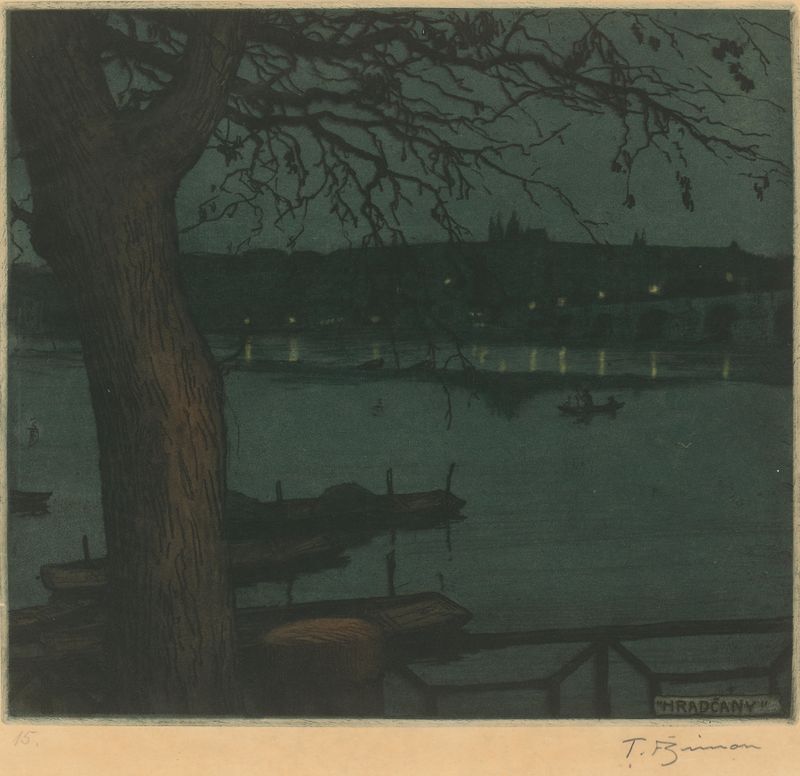
Pohľad na Hradčany z nábrežia
Tavík František Šimon
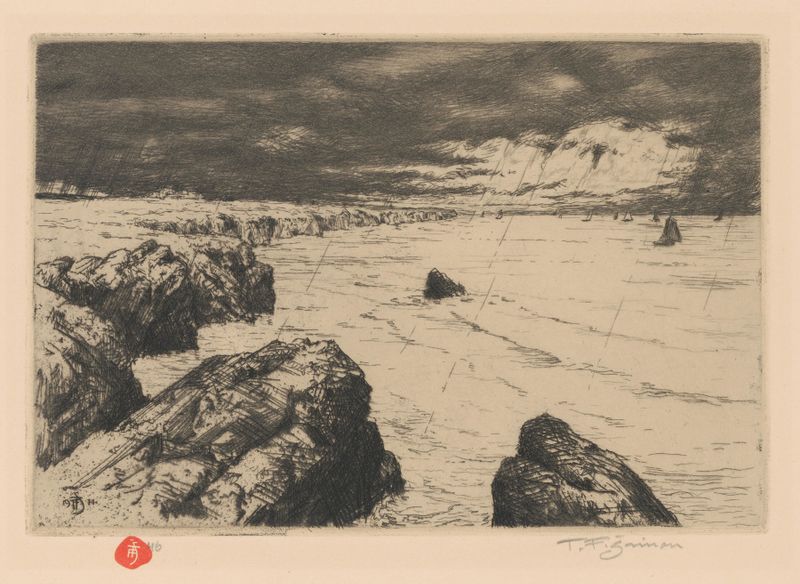
Bretónske brehy
Tavík František Šimon

Staromestská radnica
Tavík František Šimon
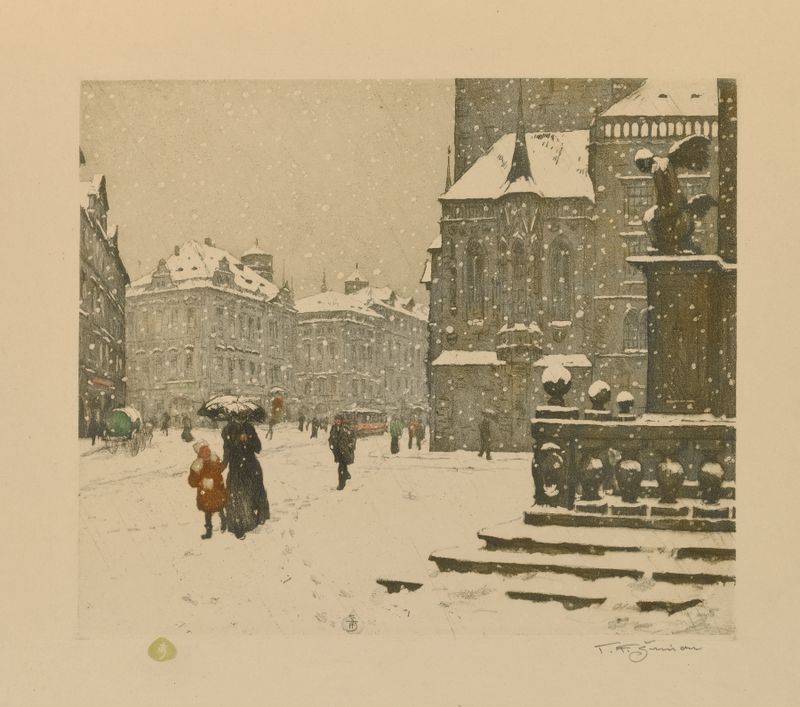
Prague
Tavík František Šimon
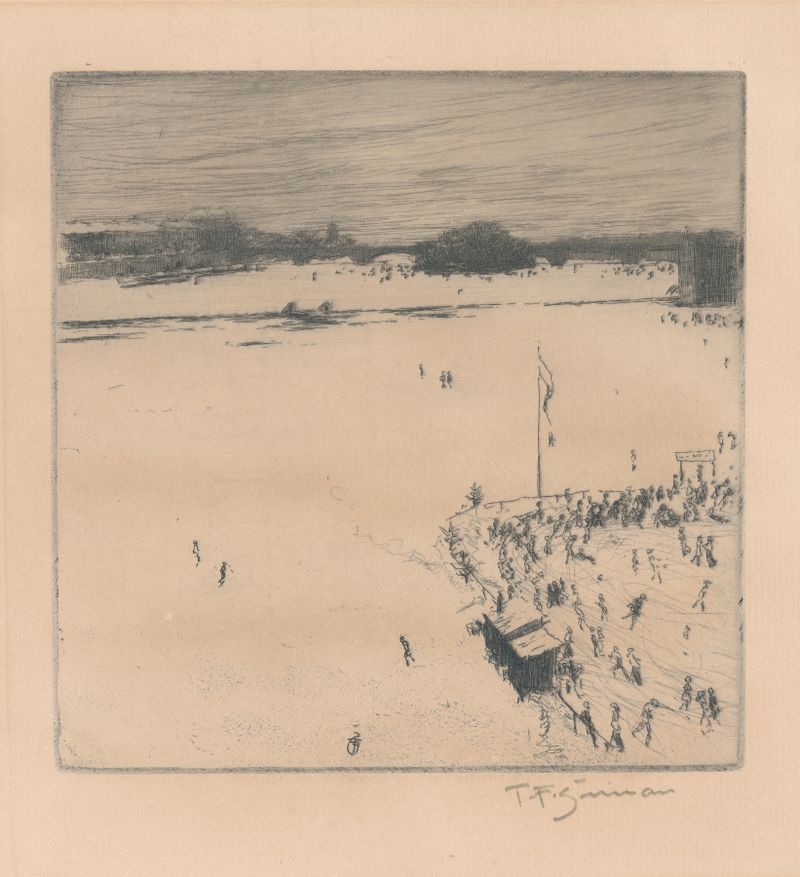
Klzisko pod Karlovým mostom
Tavík František Šimon

The Knights of the Cross Square with the Charles Bridge
Tavík František Šimon

The towers of the Hradčany
Tavík František Šimon

The entrance into the Týn Court
Tavík František Šimon
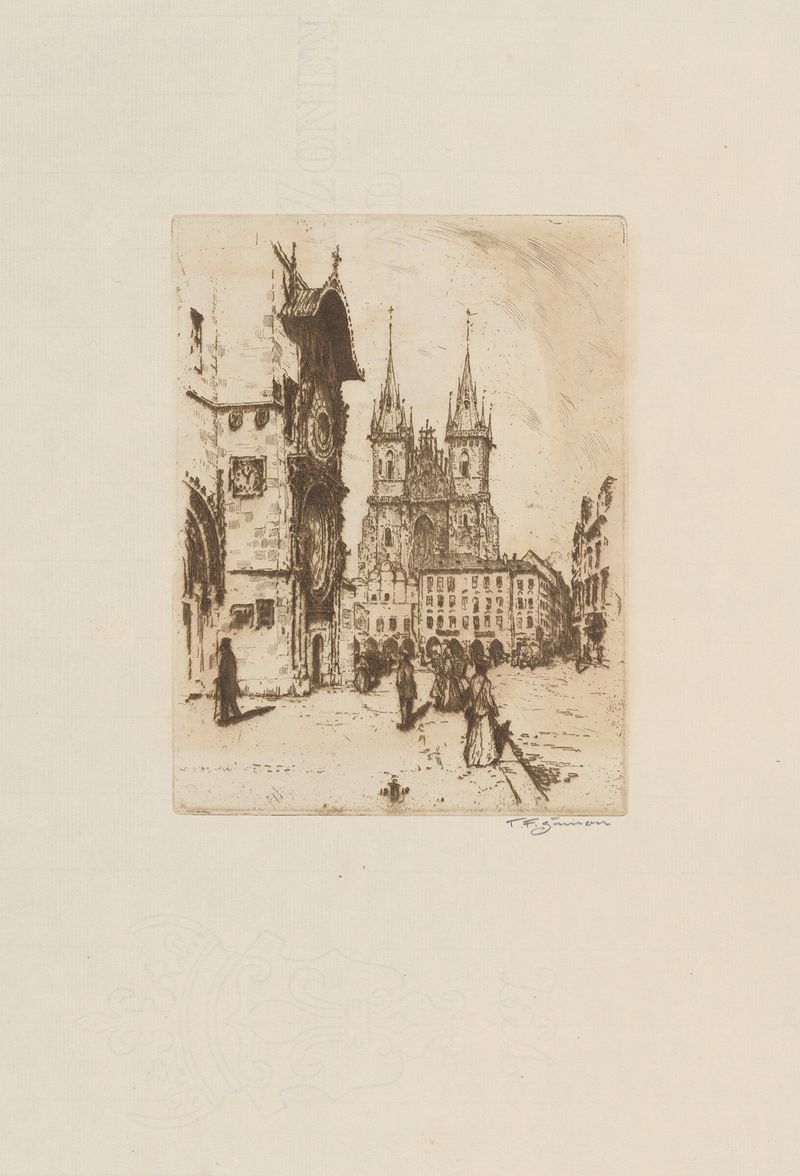
The Old Town City Hall with the Týn Cathedral
Tavík František Šimon
More Architecture Art
Browse all →
The statue of Liberty
Frédéric Auguste Bartholdi

View of Houses in Delft, Known as ‘The Little Street’
Johannes Vermeer

View of Houses in Delft, Known as ‘The Little Street’
Johannes Vermeer

The Cathedral in Rouen. The portal, Grey Weather
Claude Monet

The yellow house
Vincent van Gogh

The Church in Auvers-sur-Oise, View from the Chevet
Vincent van Gogh