
Domy v Amsterdame — History & Facts
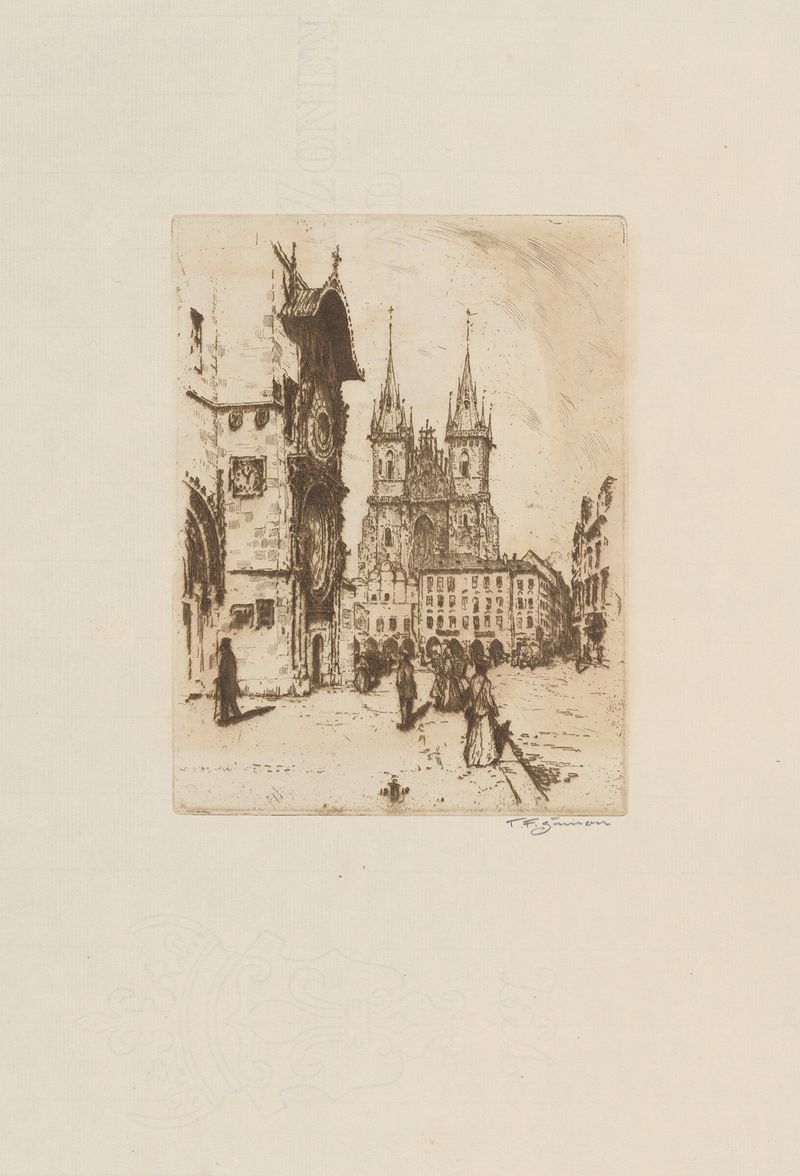
What if silence could speak through light? In Domy v Amsterdame, that dialogue unfolds quietly, bridging the gap between chaos and stillness. Each brushstroke whispers secrets of madness hidden beneath the surface of serene facades. The interplay of shadow and brightness creates an unsettling harmony that invites introspection. Look to the left at the cluster of houses, where warm golden tones meld with cool blues and greens, illuminating their weathered architecture.
Notice how the light plays across the water's surface, reflecting the buildings like a dream half-formed, suggesting both reality and illusion. The composition draws the eye down the canal, leading us into the labyrinth of Amsterdam, while the tilted perspective hints at the instability of the environment, as if the city itself is teetering on the edge of madness. The juxtaposition of light and shadow reveals emotional tensions that resonate deeply. Observe the languid movement of the water against the rigid structure of the buildings, a metaphor for the inner conflict between order and chaos.
The quietude of the scene belies an undercurrent of frenetic energy, as though the viewer can sense the city's heartbeat thrumming just beneath the surface. This contradiction captures the essence of the artist's vision, encapsulating the fragility of human experience. In 1909, while living in Prague, the artist created this work during a period marked by profound shifts in the art world. The rise of modernism and the exploration of new forms of expression filled the air, and Šimon's innovative approach to color and perspective reflected this evolving landscape.
Amidst personal and societal upheavals, he sought to capture the essence of everyday life, transforming his observations into a poignant commentary on the balance between serenity and turmoil.
More Artworks by Tavík František Šimon
Browse all →
Charles Bridge
Tavík František Šimon
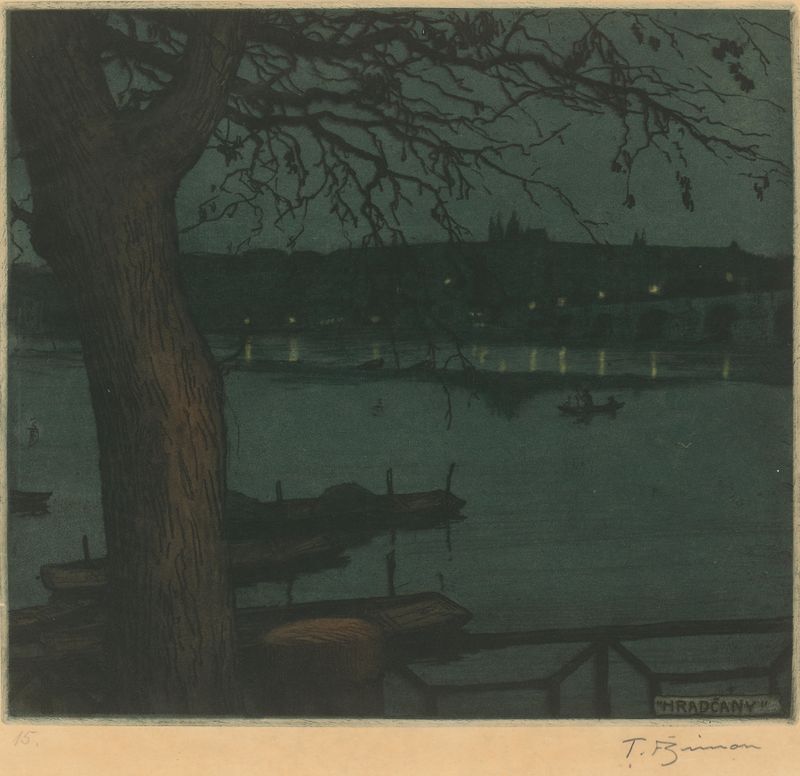
Pohľad na Hradčany z nábrežia
Tavík František Šimon
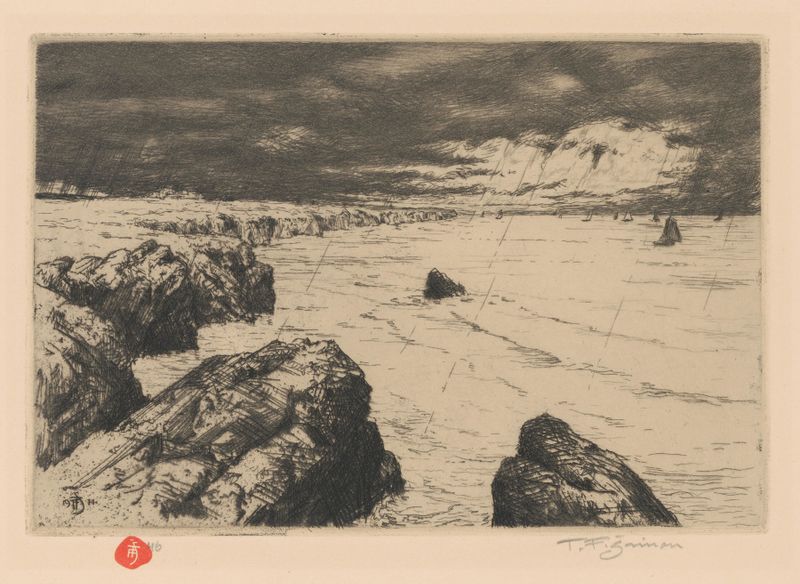
Bretónske brehy
Tavík František Šimon

Staromestská radnica
Tavík František Šimon
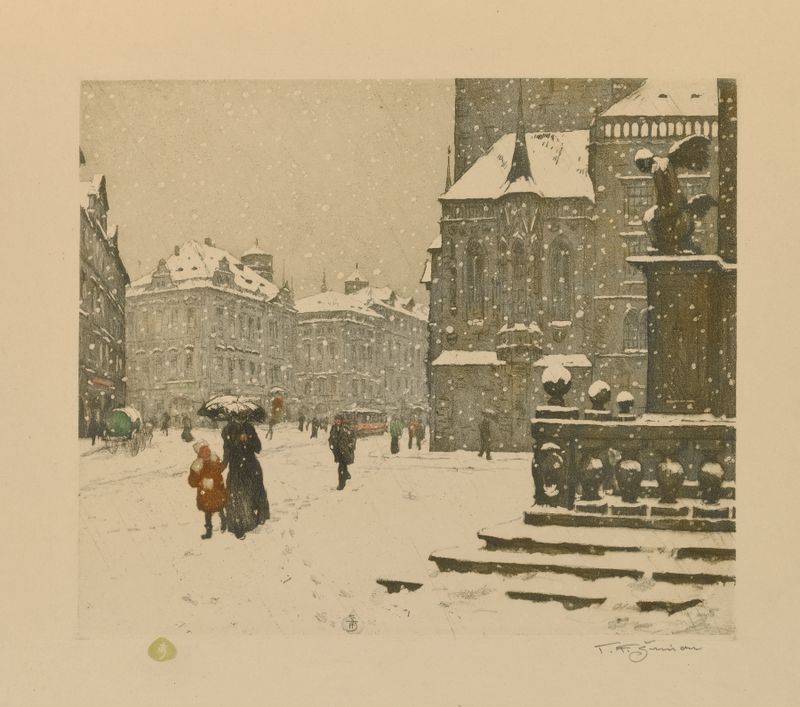
Prague
Tavík František Šimon
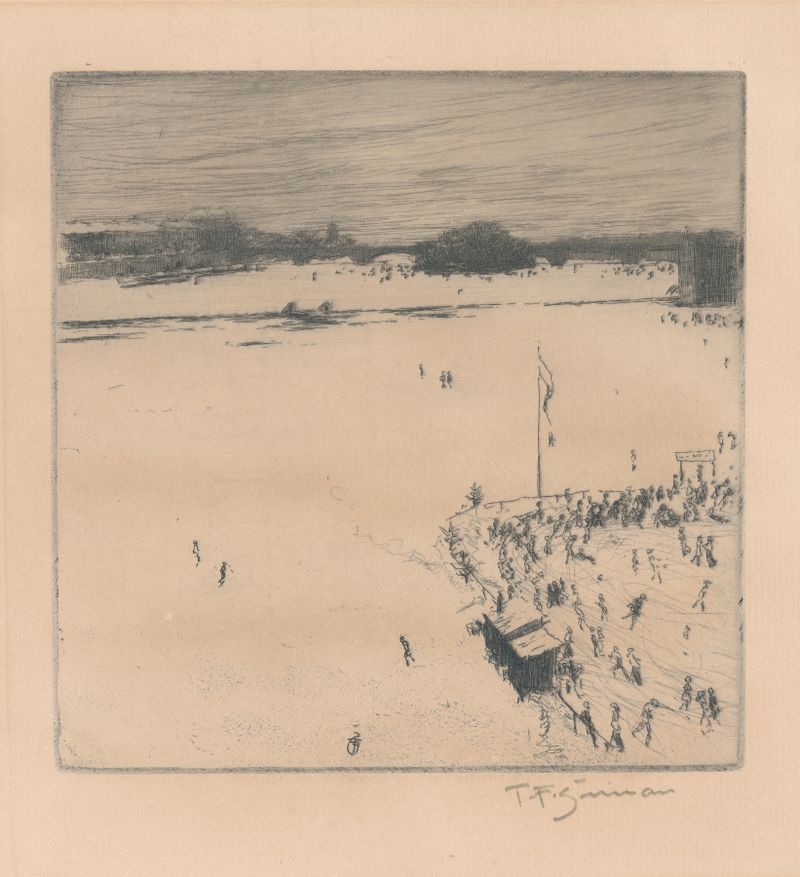
Klzisko pod Karlovým mostom
Tavík František Šimon

The Knights of the Cross Square with the Charles Bridge
Tavík František Šimon

The towers of the Hradčany
Tavík František Šimon

The entrance into the Týn Court
Tavík František Šimon
The Old Town City Hall with the Týn Cathedral
Tavík František Šimon





