Doopjurk van batist met een onderrok van witte zijde — History & Facts
When did color learn to lie? The delicate interplay between fabric and hue whispers secrets of creation and artifice, inviting us to question the nature of reality itself. To truly appreciate the intricacies of this work, look closely at the elegant folds of the batist garment, where light dances off the finely woven surface. Notice how the crispness of white contrasts with the softness of the underlying silk, evoking a sense of both fragility and resilience. The meticulous attention to detail—each stitch, each shadow—speaks to a masterful hand that captures the essence of materiality in a moment frozen in time. Peering deeper reveals layers of meaning; the garment represents not just attire but a narrative woven into the very fabric of society.
The interplay of textures suggests the duality of public versus private personas, while the choice of materials hints at social status and the passage of time. Each element of the composition invites questions about identity, gender, and the expectations placed upon the wearer, serving as a mirror to societal norms that transcend the 18th and 19th centuries. This piece emerged from an era when the ideals of beauty and craftsmanship were in a state of refinement. Created between 1790 and 1815, during a time of great upheaval and change in Europe, it reflects an artistic milieu filled with innovation and a burgeoning appreciation for textile arts.
The unknown artist deftly captured this moment, contributing to a rich tapestry of cultural dialogue that continues to resonate today.
More Artworks by Unknown Artist
Browse all →
Ridder, Dood en Duivel
Unknown Artist
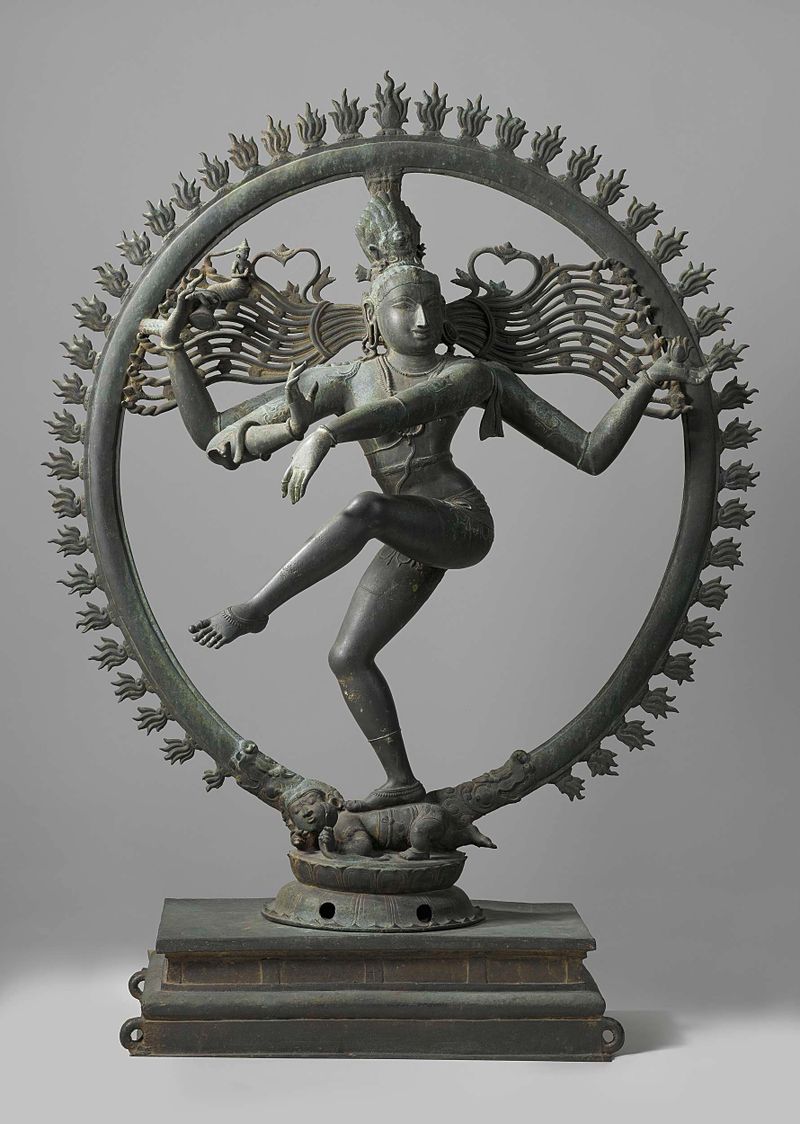
Shiva Nataraja
Unknown Artist

Portrait of Elizabeth I, Queen of England
Unknown Artist

Dolls’ house of Petronella Oortman
Unknown Artist
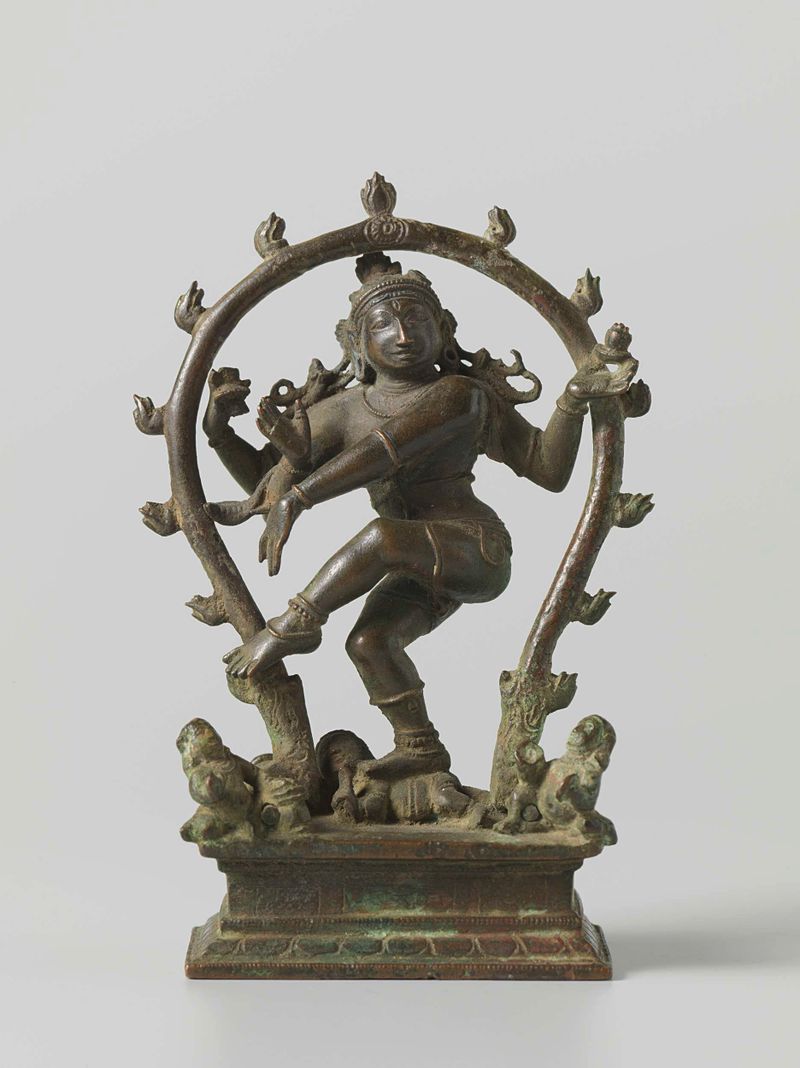
Shiva Nataraja
Unknown Artist

The Tale of Genji
Unknown Artist

The Tale of Genji
Unknown Artist
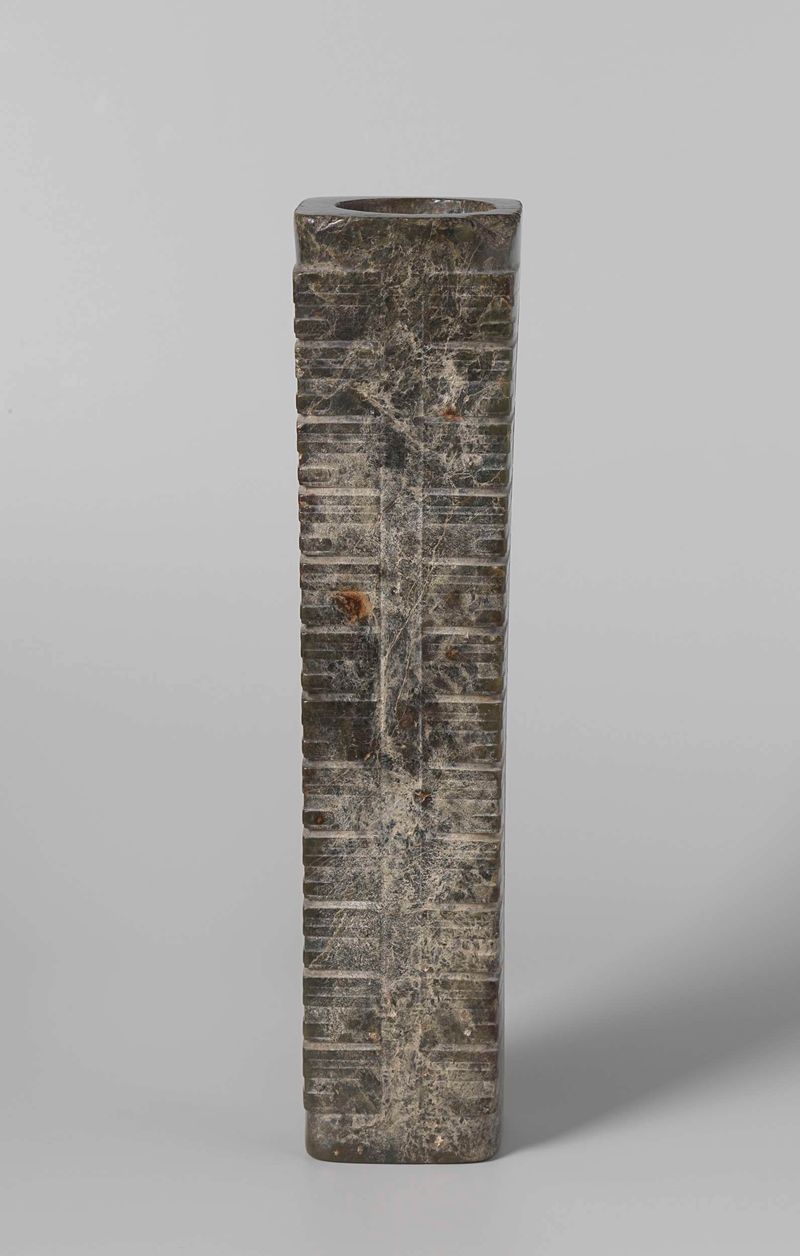
Cong
Unknown Artist
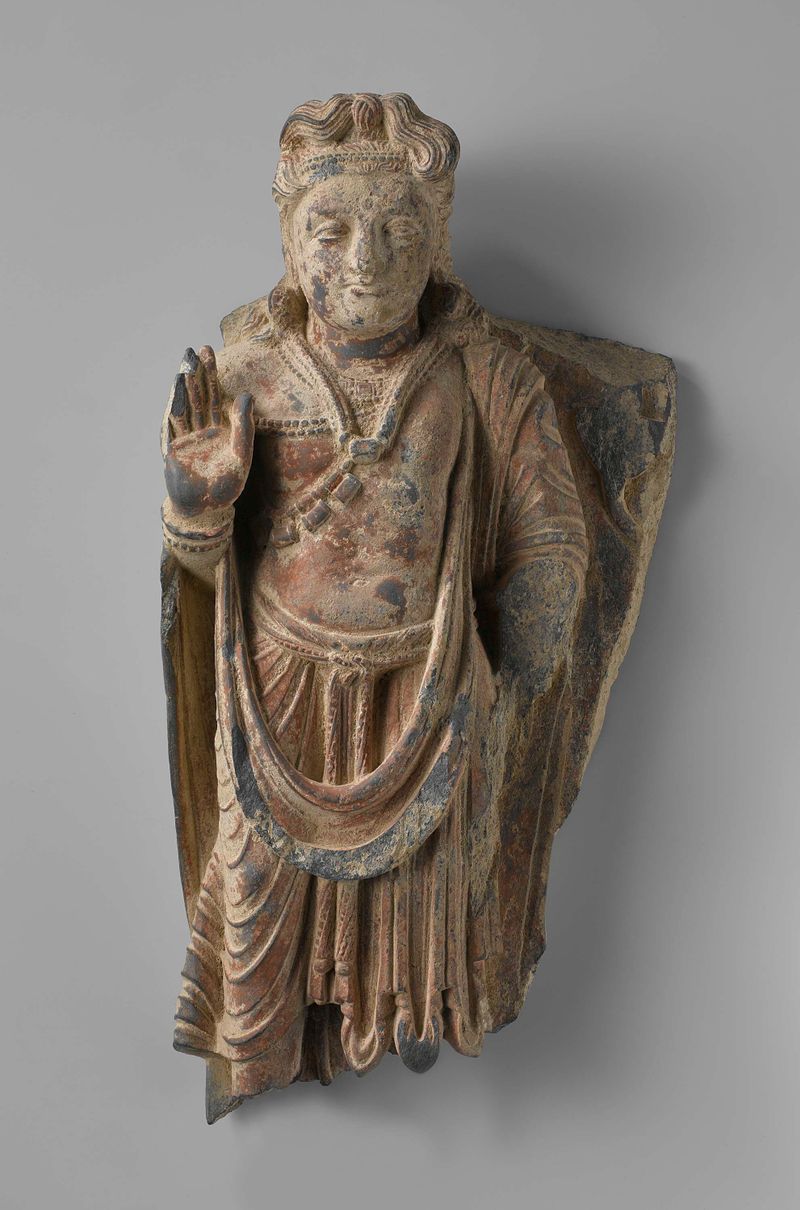
The bodhisattva Maitreya
Unknown Artist
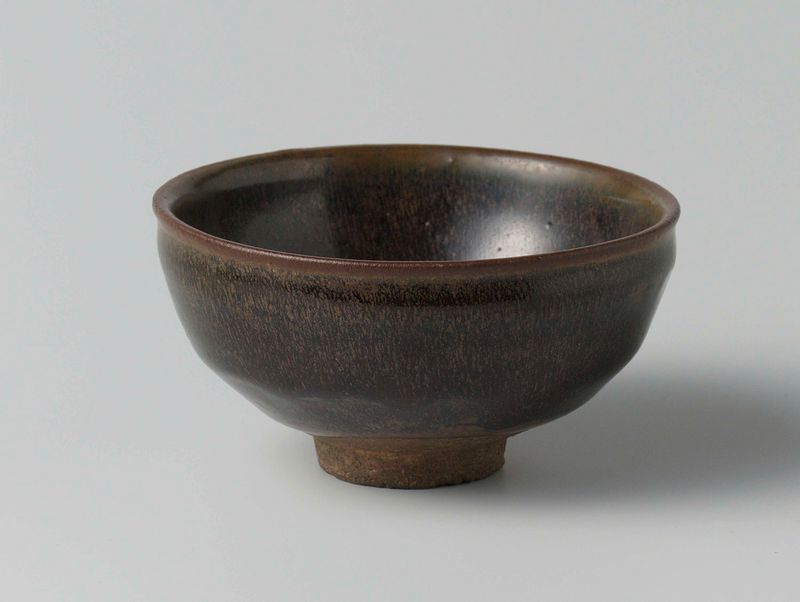
Teabowl with a 'hare's fur' glaze
Unknown Artist