Doos — History & Facts
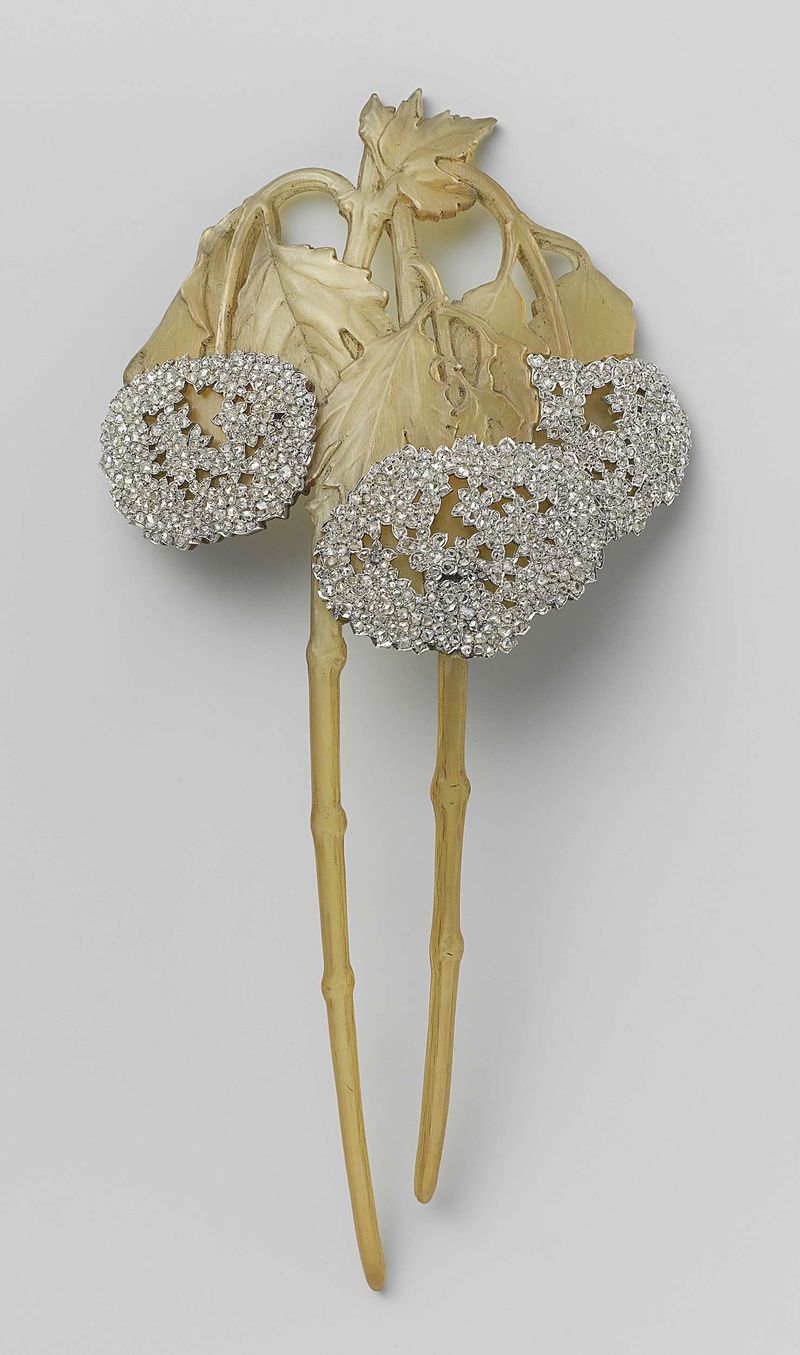
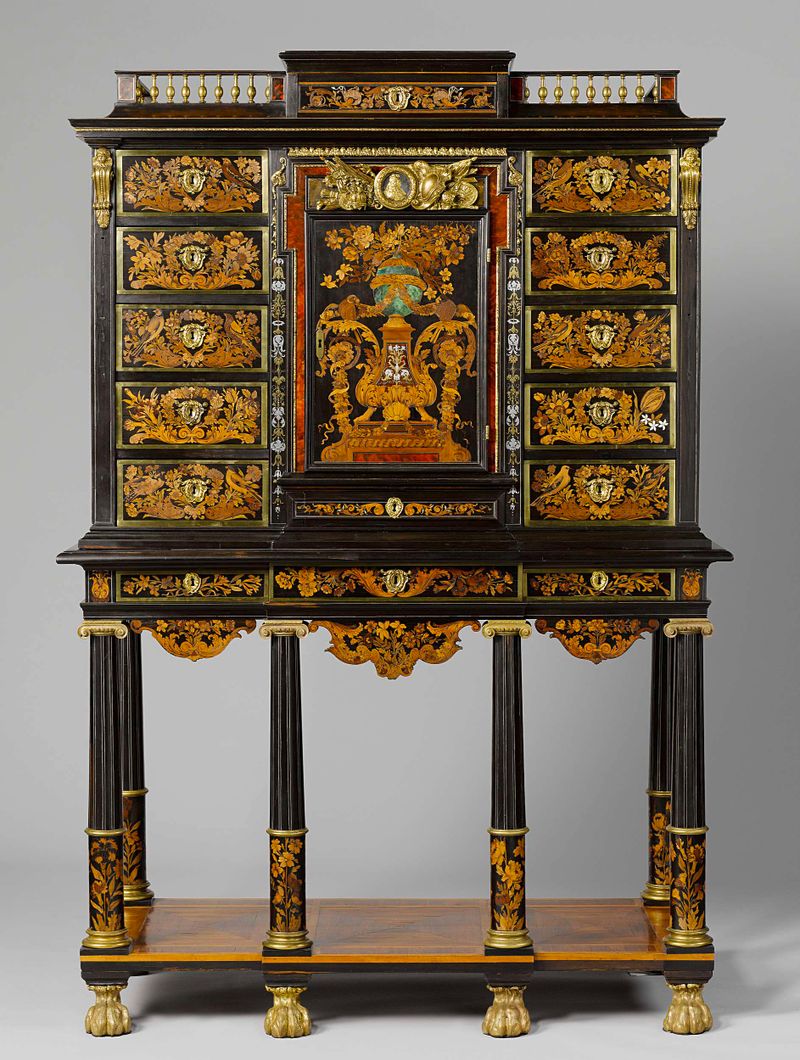
What if beauty was never meant to be finished? This notion dances through the layers of Doos, inviting viewers to ponder the impermanence and fluidity of aesthetic experience. Focus your gaze on the delicate interplay of light and shadow that bathes the composition, creating an ethereal atmosphere. Notice how the muted palette, infused with hints of gold and soft earth tones, draws you into a realm where details blend seamlessly. The intricate textures invoke a sense of tactile intimacy, inviting your fingers to trace the contours of the forms presented. Delve deeper into the subtleties that resonate within the piece: the juxtaposition of hard edges and soft curves suggests a tension between strength and fragility.
Look closely at the gentle brush strokes that evoke a sense of movement, as if the scene is caught in a moment of transformation. This tension mirrors the broader human experience — a constant evolution towards something more profound, something unfinished yet beautiful. The origins of this artwork remain shrouded in mystery, attributed to an unknown artist in the late 17th to early 19th century. During this period, Europe saw an artistic upheaval, with movements that challenged traditional forms and introduced new perspectives.
In the midst of societal change, this artist captured a fleeting moment, reflecting the zeitgeist of an era seeking both beauty and authenticity amidst transition.
More Artworks by Unknown Artist
Browse all →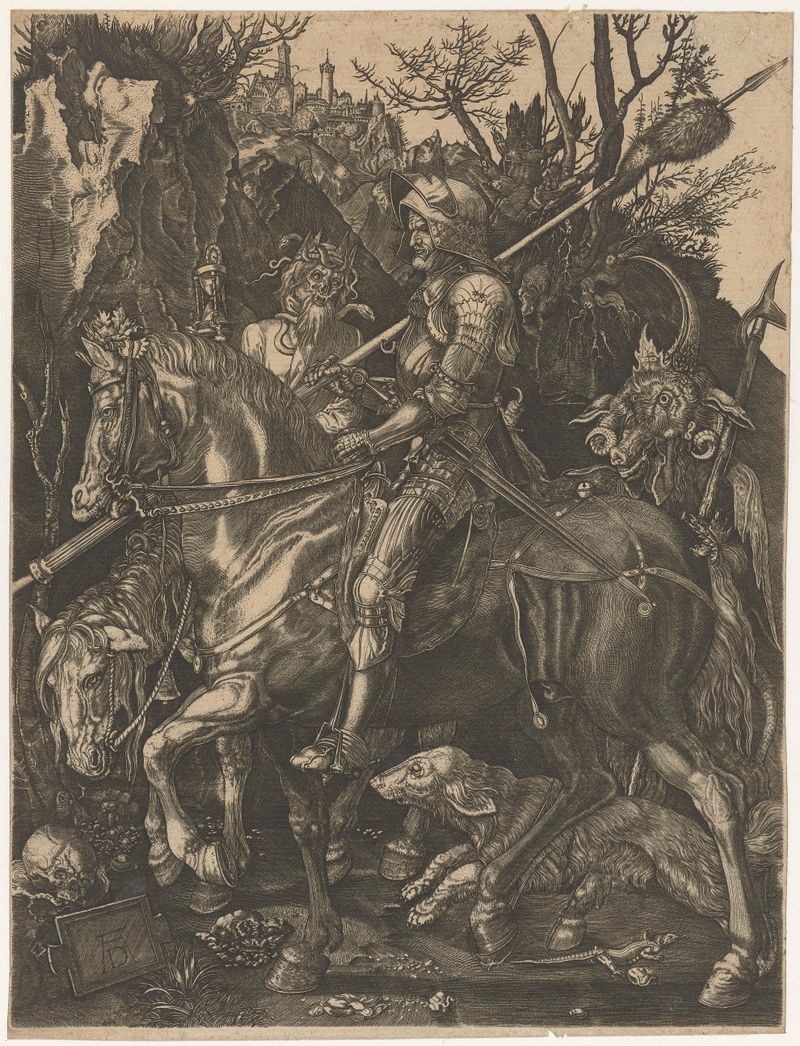
Ridder, Dood en Duivel
Unknown Artist
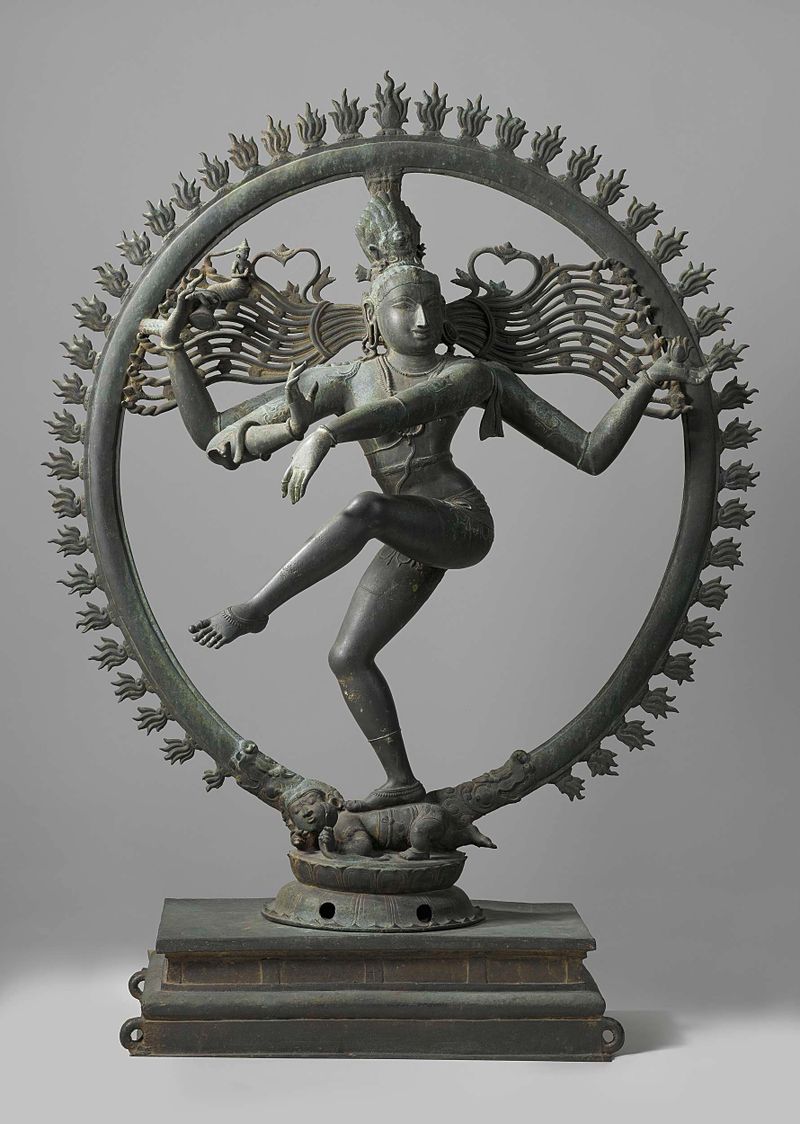
Shiva Nataraja
Unknown Artist
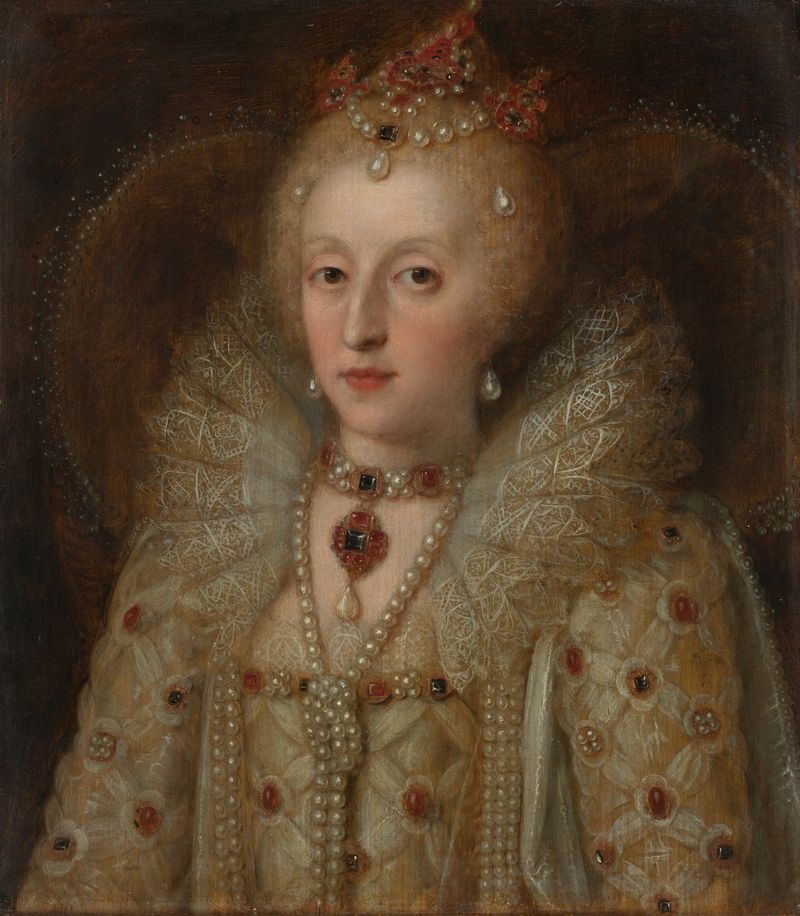
Portrait of Elizabeth I, Queen of England
Unknown Artist
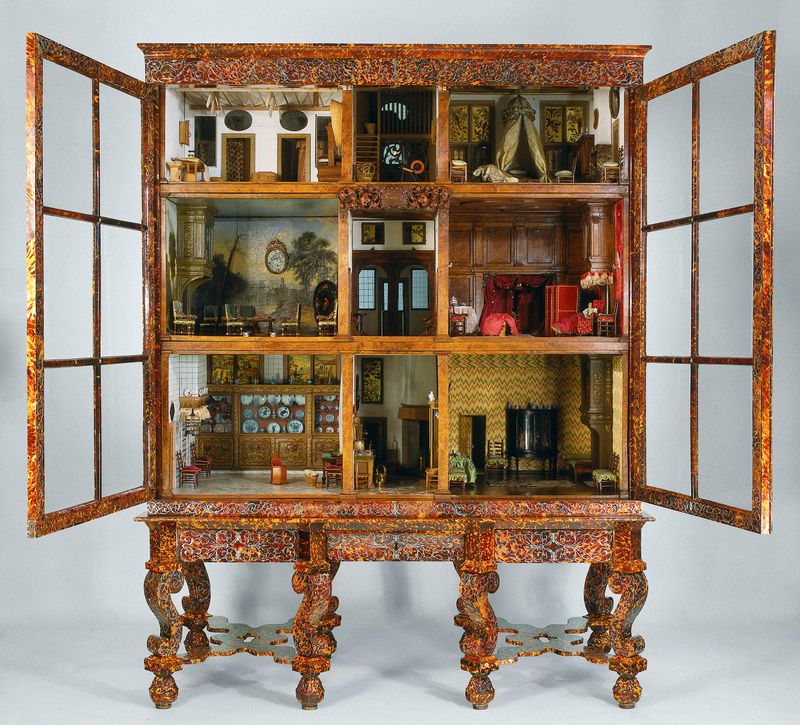
Dolls’ house of Petronella Oortman
Unknown Artist
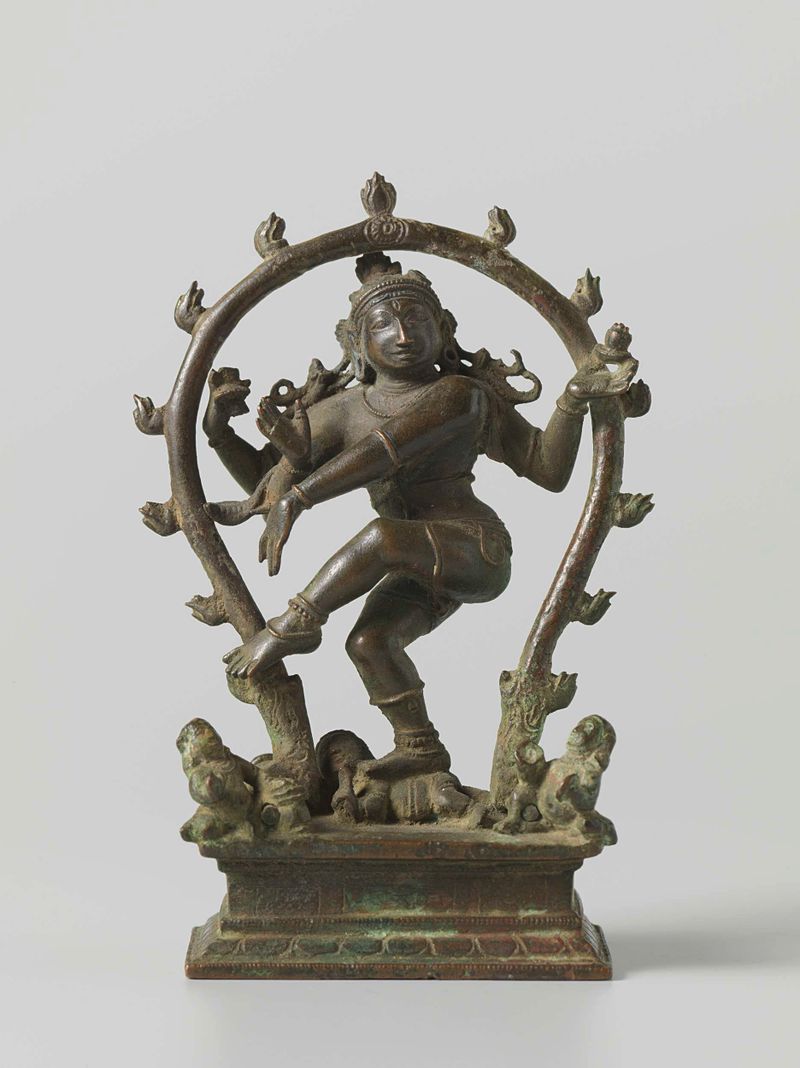
Shiva Nataraja
Unknown Artist

The Tale of Genji
Unknown Artist

The Tale of Genji
Unknown Artist
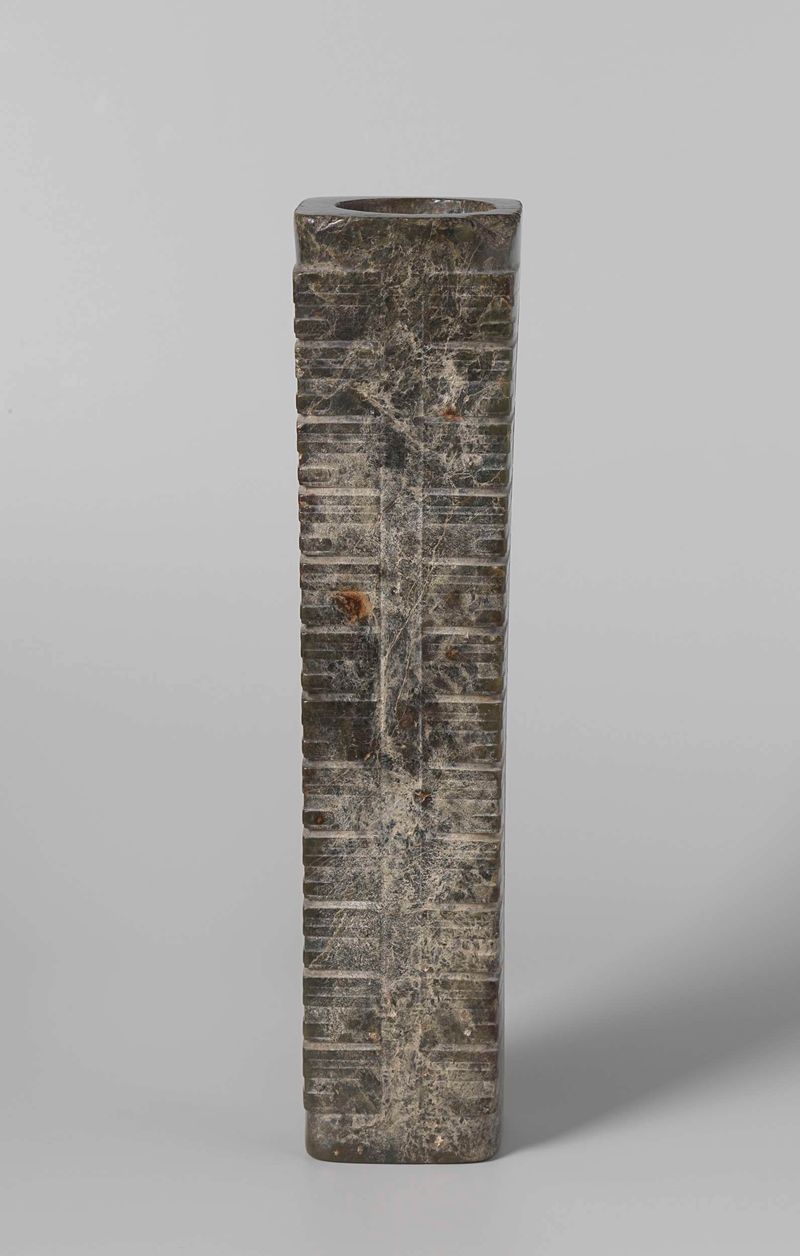
Cong
Unknown Artist
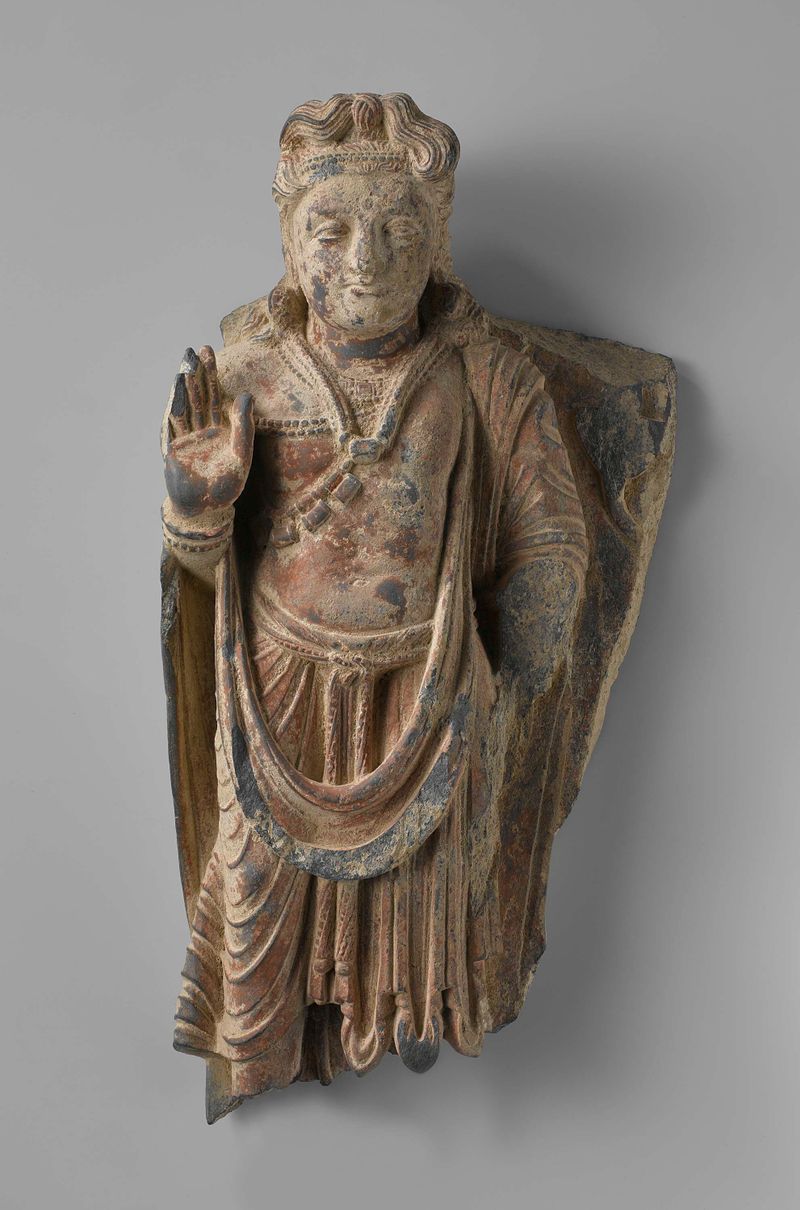
The bodhisattva Maitreya
Unknown Artist
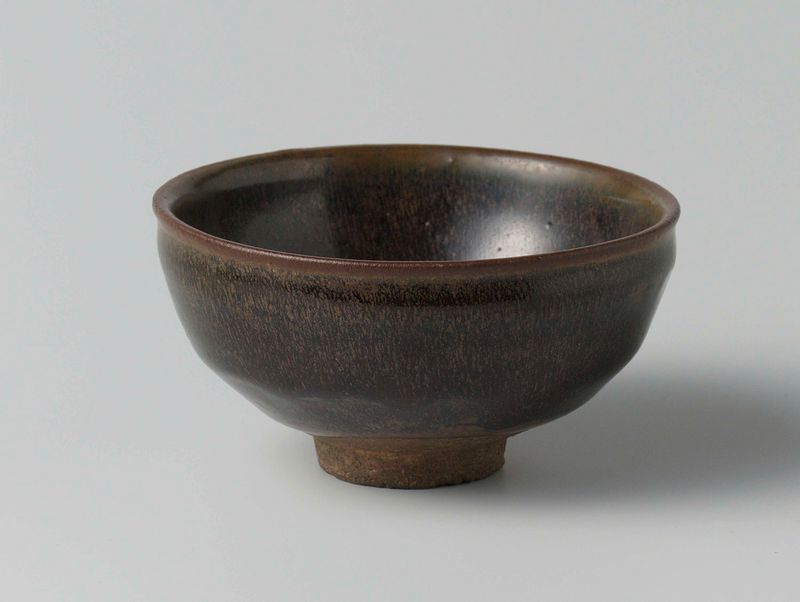
Teabowl with a 'hare's fur' glaze
Unknown Artist