Ducks Landing on a River — History & Facts
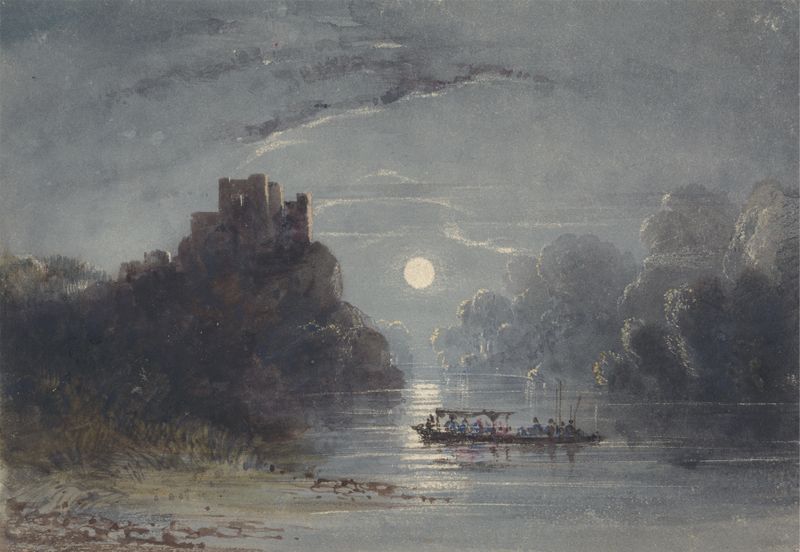
Who listens when art speaks of silence? In Ducks Landing on a River, the stillness of the water serves as a canvas for vivid splashes of color, inviting reflection and tranquility. Each hue, from deep cerulean to warm amber, beckons the viewer into a serene moment, evoking the beauty of nature's palette. Look to the foreground where the ducks glide effortlessly, their elegant forms mirrored in the shimmering surface of the river. The meticulous brushwork captures the delicate ripples created by their landing, while lighter tones dance across the water, suggesting the gentle caress of a breeze.
The artist’s choice of warm and cool colors harmonizes the scene, creating a balance that draws the eye across the entire composition. Underlying this peaceful tableau is an exploration of harmony and dissonance. The juxtaposition of the lively ducks against the tranquil backdrop hints at the fleeting nature of moments in life. The vibrant colors not only breathe life into the scene but also evoke emotions of joy and calm, inviting viewers to ponder the interplay of movement and stillness that defines existence. Newton Limbird Smith Fielding created this work in 1826, a time marked by a growing appreciation for natural landscapes in the art world.
Living in America, Fielding was influenced by the Romantic movement, focusing on the sublime elements of nature and the human experience within it. This period saw a shift towards embracing nature's beauty, setting the stage for Fielding's delicate yet vivid portrayal of a serene moment in the natural world.