
Dull day — History & Facts
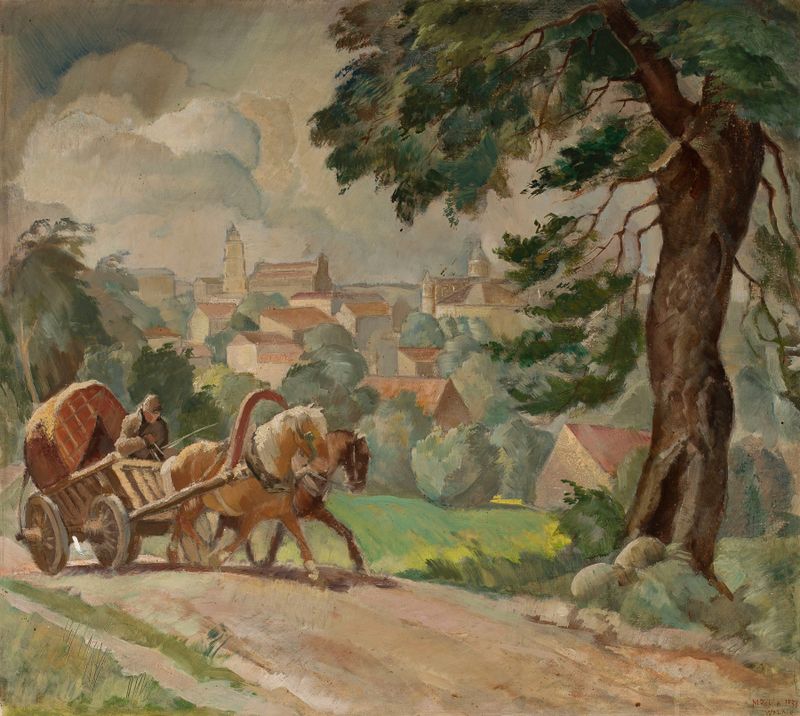
Can beauty exist without sorrow? In Michał Rouba's Dull Day, the tension between desire and melancholy beckons the viewer to explore the depths of human emotion. Look to the center of the canvas, where a solitary figure stands beneath a heavy sky, the muted colors of grey and brown enveloping the scene. The brushstrokes are expressive yet subdued, each stroke revealing the weight of the atmosphere. Notice how the light, or lack thereof, casts a somber tone over the figure, evoking a sense of longing that permeates the composition.
The surrounding landscape, barren and desolate, echoes the figure's solitude, inviting you to ponder their story. Delve deeper into the work, and you’ll find intricate contrasts that resonate within the viewer’s heart. The figure’s posture hints at an unfulfilled longing, arms slightly raised in a gesture that might seem to grasp at the intangible. This desire is juxtaposed with the oppressive sky, which looms like an unshakeable weight, contrasting hope with despair.
Each element interplays to create a profound emotional landscape, a reflection of the tension between aspiration and the starkness of reality. During 1935, Rouba created Dull Day amid a Europe on the brink of change, teetering on the precipice of conflict and uncertainty. As he navigated his own artistic journey, the themes of isolation and yearning permeated his work, mirroring the societal struggles around him. This painting stands as a testament to that moment, encapsulating both personal and collective experiences of longing amid a dull reality.
More Artworks by Michał Rouba
Browse all →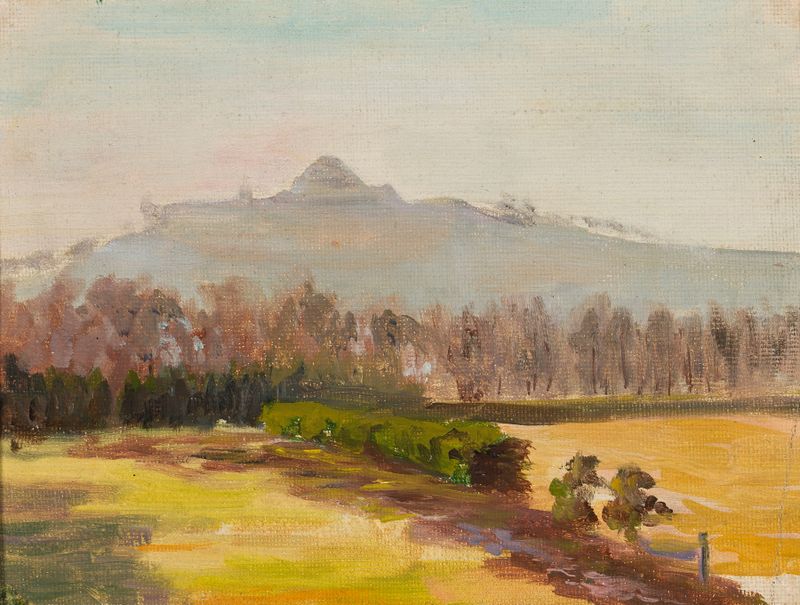
Landscape with a view of the Kościuszko Mound
Michał Rouba
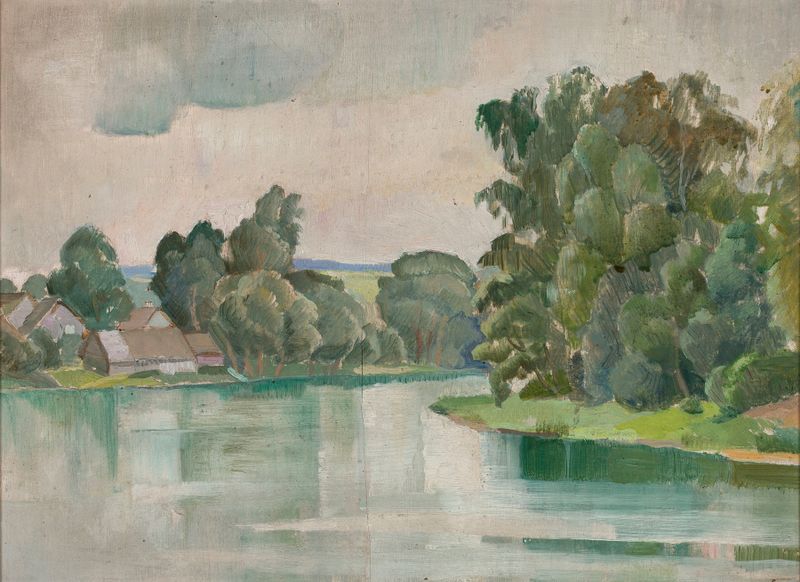
Village by a river
Michał Rouba
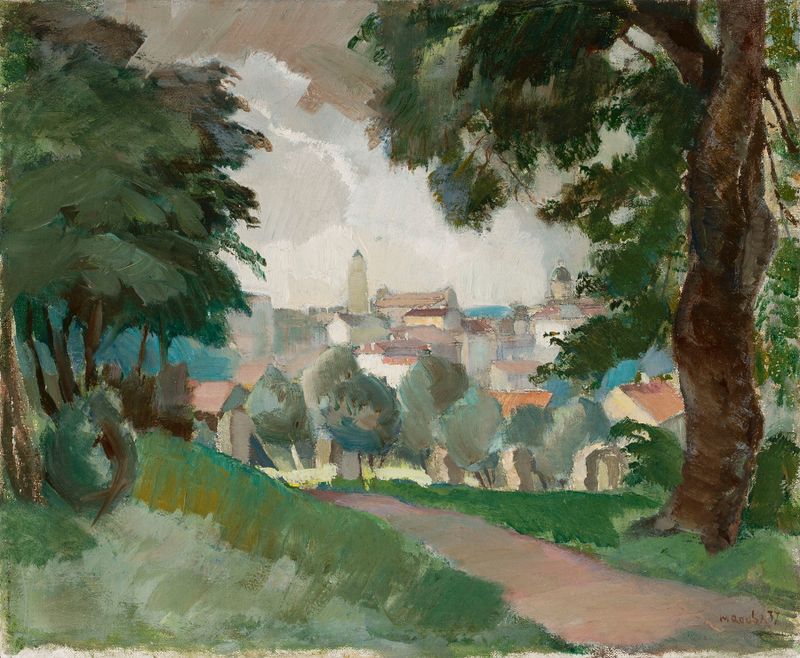
Widok Wilna wśród drzew
Michał Rouba
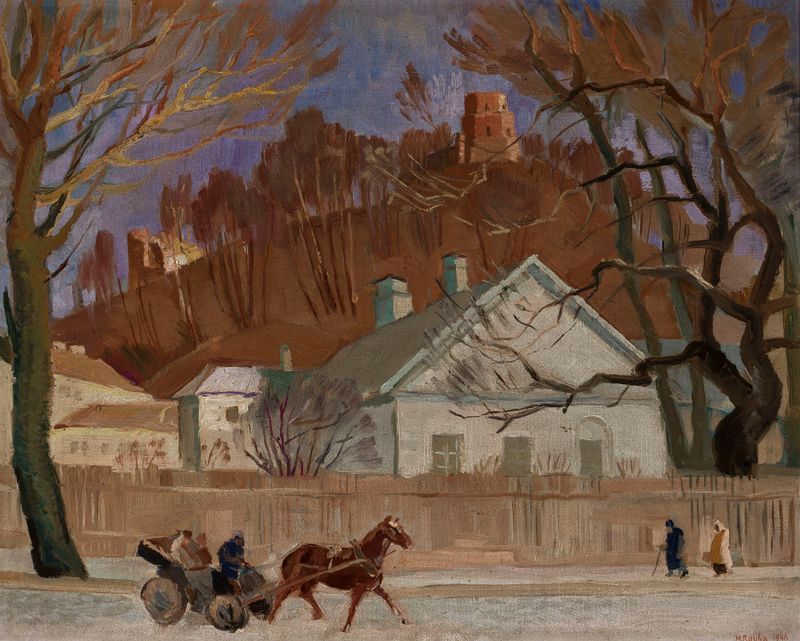
Gediminas Mountain in Vilnius
Michał Rouba
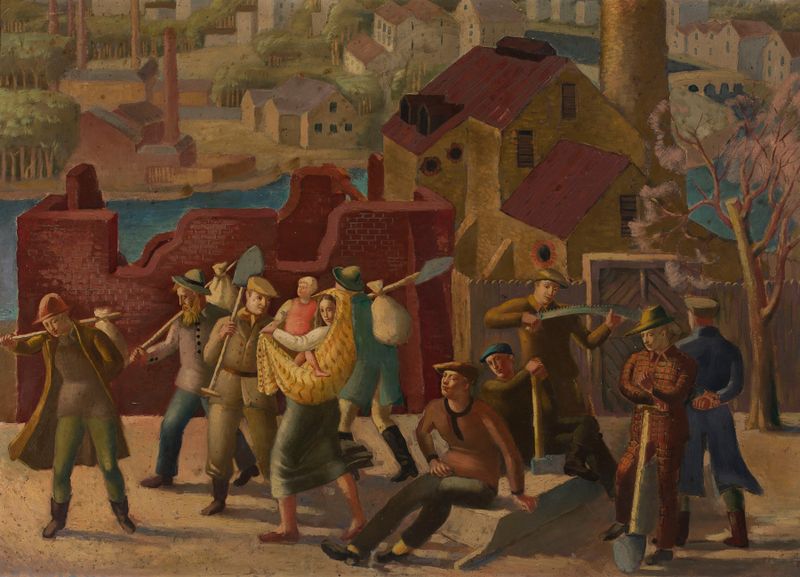
Urban landscape with workers against the background of a building
Michał Rouba
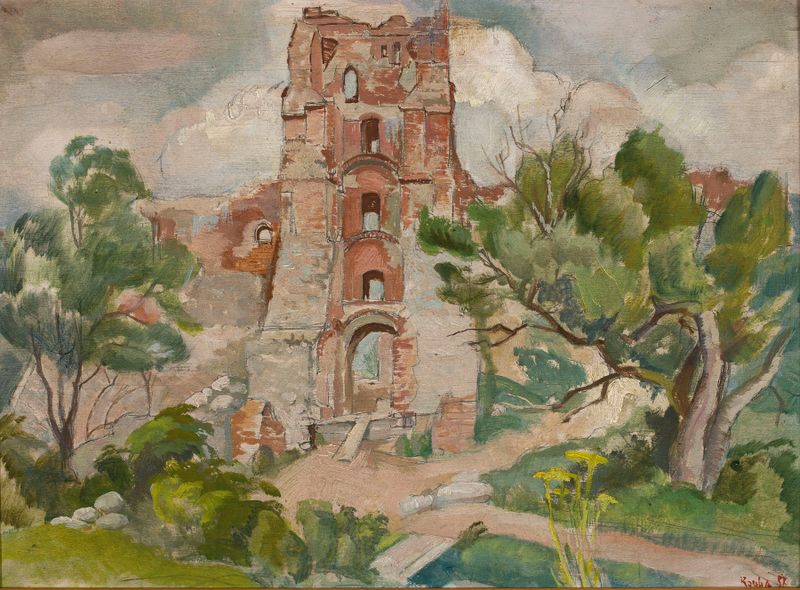
Tower in Troki
Michał Rouba
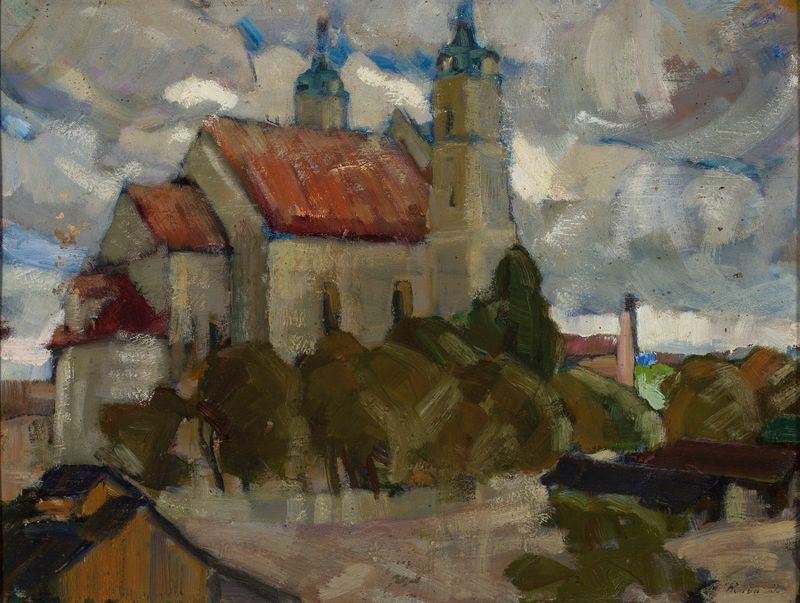
Church among trees
Michał Rouba
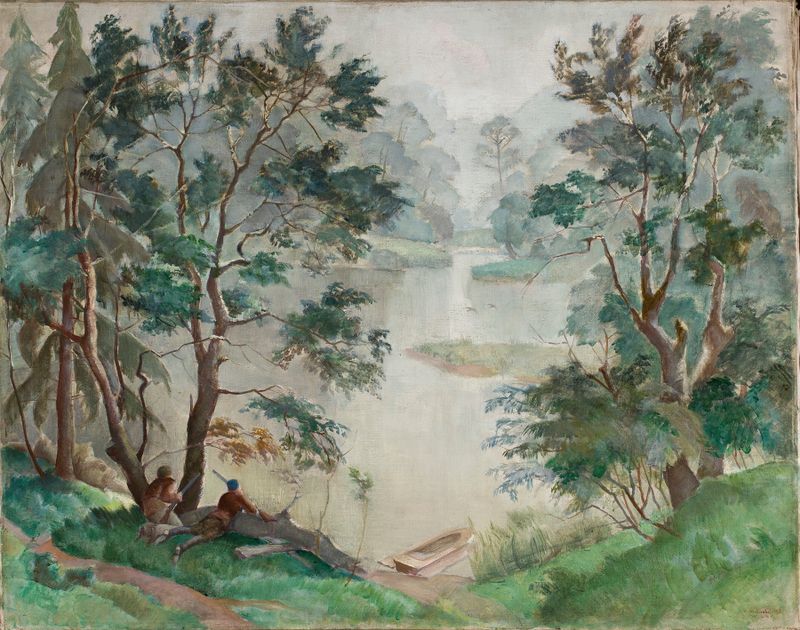
Autumn fogs
Michał Rouba
Two-horse cart on the road into town
Michał Rouba

Romantic landscape
Michał Rouba





